Planning a pole barn is exciting. Still, small oversights can snowball into big pole barn design mistakes. People often skip good insulation or forget drainage, and that drives up pole barn cost fast. We have seen the muddy boots, soggy floors, and chilly winters that follow.
This guide walks through five traps to avoid when you design your building. You will see how to choose smart materials and size the layout for comfort and savings. A little planning now can save you years of hassle later.
Mistake 1: Ignoring Proper Site Preparation
So much trouble starts under your feet. Strong groundwork protects your budget and keeps the structure standing straight for years.
Failing to evaluate soil conditions
Skipping a soil check is like building on guesswork. Weak or saturated soil cannot hold posts steady, which leads to cracked slabs, leaning walls, and doors that stick. We have seen barns in Iowa need costly fixes because clay seams and wet pockets went unseen.
Start with a simple plan:
- Order a basic soil test to learn bearing strength and moisture.
- Probe for clay layers and high water tables that trap runoff.
- Strip topsoil, compact the pad, and add well-graded gravel for a firm base.
- Confirm post depth below the frost line to reduce frost heave, the upward push from freezing soil.
Structural problems show up fast if the ground shifts. Frost heave can lift posts in winter, and flood-prone zones can swamp footings after heavy rain. Spending a little time here protects everything above grade. The dirt determines your destiny; ignore it, and your barn may pay the price later.
Overlooking drainage requirements
Water control is not optional. Poor drainage invites mold, rot, and shifting foundations. In Iowa, heavy rain that pools near a barn can buckle floors and speed up post decay. Plan your drainage before you pour a slab:
- Grade the site to slope away from the building, about 5 percent if you can.
- Add swales or shallow ditches to carry runoff around pads and drives.
- Use a French drain, a gravel trench with a perforated pipe, to move water away from posts.
- Extend downspouts well past the drip line to avoid saturated soil at corners.
Good drainage protects the foundation, insulation, and interior finishes. Delay it, and repair bills will eat money you hoped to spend on upgrades.
Mistake 2: Skimping on Insulation
Insulation is not flashy, but it controls comfort and cost year-round. The wrong pole barn insulation wastes energy like a window left open in January.
Choosing the wrong insulation type
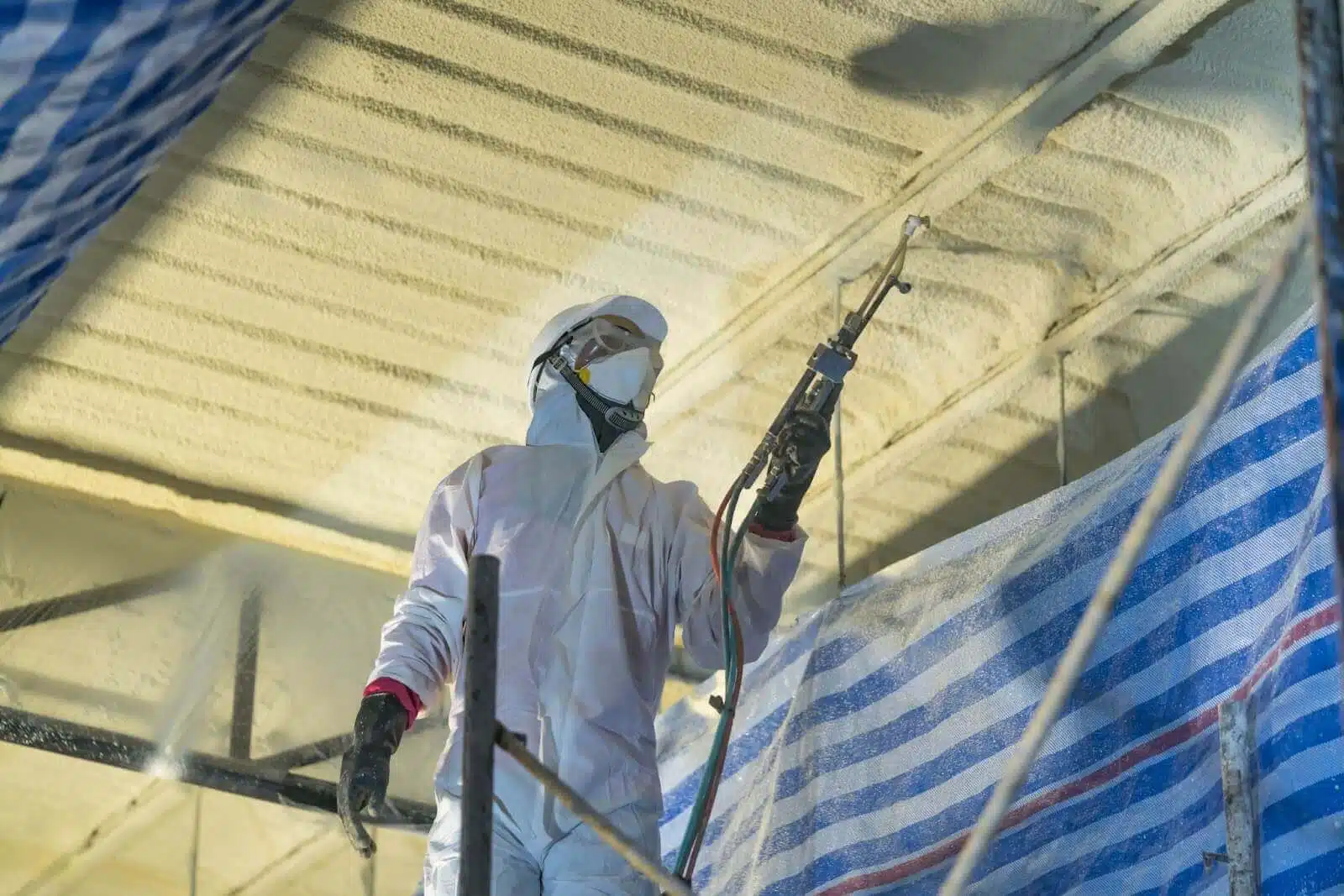
Each insulation has a job. Spray foam starts as a liquid, then expands into a tight seal that stops air leaks. Fiberglass batt is a soft blanket that fits between studs. Blow-in is loose fill for attic spaces. In Iowa’s winter winds, the wrong match makes a building drafty.
Choosing thin fiberglass where spray foam should go means cold corners and higher bills. Our team at Precision Insulation & Coatings knows spray foam shines in tricky areas, while batt or blow-in works well in open bays and attics. A metal shell without the right insulation loses heat fast. That choice costs you every month.
Neglecting energy efficiency
Energy efficiency is more than R-value, which is a measure of resistance to heat flow. Air sealing keeps heated or cooled air where you want it. Thin walls, leaky joints, and gaps at the roofline all raise utility costs.
Seal around windows and doors. Add a thermal break, a layer that stops heat transfer, under metal panels. With metal siding, the sun can turn your space into an oven in July, and winter air can bite hard. Better materials up front tame those swings and make workdays bearable.
Importance of Proper Pole Barn Insulation
Good insulation locks in comfort and lowers bills in every season. It also helps keep out dust, mice, and moisture that sneak through cracks in rafters and beams. Spray foam or fiberglass can fix many of these issues in both new builds and retrofits.
Precision Insulation & Coatings offers free on-site estimates so you can match products to your space before work starts. We also provide thermal barriers and attic sealing to push energy savings further for homes, shops, and farm buildings across Iowa.
Mistake 3: Poor Structural Design
Small layout choices can turn into big headaches. A weak frame or bad opening can make winter wind feel like it is inside with you.
Underestimating load-bearing requirements
Your structure has to handle snow load, wind load, and the weight of roof materials. Load is the force your building must carry. Cutting posts or skimping on truss spacing, the gap between roof supports, can cause sagging or twisting after a storm. We have taken calls after roofs bent under wet, heavy snow.
Check local codes, then plan for real weather too. In many Iowa counties, snow piles can exceed 20 pounds per square foot. Use thicker posts, quality trusses, and proper bracing. When in doubt, hire a licensed engineer for a quick design review. It is a low-cost safety check.
Safety note: Structural work can affect life and property. If you are unsure, bring in a professional.
Incorrect placement of windows and doors
Openings change how walls resist wind. Too many windows on one side, or big openings near corners, can weaken support. We have seen barns flex in a hard gust because glass and doors were clustered together.
Think through strength and comfort together:
- Spread out windows to protect the wall’s strength and bracing.
- Avoid placing huge doors where the wind hits the hardest.
- Face windows to the east or south for light without late-day heat.
- Use quality seals so doors do not freeze shut or leak air.
Smart placement lowers energy bills and keeps the building solid in every season.
Mistake 4: Choosing Inadequate Materials
Iowa weather swings are tough. If lumber or sheet metal cannot handle it, the barn will not last.
Using untreated wood or low-quality metal
Untreated wood invites decay and bugs. We have watched posts rot after wet springs and seen termites turn soft lumber into a snack. Low-grade metal dents rust faster and may peel at seams. Choose wisely from the start:
- Use treated posts and framing to resist rot and insects.
- Pick high-grade steel panels with a strong coating.
- Use corrosion-resistant fasteners near concrete and wet zones.
- Add proper flashing to block water at joints and roof edges.
Better materials cut maintenance and stretch your budget over time.
Not considering weather durability.
Harsh wind, driving rain, deep cold, and hot sun all test a building. Wood can warp, and thin siding can buckle in a single storm. Doors may stick after a freeze or let water creep inside during spring rain. We recommend upgrades that last:
- Panels with durable finishes to resist rust and UV damage.
- Ice and water shield under roofing at eaves and valleys.
- Ventilation that moves moist air out without heat loss.
- Gaskets and sealant at seams where wind and rain push hardest.
These choices pay you back in fewer repairs and longer service life.
Mistake 5: Overlooking Future Expansion Needs
Needs change. A little flexibility today can save a lot of cutting and rework later.
Failing to plan for additional space
We see owners box themselves in, then struggle when gear grows or storage fills up. An extra bay, a taller door, or five more feet could have solved it. Retrofitting those changes later costs more and disrupts your routine. Plan for growth now:
- Leave room on at least one side for an add-on.
- Use a wider truss bay if you might add a lean-to.
- Size the electrical service for future tools or heat.
- Check setbacks and easements on your site plan.
A small step at design time keeps your options open if you add a tractor, expand herds, or launch a side business.
Ignoring the need for flexible layouts
Rigid layouts can block workflow later. Walls that feel right today may crowd a future workbench or storage rack. Tearing out finished space stings the wallet. Built-in flex:
- Keep open bays for changing equipment.
- Use modular partitions that you can move or remove.
- Pick door sizes and locations that handle larger gear.
- Run extra conduit and blocking so upgrades are simpler.
Designing for change protects your time and budget and builds value.
The Bottom Line
Strong projects start with smart choices. Good soil prep, solid drainage, and the right pole barn insulation keep comfort high, and pole barn cost low. Sound structure and durable materials handle Iowa weather without drama. Planning for growth prevents common mistakes when designing a pole barn from popping up in year five.
Take your time and build it right. If load, codes, or moisture control feel tricky, bring in a pro for a quick check. That is how to design a pole barn that stays sturdy, efficient, and easy to live with for years to come. Contact Precision Insulation & Coatings for more details on your insulation needs.
FAQs
1. What are the most common mistakes people make when designing a pole barn?
Skipping site preparation tops the list. People often forget to check soil conditions or ignore drainage, which can lead to headaches later. Choosing cheap materials is another trap; it might save money now, but costs more in repairs down the road.
2. Why does poor planning hurt my pole barn project?
If you rush through your plans, you’ll likely miss key details like door placement or ceiling height. That means trouble fitting equipment inside or storing hay bales without hassle. Careful planning saves time and keeps surprises at bay.
3. How important is ventilation in a pole barn design?
Ventilation matters more than folks think! Without good airflow, moisture builds up fast, leading to mold and rust on metal parts. Proper vents keep animals healthy and protect tools from damage.
4. Can I skip permits for my new pole structure if it’s on private land?
Don’t risk it; skipping permits can bring big problems later with local authorities or insurance claims if something goes wrong. Always check building codes before breaking ground so your investment stands strong for years to come.