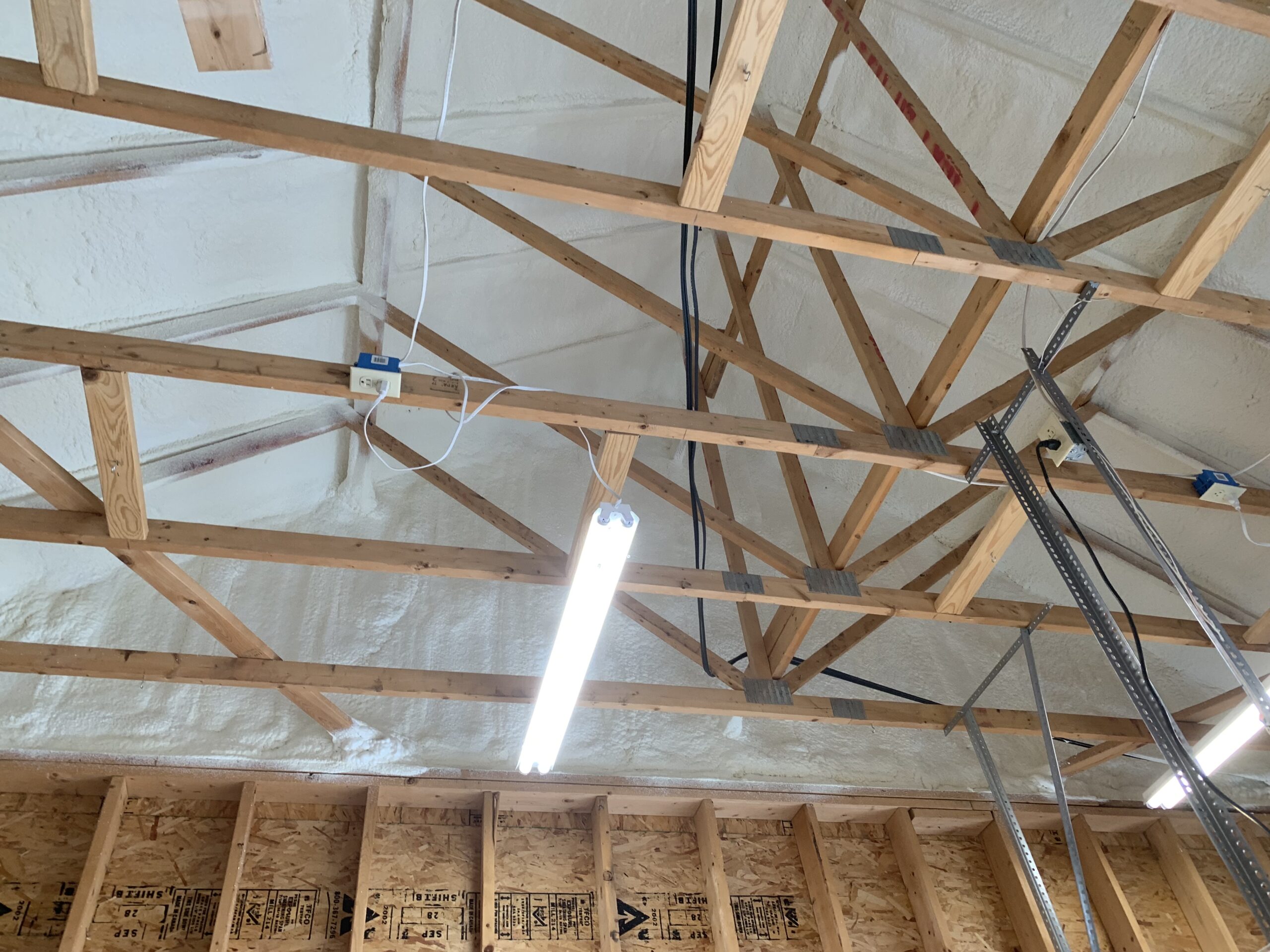
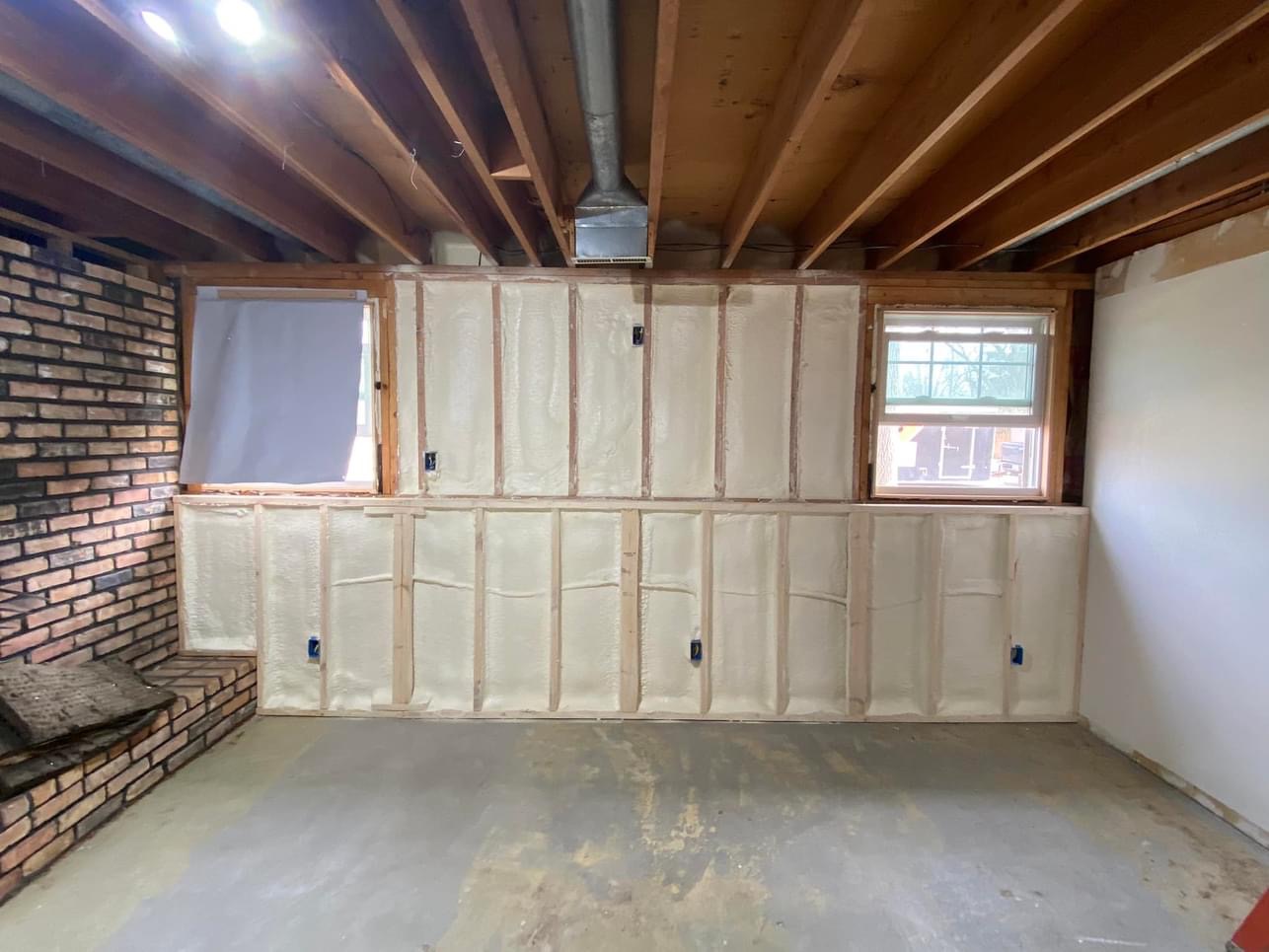
Commercial Vs. Residential Spray Foam: What’s The Difference?
Your building swings from hot to cold, and energy bills keep climbing. Commercial spray foam is built for spaces like yours, while home foam targets comfort in smaller rooms. Understanding the difference makes business insulation pay off.
This guide compares commercial and residential spray foam in plain terms. You will see where each works best, what it costs, and how it affects results. Clear, direct, and useful.
Definition of Spray Foam Insulation
Spray foam insulation is a liquid that expands into a solid foam. It seals cracks, reduces drafts, and improves comfort. There are two main types: open cell and closed cell.
Open cell foam, also called low density foam, has many tiny air pockets. It stays soft and flexible after it cures. Typical R-value, which is thermal resistance, ranges from 3.5 to 4.5 per inch.
Closed cell spray foam acts tougher. Its tight structure makes it dense and rigid. It delivers higher R-values, often 5.2 to more than 7.2 per inch, and the cells are at least 90 percent closed.
Why this matters: higher R-value slows heat flow better. Closed cell also limits water vapor, which helps with moisture control along exterior walls and roofs. Open cell is great for interior walls where sound and flexibility matter most.
Closed cell foam serves as a vapor retarder and adds strength to walls, a strong combo for many commercial buildings.
Key Differences Between Commercial and Residential Spray Foam
Commercial jobs and home projects have different goals and codes. Here is a quick view of residential vs commercial insulation so you can choose with confidence.
Aspect | Commercial Spray Foam | Residential Spray Foam |
Application Type | Large buildings, warehouses, offices, retail spaces | Houses, apartments, small multifamily buildings |
Equipment | Elite Series Trailers from Profoam, advanced features and high output | Core Series Trailers from Profoam, focused on savings, efficiency, and flexibility |
Foam Type | Closed cell favored for exterior walls, higher R-value, and sound control | Open cell often used in interior walls for breathability and lower cost |
Performance | Higher R-value, moisture control, suited for demanding conditions | Balanced performance with budget in mind, moderate sound control |
Sound Attenuation | Closed cell offers stronger sound reduction across rooms | Open cell provides basic sound dampening for daily living |
Training & Certification | IDI and Profoam offer specialized training; 3.5-day course in Rutledge, GA for $1,050 per person | One-day seminar in Oklahoma City for $149 per person, also from IDI and Profoam |
Cost | Higher spend on training, gear, and materials due to scale | Smaller scope helps keep costs manageable |
Project Complexity | Needs advanced setup, skilled applicators, and more oversight | Simpler installs with an emphasis on speed and cost control |
Performance Characteristics
Closed cell foam brings muscle. Expect R-values from about 5.2 up to more than 7.2 per inch, plus high closed cell content. That mix cuts heat loss and heat gain in tough spots.
Open cell foam delivers R-values from 3.5 to 4.5 per inch. It still improves comfort, but it is not as strong against moisture or extreme weather as closed cell.
Air sealing is where spray foam shines. It limits leaks far better than fiberglass batts or blown-in fibers. Thermal bridging, which is heat slipping through wood studs and metal, drops when foam seals joints and gaps.
Noise control matters in offices and shops. Closed cell foam helps block sound between rooms and along exterior walls. Open cell helps too, mainly for interior partitions.
Large projects need dependable rigs. Profoam Elite Series Trailers and sprinter vans keep crews supplied, heated, and moving on tight timelines. That steadiness reduces delays and change orders.
Finish quality improves as well. Tighter envelopes lead to fewer drafts and cleaner interior surfaces. Clients feel the difference during both hot summers and long winters.
Cost Considerations
Spray foam work takes more than a spray gun. Budget for tools, parts, and safety gear. Small items add up fast, so plan for the full kit.
- PMC PX-7 used rig with A3 Pour Module Spray Gun: $3,000.00
- PMC PX-7 A5 package, new: $3,972.50
- Graco Fusion FX spray gun: $4,150.00
- Concrete Lifting Slab Jack, full assembly: $865.00
- Profoam ports, 10-pack: $950.00
- Drierite desiccant cartridge: $24.99 each
- Disposable coveralls, size 2XL: more than $140.00 per suit
- Metal depth gauge: $19.75 each
Set a tool list before bidding work. Match gear to building size and code needs. Skipping key parts can stall a crew and waste labor.
One more point: foam chemicals need safe handling. Provide respirators, eye protection, and ventilation. Train installers on mix temps and cure times to avoid rework.
Conclusion
Choosing between commercial and residential spray foam depends on building use and code. Commercial spaces benefit from dense closed cell, which handles wear, weather, and moisture. Homes often do well with open cell inside walls, where breathability and lower cost matter.
Both types can cut energy use and reduce noise when installed by trained crews. Consider a dedicated trailer or rig for large footprints to speed schedules. The right mix of materials, training, and gear keeps jobs on track and pays off year after year.
Safety note: follow manufacturer directions and OSHA rules. This article offers general information, not legal or safety advice. For complex projects, consult a licensed contractor or engineer who understands local codes and commercial spray foam requirements.
FAQs
1. What is the main difference between commercial and residential spray foam insulation?
Commercial spray foam covers larger areas like warehouses and office buildings. It is made to handle heavy use and tougher weather. Residential foam focuses on comfort, energy savings, and stopping drafts in homes.
2. Does commercial spray foam cost more than residential types?
Yes, in most cases it does. Commercial work often needs thicker layers, special fire-rated systems, and bigger equipment. Homes use less material because the spaces are smaller.
3. Can I use commercial-grade spray foam in my house?
You could, but the extra strength may not help a wood-framed house. The added cost and stiffness are usually not needed in typical rooms and attics.
4. How long does each type of spray foam last?
Both can last for decades when installed correctly by trained pros. Commercial buildings may get more frequent inspections due to code rules. Homes benefit from quick checks after major storms or repairs nearby.