If you’re considering residential spray foam insulation in Iowa, the main value is simple: it can reduce unwanted air leakage while insulating, which helps your house feel more even room-to-room. The best results come when spray foam is used where air leaks are worst (attic bypasses, rim joists, tricky transitions) and installed with a clear plan for ventilation and verification. This guide will help you understand what spray foam does well, where it’s worth using first, and what to ask a contractor so you don’t pay for a “spray and pray” job.
What Does Residential Spray Foam Insulation In Iowa Solve In Real Homes?
Spray foam shines when the problem is air movement, not just “not enough insulation.”
Quick “is this you?” checklist
- Certain rooms never match the thermostat
- You feel drafts near baseboards or outlets
- Floors are cold over the garage or near exterior walls
- Your attic smells dusty, or you notice temperature swings
Common mistake: Adding insulation on top of major air leaks. If warm air is escaping into the attic, you’ll still feel uncomfortable even with more R-value. ENERGY STAR’s attic guidance focuses heavily on finding and sealing key leakage points as part of improving performance.
Decision rule: If you can feel moving air on a windy day, prioritize air leakage control first. Then decide whether to use spray foam, blown-in, or a combination.
Local factor (Iowa): The combo of cold winters + wind makes rim areas and attic bypasses common comfort offenders. That’s often where residential spray foam insulation in Iowa makes the biggest “feel it immediately” difference.
Where Should Spray Foam Go First In An Iowa House?
A good insulation contractor won’t start with “foam everything.” They’ll start with “Where is the building leaking?”
Most common high-impact first areas
- Rim joists/band boards: Drafty edges and cold floors often trace back here.
- Attic bypasses: Plumbing stacks, wiring holes, chaseways, and top-plate gaps. ENERGY STAR even notes specific materials and cautions for sealing near flues.
- Bonus rooms over garages: Often under-insulated and leaky.
Common mistake: Foaming a small area and expecting whole-house comfort. Spray foam can be amazing, but it’s not magic. It works best when it’s part of a plan: seal the big leaks, then build insulation depth where it counts.
Open-Cell Or Closed-Cell: Which One Fits Your Attic, Walls, Or Rim Joists?
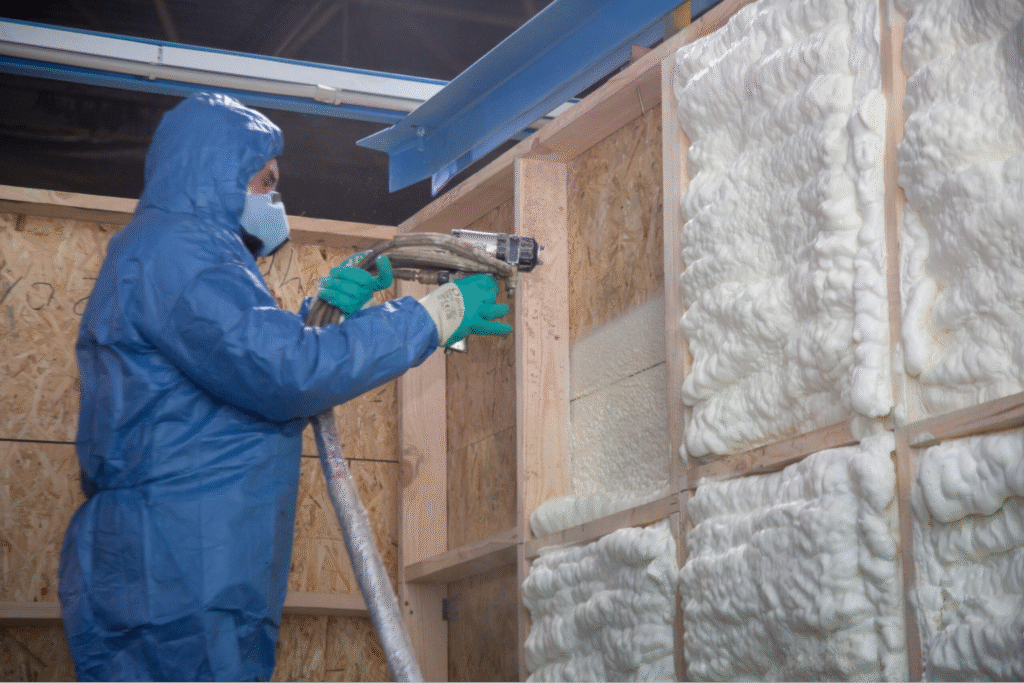
DOE explains polyurethane foam insulation comes in open-cell and closed-cell forms, with open-cell being lower density and lower R-value, and closed-cell being higher density with gas-filled closed cells. Here’s a practical way to compare them.
Foam type | Where it often fits | Why do people choose it | Watch-outs / decision rule |
Open-cell | Interior walls; some attic applications | Expands to fill cavities; strong air sealing | Lower R-value per inch than closed-cell; ask your installer why it fits your moisture/assembly needs. |
Closed-cell | Rim joists; areas needing higher R per inch | Higher R-value per inch; more rigid | Costs more; requires consistent thickness and attention to code/covering requirements in many cases. |
Hybrid (foam + fiberglass/blown-in) | Budget-conscious upgrades | Foam seals the leaks; other insulation builds depth | Needs a clear scope so you don’t end up with gaps or thin spots. |
Decision rule: If the goal is “stop drafts and stabilize temps,” foam in the leakiest areas first. If the goal is “hit a target R-value on a budget,” a hybrid plan can make sense.
What Does A Quality Spray Foam Project Look Like From Walkthrough To Verification?
This is what you should expect when hiring for residential home insulation in Iowa, especially in an attic or rim scope.
- Walkthrough + problem mapping: They ask about comfort issues and identify the biggest leakage pathways.
- Plan the air sealing details: Not every hole gets foam. ENERGY STAR’s attic air sealing instructions include materials guidance and cautions around high-heat areas.
- Prep and protection: Masking, protecting HVAC equipment, and setting boundaries around the work zone.
- Ventilation and isolation during application: EPA’s ventilation guidance recommends establishing airflow across the spraying area, isolating the work area, directing exhaust to a safe location, and maintaining ventilation after application.
- Application in controlled lifts + depth checks: A quality crew checks thickness so you don’t get thin edges and missed corners.
- Code/covering discussion when applicable: IRC R316.4 requires foam plastic to be separated from the interior by an approved thermal barrier (commonly 1/2-inch gypsum) unless exceptions apply.
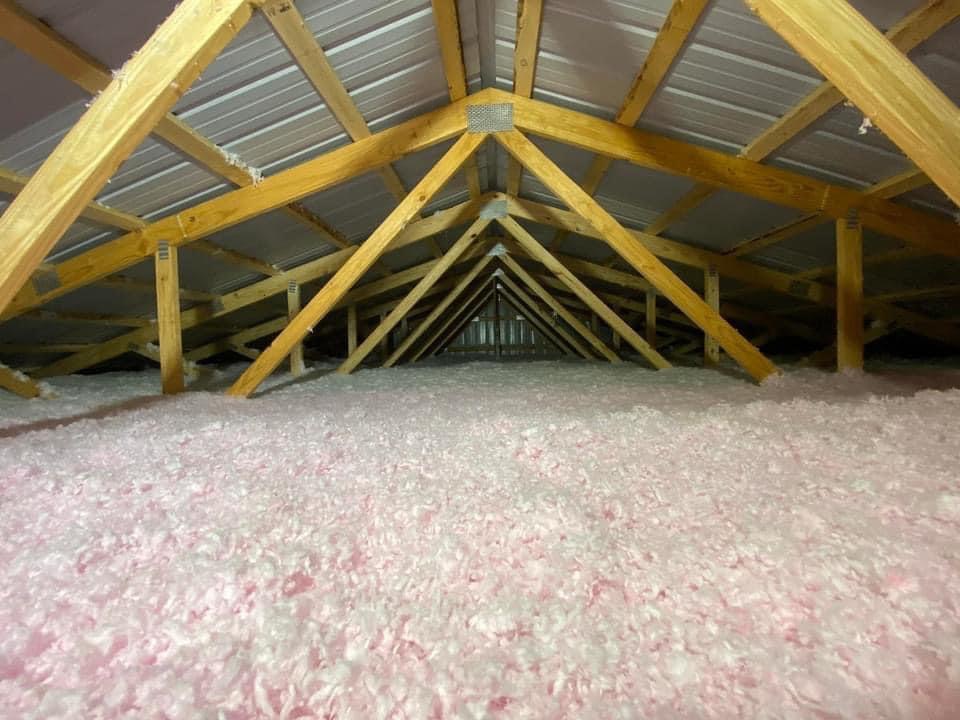
- Verification walk-through: Photos or a walkthrough showing what was foamed, what was sealed, and what the next recommended step is (often blown-in attic insulation after sealing).
What Mistakes Cause Callbacks, Comfort Issues, And Wasted Money?
Mistake #1: No plan for moisture and ventilation
If the bid doesn’t mention ventilation and work-zone isolation, ask why. EPA provides clear ventilation principles for SPF application.
Mistake #2: Treating spray foam like “paint.”
Thin coverage and gaps at transitions are where performance disappears. Depth checks matter.
Mistake #3: Skipping the attic “details.”
Attic bypasses and top plates are tedious. They’re also where you win comfort.
Local factor: In Iowa, the draft you feel in January is often a small leak that adds up across the whole house.
What Drives The Cost And Timeline For Residential Spray Foam Insulation In Iowa?
Instead of throwing out random numbers, here’s what really moves a quote.
- Access: Tight attics and low-clearance rims take longer
- Scope size: Rim-only vs full attic vs walls
- Foam type: Closed-cell usually costs more due to density and performance goals
- Prep: Protecting storage items and finished areas
- Verification and code requirements: Barriers/coverings may add scope
- Retrofit conditions: Insulation removal, repairs, or moisture issues
Decision rule: If you’re budget-limited, ask for a phased plan: fix the leakiest areas first, then add depth where needed.
Conclusion
The best residential spray foam insulation Iowa projects are not “more foam.” They’re better building control: seal the big leaks, insulate the right surfaces, and verify the work. If you want a home that feels steadier in winter and less drafty year-round, start with a scope that targets rim areas and attic bypasses, then build insulation depth where it counts.
For homeowners across Iowa who want a clear plan (walkthrough → air sealing → spray foam → verification), contact Precision Insulation & Coatings.
FAQs
Is residential spray foam insulation in Iowa worth it?
It can be, especially when air leakage is the main problem. The value is highest when foam is placed strategically (rim areas, attic bypasses, transitions) rather than sprayed everywhere.
What’s the difference between open-cell and closed-cell foam?
Open-cell is lower density and lower R-value per inch; closed-cell is denser and typically has a higher R-value per inch. Your contractor should explain which fits your location and goals.
Is spray foam safe after it cures?
Safety depends on correct mixing, application, and ventilation during installation. EPA provides ventilation guidance aimed at reducing exposure during and after application.
Do I need attic ventilation with spray foam?
It depends on the attic design (vented vs unvented) and how foam is being used. This is a scope/design question; your contractor should explain the plan clearly.
Can you spray foam over existing insulation?
Sometimes, but it can hide air leaks and moisture problems. Many projects start by sealing key leaks first, then insulating.
Does spray foam need drywall or a protective barrier?
In many situations, yes. IRC R316.4 addresses thermal barrier requirements (commonly 1/2-inch gypsum) unless specific exceptions apply.
What should I ask before hiring a spray foam contractor?
Ask about foam type, thickness targets, ventilation plan, how they verify coverage, and what the next step is after foam (often blown-in attic insulation).