Many of us know the struggle of trying to keep our homes warm in the winter or cool in the summer. High energy bills and uncomfortable rooms can make life harder for families and renters alike. Moisture, drafts, and uneven temperatures can even damage our buildings over time.
All across Iowa, we’ve seen these issues pop up again and again. One important thing we learned is that good insulation blocks unwanted heat flow and keeps moisture from building up indoors. After researching different ways to improve insulation, it’s clear that working with an insulation contractor helps protect buildings in the long term and keeps them safer.
In this blog post, you’ll find out how quality insulation makes a big difference. It improves temperature control, lowers energy bills, stops condensation problems, cuts down noise from outside or between rooms, and helps your building stay strong for years to come.
Keep reading to see how even small changes with insulation can help every property owner feel more comfortable at home.
Why Proper Insulation is Important for Buildings Long-Term
Proper insulation keeps buildings safe and energy-efficient for many years. It helps control temperature, reduces energy costs, and improves indoor comfort for all who live or work there.
Reduced heat transfer
Insulation plays a key role in reducing heat transfer. It acts as a barrier that stops heat from moving freely between the inside and outside of our buildings. In cold weather, insulation keeps warm air inside. This helps us stay comfortable without using too much energy. In hot weather, it prevents heat from entering our homes, making it easier to keep cool, especially with spray foam insulation that seals even the smallest gaps.
We see major benefits when we install proper insulation. It lowers our heating and cooling costs by stabilizing indoor temperatures year-round. Insulated spaces remain cozy during winter and refreshing during summer months, and spray foam insulation further improves efficiency by creating an airtight seal. Over time, this efficiency can lead to significant savings on utility bills while helping protect HVAC systems from wear and tear.
Improved thermal resistance translates to better comfort for everyone inside the building. Everyone deserves a space where they can feel relaxed, regardless of the weather outside. Proper insulation, including spray foam solutions, ensures that we achieve this goal effectively while supporting the long-term preservation of our structures.
Lower energy costs
Proper insulation greatly reduces heat transfer. It keeps our homes warm in winter and cool in summer. This balance leads to lower energy costs for heating and cooling, especially when installed by experienced insulation contractors for both residential and commercial insulation needs. Homes that are well insulated use less energy overall, which directly lowers those bills.
With proper insulation, we see a noticeable drop in household energy needs. This means we don’t have to run the HVAC system as much. Reducing the workload on these systems helps them last longer and cuts down repair costs, too, whether in homes or commercial insulation projects. Insulation not only supports comfort but also saves us money.
When temperatures stay stable indoors, our reliance on heating or cooling decreases further. Less energy usage is good for our wallets and the environment. Proper insulation, when handled by skilled insulation contractors, promotes sustainability by reducing overall energy consumption over time.
Improved comfort
Proper insulation keeps our homes cozy all year round. It reduces heat loss during cold months and stops excess heat from entering in the summer. This helps maintain a steady indoor temperature, no matter what happens outside. We can feel comfortable without cranking up the heat or air conditioning too high.
Comfort also means better air quality inside our buildings. Insulation reduces drafts and noise from outside. We get to enjoy a peaceful environment while saving energy at the same time. Improved comfort leads to happier living spaces for us all.
Choosing the right materials for durability and budget
Choosing the right materials is key to both durability and cost. We need to consider insulation types that last longer and fit our budget. Fiberglass is a great option because it offers good thermal resistance at a lower price. Cellulose, made from recycled paper, can also save us money while being friendly to the environment.
Spray foam insulation costs more upfront but has many benefits. It seals gaps well, controls moisture, and improves energy efficiency. This means we spend less on heating and cooling in the long run. Making smart choices now will lead to better building preservation down the road.
Ensuring moisture control and material integrity
Moisture control is key to lasting buildings. Proper insulation helps keep our homes dry and safe. It stops water from entering walls or ceilings. If we ignore it, mold can grow. This damages materials and harms indoor air quality.
Using the right materials adds to our building’s strength. We need to focus on their durability, too. Insulation acts as a barrier against heat flow and moisture transfer; this keeps condensation at bay. Keeping moisture out helps preserve structural integrity over time.
Good insulation lowers energy costs while ensuring comfort inside our homes. Stable temperatures make living spaces more enjoyable throughout the year. With proper installation, we protect both our homes and ourselves from weather extremes in Iowa’s climate.
Types of Insulation
Fiberglass
Fiberglass insulation is a popular choice for many buildings. It helps reduce heat flow in both winter and summer. This material provides good thermal resistance, which keeps indoor temperatures stable. We can lower our heating and cooling costs by using fiberglass insulation.
It also plays a role in moisture control. Proper installation prevents condensation build-up that can lead to mold growth. Fiberglass supports structural integrity while improving energy efficiency overall. With this type of insulation, we create more comfortable living spaces and protect our buildings long-term.
Cellulose
Moving from fiberglass, we now look at cellulose. Cellulose is made from recycled paper and other natural materials. This insulation choice has many benefits. It helps control moisture, reducing the risk of mold growth in buildings. Proper insulation with cellulose also stabilizes indoor temperatures in both cold and warm weather.
Using cellulose improves energy efficiency. It reduces heat transfer between the inside and outside of a home or building. Cutting down on heat loss during winter, it leads to lower heating costs.
In the summer months, it keeps cool air inside, saving money on cooling bills, too. We find that cellulose enhances comfort while supporting structures over time by extending their lifespan.
Rigid foam boards (EPS, XPS, Polyiso)
Rigid foam boards come in three main types: EPS, XPS, and Polyiso. Each type offers good insulation. They help reduce heat flow. This means less energy is needed to keep buildings warm or cool. Using these boards can cut heating and cooling costs.
EPS stands for expanded polystyrene. It is lightweight and moisture-resistant. XPS, or extruded polystyrene, provides a higher thermal resistance than EPS. Polyiso has the highest R-value per inch of thickness among these options, which makes it very efficient.
We often use rigid foam boards on walls, roofs, and foundations. Proper installation ensures airtightness and vapor control. This helps prevent condensation inside the building, thus reducing mold growth too. By choosing the right rigid foam board for each space, we enhance both comfort and structural integrity in homes.
Spray foam
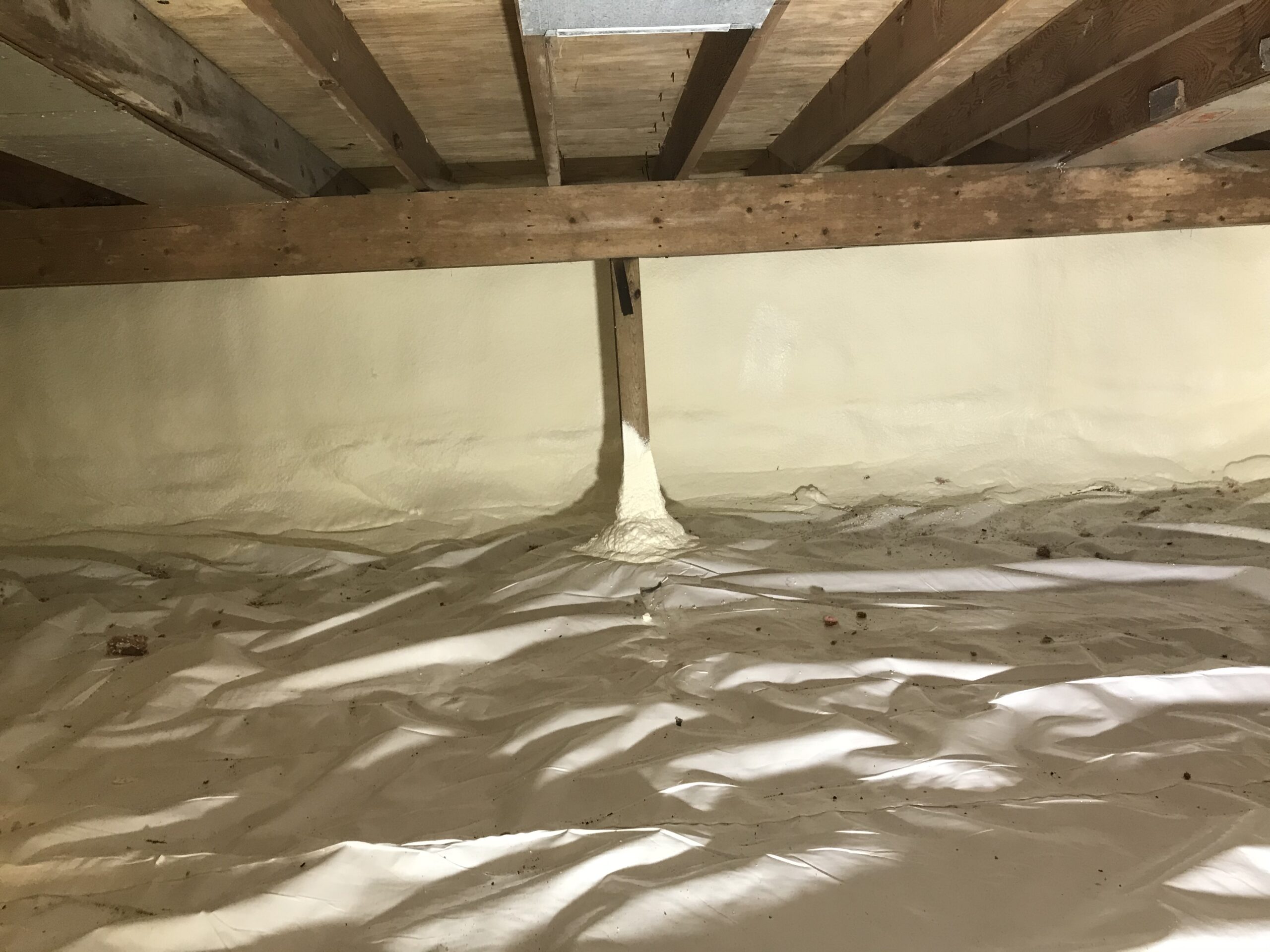
Spray foam insulation is a strong choice for many buildings. It creates a tight seal that blocks heat transfer. This helps keep our homes warm in winter and cool in summer. Spray foam also reduces energy waste, leading to lower heating and cooling costs, which can help balance the initial spray foam insulation cost over time.
Using spray foam can improve moisture control, too. It acts as a barrier against condensation, which helps prevent mold growth. This means we can maintain indoor comfort while protecting structural integrity over time. Proper installation is key to getting the best results with spray foam.
Its durability makes spray foam an excellent long-term solution for insulation. We notice fewer repairs needed down the road, saving us money and effort on upkeep. With its energy efficiency benefits, we support a more sustainable environment as well; it reduces overall energy consumption in our buildings.
SIPs (Structural Insulated Panels)
SIPs, or Structural Insulated Panels, offer a strong option for building insulation. These panels combine two layers of rigid material with a layer of foam in between. They work well to reduce heat flow and improve energy efficiency. With SIPs, we stabilize indoor temperatures all year round.
Using SIPs helps cut down on heating and cooling costs. This means lower energy needs for our homes or buildings. Properly installed SIPs can also boost soundproofing and fire resistance. Their durability supports the structural integrity of the building over time while promoting sustainable living through reduced energy consumption.
Factors to Consider for Long-Term Protection
Moisture resistance
Moisture resistance is key to protecting our buildings. It helps us prevent problems like mold and condensation. Proper home insulation and metal building insulation act as a barrier against moisture, keeping the inside dry. This protects structural integrity over time. When we control moisture, we create a healthier indoor environment.
Insulation also stabilizes temperature regulation in our homes. Managing heat flow, it reduces the chances of condensation forming on surfaces. This means less risk of water damage and mold growth in walls and ceilings. We save money, too, as there is less need for repairs down the road.
Choosing materials with good moisture resistance adds to building longevity. Some insulation types used in homes and metal structures are better at resisting water than others. With proper installation, including vapor barriers, we can ensure long-lasting protection against moisture issues. This gives us peace of mind knowing our buildings will stand strong for years to come.
Airtightness
Airtightness is key to proper insulation. We want our buildings, including homes and metal structures, to keep the temperature stable. Air leaks can let in cold drafts in winter and unwanted heat in summer. This makes heating and cooling systems work harder, using more energy. Proper insulation helps create a strong barrier against these air leaks.
Good airtightness also supports moisture control. It prevents damp air from entering, which can cause mold growth inside our homes or buildings. Mold can damage materials and affect health, too. By ensuring we install effective sealing methods with insulation, we protect both indoor comfort and structural integrity.
Investing in airtightness leads to lower energy costs over time. A well-sealed building has better thermal resistance, making it easier to maintain comfortable temperatures indoors regardless of outside weather conditions. Our HVAC systems will last longer because they do not have to work as hard when the building is airtight.
Vapor barriers
Airtightness helps keep moisture out. This leads us to vapor barriers. These barriers are essential for long-term protection of buildings, including home insulation and metal building insulation systems. They stop moisture from moving into walls and ceilings. Without them, condensation can form inside the materials, which may cause mold growth.
We need to manage moisture effectively for structural integrity and comfort. Proper insulation paired with a good vapor barrier stabilizes indoor temperatures. It reduces heat flow during both cold winters and hot summers. This support extends the life of our homes or buildings while cutting down on energy needs and costs over time.
Durability
Durability is key to proper insulation. We need materials that last long and resist wear over time. Good insulation helps maintain structural integrity. It keeps our buildings safe from damage caused by heat transfer, moisture, and pests.
We choose strong materials like rigid foam boards or spray foam. These options offer high thermal resistance and moisture control. They ensure our homes stay comfortable without constant repairs.
By investing in durable insulation, we save energy costs in heating and cooling. This choice also extends the lifespan of our buildings while protecting them for many years ahead.
Benefits of Proper Insulation for Building Longevity
Increased lifespan
Proper insulation plays a key role in extending the lifespan of buildings. It helps to stabilize indoor temperatures. This control reduces stress on building materials and systems, keeping them in good condition longer. Both heat loss in winter and heat gain in summer decrease significantly with proper installation.
Insulation acts as a barrier against outside elements. It prevents moisture issues that can lead to mold or damage over time. Mold prevention is crucial for maintaining structural integrity. With less wear on HVAC systems, owners can expect fewer repairs and replacements.
Energy efficiency improves with good insulation, too. Buildings consume less energy for heating and cooling needs through reduced temperature shifts indoors. Lower energy consumption promotes sustainability and makes buildings more environmentally friendly while lasting longer overall.
Improved energy efficiency
The connection between increased lifespan and improved energy efficiency is clear. Good insulation can greatly lower our energy costs. It reduces heat loss in winter and heat gain in summer. This means we spend less on heating and cooling our buildings.
A well-insulated building keeps indoor temperatures steady, no matter the weather outside. We save energy because proper insulation acts as a barrier against heat transfer. In fact, effective insulation leads to noticeably reduced energy needs for homeowners and property owners alike.
When we install quality insulation, we support comfort while also protecting the building’s structure for years to come.
Better soundproofing
Proper insulation gives us better soundproofing in our buildings. It helps to block noise from outside. With good insulation, sounds from traffic or neighbors do not disturb us inside. This creates a more peaceful home or work environment.
Insulation also controls the flow of heat and air. This keeps our indoor comfort high. A consistent temperature reduces stress on our heating and cooling systems. We enjoy lower energy costs as well because we do not waste energy trying to maintain comfort levels.
Fire resistance
Fire resistance in insulation is vital for protecting our buildings. Insulation can act as a barrier against fire, helping to slow its spread. This is especially true when we understand what fiberglass insulation is and how it works, as it is made from fine glass fibers that are naturally non-combustible. Some materials, like fiberglass and spray foam, have good fire-resistant properties. They help keep flames contained and give us more time to escape or react.
Choosing the right insulating material can also make a difference in safety. Many types of insulation now include flame-retardant additives that increase their fire resistance even further. Fiberglass insulation, in particular, works by trapping air within its fibers while also resisting high temperatures. This added protection helps ensure the structural integrity of our buildings during a fire emergency.
Improving fire resistance leads to safer homes and workplaces while also extending building longevity. This means less wear on structures over time, making them stronger against extreme events.
Environmental benefits of using recycled materials
Using recycled materials for insulation has strong environmental benefits. Recycled options reduce waste and lessen the demand for new resources. This helps decrease our carbon footprint, making buildings more eco-friendly.
We find that proper insulation boosts energy efficiency. It lowers energy consumption by reducing heat loss in winter and heat gain in summer. This leads to significant savings on heating and cooling costs. Homes stay comfortable while using less energy, which is good for both families and the planet.
Recycling materials also supports sustainable practices in building construction. We can use items like recycled denim or glass wool as insulation instead of traditional methods that rely on new raw materials. Choosing these options contributes to building preservation while promoting a cleaner environment for future generations.
Conclusion
Proper insulation protects buildings for many reasons. It saves energy and lowers costs. Insulation keeps indoor temperatures steady, improves comfort, and prevents moisture damage. Choosing the right materials helps maintain a strong structure over time. We encourage you to think about your insulation needs today; this simple step can boost your home’s efficiency and lifespan.
Remember, good insulation matters for both your wallet and our planet’s health! If you have questions or need help with installation, contact Precision Insulation & Coatings today and we will guide you every step of the way.
FAQs
1. How does proper insulation improve energy efficiency in buildings?
Proper insulation keeps heat out during summer and traps warmth inside during winter. This reduces the need for heating or cooling, which saves energy and lowers costs.
2. In what ways does insulation help with moisture control and mold prevention?
Insulation acts as a barrier against outside moisture entering walls or ceilings. Stopping condensation, it helps prevent mold growth that can damage building materials.
3. How does thermal resistance from insulation protect structural integrity over time?
Thermal resistance slows down heat flow through the building envelope. This protects walls, floors, and roofs from temperature swings that could cause cracks or weaken the structure.
4. Can installing insulation make indoor spaces more comfortable?
Yes, good insulation manages temperature regulation by keeping rooms warmer in winter and cooler in summer. It also blocks noise from outside for better soundproofing.
5. What are some long-term benefits of proper insulation installation for building preservation?
Properly installed insulation controls heat flow, prevents condensation, supports cost savings on energy bills, and maintains the strength of building parts over many years.