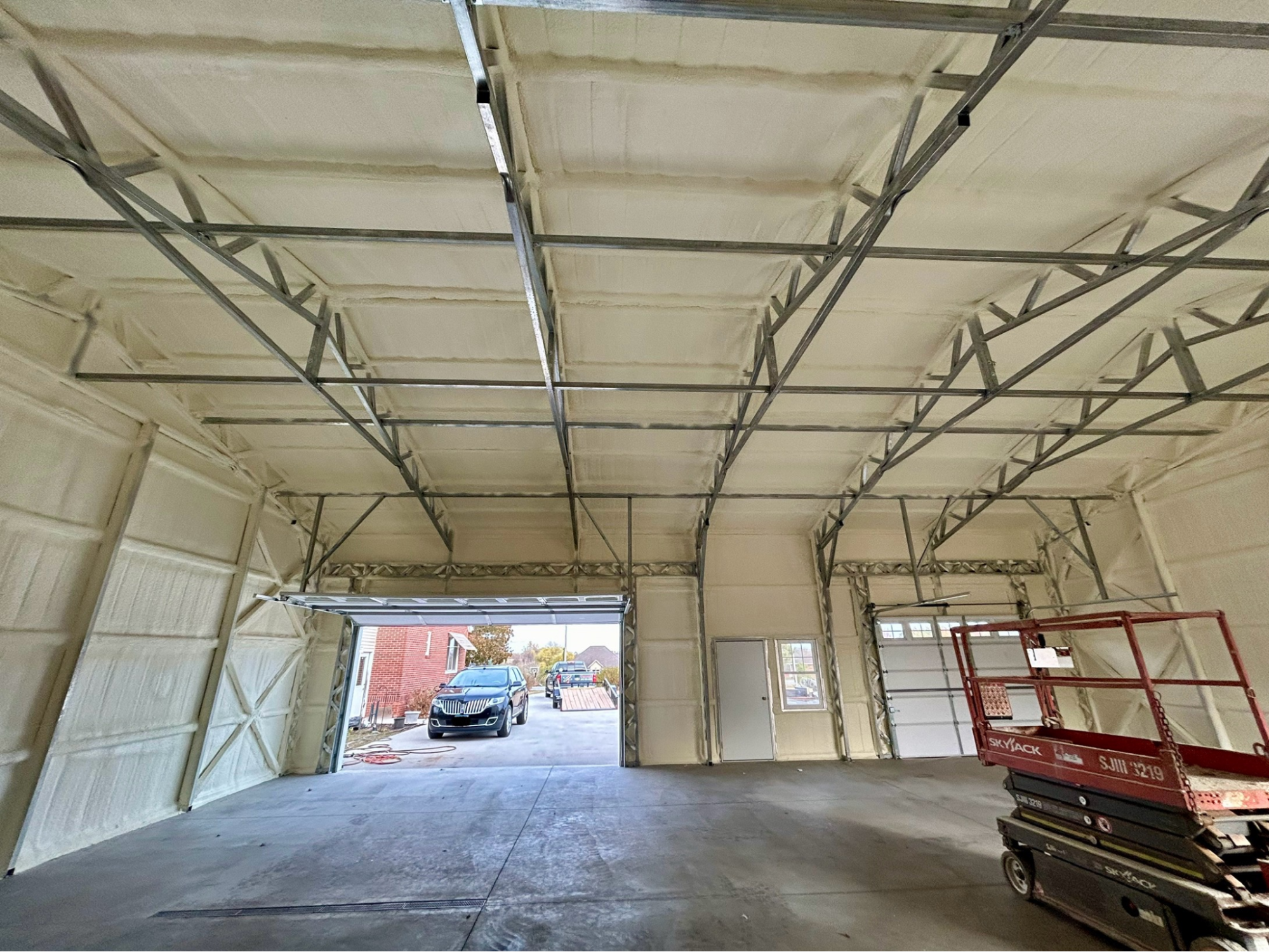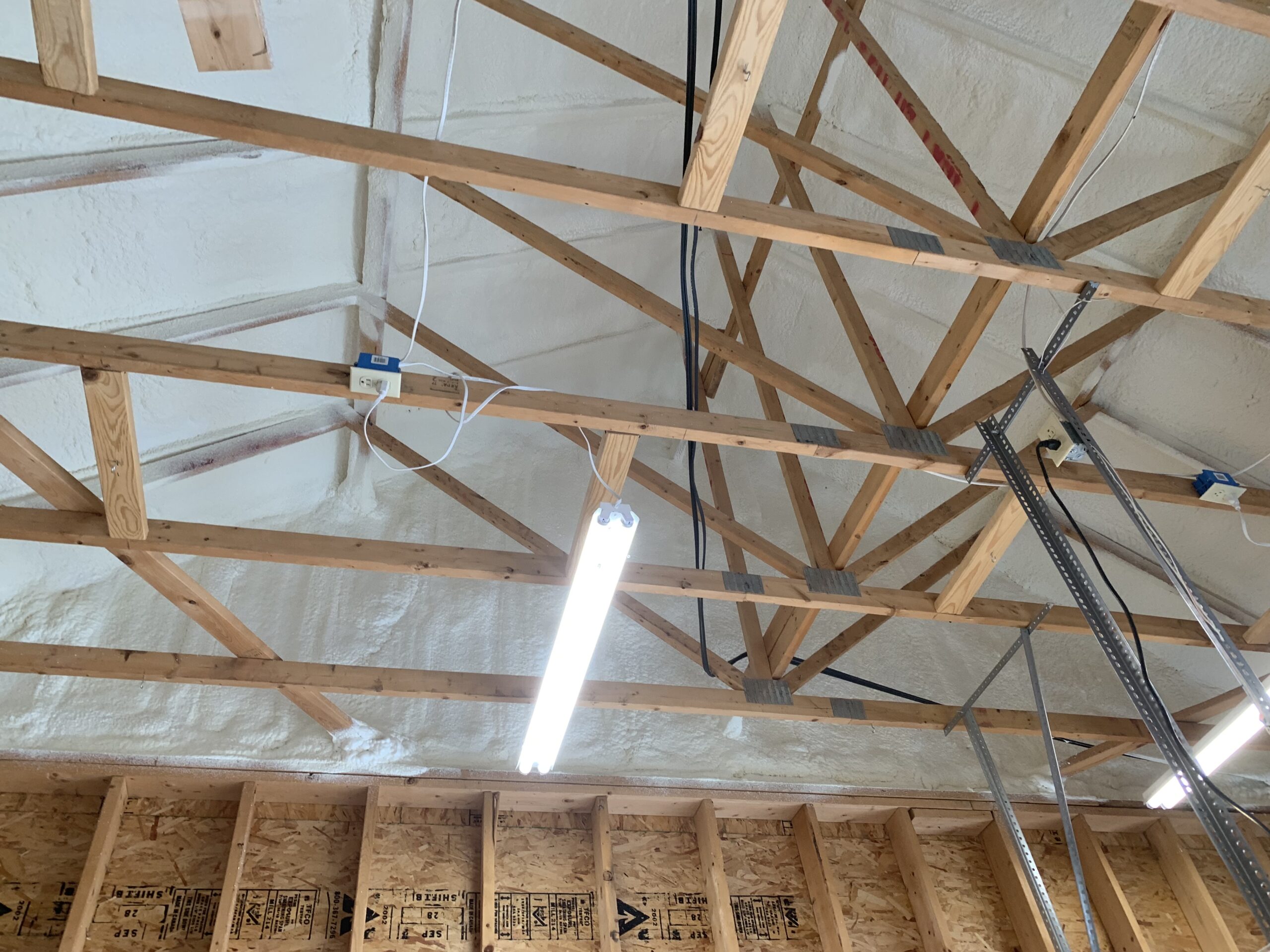
Choosing between blown-in insulation and spray foam feels like putting together a jigsaw puzzle when half the pieces are still in the box. We’ve walked alongside hundreds of Iowa homeowners who faced this same choice.
Here’s what we’ve learned: spray foam can slash your energy bills by 30% to 50%, but those higher upfront costs make many families pause and take a hard look at their budgets.
Our guide shows you exactly when blown-in insulation beats spray foam hands down. We cover the real cost factors, different home types, and what performance looks like years down the road. This helps you pick the right option for your unique situation. The answer might catch you off guard.
Key Factors for Choosing Insulation
Picking the right insulation for your home isn’t just about grabbing the first option you see at the hardware store. We’ve learned through years of Iowa installations that smart homeowners weigh several critical factors before making this important investment.
Cost Considerations
Cost plays a major role in choosing between blown-in insulation and spray foam. We’ve seen this decision point come up countless times during our Iowa projects. For a standard 2,000 square foot home, fiberglass insulation costs $4,000 to $6,000 for walls and ceilings. Spray foam jumps to $15,000 to $20,000 for the same coverage. That’s a significant difference that makes many homeowners pause and reconsider their options.
Larger homes face even bigger cost gaps. A 4,000 square foot home needs $10,000 to $12,000 for fiberglass installation. Spray foam costs balloon to $35,000 to $40,000 for the same project. The math is simple: spray foam runs 3 to 4 times more expensive than fiberglass per project. Per square foot, spray foam averages around $3 while blown-in insulation stays near $1.50. These numbers come straight from our job sites across Iowa.
The upfront savings with blown-in insulation can free up budget for other home improvements, but smart homeowners also consider long-term maintenance costs in their decision. Budget-conscious property owners often gravitate toward blown-in options for good reason. The lower initial investment leaves room for other home upgrades or repairs.
Blown-in insulation vs spray foam cost comparisons show clear winners for immediate affordability. Yet blown-in materials may require more maintenance over time, which adds to total ownership expenses. Smart planning considers both upfront costs and future maintenance needs for the best long-term value.
Energy Efficiency
While cost plays a major role in your decision, energy efficiency determines your long-term savings. Blown-in insulation can reduce energy bills by up to 25%, making it a solid performer for most homes. Spray foam takes efficiency to another level, delivering energy bill reductions of 30% to 50%.
Spray foam expands 30 to 60 times its volume to seal gaps, greatly reducing air leakage throughout your home. This expansion creates an air barrier that blown-in insulation simply cannot match. Air leaks account for significant energy loss, and spray foam addresses this problem head-on.
The efficiency gains compound with your HVAC system. Spray foam increases HVAC efficiency by reducing system runtime, which means your heating and cooling equipment works less to maintain comfortable temperatures.
Combining spray foam with upgraded windows may reduce energy bills by 40% to 70%. This combination creates a high-performance envelope that keeps conditioned air where it belongs, inside your home.
When Blown-In Insulation Is the Better Choice
Sometimes, blown-in insulation beats spray foam hands down, especially in certain situations. We’ve seen countless projects where homeowners made the smart choice by picking blown-in over spray foam, and their wallets thanked them later.
Retrofitting Existing Homes
Older homes present special challenges that make blown-in insulation the smart choice. We’ve worked on countless Iowa homes built before modern energy codes, and these properties often have irregular wall cavities, settled insulation, and hard-to-reach spaces.
Blown-in insulation fills every nook and cranny without tearing apart walls or ceilings. The installation process takes just a few hours compared to spray foam projects that require extensive preparation and cleanup.
Most retrofit projects focus on attic upgrades where blown-in insulation shines brightest. We can install blown-in insulation with minimal disruption to your daily routine, accessing attic spaces through small entry points.
The material flows around existing wiring, pipes, and ductwork like water finding its way downstream. This flexibility makes blown-in insulation better than spray foam for existing homes where structural elements can’t be moved or modified.
Budget-Friendly Projects
Budget-friendly projects often drive homeowners to choose blown-in insulation over spray foam. We see this decision daily in our Iowa work sites. Blown-in insulation costs about half the price of spray foam per square foot, making it the smart choice for tight budgets. Property owners can achieve solid energy efficiency improvements without breaking the bank.
Contractors appreciate this option because it delivers results while keeping project costs manageable. Smart homeowners know that effective insulation doesn’t have to drain your savings account. Fiberglass insulation works well for straightforward projects when we install it correctly**. Many builders select this material for budget-conscious upgrades because it provides reliable performance at a fraction of spray foam’s cost.
We’ve completed countless retrofit jobs where blown-in insulation delivered excellent results for homeowners watching every dollar. The material fills gaps effectively and creates a solid thermal barrier. Budget projects benefit most from blown-in insulation, especially in existing homes where cost remains the primary concern.
Property owners often discover they can insulate their entire attic space with blown-in material for what spray foam would cost in just one room. We’ve helped families reduce energy bills significantly using this cost-effective approach. The savings add up quickly, both in installation costs and monthly utility expenses. Blown-in insulation proves that quality home improvements don’t require premium prices.
Types of Insulation
Understanding the different home insulation types helps homeowners make smart choices for their specific needs. Each option brings distinct advantages, and knowing when to use blown-in vs spray foam insulation can save you thousands on your next project.
Attic Insulation
Attic insulation serves as your home’s first line of defense against energy loss. We see homeowners lose hundreds of dollars each year through poorly insulated attics, especially here in Iowa, where temperature swings can be brutal. Blown-in fiberglass works exceptionally well in attics because it fills every nook and cranny, creating a seamless thermal barrier.
The material settles into tight spaces around joists, wiring, and ductwork that traditional batts simply can’t reach. Most attics benefit from blown-in insulation over spray foam due to cost and accessibility factors. We can quickly increase your attic’s R-value with minimal disruption to your daily routine.
The installation process takes just a few hours, and homeowners can blow in fiberglass or install spray foam under roof decks, depending on their specific needs. Attic upgrades represent one of the most effective ways to reduce energy bills while improving year-round comfort throughout your home.
Spray Foam Insulation
Moving from traditional blown-in options, spray foam insulation takes a completely different approach to sealing your home. Made from polyurethane, this material expands to fill every crack and gap, creating an airtight seal that blown-in materials simply can’t match.
Closed-cell spray foam delivers impressive R-values of R6 to R7 per inch, while open-cell types provide R-3.7 per inch. The closed-cell version acts as a water-resistant vapor barrier and never sags or settles over time.
Professional installation requires specialized equipment and safety precautions, sometimes necessitating temporary home evacuation. This insulation can last 80 to 100 years with minimal maintenance, far outlasting blown-in alternatives and making it a long-term investment for reducing energy bills.
Fiberglass Insulation
Fiberglass insulation stands as one of the most common materials we install in homes across Iowa. This fluffy pink or yellow material comes in two main forms: batts that fit between wall studs and loose-fill that gets blown into spaces. The R-value sits at about fiberR3 per inch, making it a solid performer for most residential applications. Blown-in fiberglass delivers an R-value range of R-2.3 to R-4.3 per inch, depending on how dense we pack it and the quality of installation.
We see this variation affect performance significantly in real-world applications. Installation quality makes or breaks fiberglass performance in any home. Gaps around the edges create major problems, even small ones. A 4% edge gap can slash R-value effectiveness by 30%, which means higher energy bills for homeowners. We’ve seen this happen countless times on job sites where previous installers rushed the work.
Properly fitted fiberglass blocks air movement and maintains its insulating properties for decades. Poorly installed material leaves cold spots that show up clearly on thermal imaging cameras. Moisture poses the biggest threat to fiberglass insulation performance. Wet fiberglass loses its ability to trap air, which destroys its insulating power.
Mold growth becomes a serious concern in damp conditions, requiring complete replacement of affected material. The non-combustible nature of fiberglass provides excellent fire safety, while its sound-dampening qualities reduce noise between rooms. Budget-conscious property owners appreciate fiberglass because it costs less than spray foam while delivering reliable thermal performance for existing homes.
Comparing Lifespan and Maintenance Needs
Durability makes a huge difference in long-term insulation costs, and we’ve seen this reality play out across countless Iowa homes over the years.
Factor | Blown-In Insulation | Spray Foam Insulation |
Expected Lifespan | 20-50 years typical performance | 80-100 years with minimal maintenance |
Settling Issues | Sagging and settling can occur within 15 years | Closed-cell spray foam does not sag or settle |
Maintenance Schedule | May require a top-up within 10-20 years | Little maintenance required throughout lifespan |
Future Modifications | Easy access for electrical or plumbing changes | Not easily modified after installation |
Performance Consistency | Effectiveness decreases over time without maintenance | Maintains R-value throughout the entire lifespan |
Replacement Frequency | Partial replacement is needed every 15-25 years | One-time installation lasts multiple decades |
Blown-in materials work great for homeowners who plan shorter ownership periods. Many property investors choose blown-in options because they provide solid performance without the higher upfront investment. Spray foam wins the marathon but costs more at the starting line. Construction projects often favor blown-in insulation during initial builds.
Contractors know that future renovations will be simpler with loose-fill materials. Electrical upgrades become nightmares with spray foam installations. We’ve witnessed blown-in cellulose maintain effectiveness for 30+ years in well-sealed attics. Poor air sealing accelerates settling problems significantly. Moisture issues can reduce the blown-in lifespan to just 10-15 years in extreme cases.
Property owners planning long-term ownership should consider spray foam’s extended performance. Builders working on spec homes often choose blown-in for cost efficiency. Each situation demands different approaches based on specific project goals.
Conclusion
Choosing between blown-in insulation and spray foam comes down to your specific situation and budget. We’ve helped hundreds of Iowa homeowners make this decision, and blown-in fiberglass often wins for existing homes and cost-conscious projects.
Spray foam delivers superior performance but costs significantly more upfront. Your home’s age, your renovation plans, and your energy goals will guide you to the right choice. Contact our team at Precision Insulation & Coatings for a personalized assessment of your insulation needs.
FAQs
1. When is blown-in insulation better than spray foam for older homes?
Blown-in insulation works like a charm for existing homes because it slips into tight spaces without tearing up your walls. You can add it to attics, wall cavities, and crawl spaces without major renovation headaches.
2. Is blown-in insulation better than spray foam for budget-conscious homeowners?
Yes, blown-in insulation costs less upfront and gives you solid bang for your buck. While spray foam performs well, it can hit your wallet pretty hard.
3. What makes blown-in insulation the best insulation for existing homes with irregular spaces?
Blown-in insulation flows around pipes, wires, and odd-shaped areas like water finding its way downstream. It fills gaps that rigid materials simply can’t reach, making it perfect for retrofit jobs.
4. When should you choose blown-in over spray foam for environmental reasons?
Blown-in cellulose insulation often contains recycled materials, making it a greener choice. Plus, it doesn’t release chemicals during installation like some spray foam products do.