Have you noticed your heating bills getting higher every winter?
You’re not imagining it. Poor insulation is quietly draining about 25% of your energy costs right out through your walls, attic, and crawl spaces. That’s real money disappearing month after month.
Here’s the good news: fixing your insulation doesn’t have to be complicated. We are going to walk you through the exact areas that matter most in Iowa homes, the materials that actually work in our climate, and the simple steps that bring your bills back down.
So grab a cup of coffee, and let’s talk about how to keep more money in your pocket.
Understanding Home Insulation in Iowa
Iowa throws everything at your home. Brutal winters that freeze pipes. Humid summers that make your AC run nonstop. Those extreme temperature swings mean proper insulation becomes your best line of defense.
According to 2026 remodeling data based on U.S. Department of Energy estimates, heating and cooling systems account for roughly 56% of a home’s total energy use. But here’s what really matters: proper insulation reduces heat loss and can cut those specific costs by up to 20%. That translates to $300 to $500 in annual savings for an average Iowa home.
Your furnace and air conditioner simply work less hard when insulation does its job. We’ve installed spray foam and blown-in fiberglass insulation across hundreds of Iowa homes. The results show up fast. Homeowners see lower energy bills within weeks of completing their upgrades. The gap between good insulation and poor insulation can cost you hundreds of dollars every year.
Your walls, attic, and crawl spaces all need attention if you want maximum energy efficiency. Many Iowa homes built decades ago have insulation that’s settled, compressed, or just stopped working. Closed-cell and open-cell spray foam options provide superior air sealing compared to traditional materials.
Our team at Precision Insulation & Coatings conducts on-site insulation estimates to assess your specific needs and recommend solutions customized to your property. Getting a professional evaluation helps you understand exactly where your home loses energy and what improvements deliver the best return.
Key Areas to Improve Insulation
Attics
Your attic is where most heat escapes during Iowa winters. We specialize in attic insulation upgrades that stop this energy loss before it drains your wallet. Our team applies closed-cell and open-cell spray foam insulation to create an airtight seal that standard fiberglass batts simply can’t match. From our hands-on experience across Iowa, we’ve seen homeowners cut their heating costs significantly after upgrading their attic insulation.
The building science is straightforward. Better attic insulation means less conditioned air leaks out, so your furnace runs less often. Based on 2026 Iowa energy performance data and Climate Zone 5 guidelines, attics need a minimum thermal resistance rating of R-49 to meet optimal energy performance standards. That’s your target number. Ask any contractor you’re considering if they’ll hit R-49 or higher.
Air sealing your attic spaces is the step most homeowners miss. Gaps around pipes, electrical penetrations, and ductwork act like open windows. Warm air escapes through these openings into the cold void above your living spaces. We tackle this problem by combining air sealing with new insulation installation. We address both the gaps and the R-value deficiency in one project.
Walls
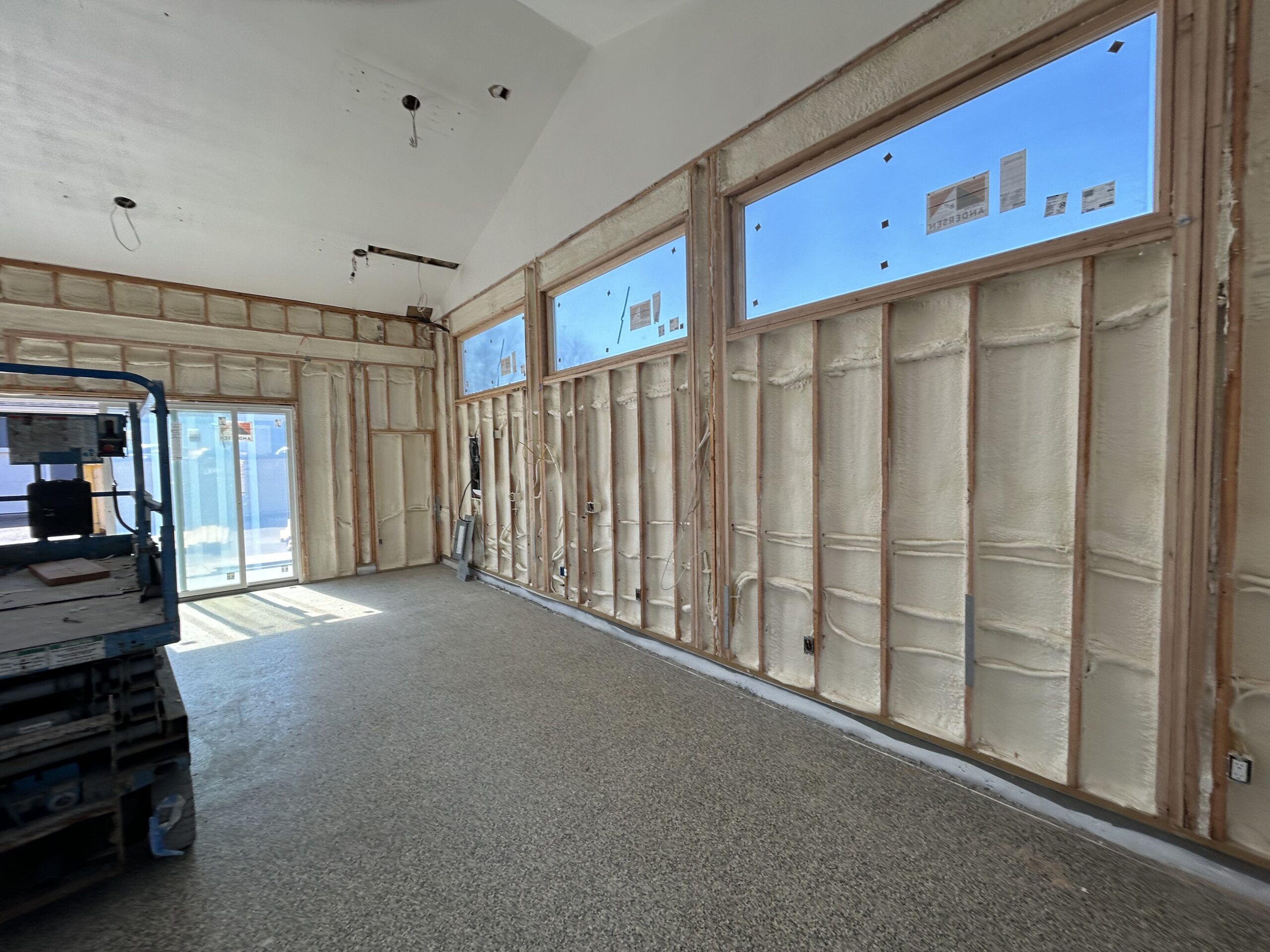
Your attic work sets the foundation, but walls represent the next critical frontier. Wall cavities trap heat loss like a leaky bucket loses water. Most Iowa homes built before the 2000s have little to no wall insulation at all. Spray foam insulation contractors in Iowa can inject closed-cell or open-cell spray foam directly into wall cavities through small access holes. This fills every gap and crack without disrupting your drywall.
The method stops air infiltration cold, which is where most energy waste occurs in residential spray foam insulation Iowa applications. We’ve sealed thousands of Iowa walls. The temperature consistency homeowners report afterward is remarkable. They simply stop feeling cold spots near exterior corners and windows. Existing walls present a different challenge than new construction.
You can’t easily access the cavity space without opening walls. Blown-in cellulose or fiberglass works well for retrofit situations. The material flows into wall cavities from the attic side or through exterior drilling. The investment pays back fast. Typically, within five to seven years, through lower heating and cooling costs alone.
Crawl Spaces
Crawl spaces sit below your home, tucked between the foundation and the first floor. Most homeowners forget about these areas, but they leak energy like a sieve. Cold air seeps in during winter. Warm air escapes in summer. Poor insulation in crawl spaces forces your heating and cooling systems to work overtime. You see this strain reflected on your energy bills each month.
We’ve found that crawl space insulation problems account for significant energy loss in Iowa homes. Crawl spaces are the hidden culprits behind high energy costs, and most property owners don’t realize how much they’re losing. Insulating crawl spaces requires removing old, deteriorated materials and sealing air leaks first. Moisture control matters here. The space must stay dry before installation begins.
Spray foam insulation works exceptionally well in crawl spaces because it seals gaps and creates an air barrier simultaneously. Fiberglass batts also perform adequately, though they don’t seal air leaks as effectively. Cellulose insulation offers another solid option for crawl space work. From our hands-on experience, crawl space projects deliver quick returns. Homeowners notice lower energy bills within the first heating or cooling season.
Best Insulation Materials for Iowa Homes
Spray Foam Insulation
Spray foam insulation stands out as one of the most effective solutions for Iowa homes facing harsh winters and unpredictable weather patterns. We apply both closed-cell and open-cell spray foam to create an airtight seal that stops heat loss before it starts. This material expands to fill every crack, crevice, and gap in your walls, attics, and crawl spaces. It leaves no room for drafts to sneak through.
Recent industry data shows that closed-cell spray foam delivers a high thermal resistance of roughly 6.5 to 7 per inch, whereas standard fiberglass batts only offer an R-value of about 2.2 to 2.7 per inch. That’s the hard math proving why spray foam works better. We’ve witnessed firsthand how spray foam transforms homes across Iowa. Energy bills drop significantly after installation.
The building science behind spray foam is straightforward. When you seal air leaks, your heating and cooling systems work less hard. Your wallet feels the difference. Your indoor comfort improves dramatically with spray foam insulation because temperatures stay consistent throughout your home. No more cold spots near windows or hot zones by the attic.
The material also acts as a moisture barrier, protecting your home from water damage and mold growth. That matters greatly in Iowa’s humid summers. Homeowners, property owners, and builders trust spray foam for new construction projects and existing home upgrades alike.
Cellulose Insulation
Cellulose insulation offers you a different advantage: affordability paired with solid thermal performance. Cellulose comes from recycled paper and cardboard, making it an environmentally conscious choice for Iowa homeowners who want to reduce their carbon footprint without breaking the bank. We specialize in cellulose insulation, bringing hands-on expertise to your attic upgrades and insulation retrofits across Iowa.
This material settles into wall cavities and attic spaces with impressive density. It fills gaps that other products might miss. Your cellulose insulation installation works best in existing homes where you need retrofits completed quickly. The material provides an R-value between 3.2 and 3.8 per inch, delivering real thermal resistance that keeps Iowa’s harsh winters at bay.
We can assess your home’s specific needs and can determine whether cellulose fits your property perfectly. Installation involves blowing the material into wall cavities and attic spaces. This process requires professional equipment and trained technicians. You’ll notice lower energy bills within weeks as cellulose fills voids that drafts once exploited.
Batt Insulation
Batt insulation offers a practical middle ground between cellulose and spray foam options for your Iowa home. This material comes in pre-cut rolls or blankets that fit standard wall cavities. Installation is straightforward for most spaces. Fiberglass batts work well in attics, walls, and crawl spaces throughout Iowa homes. Your contractor can install them quickly without the mess that spray foam creates.
We specialize in batt insulation among other insulation types, applying building science principles to maximize energy efficiency across residential and commercial projects. The material performs reliably in Iowa’s cold winters and humid summers. It helps you reduce heat loss significantly. You’ll appreciate the cost-effectiveness compared to spray foam solutions.
Batt insulation works by trapping air pockets within its fibers. This slows heat transfer through your walls and attic spaces. Your home stays warmer in winter and cooler in summer when you install quality batts with proper coverage. Our professionals assess your current insulation levels, identify gaps, and recommend the right R-value for your specific situation.
Installing batts correctly means no compression, no gaps between pieces, and no shortcuts that compromise performance. Your energy bills drop noticeably once your home has adequate batt insulation throughout all critical areas.
Simple Steps to Improve Home Insulation
Remove Old Insulation
Your first move involves getting that aged insulation out of the way. Old insulation loses its R-value over time, especially in Iowa’s harsh winters and humid summers. You want to pull out deteriorated batts, compressed cellulose, or whatever material sits in your attic or walls right now. This step matters because new insulation performs best on a clean slate.
Our team has seen countless homes where old, settled insulation blocked proper air sealing and installation of better materials. Removing it opens the door to real energy savings and improved home comfort. Safety comes first when tackling this project. You should wear protective gear like respirators, gloves, and long sleeves to shield yourself from dust and potential contaminants.
Proper ventilation in your work area keeps you healthy while you labor. Take your time sorting through the space. Bag up the old material carefully and dispose of it according to local guidelines. Once you clear out the old insulation, you create the perfect foundation for installing spray foam insulation, cellulose, or quality batt insulation that actually works.
Air Seal Insulation Spaces
Gaps and cracks in your home allow conditioned air to escape. This means your heating and cooling systems work harder than necessary. Air sealing targets these problem areas and stops heat loss before it drains your wallet. We apply building science principles to identify and seal every leak in your insulation. This process reduces energy waste significantly and lowers your monthly bills fast.
According to the American Council for an Energy-Efficient Economy (ACEEE), tightening a home’s thermal envelope and properly sealing problem areas like pipe penetrations, rim joists, and attic hatches can save a typical homeowner about 40% a year on overall energy costs. That’s a massive number. It proves that the prep work is just as important as the insulation itself.
Sealing insulation spaces involves finding air leaks around electrical outlets, pipe penetrations, ductwork connections, and rim joists. Technicians use specialized materials to close these gaps completely. The work improves indoor comfort by maintaining consistent temperatures throughout your home. It eliminates those cold spots that drive you crazy.
Better air sealing also enhances your air quality by controlling moisture and preventing outside pollutants from entering living spaces. Homeowners receive free on-site estimates for air sealing services.
Install New Insulation with Care
Your installation success depends on proper technique and attention to detail. Our professionals know that spray foam insulation and blown-in fiberglass require different handling methods. Spray foam expands as it cures, so installers must apply it in controlled layers to avoid overfilling cavities.
Blown-in cellulose and fiberglass need consistent density throughout attics, walls, and crawl spaces to perform at peak efficiency. Poor installation creates gaps, compression, and settling that slash your insulation’s R-value. Your energy bills spike when insulation sits unevenly or leaves air pockets exposed. Our team follows building science principles to guarantee every inch works hard for your home.
Your attic insulation upgrade demands precision from start to finish. Installers seal air leaks before laying down new material. Unsealed spaces let conditioned air escape regardless of insulation thickness. Proper coverage means no bare spots near eaves, vents, or electrical boxes. Your crawl space insulation also requires careful placement against rim joists and foundation walls.
Benefits of Better Insulation
Lower Energy Bills
Your heating and cooling costs represent a significant portion of your monthly energy expenses. Improving home insulation directly tackles this problem. We specialize in home insulation services that reduce heat loss. This means your furnace and air conditioner work less hard throughout the year. Attic insulation upgrades help prevent warm air from escaping in winter and cool air from leaking out in summer.
Spray foam insulation and cellulose insulation both seal air gaps that traditional batt insulation misses. By adhering to building science principles, you maximize insulation effectiveness and watch your energy bills drop noticeably. Your long-term energy efficiency improves dramatically once you address insulation problems in crawl spaces, walls, and other vulnerable areas.
Most homeowners see measurable savings within the first heating or cooling season after proper installation. Effective insulation techniques improve indoor comfort while reducing the strain on your HVAC system. You avoid the frustration of uneven temperatures from room to room. Your wallet stays fuller because you’re not throwing money away through poor insulation.
The investment in quality materials and professional installation pays for itself through lower energy costs year after year. As of 2026, Iowa utility providers like MidAmerican Energy and Alliant Energy offer active rebates, while federal tax credits allow you to claim up to $1,200 annually through 2032. These incentives dramatically offset the upfront cost of your insulation upgrade.
More Consistent Indoor Temperatures
Better insulation transforms how your home feels throughout the year. Improved insulation reduces heat loss. This means your living spaces stay warmer in winter and cooler in summer without wild temperature swings. Our professionals know that consistent indoor temperatures enhance comfort in homes and businesses. Upgraded attic insulation can further stabilize temperatures in living spaces.
Insulation retrofits improve temperature regulation in existing homes. The difference shows up fast. Building science proves that stable indoor climates reduce the strain on your HVAC system. This means it runs less often and works more efficiently.
You’ll notice fewer temperature fluctuations between rooms, hallways, and different levels of your house. This stability keeps your home feeling balanced and comfortable, no matter what Iowa’s weather throws at you outside.
Improved Air Quality
Your home’s air quality improves dramatically when you seal air leaks and upgrade insulation. Better insulation blocks outdoor pollutants from sneaking into your living spaces through cracks, gaps, and poorly insulated walls. Our team has witnessed firsthand how homes with superior insulation experience fewer drafts that carry dust, pollen, and other contaminants indoors.
You breathe easier when your insulation system works as a barrier against unwanted outdoor air infiltration. This protection matters most during Iowa’s harsh winters and humid summers, when outdoor air quality fluctuates significantly. Your family’s respiratory health gets a real boost from improved insulation performance. Reduced drafts mean fewer pollutants circulate through your rooms, hallways, and bedrooms.
Spray foam insulation and cellulose insulation both excel at sealing tight. They prevent that constant exchange of stale outdoor air with your fresh indoor environment. The investment pays dividends beyond lower energy bills.
You’re actually creating a healthier living space for everyone under your roof. Contractors and builders recognize this benefit as a major selling point for properties with upgraded insulation systems throughout attics, walls, and crawl spaces.
Conclusion
Better insulation transforms your Iowa home into an energy-efficient machine that works for you, not against you. We bring real-world expertise to every project, applying building science principles that actually lower your monthly bills.
Spray foam insulation, dense-pack fiberglass, and proper air sealing create thermal barriers that keep your home comfortable year-round. Contact Precision Insulation & Coatings now to discover exactly how much you can save.
Stop throwing money away on heating and cooling costs. Start living smarter today.
FAQs
1. What is the fastest way to lower energy bills through better insulation in Iowa?
Start by upgrading your attic to meet Iowa’s current R-49 insulation code requirement, as heat escapes through the roof faster than anywhere else. Adding quality blown-in fiberglass or spray foam can cut your heating costs by up to 30 percent during our freezing winters. You can also quickly seal air leaks around windows and doors with simple weatherstripping to see an immediate difference.
2. Which areas of my Iowa home need insulation the most?
Your attic always needs attention first, followed closely by exterior walls and your basement, which Iowa building codes now require to have at least R-15 continuous insulation.
3. Can I improve my home’s insulation myself, or do I need a professional?
Simple weekend projects like caulking gaps and adding door sweeps are easy ways you can make a real difference yourself. For bigger upgrades like spray foam or blown-in wall insulation, hiring a professional ensures you achieve a strict Grade I installation, which prevents costly HERS rating penalties and failed code inspections.
4. How much money will better insulation actually save on my energy bills?
Most homeowners save between 15 and 30 percent on heating and cooling costs, putting roughly $200 to $600 back in your pocket every single year. Plus, local utility providers like Alliant Energy and MidAmerican Energy frequently offer instant discounts and custom rebates that help cover the initial cost of your efficiency upgrades. Your house gets more comfortable right away, and the improvements easily pay for themselves over time.