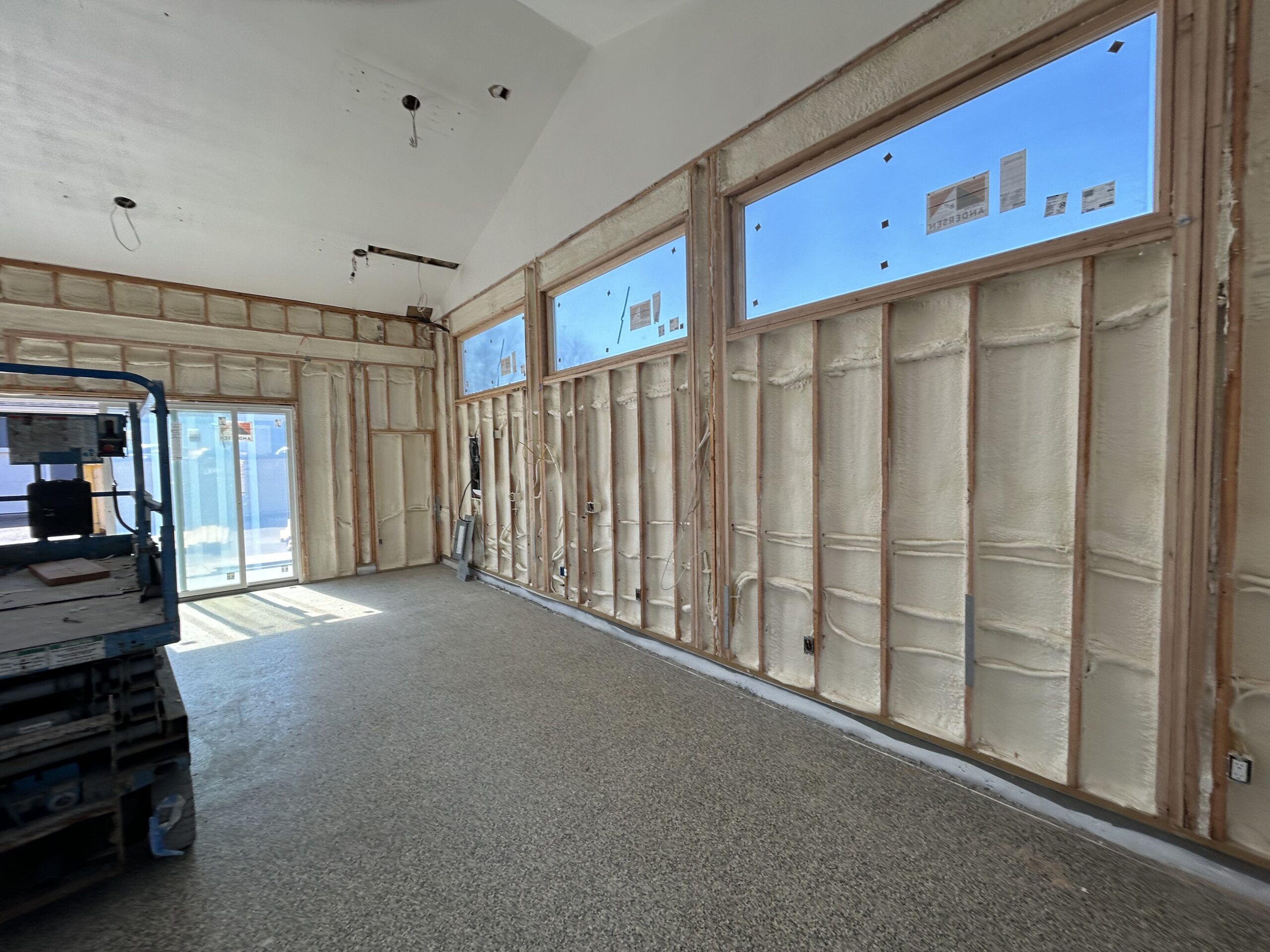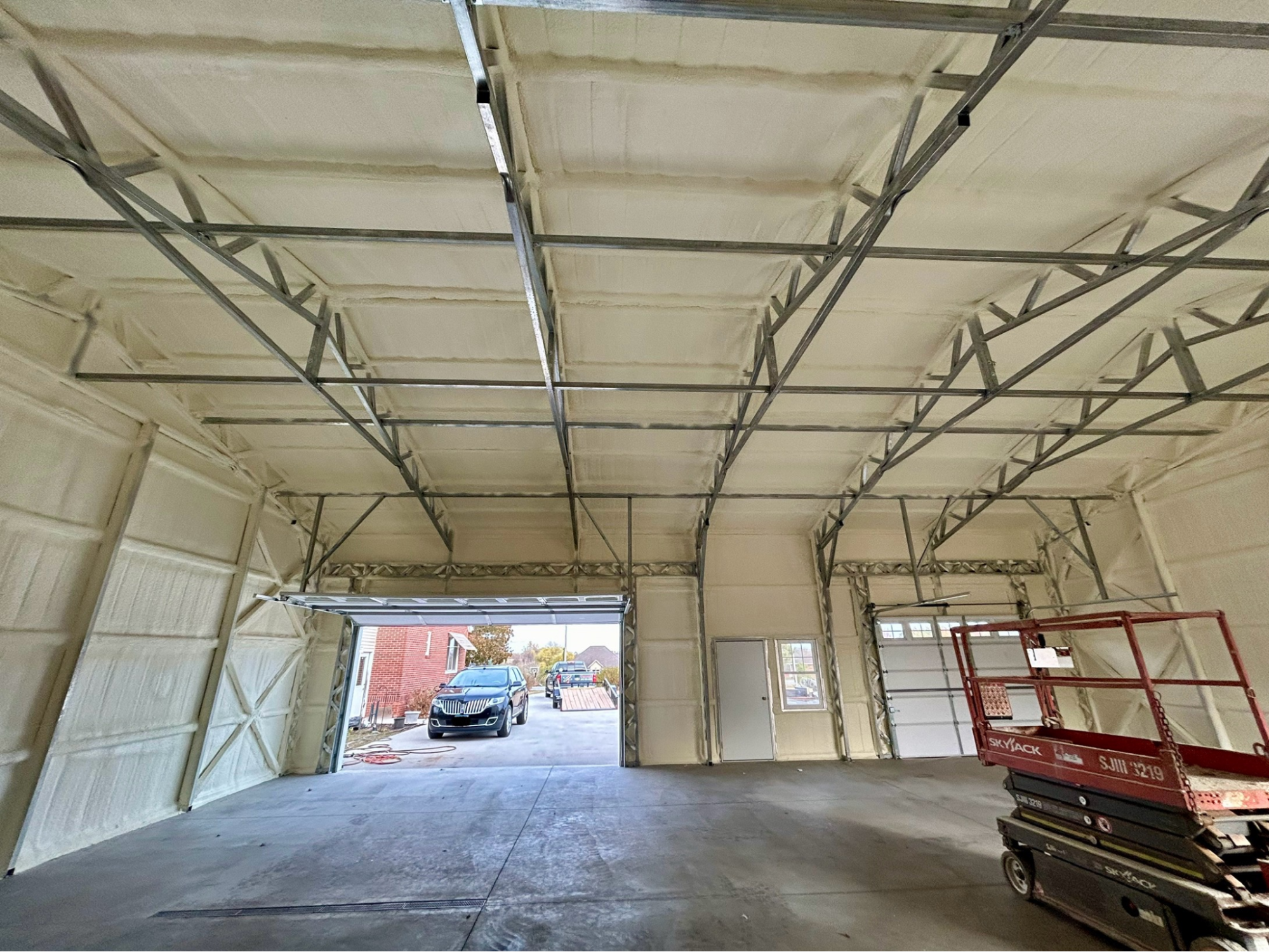
You know an interesting fact about pole barn posts? They act as quiet heroes by supporting the roof, handling heavy weather, and carrying the building’s load throughout the year. Then one day a screwdriver sinks into the wood at ground level like a spoon into pudding. Awkward.
You may think insulation may help, but the twist is that it cannot solve every moisture problem. Spray foam can help control condensation on steel by limiting warm, humid air from reaching cold metal surfaces. It cannot protect a wooden post that remains exposed to wet soil. Ground moisture needs to be addressed separately before it causes further wood damage.
Hire a professional pole barn insulation contractor in Iowa to find out the real cause of the problem. And the best part is that each one of them is preventable.
In this blog, we will discuss whether spray foam helps in protecting pole barn posts or not. So, let’s begin reading now!
Different Moisture Problems Need Different Fixes
Wood decay needs three things together: oxygen, moisture, and temperatures above freezing. Remove either one, and the process can break down. Pole barns can take on moisture in two very different ways.
The first source comes from below. Soil moisture can move into the wood and keep the ground-line area damp. Preservative treatment can slow decay, but its protection is not permanent. With the passage of time, exposure and moisture can reduce its effectiveness.
The second source comes from the air. Condensation occurs when humid air reaches a surface colder than its dew point. Metal panels can cool quickly, making steel roofs and walls prone to condensation. Water droplets can then collect on girts, purlins, exposed post surfaces, and items stored underneath.
| Moisture source | Where it hits | Spray foam’s role |
|---|---|---|
| Wet soil at the ground line | Buried post base and grade zone | None |
| Condensation on metal panels | Girts, purlins, upper posts, stored items | Strong |
| Humid air leaking into cavities | Wall framing and post faces | Good, through air sealing |
| Roof or siding leaks | Wherever the water lands | Limited, and it can conceal them. |
How to Protect Posts From Ground Moisture
Spray foam does not reach below the floor line. Longevity underground comes from the post itself and the site around it.
Treatment level matters most. UC-4B is the heavier, ground-contact rating. Lumber sold as general use, often labeled UC-4A, carries a lighter treatment. Laminated posts are treated all the way through, while solid timbers may not be fully penetrated.
Drainage matters nearly as much. Water that pools around the base keeps the wood wet and keeps decay organisms active. Grading away from the building costs little compared with replacing a column.
Where Spray Foam Does Protect the Structure
Spray foam is very beneficial when moisture comes from the air. Along with insulation, closed-cell spray foam bonds to metal and wood and seals air leaks, which reduces condensation chances.
One post-frame supplier describes two inches of closed-cell foam under a steel roof as an effective thermal break. The foam is installed around the space between purlins and trusses. Actual performance can vary based on the building design, ventilation, and installation quality
Open-cell foam behaves differently. It lets moisture pass through, and that vapor can condense against steel cladding. Installers disagree on where open-cell fits. Many specify closed-cell against metal and reserve open-cell for interior layers.
Homeowners weighing pole barn insulation in Iowa often find both products offered. The building’s use should decide. A heated shop, a livestock barn, and a machinery shed carry very different humidity loads.
How Foam Compares With Other Insulation
Moisture behavior separates the common materials more than R-value does. This comparison shows the pattern for metal-clad pole barns:
| Material | Moisture behavior | Air sealing |
| Closed-cell spray foam | Resists water and vapor, bonds to metal | Yes. |
| Open-cell spray foam | Let vapor pass; it can condense on steel. | Yes. |
| Fiberglass batts | Can absorb moisture and hold it | No |
Fiberglass can work when the building also has a dependable air and vapor strategy. Without one, wet batts pressed against posts and girts create the very conditions that rot wood.
Ventilation Still Matters
Foam doesn’t replace airflow. A conditioned barn with a flat ceiling often traps warm, moist air in the attic space above. Soffit intake and a vented ridge give that air somewhere to go.
Sealing the roof deck with foam changes the ventilation plan, so the two decisions belong together. A pole barn insulation contractor and property owners should consult and review both before work begins.
The Cases Where Foam Makes Things Worse
Closed-cell foam resists liquid water and vapor. Yet that strength does not make the wood immune to moisture.
- A roof or siding leak behind the foam can stay hidden and keep framing wet.
- Wet wood sprayed over may hold that moisture instead of drying out.
- Poor application leaves gaps where warm air still reaches cold panels.
- Decayed posts covered in foam are much harder to inspect later.
How Foam Goes On Around Posts
Preparation drives the result. Surfaces must be clean, dry, and free of loose debris. Interior temperature and humidity should be stable so the foam adheres and cures properly. Crews then spray in passes, building thickness gradually. Around posts, the goal is a continuous seal where posts meet girts, siding, and the slab. Gaps there let humid air reach cold steel. Whether foam should touch the lowest section of a post is a question for the installer and the building’s designer. Grade-level wood needs to stay inspectable.
Why Iowa Barns Face a Wider Temperature Gap
Iowa winters push steel roofs far below the temperature of a heated interior. That gap is the condition condensation needs. Add humidity from animals, washdowns, or vehicles, and drips become routine.
Uninsulated buildings suffer the most. Condensation in bare pole barns can lead to rust, mold, and rot in nearby wood. Fiberglass can soak up that moisture and hold it against the framing.
Farm and commercial owners share this problem. Commercial spray foam insulation projects, such as equipment storage and workshops, follow the same moisture logic as a private barn. Metal building insulation services in the state usually start by addressing the roof, since that surface sweats first. Walls follow, along with rim areas and door openings, where air leaks concentrate.
New Builds and Existing Barns Need Different Plans
A new build offers the best chance to get everything right. Specify UC-4B or laminated posts, plan drainage before the first hole is dug, and decide on the insulation system early. Pole barn insulation projects are easiest to plan on paper, before the shell is closed in.
Existing barns start with diagnosis. Age, roof condition, and past leaks all shape the plan. A barn with soft posts needs structural repair before any insulation discussion. One with sound posts and a sweating roof is a strong candidate for foam.
Shops and Commercial Buildings Ask the Same Questions
Shops, storage buildings, and small commercial sites carry added pressure. Condensation drips damage equipment and inventory. Commercial spray foam insulation buyers should ask how a quote addresses moisture, not only thickness.
Metal building insulation services ought to include a moisture assessment before any spraying. References from similar buildings help too. An insulation contractor Des Moines firms hire for warehouse work may or may not know post-frame details. So, it is your responsibility to ask them directly.
Choosing a Pole Barn Insulation Contractor Iowa Owners Can Trust
Experience with post-frame buildings is very essential. Metal panels, open spans, and exposed framing behave differently from a sheathed house wall. A good estimator asks how the building is used before naming a product.
The following questions can be asked to check their credibility:
- Will closed-cell or open-cell foam go against the metal, and why?
- How will the crew check for roof leaks before spraying?
- What moisture level is acceptable in the wood?
- How thick will the layer be on the roof and walls?
- Will ventilation stay in place above a ceiling if one exists?
Owners near the capital can expect the same standards from an insulation contractor Des Moines businesses use. Rural buyers deserve the same level of detail. Any spray foam insulation installer should also explain what the foam won’t do. Honest answers about limits signal real experience.
Signs the Insulation Is Working
Watch the building through one full winter. Dry surfaces tell the story.
- No drips on floors, equipment, or stored goods
- No frost on the underside of the roof
- No rust streaks running from screws or seams
- Posts and girts that stay dry to the touch
Photograph the roof underside before the job so later comparisons are easy. Ask the spray foam insulation installer whether a follow-up visit is available after the first winter. Posts at grade still need periodic checks. Foam changes the air, not the soil.
What Barn Owners Should Take From This
Spray foam protects the upper structure from condensation and humid air. It does nothing for buried post bases, which depend on proper treatment, drainage, and inspection. Treat the two problems separately, and neither gets overlooked. Both problems are fixable when caught early.
Start with a screwdriver at the ground line and a look at the roof underside after a cold night. Those two checks show which moisture problem exists and how urgent it is. A pole barn insulation contractor Iowa owners hire should confirm the findings before quoting.
Owners who want an outside assessment can contact Precision Insulation and Coatings for more professional services. Contact us to get a free estimate.
Frequently Asked Questions
Q1. Can spray foam stop pole barn posts from rotting underground?
No. Foam applied to walls and roofs doesn’t reach buried wood. Underground longevity depends on ground-contact treated posts, good drainage, and periodic inspection at the ground line rather than on interior insulation.
Q2. Is closed-cell or open-cell foam better against metal panels?
Closed-cell is the common choice directly against steel because it resists moisture and bonds to the panel. Open-cell lets vapor pass and can allow condensation. Installers differ, so ask about the reasoning for your building.
Q3. Should posts be dry before foam is applied?
Yes. Wood sprayed while wet may hold that moisture instead of drying out. A careful installer checks moisture content first, fixes any leaks, and lets damp framing dry before covering it.
Q4. Can closed-cell foam hide a roof leak?
It can. Because closed-cell foam resists liquid water, a leak behind it may stay unseen while framing stays wet. Repairing leaks before spraying and watching for stains afterward reduces that risk.
Q5. How can I tell whether a post is already decaying?
Probe the wood at grade with a screwdriver. Soft, stringy fibers suggest decay. Dark discoloration at the base, shifting posts, or standing water nearby are also warning signs worth investigating early.