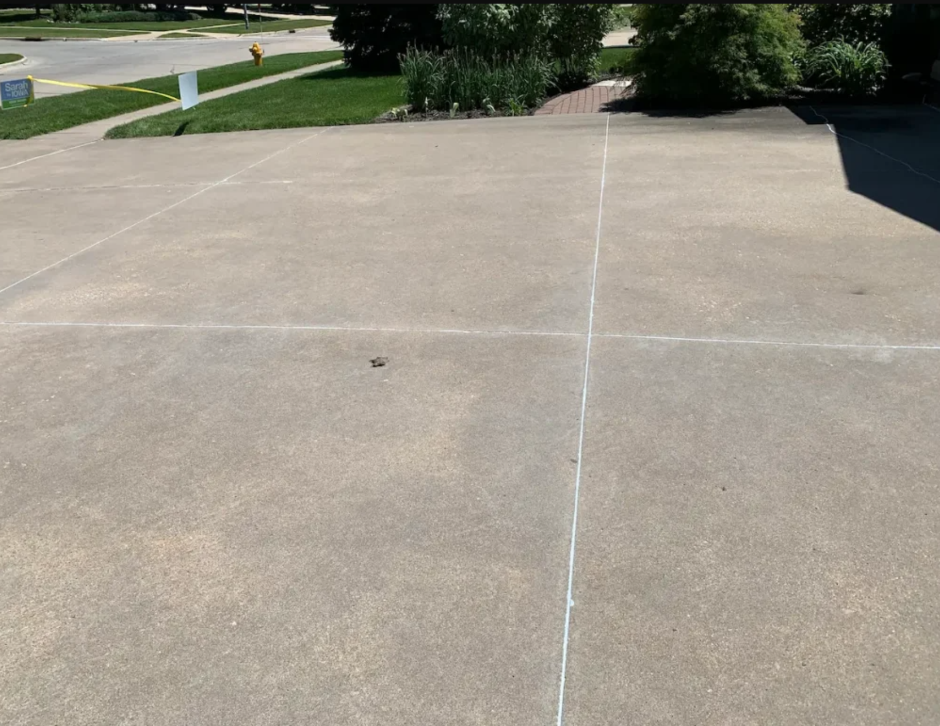
If a driveway starts sinking, leaning, or developing cracks, the damage usually will not go away on its own. The situation can get worse when water freezes and melts. Heavy vehicles, such as trucks or SUVs, put extra pressure on the driveway and can increase the damage.
Now, the question arises: how to get rid of this problem? With spray foam? Yes, you can, but with certain limits. Injected polyurethane foam can raise a sunken slab and firm up the soil below, but it cannot rebuild concrete that has already crumbled.
Homeowners researching options for concrete leveling in Iowa generally want a straight answer before spending anything. So, this blog post has been created to explain what foam does well, where it falls short, and how to decide.
Let’s begin reading now!
Foam Can Lift Concrete, but Not Repair It
Many driveway problems begin in the soil underneath the concrete. The soil can settle, wash away, or become compressed. When that happens, the concrete above it can sink. Polyurethane foam can help solve this problem. The foam is injected underneath the slab, where it fills empty spaces and lifts the concrete back toward its original position.
Cracks are a separate issue. If a crack happened because the concrete settled, lifting the slab may reduce the crack. However, if it is caused by shrinking concrete, freezing damage, or normal surface wear, it may remain and need to be sealed.
Why Iowa Concrete Sinks in Winter
Water is one of the main causes of sinking concrete. It can get underneath the slab, freeze, and expand. When it melts, the soil can become loose and leave empty spaces beneath the concrete. Repeated freezing and thawing can make these spaces larger, causing the slab to sink.
Poorly packed soil can make the problem happen faster. Downspouts that release water next to the driveway can also wash out the soil. If you only lift the concrete without fixing the drainage problem, the slab may sink again.
How Foam Lifting Works, Step by Step
The process is quicker and less invasive than replacement. The sequence below is followed:
- Crews drill small holes through the slab, about 5/8 inch wide.
- Injection ports go into the holes, and two-part polyurethane is pumped through them.
- The foam expands, fills voids, and compresses loose soil beneath the slab.
- Operators watch the slab rise and stop once it matches the surrounding concrete.
- Crews patch the holes, and the surface is ready for use soon after.
Manufacturers report traffic-ready surfaces in as little as 15 minutes, but it may vary due to the product and the conditions.
Do you know an interesting fact? You may think that it is something related to pricing, but that’s not right. So, what is it? It is the fact that, in insulating attics and walls and in concrete lifting, different foams are used. Both are made using polyurethane chemistry, but lifting foam is specially designed to expand and become strong enough to support concrete.
So, if someone searches for “spray foam insulation near me” on the web, they might also see companies that offer concrete lifting. Because both services use polyurethane-based foam.
When Replacement Is the Smarter Move
Foam lifting can be a great option when the concrete slab is still in fairly good condition. And if you are facing the following situations, you have to choose replacement over it:
- The slab has broken into many loose pieces.
- The surface is flaking or crumbling across large areas.
- Soil washout is severe and keeps returning.
- The concrete is too thin or deteriorated to carry vehicle loads.
If you want to determine whether lifting will work in your driveway or not, you can hire a trustworthy concrete leveling contractor. They will suggest the best solution after inspecting the damaged concrete.
Foam, Mudjacking, and the Cost Question
Mudjacking pumps a cement-based slurry under the slab through larger holes. Foam lifting uses smaller holes and weighs much less. Published sources report slurry holes ranging from about 1 to 3 inches.
The initial costs of foam are generally higher than slurry. But do you know an interesting fact? Both these options are less expensive than removing and replacing an entire driveway. The cost of concrete leveling depends on the slab size, lift height, and site access. Prices found through a concrete leveling near me search rarely reflect a specific slab’s condition.
Sources differ when discussing durability. Some say foam lasts longer because it does not absorb water. Others believe soil conditions and drainage have a greater impact than the material itself.
Both views have merit. Ask the contractor about the expected lifespan and get the warranty terms in writing before approving the work.
Foam and Mudjacking Compared at a Glance
| Factor | Polyurethane foam | Mudjacking |
| Typical hole size | About 5/8 inch | Roughly 1 to 3 inches |
| Material weight | Light | Heavy slurry |
| Return to traffic | Often minutes to an hour | Hours to a couple of days |
| Water absorption | Resists absorbing water | Slurry can be porous. |
| Upfront cost | Usually higher | Usually lower |
Figures vary by manufacturer and contractor. Confirm specifics in your written quote.
Driveways Aren’t the Only Slabs That Sink
Loading docks, parking aprons, and warehouse entries settle for the same reasons. Downtime costs money there, so a quick return to service matters. A commercial insulation company Iowa property managers already trust may offer slab lifting too. Off-hour scheduling is worth requesting from any commercial insulation company Iowa owners consider.
New driveways can also settle within a few seasons when backfill wasn’t compacted well. An insulation contractor for Builders Iowa projects may also lift slabs. Builders handling those callbacks want predictable scheduling and clear documentation. Ask any insulation contractor for Builders Iowa projects how warranty repairs are scoped and priced.
Choosing a Contractor You Can Question
Searches for concrete leveling near me bring up mudjacking crews, foam specialists, and general concrete firms. Companies advertising spray foam insulation near me may not lift concrete at all, so ask directly.
You can ask the following questions to check their credibility:
- Which lifting method fits my slab, and why?
- How will you address drainage around the driveway?
- What does the warranty cover, and for how long?
- Can you show proof of insurance and licensing?
Anyone weighing an insulation contractor Des Moines residents can ask which lifting method applies. Before hiring any insulation contractor Des Moines offers, request proof of coverage in writing.
Your Next Step Starts With an Inspection
Foam can lift a sunken driveway, fill voids, and delay or avoid replacement. It won’t fix crumbling concrete or unresolved drainage. Sound slabs with settlement are the best candidates.
Homeowners comparing concrete leveling Iowa providers should ask about method, warranty, and drainage fixes. To have a slab evaluated, contact Precision Insulation and Coatings. Request a free estimate today!
Frequently Asked Questions
Q1. Can spray foam insulation fix a cracked driveway?
Not exactly. Insulation foam isn’t designed for lifting. Injected rigid polyurethane can raise settled slabs and may close some settlement cracks, but it won’t repair crumbling, shrinkage, or freeze-damaged concrete. A contractor should inspect before recommending any method.
Q2. How long before I can drive on a foam-lifted driveway?
Manufacturers report traffic-ready surfaces in as little as 15 minutes. Actual timing depends on the product, weather, and slab size. Mudjacking slurry usually needs longer, so confirm the timeline with your contractor before scheduling vehicles.
Q3. Is foam lifting cheaper than replacing a driveway?
Usually, yes, though prices vary. Lifting avoids demolition, hauling, and new concrete. Foam often costs more than mudjacking, so request written quotes for each method and compare warranty terms alongside the numbers.
Q4. Will the slab sink again after lifting?
It can, if the underlying cause remains. Poor drainage, washed-out soil, or continued moisture problems may cause new settling. Fixing water flow near the driveway improves the odds that the repair lasts.
Q5. Does lifting leave visible marks on the concrete?
Small injection holes get patched afterward. Foam methods use roughly 5/8-inch holes, smaller than typical mudjacking holes. Patches may still show slightly, especially on colored or stamped concrete, so ask to see examples.