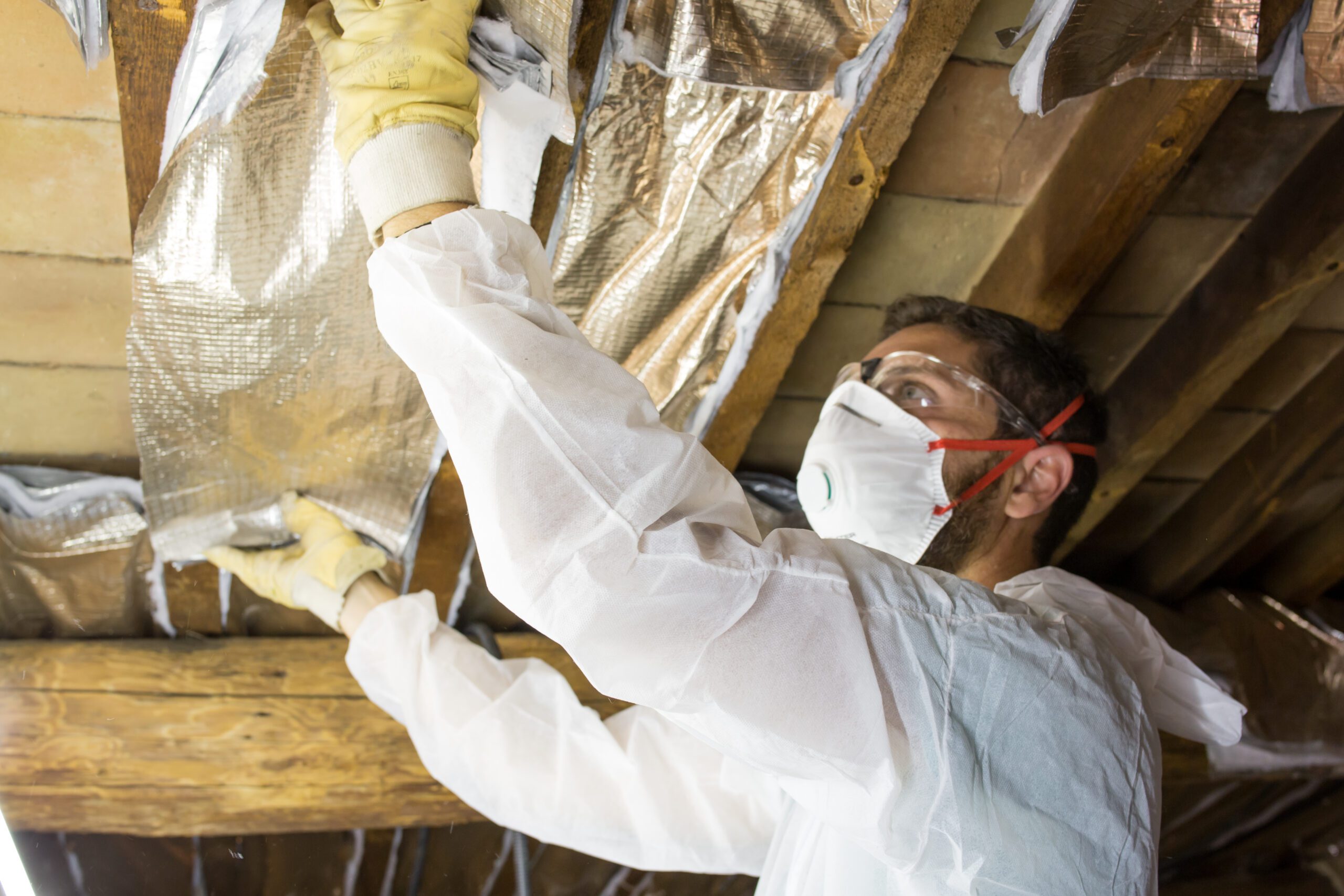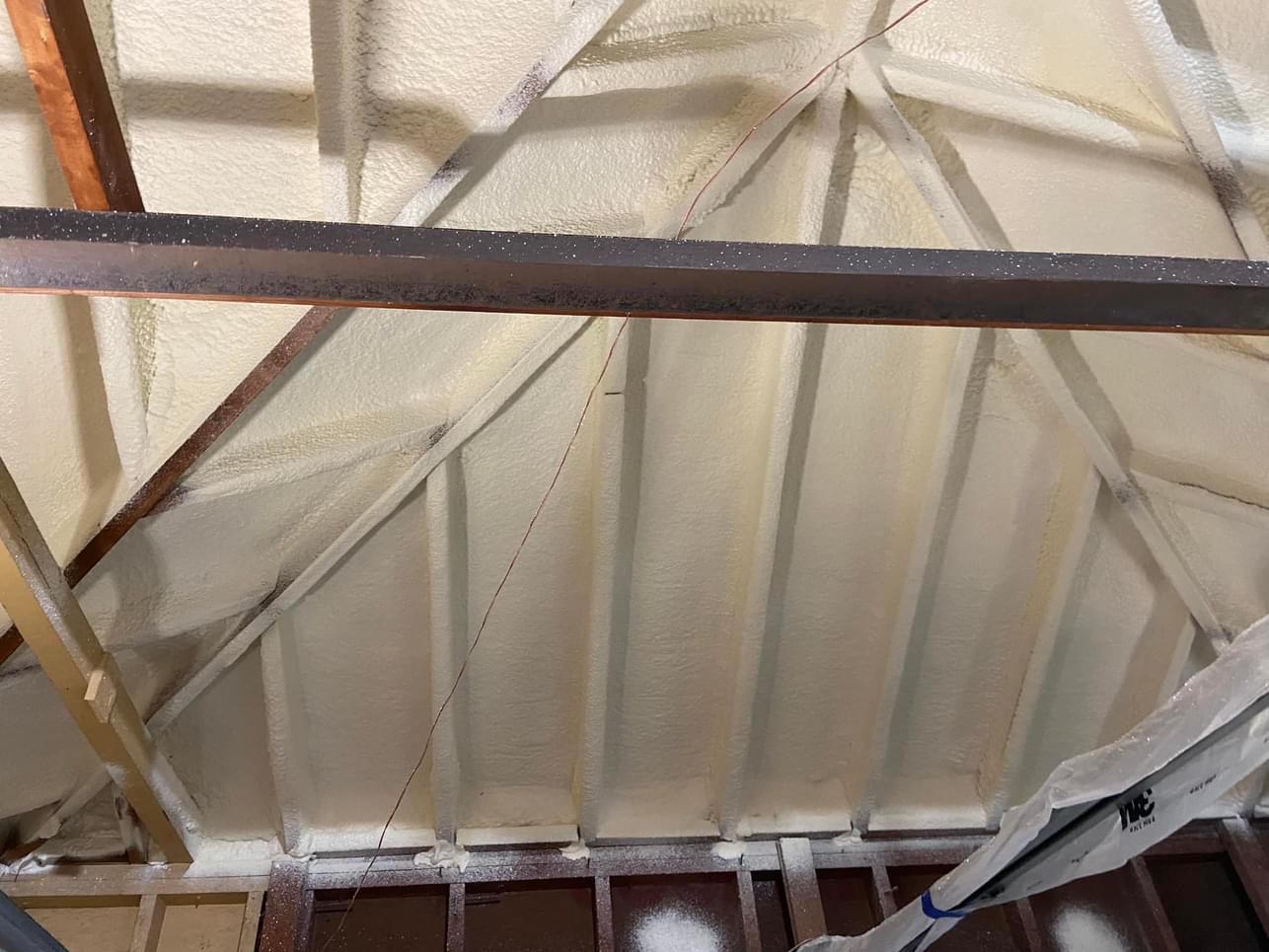
Your living room feels fine, but the back bedroom stays stubbornly cold. Heating bills keep rising, and the furnace never seems to rest. Plenty of Iowa homeowners know this frustration, and poor insulation is often the cause. Many owners compare spray foam insulation, Slater, and Polk City options before booking.
This blog post explains how to choose wisely and avoid costly surprises. You will learn what each material does and what to ask.
How Iowa Weather Wears Down Your Home’s Comfort
Polk City sits in a climate that tests every wall and attic. Winters bring long cold stretches, and summers bring heavy heat and humidity. Your insulation has to handle both extremes all year without much help. Heat escapes through attics, walls, and crawl spaces when insulation is thin. Warm air leaks out in winter, and humid air sneaks in later. Your heating and cooling system then works harder to keep up.
Air leaks also create moisture problems that many owners never notice. Warm indoor air meets cold surfaces, and moisture can form inside walls. Over time, damp materials can lose strength and grow mold. Good insulation, paired with air sealing, keeps indoor temperatures steadier from room to room. The Department of Energy insulation guide explains R-values and climate zones clearly. Iowa sits in colder climate zones, so higher R-values usually make sense.
Spotting the Signs Your Home Needs More Insulation
Your house usually tells you when its insulation is falling short. Watch for these common warning signs in your daily life at home:
- Some rooms stay colder or hotter than the rest of the house.
- Floors feel icy underfoot, especially above crawl spaces or garages.
- Drafts show up near windows, doors, outlets, and attic hatches.
- Energy bills climb even though your habits have not changed.
- Ice dams form along roof edges after heavy snow and melting.
- Upstairs rooms turn hot and stuffy on sunny summer afternoons.
- Your attic feels extremely hot or smells damp and musty.
None of these signs proves a single cause on its own. A professional inspection can trace each symptom to its real source. Inspectors check attic depth, air leaks, ventilation, and signs of moisture. That visit often shows whether you need more insulation or better air sealing.
Fiberglass, Cellulose, and Foam: What Each Material Does
Each material suits different parts of a home and different budgets.
Fiberglass Batts and Blown-In Fiberglass
Fiberglass uses thin glass fibers that trap air and slow heat flow. It fits standard wall cavities and attic floors at a modest price. Gaps, compression, and poor fitting can sharply cut its real performance. It also does little to stop air movement by itself.
Cellulose Insulation
Cellulose is made mostly from recycled paper treated for fire resistance. Installers blow it into attics and wall cavities, where it packs tightly. Loose-fill cellulose can settle over time, so depth checks matter.
Open-Cell Spray Foam
Open-cell foam is soft, light, and expands to fill small gaps. It seals air leaks well and adds useful sound control. Owners researching spray foam insulation often start with this type. Open-cell foam lets moisture pass through, so ventilation planning matters.
Closed-Cell Spray Foam
Closed-cell foam is dense, rigid, and packs more R-value into each inch. It resists liquid water and adds some strength to framed walls. That higher performance usually costs more than most other insulation materials. Always confirm the product rating with the installer before signing anything.
| Insulation material | Typical R-value per inch | Common home uses | Main advantage | Key consideration |
| Fiberglass | 2.2 to 3.8 | Attics, walls, floors | Lower cost | Gaps reduce performance |
| Cellulose | 3.1 to 3.8 | Attics, wall cavities | Recycled and quiet | Can settle over time |
| Open-cell foam | 3.6 to 4.3 | Walls, roof decks | Seals air leaks | Lets moisture pass |
| Closed-cell foam | 6.0 to 7.0 | Walls, rim joists, crawl spaces | Highest R-value | Higher cost |
These ranges match published Department of Energy guidance, though results vary with installation quality.
Where to Start: Attic, Walls, or Crawl Space
Many homes gain the most by starting in the attic. Warm air rises, so a thin attic layer lets heat escape fast. For colder Iowa climate zones, attic targets often fall near R-49 to R-60. ENERGY STAR publishes recommended R-values by zone, and its map is easy to read.
Walls are harder to upgrade, but older homes often have thin or missing insulation. Dense-pack cellulose can treat existing wall cavities without major demolition. Spray foam suits open framing during renovations, additions, and new construction.
Crawl spaces and rim joists leak air and cause cold floors above. Sealing and insulating them often makes the rooms above feel warmer. Moisture control matters here, so ask how the contractor handles damp crawl spaces.
Air Sealing and Ventilation: The Partners Your Insulation Needs
Insulation slows heat flow, but it does not stop moving air. Air leaks around pipes, wires, and attic hatches undermine even thick insulation. That is why many contractors seal leaks before adding any new material. ENERGY STAR advises sealing air leaks before installing new attic insulation.
Many attics also need ventilation, with clear soffit vents and baffles. Blocked vents trap humid air, which can feed mold and rot. Ice dams often signal heat escaping into the attic and melting roof snow.
Choosing Between Insulation Contractors Without Guesswork
Skilled installers can make even an average material perform surprisingly well. Start your search by listing reliable insulation contractors Polk City, IA homeowners recommend. Then compare each company using the same simple checklist for fairness.
- Years of experience with homes like yours, not just new builds.
- Clear knowledge of Iowa weather, moisture risks, and ventilation needs.
- Material advice based on your home, not one favorite product.
- Familiarity with local building codes, air sealing, and ventilation requirements.
- Written estimates that explain materials, thickness, labor, and total costs clearly.
- Proof of insurance, required licensing, and any relevant manufacturer or training certifications.
- Reviews and photos from completed projects in nearby Iowa communities.
Compare at least three bids before you commit to anything. The lowest price rarely includes the best preparation or the best materials. ENERGY STAR offers helpful guidance on attic insulation and hiring a contractor.
Ask These Questions Before You Approve Any Estimate
Clear answers now prevent expensive surprises after the crew arrives.
- Which material do you recommend for each area, and why?
- What R-value will each area reach after the work is finished?
- Will you remove old insulation, and what does that add to the cost?
- How will you handle air sealing, ventilation, and any moisture concerns?
- How should we prepare the home, and what safety steps apply?
- What is the project timeline, and which warranties cover materials and labor?
- Does the written estimate list every possible extra charge up front?
Vague or rushed answers are a warning sign worth taking seriously.
What Drives Insulation Pricing in 2027
Every home is different, so no honest contractor quotes without seeing it. This guide does not list local prices, because unsupported averages mislead readers. Instead, the table below shows what moves a quote up or down.
| Cost factor | How it affects your quote |
| Area to insulate | Larger areas need more material and labor |
| Material chosen | Foam usually costs more than fiberglass or cellulose |
| Thickness and R-value | Higher targets need deeper or denser insulation |
| Old insulation removal | Adds labor, disposal, and cleanup time |
| Attic and crawl space access | Tight spaces slow the work |
| Air sealing and preparation | Adds time but improves results |
| Installation complexity | Odd framing and obstacles raise labor |
Prices shift with material supply and labor demand, so request fresh quotes.
Why Professional Installation Protects Your Investment
Insulation only works when it covers the space completely and evenly. Uncovered gaps let heat escape, and crushed batts lose their rated value. Poor ventilation can trap moisture in attics and cause lasting damage. A trained crew checks these details before, during, and after installation. Strong insulation contractors Polk City, IA residents trust explain each step before work starts.
Precision Insulation and Coatings serves Iowa homeowners with residential insulation services. Our team can assess your home and explain practical options. Residents needing spray foam insulation, Slater and Polk City included, can request assessments. Ask for a clear written plan, whatever company you choose.
Getting Your Home Ready Before the Crew Arrives
A little preparation helps the project run smoothly and safely.
- Clear a path to the attic hatch and crawl space entrance.
- Point out leaks, stains, or musty smells before work begins.
- Ask about electrical wiring, recessed lights, and exhaust fan clearances.
Discussing these details beforehand makes the schedule predictable and the result better. Moisture problems should be fixed first, because insulation cannot cure a leaking roof.
Your Next Step Toward a Warmer, Steadier Home
Choosing insulation is a big decision, but it does not need to overwhelm you. Learn your options, compare several bids, and ask direct questions every time. Anyone weighing spray foam insulation in Slater or Polk City should start with an inspection. Precision Insulation and Coatings can walk you through each step with plain-language guidance. Reach out to us for more details!
Frequently Asked Questions
Q1. How can I compare local insulation companies fairly before I hire one?
Request at least three written estimates using the same scope. Check licensing, insurance, customer reviews, and photos of finished local projects. Compare materials, R-values, and warranties, not just the final price.
Q2. Is spray foam insulation, Slater and Polk City included, worth the higher price?
It can be, especially in tight spaces where air leaks waste energy. Foam seals small gaps and delivers a high R-value per inch. Your home’s layout, budget, and moisture risks should guide the final decision.
Q3. How much insulation does a Polk City attic usually need?
Colder climate zones typically call for roughly R-49 to R-60 in attics. Check your current depth and compare it with ENERGY STAR recommendations. A contractor can confirm the right target for your roof and ventilation.
Q4. Should old insulation always be removed before new insulation goes in?
Not always, because dry and clean insulation can often stay in place. Remove wet, moldy, or pest-damaged material before installing anything new. A professional inspection will show which condition applies to your home.
Q5. What should I do first if my rooms feel uneven?
Start with a professional inspection of the attic, walls, and crawl space. Ask the inspector about air leaks, insulation depth, and ventilation. Fixing the cause usually works better than adding insulation randomly.