Are you tired of cold floors, musty smells, or high energy bills? We understand how these problems can make your home uncomfortable. At Precision Insulation & Coatings, we have helped many Iowa homeowners who face crawl space troubles just like you.
Many people wonder about crawl space encapsulation vs insulation. Did you know that an encapsulated crawl space can help keep out moisture and boost indoor air quality? In this post, we’ll break down the main differences so you can decide what works best for your home.
Keep reading to find out which choice could save you money and worry in the long run.
What is Crawl Space Encapsulation?
Crawl space encapsulation is the process of sealing off your crawl space from outside air and moisture. We cover the floors and walls with a heavy plastic liner, creating a barrier that protects your home from dampness and pests.
Process of Encapsulation
In homes throughout Iowa, moisture prevention is paramount. We isolate crawl spaces to block water and air intrusion.
- First, we conduct a comprehensive evaluation of the crawl space. We look for leaks, mold, and structural irregularities.
- Subsequent to this, cleanliness is indispensable. We eliminate debris and dirt to guarantee a flawless procedure.
- We repair any damage discerned during the assessment. This stage aids in averting future issues.
- Then we proceed to the sealing of vents and doors. This process halts the ingress of exterior air.
- We apply a substantial moisture barrier over the floor and walls. It’s akin to equipping your crawl space with a waterproof layer.
- Implementing a dehumidifier maintains dryness by extracting moisture from the air.
- Plugging gaps around pipes and wires impedes elusive drafts effectively.
- To finalize, we perform a thorough audit once more. An ultimate inspection confirms that no area is overlooked.
Following these measures, encapsulating crawl spaces provides a potent defense against humidity and moisture-related impairments in homes; significantly beneficial in zones susceptible to rain or high humidity levels, much like Iowa’s climate.
This thorough technique safeguards structures while also enhancing indoor air quality by inhibiting mold proliferation and undesirable drafts, crucial perks that revitalize older homes while yielding substantial energy cost savings!
Benefits of Encapsulation
- Moisture is the enemy of a healthy home. With an encapsulated crawl space system, we seal out damp air using thick moisture barriers. This helps stop water leaks and keeps the crawl space dry, even during heavy Iowa rains or humid summers.
- Mold hates dry spaces, so our approach reduces mold growth and keeps allergies at bay. Families notice better indoor air quality almost right away.
- Heating bills often drop after we provide a crawl space sealing service for homeowners. No more cold drafts sneaking up through floors in winter or muggy summer air moving inside. The temperature stays steady and cozy all year long.
- Encapsulation doesn’t just protect against weather; it also guards the home’s structure from rot and damage over time.
- Encapsulated spaces stay cleaner too, with pests having nowhere to hide or nest.
These benefits make encapsulation stand out from regular approaches like fiberglass insulation alone.
What is Crawl Space Insulation?
Crawl space insulation keeps your home warm and dry. It acts as a barrier against cold air, moisture, and pests.
Types of Insulation Materials
Choosing the right insulation for your crawl space is crucial. It can prevent cold feet in the winter and keep your home comfortable all year round. Here’s a rundown of the materials we’ve used and seen great results with.
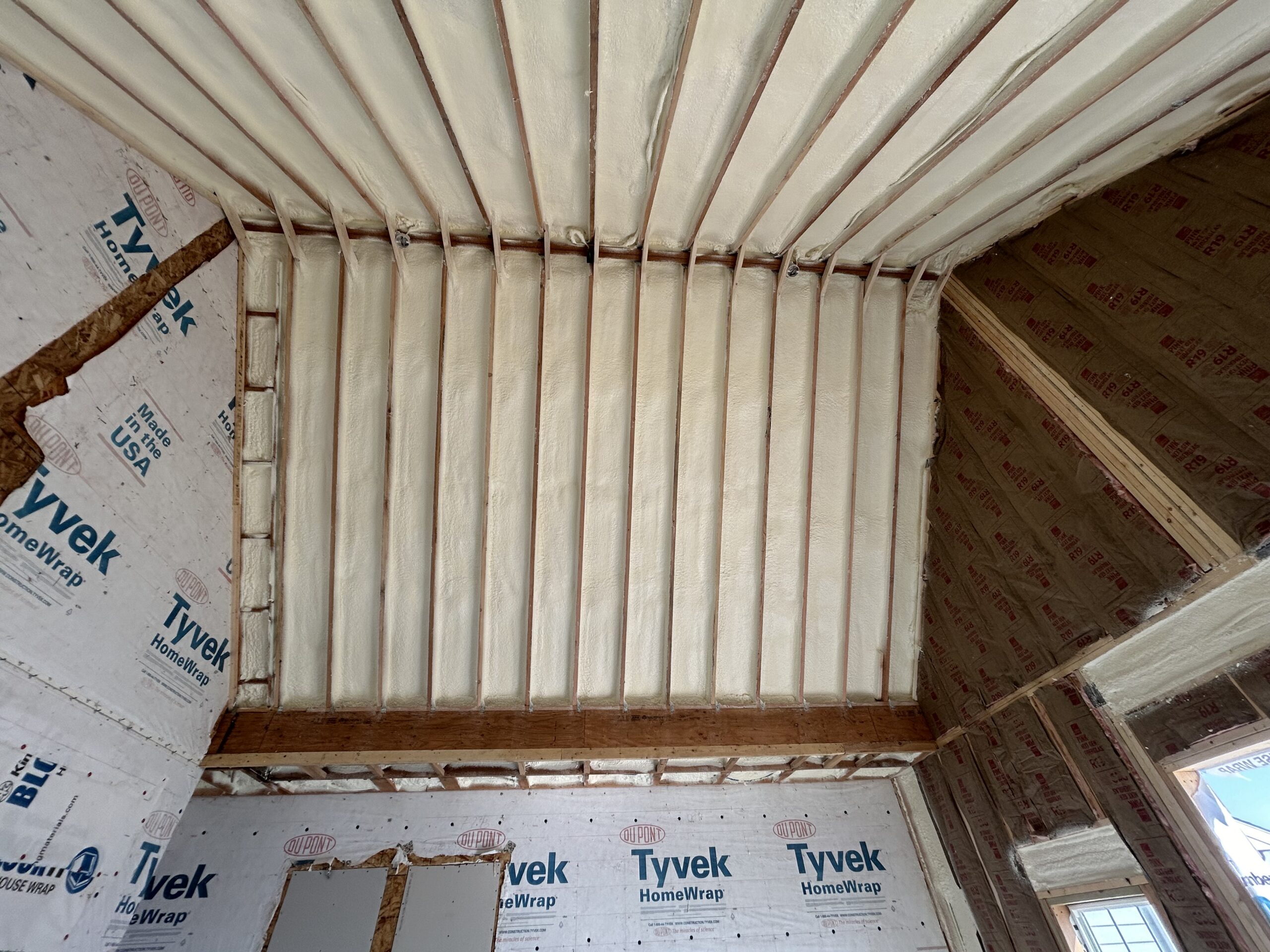
- Spray foam insulation: This type sticks to walls like glue, expanding to fill every nook and cranny. It’s a champion at blocking air leaks, making it a top pick for energy efficiency.
- Fiberglass insulation: Think of this as a cozy blanket for your crawl space. Its fibers trap air, keeping warmth in during winter and heat out during summer. Just be sure it stays dry; when wet, its insulating power takes a nosedive.
In our hands-on work across various homes, we’ve seen how these materials can turn a drafty space into an energy-saving powerhouse. Whether battling humidity or freezing temperatures, picking the right kind makes all the difference in comfort and savings on those bills.
Spray Foam Insulation
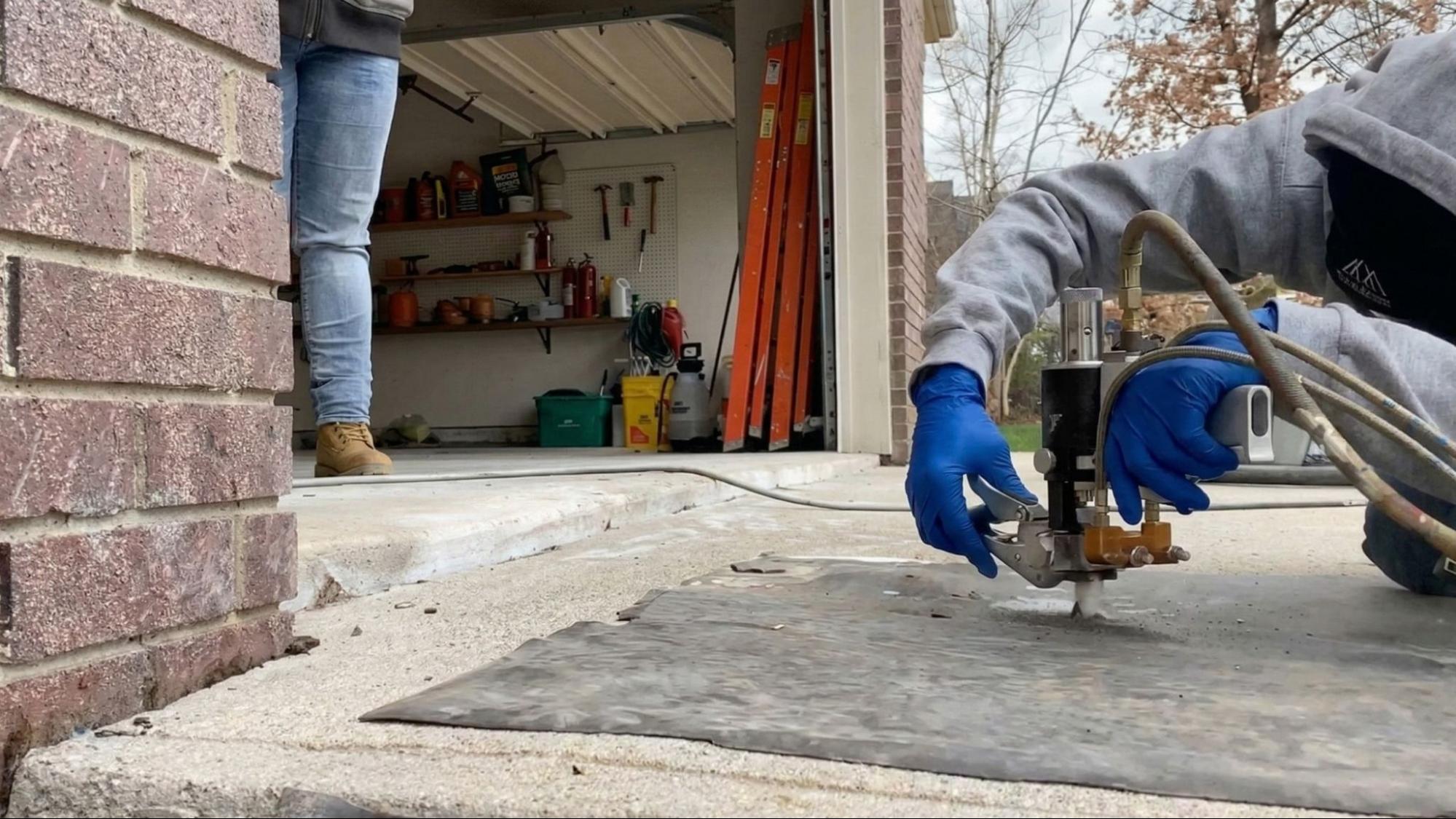
Spray foam insulation is a popular choice for crawl spaces. This type of insulation helps seal air leaks and provides excellent moisture control. It expands on the application, filling gaps and cracks. That means it creates a tight seal against drafts and water.
The benefits are clear. Spray foam insulation can lower energy costs by keeping warm or cool air inside the home. It also adds an extra layer of protection against mold growth in damp areas like crawl spaces. A properly installed spray foam will help keep our homes comfortable all year round.
We see its advantages especially in humid climates, where moisture problems are common. Homes with spray foam insulation often enjoy improved indoor air quality, too. Choosing spray foam gives us peace of mind when considering crawl space encapsulation vs insulation for homes.
Fiberglass Insulation
Fiberglass insulation is a popular choice for crawl spaces. It consists of tiny glass fibers that trap air. This helps keep our homes warm in winter and cool in summer. We can use fiberglass batting or foam boards to insulate walls effectively.
We have seen how it works well in many homes, especially here in Iowa. Fiberglass insulation reduces energy costs by limiting the flow of cold or warm air. It also prevents drafts, making our living spaces more comfortable. With proper installation, we can protect our homes from moisture, too.
While fiberglass is great for temperature control, it does focus mainly on keeping air out rather than managing water damage. That’s where encapsulation shines; it’s all about stopping moisture at its source while still improving energy efficiency and indoor air quality for us all!
Benefits of Insulation
Insulation helps keep our homes comfortable. It works by blocking cold and warm air from coming in or going out. We can save on energy costs when we add insulation to crawl spaces. Choosing materials like foam boards, fiberglass batting, or spray foam makes a big difference.
Properly installed insulation protects against drafts and temperature changes. When we insulate well, it increases home durability too. This means fewer repairs down the line. Also, well-insulated spaces often have better indoor air quality. For homeowners seeking energy efficiency improvements, insulation stands out as a smart choice.
Encapsulation Vs Insulation: Key Differences
Encapsulation stops moisture in its tracks. It creates a barrier that keeps the space dry, while insulation helps keep your home warm or cool.
Moisture Control
Moisture control is key to a healthy crawl space. We seal the area to stop water from getting in. This process helps keep everything dry and safe from mold. An encapsulated crawl space fights water leaks effectively, protecting our homes from damage.
In humid places, moisture can lead to big problems like mold and health issues. Encapsulation keeps moisture at bay, improving indoor air quality as well. A dry crawl space also means lower heating bills for us since we remove excess humidity that makes heating harder.
Insulation alone does help with temperature, but doesn’t fully tackle moisture. While it prevents cold air or heat from sneaking in, it isn’t waterproof on its own. For better results, combining both methods works wonders against drafts and dampness.
Choosing between crawl space encapsulation and insulation depends on our specific needs when dealing with moisture levels in our homes.
Energy Efficiency
Moving from moisture control, energy efficiency plays a big role in keeping our homes comfortable and affordable. We often find that crawl space insulation helps reduce energy costs. Insulation stops cold or warm air from entering our living spaces. This means we use less heating or cooling.
Crawl space encapsulation also boosts energy efficiency. It waterproofs the area, lowering heating bills by removing excess water. Both methods can enhance indoor air quality and make our homes more durable.
The choice between crawl space encapsulation and insulation depends on what our home needs most, such as controlling humidity or fighting drafts and mold.
Conclusion
Choosing between crawl space encapsulation and insulation depends on your home’s needs. Both options fight moisture and save energy. Encapsulation offers strong protection against water damage, while insulation keeps your home cozy year-round.
We recommend assessing your specific situation to find the best fit for you. Let’s keep our homes safe and comfortable! Contact Precision Insulation & Coatings for an insulation estimate.
FAQs
1. Which is better, crawl space encapsulation or insulation, for keeping moisture out of my home?
Crawl space encapsulation blocks outside air and water from sneaking in. Insulation helps with temperature control, but does not seal off the area like encapsulation. If dampness keeps you up at night, encapsulation often wins.
2. Will crawl space insulation save more on energy bills than encapsulating the whole area?
Insulating a crawl space can lower your heating and cooling costs by stopping heat loss through the floor. Encapsulation goes further; it seals gaps that let air leak, which means even bigger savings over time if done right.
3. Is it easier to install insulation or choose full crawl space encapsulation under my house?
Insulating is usually quicker since you add batts or boards between joists and call it a day. Encapsulating takes longer because you lay down thick plastic sheeting, tape every seam tight as a drum, and sometimes add a dehumidifier too.
4. For long-term protection against mold and critters, which is better: crawl space encapsulation or just adding insulation?
Encapsulation forms a strong barrier that stops both moisture and pests from getting inside your home’s hidden spaces. Regular insulation only slows down heat flow; it does not keep bugs or mold away nearly as well as full-on sealing does.