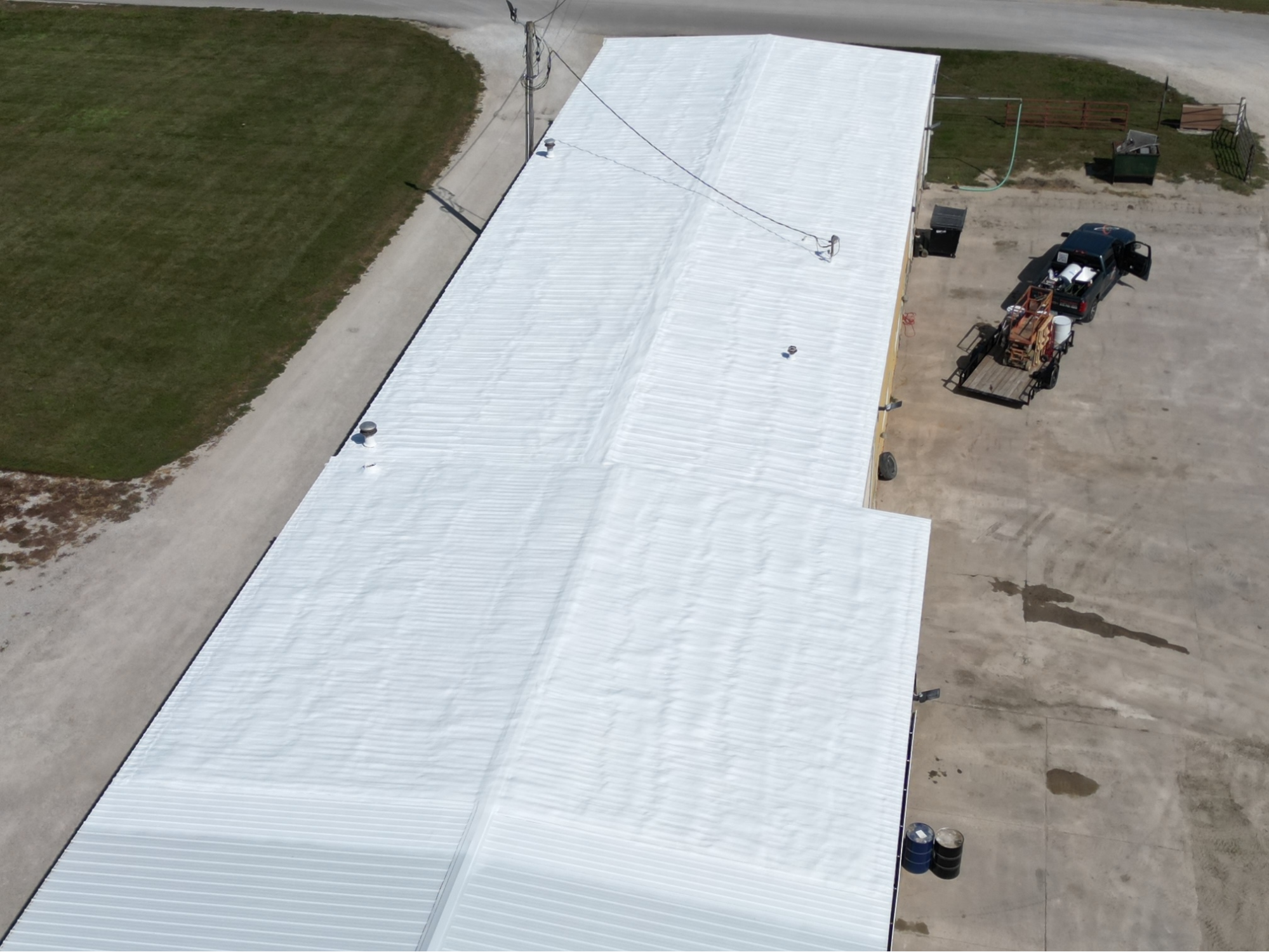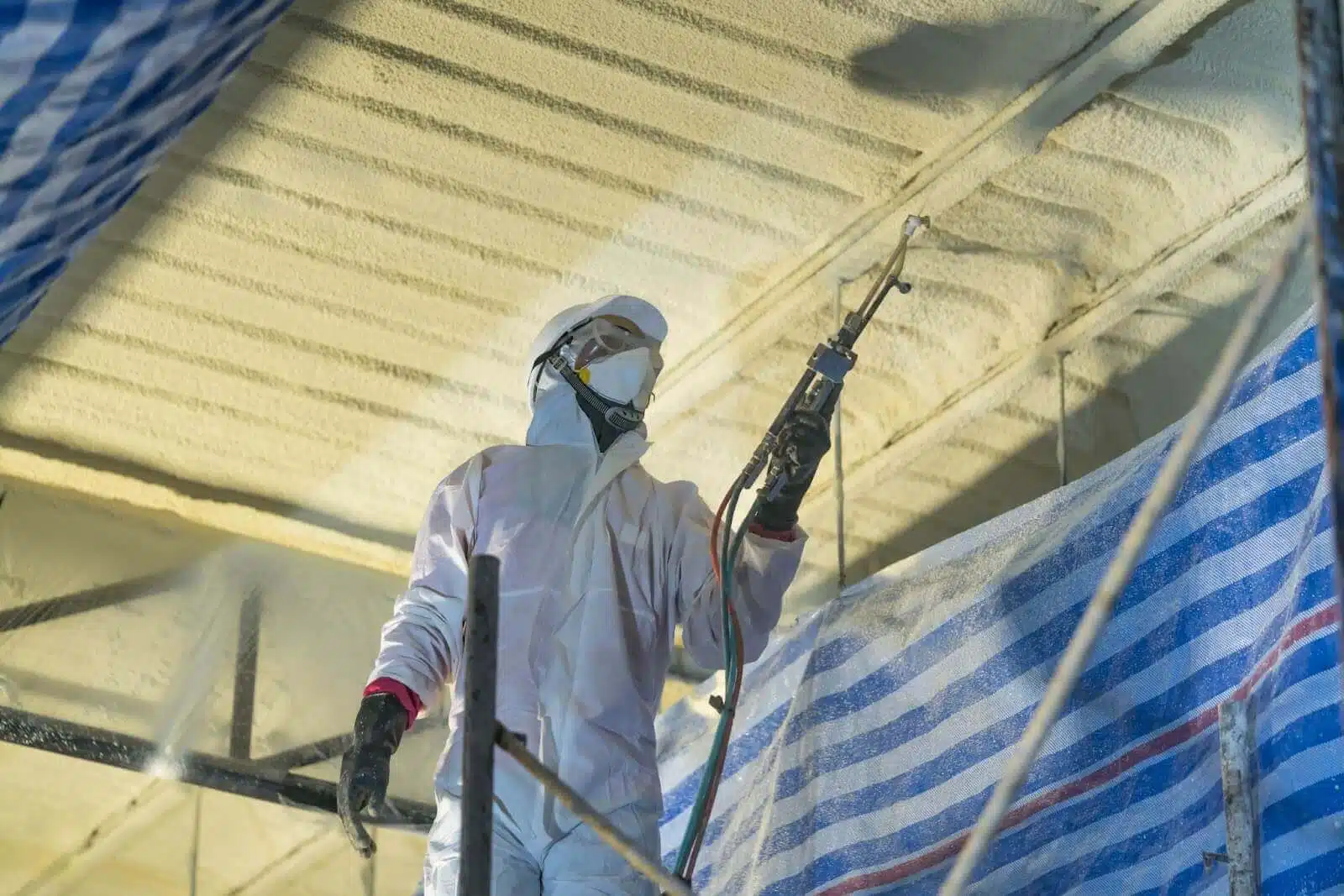
Insulating a pole barn is a smart way to keep inside temperatures steady and lower energy bills. Many people ask, “How much does spray foam insulation cost for a pole barn in 2026?” Rising building prices make it tough to plan budgets. Knowing the pole barn insulation cost will help you prepare.
These are common questions we hear as local experts. In 2026, labor and material costs keep changing fast across Iowa. For example, spray foam prices have gone up by almost 7% since last year because of higher demand and supply chain issues. We spent time looking into the latest numbers so you can get clear facts about insulation cost in 2026.
In this blog post, we talk about what affects the price of spray foam for your building. You will learn how size, materials, and labor shape your total construction costs. By understanding each step in installation, you can make smart choices for your property or project.
Get ready to find real answers on saving money and boosting energy efficiency!
Factors that Determine Spray Foam Insulation Cost for a Pole Barn
The cost of insulation for a pole barn depends on several key factors. These include the barn’s size and shape, the type of spray foam used, and local labor costs.
Size and shape of the barn
Size and shape play a big role in the cost of spray foam insulation for a pole barn. Larger barns need more materials, which raises costs. We measure square footage to estimate how much spray foam we will need. The height and layout of the barn also affect this.
Different shapes can change our approach. A simple rectangular barn is easier to insulate than one with many angles or levels. More complexity leads to higher labor costs, too. It takes longer to insulate unique designs, which adds to the total expenses for installation. We always consider size and shape carefully when estimating insulation costs for your pole barn.
Type of spray foam
Spray foam insulation comes in two main types: open cell and closed cell. Open-cell foam is lighter and less dense. It expands more when sprayed, filling gaps easily. This type works well for soundproofing and is often cheaper. Closed-cell foam is denser and stronger. It provides better insulation against moisture and air leaks.
Both types have their uses in a pole barn. We often recommend closed-cell spray foam for barns needing strong thermal performance. It offers higher energy efficiency because it blocks water vapor better than open-cell foam does. Our first-hand experience shows that using closed-cell can protect valuable items inside the barn from moisture damage.
Choosing the right type depends on your needs and budget. As professionals at Precision Insulation & Coatings, we assess each situation carefully to find the best fit for homeowners or builders looking to insulate their pole barns effectively.
Labor costs
Labor costs play a big role in the total price of spray foam insulation for a pole barn. You need skilled workers to apply the insulation correctly. Their rates can vary based on experience and location. In 2026, labor might cost between $1 to $2 per square foot.
You should also consider how long the job will take. A larger barn may require more time and workers, increasing labor expenses. Finding experienced installers helps ensure that everything is done right from the start.
Other materials needed
Spray foam insulation for a pole barn may require other materials. We use these to ensure the project runs smoothly and efficiently. Some common items include protective gear, sealing tapes, and moisture barriers. Protective gear helps keep us safe during installation.
We also need tools like spray guns and air compressors for applying the foam. Moisture barriers protect your barn from dampness, which can damage the structure over time. Using quality building materials leads to better energy efficiency and longer-lasting results. Planning for these additional costs is essential as we prepare your insulation project.
Benefits of Insulating a Pole Barn
Insulating a pole barn helps keep it warm in winter and cool in summer. This saves energy and protects what you store inside. Better insulation means lower bills, too. It’s smart to invest in insulation for your barn. Read more to learn about the best options!
Temperature control
Temperature control is key for any pole barn. The right insulation helps keep the heat in during winter and cool air inside during summer. Spray foam insulation does this well, making it a popular choice. Open-cell and closed-cell spray foam both work, but in different ways.
Open-cell foam is lighter and more flexible. It allows air to flow, which can help with moisture control. Closed-cell foam is denser and better at stopping air leaks. Each type plays a role in how we maintain comfort levels inside the barn.
We know that controlling temperature saves energy and money, too. A well-insulated pole barn needs less heating or cooling power to stay comfortable year-round. Over time, this leads to lower electricity bills, making insulation a smart investment for homeowners and property owners alike.
Protection of investments
Insulating a pole barn is a smart way to protect your investments. Spray foam insulation keeps the inside temperature stable. This means that tools, machinery, and other stored items stay safe from extreme heat or cold. Insulation also helps prevent moisture damage, which can ruin valuable equipment.
Proper insulation adds value to the barn, too. Buyers look for energy-efficient buildings when they shop. With spray foam installed, our pole barns become more appealing on the market.
Energy efficiency
Energy efficiency is a key benefit of spray foam insulation for pole barns. It helps maintain a stable temperature inside the building. This means we can keep things warm in winter and cool in summer without using too much energy. Good insulation reduces heating and cooling costs, saving us money.
Spray foam insulation also seals any gaps or cracks in walls and roofs. This provides better protection against outside elements. It stops drafts and keeps moisture out, which is important for protecting our investments.
Understanding how to choose the right type of insulation will maximize these benefits even more.
Choosing the Right Insulation for Your Pole Barn
Choosing the right insulation for a pole barn can make a big difference. We can explore different types, like batt and spray foam, to find the best fit for your needs.
Batt insulation
Batt insulation is a common choice for pole barns. It comes in large, flexible pieces. This type fits between the wooden studs of the barn’s walls and ceiling. We find that it works well for many projects.
This insulation is made from fiberglass or mineral wool. Both materials are effective at keeping homes warm in winter and cool in summer. Batt insulation helps control temperature much better than having no insulation at all.
Installation of batt insulation can be done by us, but we must ensure it fits snugly without gaps. Gaps allow air to pass through, lowering its effectiveness. With our first-hand experience, we see that taking care during installation leads to better energy efficiency over time.
Spray foam insulation
Batt insulation serves its purpose, but spray foam insulation can offer different benefits. Spray foam creates a strong seal in our pole barn. It fills gaps and keeps the air from escaping. This helps us maintain better temperature control throughout the year.
We often recommend two types of spray foam: open cell and closed cell. Open-cell foam is lighter and expands more. Closed-cell foam is denser and offers better moisture protection. Each type has unique advantages based on your needs for energy efficiency or protection against water damage in Iowa’s climate.
Rigid foam insulation
Rigid foam insulation is a strong choice for pole barns. It comes in large sheets and provides good energy efficiency. We can use it on walls, roofs, and floors. This type of insulation resists moisture well, keeping your building dry.
Installation is simple but may need special tools. Labor costs can vary based on the size of your barn and local rates. Rigid foam offers great thermal performance; it helps control temperature inside the pole barn effectively. With proper installation, we can protect your investments while saving on energy bills.
Tips for Insulating a Pole Barn
Proper planning is key to a successful insulation project. Control moisture and condensation to keep the barn dry and comfortable. Choose the right heating and cooling options to make your space enjoyable. Trust experts for professional installation that meets your needs.
Proper planning
Planning is key for insulation in a pole barn. Measuring the size and shape of the barn carefully is very important. This helps you calculate the spray foam needed. It also affects your total cost per square foot. Understanding these details will guide you in making smart choices.
Selecting the right type of spray foam is essential, too. Open-cell or closed-cell foam has different costs and benefits. Knowing what you want can help narrow down options early on. You should think about labor costs as well, since they can add significantly to overall expenses.
Considering other materials is part of planning, too. Extras like vapor barriers may be necessary for moisture control inside the barn. A thorough plan keeps everything organized and ensures you stay within budget while achieving energy efficiency goals with proper insulation choices.
Moisture and condensation control
Moisture control is key for any pole barn. Too much moisture can lead to problems like mold and rot. We need to keep things dry. Spray foam insulation helps by sealing gaps where moisture can enter. It creates a barrier against water and humidity.
Proper ventilation also plays a big role in this process. Ventilation allows air to flow, which reduces condensation buildup inside the barn. We often recommend using fans or vents as part of our installation plan. This way, we ensure your investment stays safe from weather damage and keeps operating efficiently.
Heating and cooling options
Heating and cooling options are key for any pole barn. Proper insulation helps maintain a steady temperature inside. We often see our clients choose between different systems, like heaters or air conditioners. Each has its own benefits.
A well-insulated pole barn keeps things comfortable year-round. Spray foam insulation can help reduce energy costs by keeping heated or cooled air from escaping. It makes the space more usable for all kinds of activities, whether working or storing items safely.
With our experience at Precision Insulation & Coatings, we guide homeowners and builders in selecting the best solutions tailored to their needs.
Expert installation with Precision Insulation & Coatings
Effective heating and cooling options lead us to the importance of expert installation with Precision Insulation & Coatings. We have skilled teams ready to help property owners like you. Our experience in spray foam insulation ensures your pole barn receives top-quality service.
We pay close attention to detail during every step of the installation process. Using proper techniques, we maximize energy efficiency for your building. Whether you choose open-cell or closed-cell spray foam, our team will make sure it is done right.
Each project is unique, so we tailor our methods to fit your needs. Our goal is simple: provide the best results for homeowners and builders alike. Trusting us means investing in long-lasting comfort and protection for your assets.
Conclusion
Spray foam insulation is a smart choice for pole barns. We discussed the cost factors, such as size and labor needed. The benefits are clear too; it helps with temperature control and saves energy.
Choosing the right type of insulation is key to efficiency. We can plan properly to manage moisture and avoid issues later on. Are we ready to improve our space? Getting help from our experts at Precision Insulation & Coatings ensures quality work.
Let’s take action now for a better, more comfortable barn!
FAQs
1. How much does spray foam insulation cost for a pole barn in 2026?
The cost of spray foam insulation for a pole barn in 2026 depends on the size of your building and the type of insulation you choose. Cost estimates range from $1.50 to $3 per square foot for open cell, while closed cell can reach up to $5 per square foot.
2. What affects the installation price of spray foam in a pole barn?
Labor expenses, building size, and insulation types all affect total construction expenses. Closed-cell options often cost more than open-cell due to material density and energy efficiency benefits.
3. Is open cell or closed cell better for my pole barn’s energy efficiency?
Closed-cell insulation gives higher energy efficiency but costs more upfront. Opencell provides good coverage at lower prices but may not insulate as well against extreme temperatures.
4. Does adding spray foam increase home improvement value?
Yes, installing quality spray foam improves your building’s comfort and cuts down on heating and cooling bills, which raises overall home improvement value.
5. How do I estimate how much insulation my pole barn needs?
Measure your building’s wall area in square feet first. Next, decide between open-cell and closed-cell based on your budget and desired energy savings before getting labor quotes for accurate cost estimates.