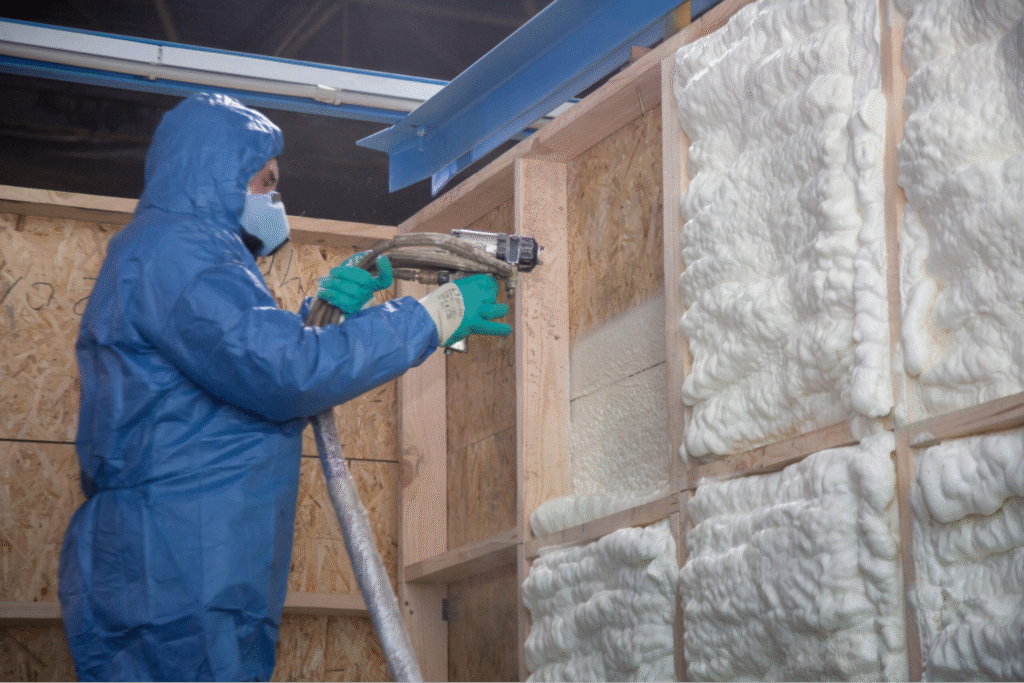
Spray foam insulation can help protect your home from heat loss, but have you thought about how it will be protected from fire?
Spray foam seals gaps and helps keep your home warm in winter and cool in summer. But it can burn when exposed to enough heat or flame. That is why proper installation and fire protection are so important.
The risk is easy to overlook because spray foam is often hidden behind walls, above ceilings, or inside roofs. Once the job is done, you may not see the foam or know how it has been protected.
Before adding spray foam to your home, workshop, or warehouse, ask how it will be installed, what will cover it, and whether nearby lights, heaters, or other equipment need special care.
A closed-cell foam contractor in Iowa should be able to explain these details before work begins. Here is what to ask before choosing a contractor in Des Moines or Central Iowa.
Why Does Spray Foam Need Fire Protection?
Spray foam is not fireproof. It can catch fire and release heat and smoke.
The type of protection it needs depends on where the foam is installed and which rules apply to the building. Some areas need a special covering to protect the foam from heat and fire.
For example, the rules for foam inside a wall may differ from those for foam in an attic or warehouse. Before work starts, ask your contractor:
- Does this area need fire protection?
- What will cover the foam?
- Which safety rules apply to my building?
Ask for clear answers. You should understand the plan before the work begins.
What Covers Spray Foam to Help Protect It From Fire?
Two terms you may hear are “thermal barrier” and “ignition barrier”. Both help protect spray foam, but they are not the same.
Thermal Barriers
A thermal barrier is a layer that helps protect spray foam from heat and fire. In many building code cases, half-inch drywall is an accepted option.
Other materials may be allowed in some cases. The right choice depends on the building, the foam, and the rules that apply.
Ask your contractor how the foam will be covered. If they plan to use something other than drywall, ask them to explain why it is allowed for your project.
Ignition Barriers
An ignition barrier helps protect foam from brief contact with heat or flame. Some attics and crawl spaces may be allowed to use this type of protection.
But it is not right for every space. An ignition barrier also cannot automatically replace a thermal barrier.
Your contractor should check the rules for the area before choosing the type of protection.
What Do Spray Foam Fire-Test Results Mean?
Some spray foam products are tested under standards called ASTM E84 or UL 723. These tests check how quickly flames spread across a material and how much smoke it gives off under set test conditions.
These results can help people compare products. But a test result alone does not prove that the whole job meets fire-safety rules.
Ask your contractor which product they plan to use and whether they can share its test details. The product and the way it is installed both matter.
Building rules can differ by location and building type. Check the current rules with your local building office before work begins.
What Should Your Installer Check Before Applying Spray Foam?
Spraying foam into gaps is only one part of the job. A spray foam contractor in Iowa should check the work area and plan how the foam will be protected before starting the installation.
1. The Area Being Insulated
Foam inside a wall may need different protection from foam in an attic, crawl space, or warehouse.
Your installer should look at the area before work begins. Ask where the foam will go and what will cover it when the job is done.
2. Lights, Heaters, and Other Equipment
Lights, heaters, chimneys, and other equipment may need space around them. Some may also need special protection.
The installer should check these areas before applying foam. If something needs to be moved or protected, deal with it before the work starts.
3. Safe Installation and Drying Time
Spray foam needs the right conditions during installation. Temperature, moisture, and mixing can affect how it sets.
Workers must follow the product instructions and use the right safety gear. The work area may also need proper airflow.
Do not return to the area just because the foam looks dry. Follow the product maker’s instructions and your installer’s advice about when it is safe to go back inside.
4. The Finished Job
Before the installer leaves, ask them to walk you through the work.
Check that the foam is in the planned areas and that the required covering is in place. Ask if any foam will remain uncovered and why.
Keep the estimate, product details, and installation records in a safe place. You may need them if you repair the building or add more insulation later.
Can Welding Near Spray Foam Cause a Fire?
Yes. Welding, cutting, grinding, and using a torch can create sparks and high heat. These can start a fire if they reach spray foam or other materials that burn.
This is worth thinking about in workshops, warehouses, barns, and other buildings where repairs may take place.
If you plan to do welding or cutting work later, tell your insulation contractor before the foam is installed. Keep a record of where the foam was sprayed. Share that information with anyone who works on the building in the future.
Before hot work begins, workers should check the area, protect nearby materials, and follow the right fire-safety steps. They should also check the area after the work is finished.
Planning can help prevent damage to the insulation and reduce fire risks.
What Should Homeowners and Business Owners in Iowa Know?
Different buildings have different needs. The insulation plan should fit the building and how you use it.
Homes and Attics
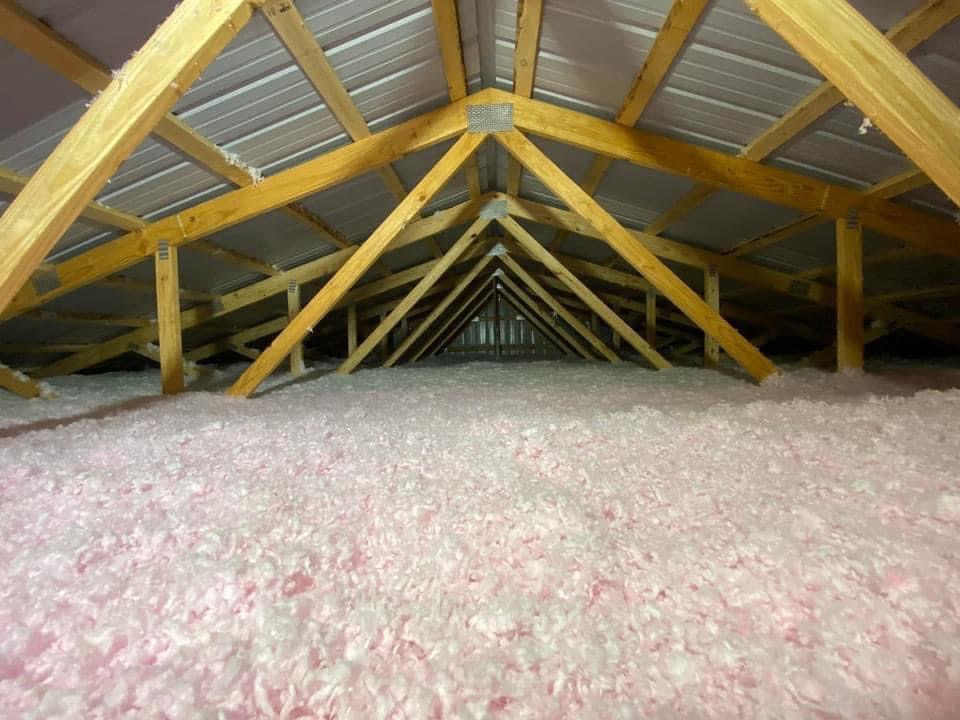
Spray foam may be used in walls, roof areas, and attics. The required fire protection depends on where the foam is installed and which rules apply.
Before work begins, ask whether the foam needs a thermal barrier, an ignition barrier, or another approved type of protection. Do not assume that one option works everywhere in your home.
Warehouses and Metal Buildings
Warehouses and metal buildings may need insulation to help control air leaks and indoor temperatures.
If you are planning spray foam insulation for a metal building, ask your contractor how the foam will be protected from fire. They should also check nearby equipment and consider whether welding or repair work may happen there.
Metal buildings still need to meet the fire-safety rules that apply to them.
Older Buildings and Existing Insulation
Before adding new insulation to an older building, check the condition of the insulation already there.
Old insulation does not always need to be removed. If it is dry, in good shape, and suitable for the planned work, it may be possible to leave it in place.
Wet, damaged, or dirty insulation may need to come out. The cause of any water damage should also be checked before new insulation is added.
How to Choose a Spray Foam Contractor in Central Iowa
Price matters, but it should not be your only concern. You also need to know how the contractor will handle the work safely.
Before choosing a company, ask these questions:
- Which type of spray foam do you recommend for my building?
- What fire protection does this area need?
- How will you protect nearby lights and equipment?
- How long should people stay out of the work area?
- Will any foam remain uncovered?
- Will I receive records of the product and installation?
- What should future repair workers know about the foam?
A good contractor should answer these questions in plain English. If an answer is unclear, ask for more detail before agreeing to the work.
When comparing contractors in Des Moines or Central Iowa, look for clear answers, trained workers, and a plan that fits your building.
Planning Spray Foam Insulation? Ask About Fire Safety First
Once you know what to look for in a contractor, ask the right questions before choosing a closed cell foam contractor Iowa. Precision Insulation & Coatings is a family-owned, fully insured company serving Des Moines and Central Iowa. It offers open-cell and closed-cell spray foam insulation for homes and commercial buildings. The company also states that its spray foam workers are trained and certified.
Before work begins, confirm where the foam will be installed, how it will be protected against fire, and what records you will receive after the job. Keep those records in case you need repairs or more insulation later.
Planning an insulation project? Contact Precision Insulation & Coatings to discuss your building and find out which insulation options may suit your needs. Call (515) 417-2025 or request your free estimate.
Frequently Asked Questions
Is closed-cell spray foam fireproof?
No. Closed-cell spray foam can burn when exposed to enough heat or flame. Depending on where it is installed, it may need a special covering or another approved type of protection.
Does spray foam always need a thermal barrier?
No. The rules depend on the building, where the foam is installed, and the product being used. Ask your contractor to check which type of protection is needed.
Can welding near spray foam cause a fire?
Yes. Welding, cutting, grinding, and using a torch can create sparks and heat that may start a fire near spray foam. Workers should know where the foam is and follow the right safety steps.
How long should I stay out of the building after spray foam is installed?
Follow the product manufacturer’s instructions and your installer’s advice. The time can vary by product and job conditions. Do not return until the required waiting time has passed.
Does old insulation always need to be removed before adding new insulation?
No. Old insulation may be able to stay if it is dry, in good shape, and suitable for the planned work. Wet or damaged insulation may need to be removed. Have it checked before deciding.