Has your energy bill been creeping up every summer, no matter what you try? You might be cooling a house with an attic that’s actively working against you.
We see this happen all the time with Iowa homeowners across Des Moines and the surrounding areas. Our experience shows that failing attic insulation is responsible for roughly 25% of residential energy waste in homes like yours. That number adds up fast, especially during an Iowa summer.
At Precision Insulation & Coatings, our team has spent years installing spray foam insulation, blown-in fiberglass, and handling commercial insulation projects across Iowa. Catching these problems early has always been our focus, because the cost of waiting is almost always higher than the cost of fixing things now.
Here are five warning signs your attic insulation is failing this summer, plus the real solutions we use on job sites every day.
Key Takeaways
- Failing attic insulation causes about 25% of residential energy waste in Iowa homes and drives up summer cooling costs.
- Rising energy bills, inconsistent indoor temperatures, drafts, visible damage, and pest infestations all signal that your attic insulation needs attention.
- Iowa sits in Climate Zones 5 and 6, and the US Department of Energy recommends an R-49 to R-60 insulation rating for attics in our state.
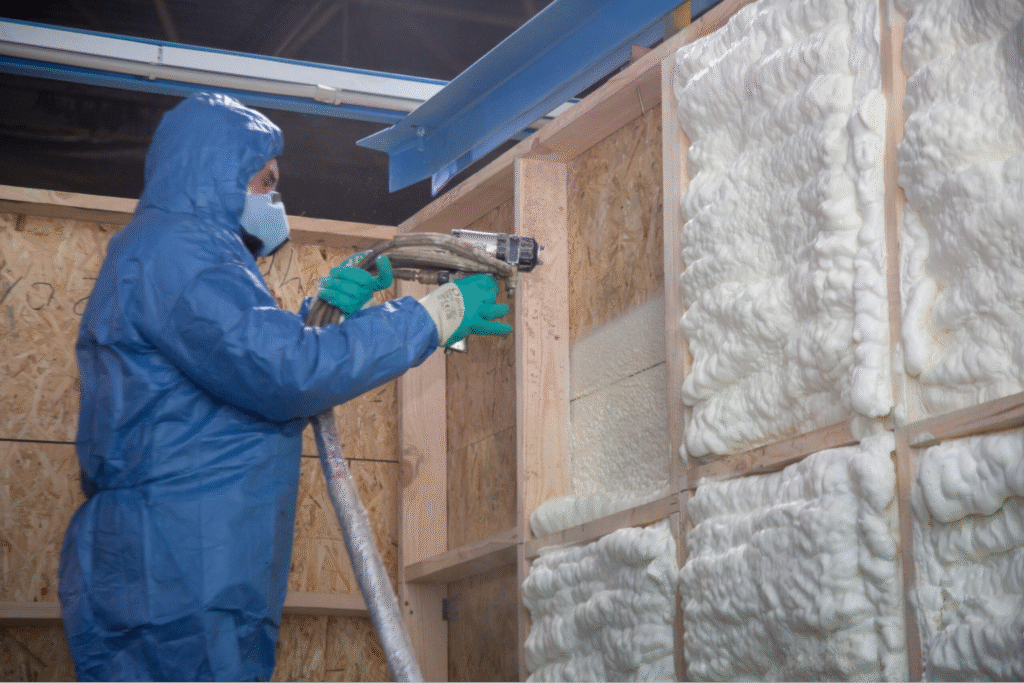
- Spray foam insulation and blown-in fiberglass seal gaps, improve energy efficiency, and protect your home from pest infestations.
Signs Your Attic Insulation Is Failing
Your attic works hard to keep your home comfortable all year long. When insulation fails, it stops doing its job, and you start feeling it in your utility bills and in your living room.
We work with homeowners, property owners, builders, and contractors across Iowa, and these five signs come up on nearly every job site. If any of them sound familiar, it’s time to take a closer look.
Rising Energy Bills
Your electricity bill arrived, and the number made you pause. If your monthly cooling or heating costs keep climbing without a clear reason, failing attic insulation could be the cause.
Poor insulation lets heat escape in winter and allows warm air to push through your ceiling in summer. Your HVAC system ends up running longer to keep up, and that extra runtime shows up on your bill every single month. Watch for these common signs that insulation is hurting your energy costs:
- Energy bills that spike each summer or winter with no change in usage habits.
- Your HVAC is running almost constantly, even on moderate weather days.
- A sudden jump of 20% or more in monthly utility costs.
We see this pattern across Iowa homes every year. One homeowner in Des Moines noticed a 30% jump in winter heating costs before reaching out to us. After assessing their attic, we found insulation layers so thin they barely qualified as coverage. Upgrading to spray foam brought their next bill down significantly.
We work with home insulation contractors in Des Moines and surrounding areas to tackle energy efficiency issues directly. Proper attic insulation acts like a thermal blanket for your home, keeping conditioned air inside where it belongs.
Precision Insulation & Coatings offers comprehensive services to address the insulation problems driving up your costs. The question isn’t whether you can afford to fix your attic. It’s whether you can afford not to.
Inconsistent Indoor Temperatures
Your home should feel comfortable from one room to the next. If some rooms feel like an oven while others stay cool, failing attic insulation is often behind it. We see this constantly in Iowa homes. Heat escapes through your roof in winter, and in summer, it pours in instead. Your air conditioning runs harder to compensate, but it never fully catches up.
Many homeowners first notice this in upstairs bedrooms or corner rooms. One space might feel ten degrees warmer than another, even with the thermostat set to the same temperature. That gap points directly to an attic problem. Signs that temperature inconsistency is an insulation issue, not just an HVAC one:
- Upper floors feel noticeably hotter than lower floors during summer.
- Corner rooms or rooms above the garage stay at different temperatures.
- Your thermostat reads one temperature, but the room feels different.
- Comfort improves on mild days but disappears when temperatures spike.
The root cause often traces to settled insulation or moisture damage. We’ve found that fiberglass batts compress over time, losing their ability to resist heat flow. When that happens, your thermal barrier weakens across your entire ceiling. The US Department of Energy recommends an insulation value of R-49 to R-60 for attics in Climate Zones 5 and 6, which covers all of Iowa.
If your attic falls short of that range, the temperature swings in your home make a lot more sense. That target is a great benchmark to bring up when contacting insulation contractors near me or any local professional for an assessment.
Drafts or Hot Spots in Your Home
Temperature differences between rooms are frustrating. But drafts creeping through your home take it to another level. They waste energy fast, and they point to a real problem above your head.
We’ve walked through countless Iowa homes where one room felt like an icebox and the next felt like an oven. These hot spots and cold zones point directly to failing attic insulation. Fiberglass batts compress over time and lose their ability to resist heat flow.
When insulation settles or breaks down, air finds pathways it shouldn’t have. Attic moisture can speed up this process, creating weak spots where heat escapes in winter and floods in during summer. Pay attention to these specific spots in your home:
- Drafts near ceiling corners or around recessed lights.
- Temperature differences between your first and second floors.
- Hot spots near exterior walls, especially in rooms below the roofline.
These problems don’t resolve on their own. Each season makes them a little bit worse.
Visible Damage or Thin Insulation Layers
Sometimes you don’t need a professional to tell you something’s wrong. You just need a flashlight and a few minutes in your attic. During our years working in Iowa attics, we’ve seen insulation that looks like it lost a fight with time.
Compressed batts, sagging fiberglass, water-stained materials, and mold growth all signal trouble ahead. Rodents love to nest in insulation, shredding it into useless clumps that no longer protect your home. When you’re up there, look for these specific warning signs:
- Bare patches or sections where insulation has shifted.
- Dark discoloration or water staining on insulation surfaces.
- Mold growth or a musty odor near insulation materials.
- Compressed or matted layers that look flat against the attic floor.
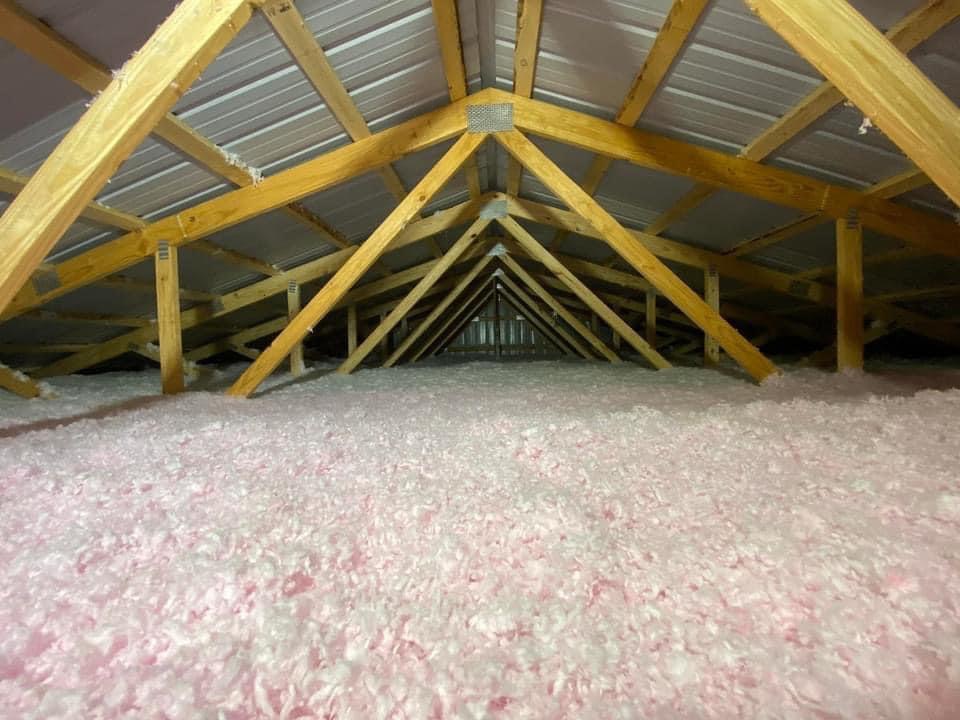
Depth matters a great deal here. Iowa homes need enough coverage to reach the DOE’s recommended R-49 rating. Building science data from the Department of Energy shows that 7 to 8 inches of closed-cell spray foam achieves that R-49 rating, but traditional fiberglass requires a depth of 15 to 18 inches to provide the same thermal protection. That’s a significant difference when you’re assessing what you already have up there.
We’ve pulled out insulation so deteriorated it crumbled in our hands like old paper. This breakdown happens faster when moisture seeps in or pests settle in. Thin or settled layers leave gaps where air escapes your conditioned space, and your energy bills reflect that loss every month.
Replacing damaged insulation with modern spray foam or fresh fiberglass batts restores your home’s thermal barrier. Addressing visible damage now prevents bigger problems down the road, including structural damage from moisture and escalating energy waste throughout the summer.
Pest Infestations in the Attic
Thin insulation layers and visible damage create an open invitation for unwanted guests. Rodents, insects, and other pests love deteriorating attic spaces because they offer shelter and easy access to your home.
We’ve seen many Iowa properties where failing insulation became a highway for mice, squirrels, and raccoons to settle in. These critters compress insulation, create pathways through materials, and leave behind droppings that contaminate everything they touch.
Watch for these signs that pests may have moved into your attic insulation:
- Droppings on or near insulation materials
- Chewed or shredded insulation sections
- Scratching or rustling sounds during quiet evenings
- Foul odors coming from your attic space
The health risks go further than most homeowners expect. Public health and pest control experts warn that airborne pathogens from pest droppings in deteriorating insulation can easily be pulled into a home’s living spaces through unsealed attic floor gaps. Your HVAC system can carry those pathogens into the air you breathe every day.
Addressing pest infestations requires more than removing the animals. You need to seal their entry points and restore your attic insulation. Replacing compromised materials with quality spray foam insulation or fiberglass stops pests from accessing your home while improving your energy efficiency at the same time.
Solutions to Address Failing Attic Insulation
We have practical solutions that address failing attic insulation and restore your home’s energy performance. Our team at Precision Insulation & Coatings offers proven strategies to get the job done right.
- Schedule a free on-site insulation estimate to assess your attic’s current condition and identify problem areas. Our professionals evaluate R-value levels, air leaks, and thermal barriers to create a customized action plan for your home.
- Upgrade to spray foam insulation for superior air sealing and thermal protection in your attic space. This solution fills gaps and cracks that traditional materials miss, delivering better energy efficiency and lower utility costs. According to 2026 pricing data, professional spray foam installation typically costs between $1.50 and $4.50 per square foot, depending on whether open-cell or closed-cell foam is used. That gives you a realistic starting point for budgeting your project this summer.
- Install blown-in fiberglass insulation to replace thin or damaged layers throughout your attic. We apply this material evenly across your entire attic floor, creating consistent thermal coverage that stops heat loss.
- Perform comprehensive attic air sealing to close penetrations around electrical wiring, plumbing vents, and ductwork. Sealing these leaks prevents conditioned air from escaping and reduces your cooling costs during Iowa summers.
- Add thermal barrier improvements by combining insulation retrofits with proper ventilation strategies. Our building science approach protects your home from temperature swings and moisture problems that damage insulation performance.
- Consider insulation retrofits for existing homes that lack adequate protection or show signs of settling. We handle both residential properties and new construction projects with the same attention to energy efficiency standards.
- Consult with our team about which insulation type works best for your specific attic layout and climate needs. Spray foam and fiberglass each offer distinct advantages depending on your home’s structure and budget.
Conclusion
Your Iowa home faces real challenges during summer heat, and failing attic insulation makes those challenges worse. Addressing these five warning signs now prevents costly energy bills and uncomfortable indoor temperatures later.
Precision Insulation & Coatings has helped hundreds of Iowa homeowners solve attic insulation problems with spray foam and blown-in fiberglass solutions built for our local climate.
Contact our team for a complimentary on-site estimate. Whether you’re searching for home insulation contractors in Des Moines, IA, or need a trusted partner for a larger commercial insulation project, we’re ready to help. Your comfort and savings start with taking action today.
FAQs
1. How do I know if my attic insulation is failing?
We tell homeowners to watch for rising energy bills, rooms that feel hot or cold compared to others, and ceiling areas that feel warm to the touch in summer. According to the U.S. Department of Energy, up to 25% of your home’s conditioned air can escape through a poorly insulated attic. If your Iowa home feels like an oven upstairs during summer, we recommend scheduling an attic inspection right away.
2. Can failing attic insulation affect my energy bills?
Yes. When your attic insulation fails, your air conditioner runs longer and harder to keep your home comfortable, which can increase your cooling costs by 15% or more each month.
3. What type of attic insulation works best for Iowa homes?
We’ve found that spray foam and blown-in insulation both perform well in Iowa’s extreme temperature swings. For Iowa attics, we typically recommend achieving an R-value between R-49 and R-60 to meet ENERGY STAR guidelines for our climate zone.
4. How often should I check my attic insulation?
We recommend inspecting your attic insulation once a year, ideally in late spring before the summer heat arrives. Catching issues like moisture damage, settling, or pest intrusion early can save you hundreds in energy costs and prevent bigger repairs down the road.