Does your upstairs bedroom become uncomfortably hot as soon as the Iowa summer begins?
You may notice that while your air conditioning system keeps the lower level comfortable, the upper floor remains significantly warmer. This temperature imbalance is a common concern among homeowners and often indicates underlying insulation and airflow issues.
With extensive hands-on experience installing spray foam insulation and attic systems across Des Moines and nearby areas, we have consistently found that inadequate or poorly installed insulation is responsible for the majority of upstairs heat retention issues.
This guide explains why upper levels tend to trap heat and outlines effective, long-term solutions to improve indoor comfort. It also highlights how working with experienced spray foam insulation contractors in Iowa can help create a more balanced and energy-efficient living environment.
Let us walk you through the key factors and practical solutions that make a lasting difference.
Key Takeaways
- Poor insulation and air sealing cause about 87% of upstairs heat problems in Iowa homes during the summer months.
- Hot air rises and gets trapped upstairs, making temperatures 10 to 15 degrees higher than downstairs without proper sealing.
- Inadequate attic ventilation allows temperatures to soar 20 to 30 degrees higher than outdoor air in trapped spaces.
- Spray foam insulation creates airtight seals that stop heat from entering walls and attic spaces more effectively than fiberglass.
- Proper attic ventilation combined with spray foam insulation upgrades reduces energy bills and keeps upper floors comfortable year-round.
Common Causes of Heat Buildup Upstairs
Heat climbs upstairs because hot air rises, and your upper floors trap that warmth. When your home lacks proper sealing and ventilation, that trapped heat has nowhere to go.
Poor insulation and air sealing
Poor insulation and air sealing create open pathways for summer heat to invade your home. Hot air finds every crack, gap, and weak spot in your attic and walls. These openings act like open doors, letting outdoor temperatures take over your living spaces. We see this problem constantly in Iowa homes, and it drains energy efficiency faster than most homeowners expect.
Air sealing problems compound the insulation issue. We apply building science principles to find exactly where conditioned air escapes and unconditioned air sneaks in. Common problem areas include:
- Gaps around electrical outlets and light fixtures
- Poorly sealed or leaking ductwork
- Thin or aging insulation in attic floors and walls
- Unsealed attic bypasses above partition walls
As a spray foam insulation contractor serving Des Moines and surrounding Iowa communities, our team at Precision Insulation & Coatings seals these problem areas with precision. Fiberglass insulation alone cannot stop air movement the way modern spray foam can.
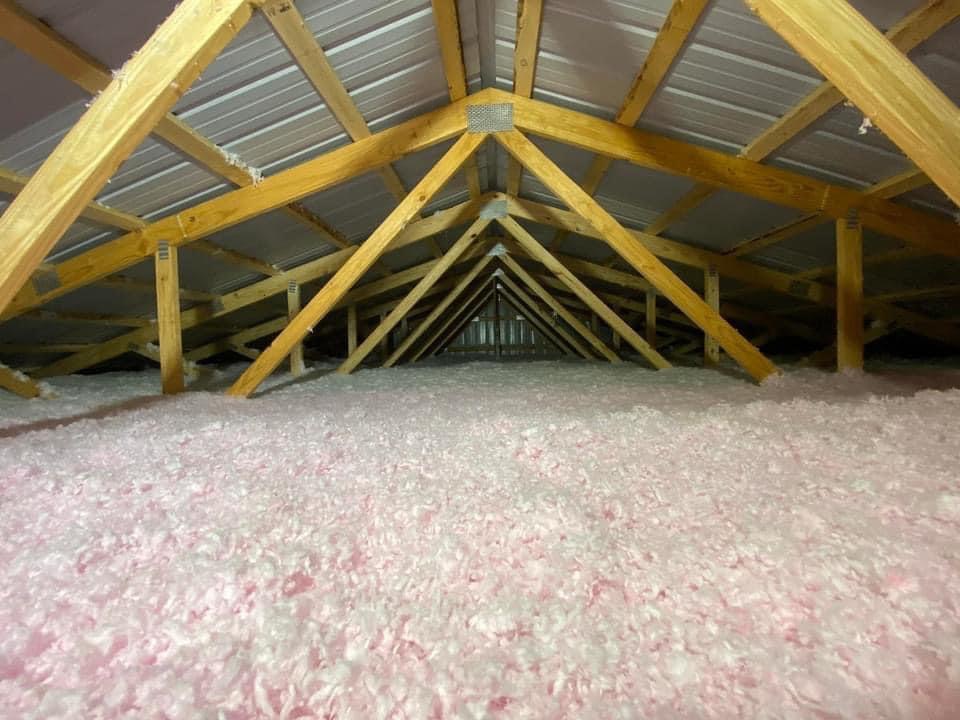
According to the U.S. Department of Energy’s updated guidelines for Climate Zone 5, Iowa homes should have attic insulation rated between R-49 and R-60. Most older homes fall well short of that target, which is exactly why upstairs rooms stay so uncomfortable all summer long. Your attic becomes a thermal superhighway without proper air sealing.
We’ve inspected countless Iowa homes where inadequate air sealing allowed hot air to settle directly above bedrooms and living areas. The result: your upstairs temperature climbs 10 to 15 degrees higher than downstairs. Building science doesn’t lie: air leaks and poor insulation create the perfect storm for summer heat buildup.
We offer free on-site insulation estimates to assess your specific situation. Our spray foam insulation cost varies based on your home’s size and current conditions. Insulation retrofits for existing homes address these exact problems, combining spray foam application with comprehensive air sealing.
Inadequate ventilation systems
Most Iowa homes suffer from poor attic ventilation, and this problem drives heat straight into upstairs bedrooms. We see it on job sites across Des Moines and the surrounding areas every summer. Hot air gets trapped in the attic space because it has nowhere to escape. Soffit vents and ridge vents should work together to create airflow, but many homes lack a proper balance between intake and exhaust.
Without that balance, attic temperatures can soar 20 to 30 degrees higher than the outdoor air. Data from the U.S. Department of Energy shows that poorly ventilated attics can easily reach 150 degrees Fahrenheit on a 90-degree summer day. That’s an enormous amount of heat pressing down on your bedroom ceiling.
- Debris, insulation, and construction materials often clog soffit vents, blocking cool air from entering the attic.
- Missing or unbalanced ridge vents trap hot air with no exit path.
- Stagnant air pockets form and hold heat like a sealed container.
- That trapped heat radiates down through your ceiling by mid-afternoon.
Our home insulation contractors in Des Moines remove blockages and install proper ventilation systems that let air move freely. Attic fans can pull hot air out during peak heat hours when passive ventilation isn’t enough.
We recommend having your attic ventilation inspected before summer arrives. Inadequate systems cost you money through higher cooling bills and reduced comfort. Addressing ventilation now prevents you from sweating through another scorching Iowa summer.
Solutions to Keep Your Upstairs Cool
Most upstairs heat problems come down to two main issues: your insulation isn’t doing its job, and your attic can’t breathe properly. Fixing both of these transforms your home into a comfortable space where you actually want to spend your summer.
Upgrading insulation with spray foam
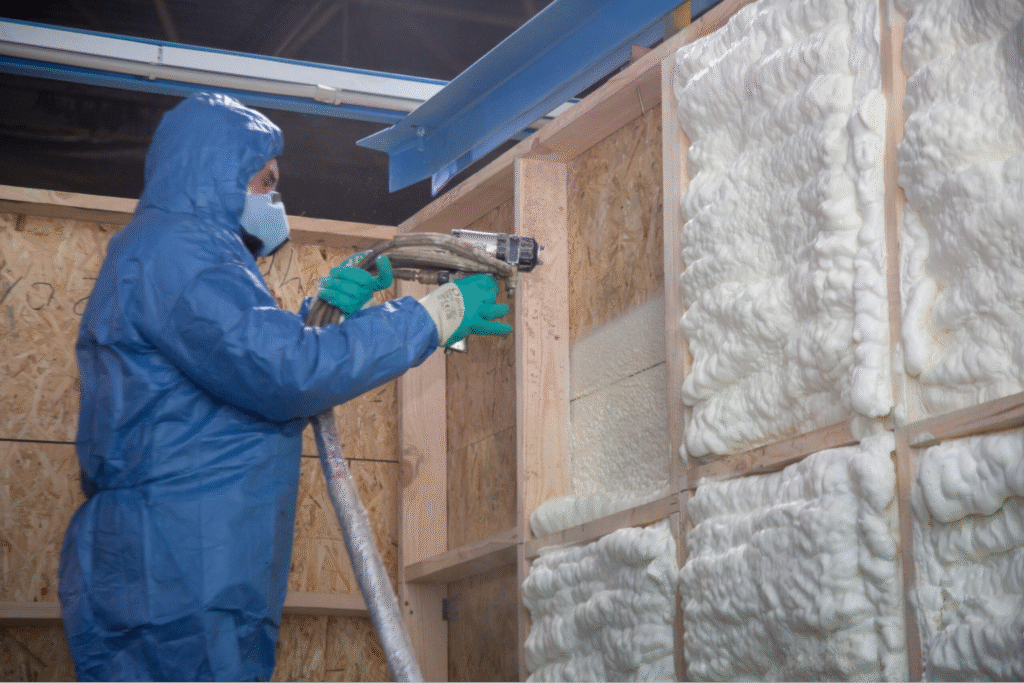
Spray foam insulation tackles the root cause of upstairs heat problems in Iowa homes. Our team at Precision Insulation & Coatings has installed thousands of spray foam systems that keep second floors significantly cooler during the summer months. Two main types are available, and each serves a different need:
- Closed-cell spray foam creates an air-tight seal that stops heat from entering through walls and attic spaces, reducing indoor temperatures significantly compared to older fiberglass systems.
- Open-cell spray foam offers a more affordable option while still providing excellent thermal resistance and air sealing for homeowners on tighter budgets.
- Our technicians apply spray foam directly to roof decking and wall cavities, eliminating air gaps where summer heat sneaks in and drives up cooling costs.
- Spray foam expands to fill every crack and crevice, something traditional insulation simply cannot do, making it far superior for blocking heat transfer in irregular attic areas.
The financial side of spray foam also works in your favor. These are the key things to know before you commit:
- Lower energy bills follow spray foam installation because your air conditioning system works less hard to maintain comfortable temperatures throughout the house.
- Under the extended 2026 IRS guidelines for the Energy Efficient Home Improvement Credit, homeowners can claim 30% of insulation and air sealing costs, up to $1,200 annually through 2032.
- Spray foam installation pairs perfectly with Iowa roof coatings to reflect additional solar heat away from your home’s exterior during peak summer temperatures.
- Spray foam maintains its insulating value for decades, protecting your investment and keeping upstairs areas comfortable year after year without settling or degradation.
We provide free on-site insulation estimates so you can understand exactly how spray foam will solve your specific heat problems. Attic air sealing with spray foam prevents hot air from circulating into upper bedrooms, making these spaces livable again during Iowa’s hottest months.
Improving attic ventilation and airflow
Upgrading insulation with spray foam creates a solid foundation. Proper airflow completes the cooling puzzle. Attic ventilation works hand-in-hand with insulation to move hot air out before it settles into your living spaces. Here are the core steps our team takes:
- Install soffit vents along your eaves to pull cool air into the attic from outside, creating a natural circulation path that fights summer heat buildup.
- Add ridge vents at your roofline to let hot air escape upward and out of the attic, preventing it from radiating down into bedrooms.
- Clear blocked vents and debris that restrict airflow, since obstructed ventilation defeats the purpose of having vents installed in the first place.
- Use gable vents on end walls to increase cross-ventilation and move air through the attic more efficiently during hot months.
- Install attic fans that pull hot air out mechanically when passive ventilation alone cannot keep temperatures down in your upper floors.
A few additional details make a real difference in how well your system performs:
- Check that insulation does not cover soffit vents, as this common mistake blocks the cool air intake your attic needs.
- Space ventilation openings evenly across your roof to prevent hot spots from forming in certain areas.
- Maintain proper ventilation ratios so that enough intake and exhaust vents work together, keeping heat from accumulating upstairs.
Combining ventilation improvements with insulation upgrades gives you the best cooling results throughout your entire home during Iowa summers. Based on 2026 incentive programs from major Iowa utilities, you may also qualify for residential rebates that stack with your federal tax credits, making these upgrades even more affordable.
Have a professional inspect your attic ventilation system to identify gaps or inefficiencies that reduce cooling performance. Our team serves homeowners, property owners, and builders throughout Des Moines and Iowa.
Benefits of Addressing Heat Issues
Fixing heat problems upstairs transforms your home into a comfortable retreat during Iowa’s sweltering summers. You’ll also watch your energy bills drop as your cooling system works smarter, not harder.
Enhanced comfort and energy efficiency
Addressing heat issues upstairs makes a real difference, no matter how hot Iowa summers get. Hot upper floors drain your energy budget faster than most people realize. Our attic air sealing and thermal barrier upgrades stop heat from sneaking into living spaces where your family spends time. Spray foam insulation creates a protective shield that keeps cool air where it belongs.
Based on 2026 contractor pricing averages across Iowa, closed-cell spray foam typically runs $1.50 to $2.50 per board foot and provides a superior moisture and air barrier. Open-cell foam is a more budget-friendly option at $0.50 to $1.00 per board foot, still delivering solid thermal performance.
| Spray Foam Type | Cost Per Board Foot | Best For |
| Closed-Cell | $1.50 to $2.50 | Superior air and moisture barrier, attics and crawl spaces |
| Open-Cell | $0.50 to $1.00 | Budget-friendly thermal barrier, interior walls, and ceilings |
Lower energy bills follow naturally when your HVAC system doesn’t work overtime fighting poor insulation and inadequate ventilation. Homeowners who upgrade their insulation see real savings on monthly utility costs and enjoy rooms that stay comfortable all season long.
We’ve helped countless Iowa property owners reclaim their upstairs spaces through strategic insulation retrofits. Your home’s energy efficiency improves dramatically once we seal air leaks and boost insulation performance in the attic. Our free on-site insulation estimates give you clear insight into what your specific home needs.
Conclusion
Your upstairs doesn’t have to feel like an oven every summer. We’ve seen how poor insulation and weak air sealing create heat traps in Iowa homes. The good news is that solutions exist.
Spray foam insulation and attic ventilation upgrades work together to stop hot air from settling where your family sleeps and relaxes. When you address these issues, your cooling costs drop, your comfort rises, and your home finally feels balanced from top to bottom.
Reach out to Precision Insulation & Coatings for a free on-site estimate, and let’s get your upstairs back to a livable temperature.
FAQs
1. Why is my house so hot upstairs in summer?
Heat naturally rises, and in Iowa summers, your upper floor can be 10-15 degrees hotter than downstairs. We see this all the time – poor attic insulation, blocked vents, and radiant heat from the roof turn your second floor into an oven. Your HVAC system has to work overtime just to keep up.
2. Can poor insulation make my upstairs hotter?
Absolutely – inadequate attic insulation is the number one culprit we find in hot upstairs rooms. We recommend at least R-49 insulation in Iowa attics to block summer heat effectively.
3. Does my HVAC system affect upstairs temperatures?
Yes, and we often find that undersized systems or leaky ductwork can’t push enough cool air to upper floors. Check your vents and filters first, then give us a call if the problem continues.
4. What is the quickest fix for a hot upstairs in summer?
Start by checking that your attic vents aren’t blocked and your air return vents are clear. We’ve seen simple airflow fixes drop upstairs temps by 5-8 degrees right away.