Old insulation can cause more trouble than most homeowners expect. In Iowa, attics and crawl spaces face freezing winters, humid summers, roof leaks, pest activity, dust buildup, and major temperature swings. Once insulation becomes wet, compressed, contaminated, or uneven, adding more material over the top may not solve the real problem.
That is why insulation removal should be handled carefully. A good contractor looks at why the insulation failed, whether the attic has air leaks, whether moisture has been present, and what should happen before new insulation goes back in.
For homeowners comparing insulation removal Des Moines options, the goal should be simple: remove damaged material safely, clean the space properly, and prepare the home for better performance. At Precision Insulation & Coatings, we work across Des Moines and Central Iowa with homeowners who want practical recommendations and insulation solutions built for Iowa weather.
Here are seven mistakes to avoid before hiring an insulation removal contractor in Iowa.
Mistake 1: Hiring Based on the Lowest Price Alone
Price matters, especially when you are dealing with higher utility bills, attic concerns, or an unexpected home repair. Still, the lowest quote can cost more later if the contractor skips cleanup, leaves damaged material behind, or fails to check the cause of the problem. Insulation removal can involve old fiberglass, loose blown-in insulation, dust, pest debris, and material packed around wiring, vents, and framing.
A proper estimate should explain what will be removed, how the home will be protected, how debris will be handled, and what happens after the attic is cleared. Before choosing an insulation removal contractor, Iowa homeowners should ask for a clear scope of work. Does the price include bagging and disposal? Will the crew protect living areas? Will they inspect the attic floor after removal? Will they point out air leaks, damaged vents, or moisture concerns?
The U.S. Department of Energy recommends getting written estimates and asking contractors about their experience with the insulation product being used. That same thinking applies to removal. A written scope helps you compare real value, not just the number at the bottom. Cheap work often becomes expensive when hidden debris, weak airflow, or attic gaps remain.
A fair quote should match the condition of the attic and the amount of work needed to prepare it for new insulation. Contact Precision Insulation & Coatings for a free insulation estimate.
Mistake 2: Ignoring Why the Old Insulation Failed
Removing insulation without finding the cause of failure is like replacing wet carpet without fixing the leak. The attic may look cleaner for a short time, but the same issue can return. Old house insulation Iowa homeowners find in attics often fails for a reason. It may be compressed from age, disturbed by service work, damaged by roof leaks, contaminated by rodents, or affected by poor ventilation.
In many homes, warm indoor air leaks into the attic through gaps around lights, plumbing penetrations, bath fans, top plates, or attic hatches. During cold Iowa winters, that escaping air can contribute to condensation and attic moisture. The EPA notes that moisture control is central to preventing mold problems, and wet materials should be dried quickly to limit mold growth.
If existing insulation has stains, odor, or visible contamination, the source needs attention before replacement. A professional contractor should not treat removal as a stand-alone task. The better question is, “What caused this insulation to fail, and what needs to change before new material goes in?”
For attic insulation in Des Moines homes, common concerns include bathroom fans venting into the attic, blocked soffit vents, roof leaks, ceiling air leakage, and insulation moved during electrical or HVAC work. The real goal is a dry, sealed, properly insulated space.
Mistake 3: Installing New Insulation Over Contaminated Material
Some insulation can stay in place if it is dry, clean, and performing correctly. Contaminated insulation is different. If insulation has been exposed to pests, urine, droppings, moisture, smoke, or heavy dust, covering it with new material may trap the problem instead of correcting it. This is especially important with fiberglass insulation Des Moines homeowners often have in older attics.
Fiberglass can work well when installed correctly, but it can also hold dust and lose performance when compressed, disturbed, or contaminated. Once material is matted down, wet, or filled with debris, it will not perform like clean insulation at the right depth. Covering bad insulation can also make future work harder. If new material is blown over contaminated insulation, the next crew may have to remove both layers later.
A trustworthy insulation contractor should explain whether removal is necessary or whether selective cleanup is enough. Not every attic needs a full removal. But when the material is damaged, removal gives the home a better reset. For home insulation Des Moines, IA projects, honest inspection matters.
The contractor should show photos, explain what they found, and recommend the next step based on the condition rather than using the same answer for every house. At Precision Insulation & Coatings, we believe homeowners deserve direct explanations. If old material can stay, that should be said. If it needs to come out, the reason should be clear.
Mistake 4: Skipping Air Sealing Before New Insulation
One of the biggest insulation mistakes is removing old material and immediately installing new insulation without air sealing. Insulation slows heat transfer. Air sealing helps stop uncontrolled air movement. Both matter. The Department of Energy explains that reducing air leakage can lower heating and cooling costs, improve comfort, improve durability, and help create a healthier indoor environment.
In Iowa homes, air leakage can show up as drafts, uneven rooms, cold floors, high heating bills, and attic frost concerns. During insulation removal, the attic floor is exposed. That creates a valuable opportunity to seal gaps that are normally buried under insulation. Common areas include plumbing chases, electrical penetrations, can lights, attic hatches, dropped soffits, bath fan penetrations, and wall top plates.
This step is especially important before adding blown-in or fiberglass insulation that Des Moines homeowners expect to last. A good insulation removal contractor Iowa homeowners can trust should talk about air sealing before replacement. If the estimate only says “remove and replace” with no mention of attic bypasses, airflow, or sealing, ask more questions.
The best results usually come from a clear sequence: remove damaged material, inspect the attic, air seal where needed, correct ventilation or moisture concerns, then install the right insulation system.
Mistake 5: Not Checking Ventilation and Moisture Conditions
Attic insulation and ventilation work together. If the attic cannot manage airflow properly, moisture problems can build up over time. If vents are blocked, bath fans dump humid air into the attic, or roof ventilation is unbalanced, new insulation may not perform as expected. Iowa weather makes this even more important.
Winters can create condensation risks when warm indoor air reaches cold attic surfaces. Summers can bring heat and humidity that put more stress on the roof deck and attic space. The EPA’s indoor air quality guidance notes that source control, ventilation, and filtration can help reduce indoor pollutants and improve indoor air quality.
For insulation projects, that means the contractor should think about the whole attic environment, not only the material being removed. Before hiring for insulation removal, Des Moines homeowners should ask whether the contractor checks for moisture staining, blocked soffits, bathroom fan discharge, roof deck concerns, and signs of pest entry.
These issues do not always mean a major repair is needed, but they should not be ignored. A contractor should also avoid burying ventilation pathways with new insulation. In many vented attic systems, baffles may be needed near the eaves to maintain airflow from the soffits. Without the right airflow, insulation upgrades can create frustration later.
Our team focuses on practical recommendations for Central Iowa homes. Sometimes the answer is removal and replacement. Sometimes it includes air sealing, ventilation improvements, or a different insulation material for the space. The right plan depends on what the attic actually needs.
Mistake 6: Forgetting About Safety and Cleanliness
Insulation removal is messy work. It can involve dust, loose fibers, old debris, nails, tight attic spaces, heat, and limited visibility. If insulation has pest damage or moisture exposure, the cleanup needs even more care. Homeowners should be cautious about hiring anyone who treats removal like simple trash cleanup.
A professional crew should protect the home, use proper equipment, control debris, and keep the work area organized. Safety also applies after removal. The attic floor may have exposed wiring, open framing, recessed fixtures, ductwork, nails, or uneven walking areas. Crews need experience working around those conditions.
For insulation contractors in Des Moines, Iowa, homeowners are comparing, cleanliness should be part of the hiring decision. Ask how the crew removes material, what equipment they use, and how they handle disposal. Ask whether they take before-and-after photos so you can see the attic’s condition.
A clean removal is not just about appearance. It helps reveal the attic’s true condition and creates a better foundation for new insulation. If a contractor rushes this step, the finished project may look fine on top while problems remain underneath.
Mistake 7: Choosing a Contractor Without Local Iowa Experience
Insulation work is not the same in every state. Iowa homes deal with cold winters, hot summers, humidity, wind, snow, and wide temperature swings. A contractor who understands these conditions can make better recommendations than someone using a one-size-fits-all approach.
Local experience matters when deciding whether to remove old material, what type of insulation should replace it, and how to handle attic air sealing. It also matters for homes around Des Moines, where older houses, additions, finished attic spaces, farm homes, and newer builds may all have different insulation challenges.
When researching home insulation Des Moines, IA services, look for a company that understands Central Iowa construction and climate. Ask about similar projects. Ask whether the contractor works on residential, commercial, and agricultural buildings. Ask what they look for during an inspection.
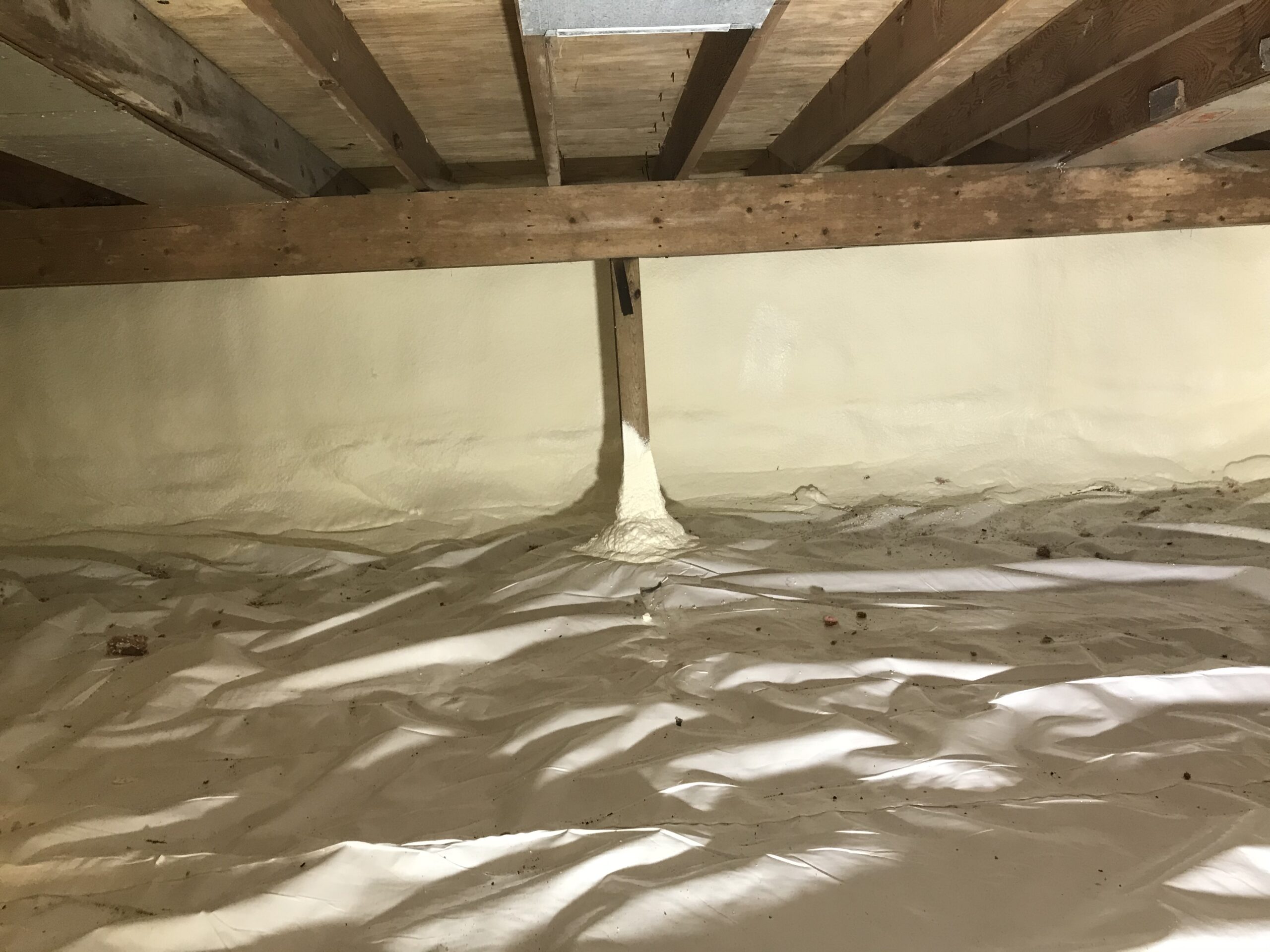
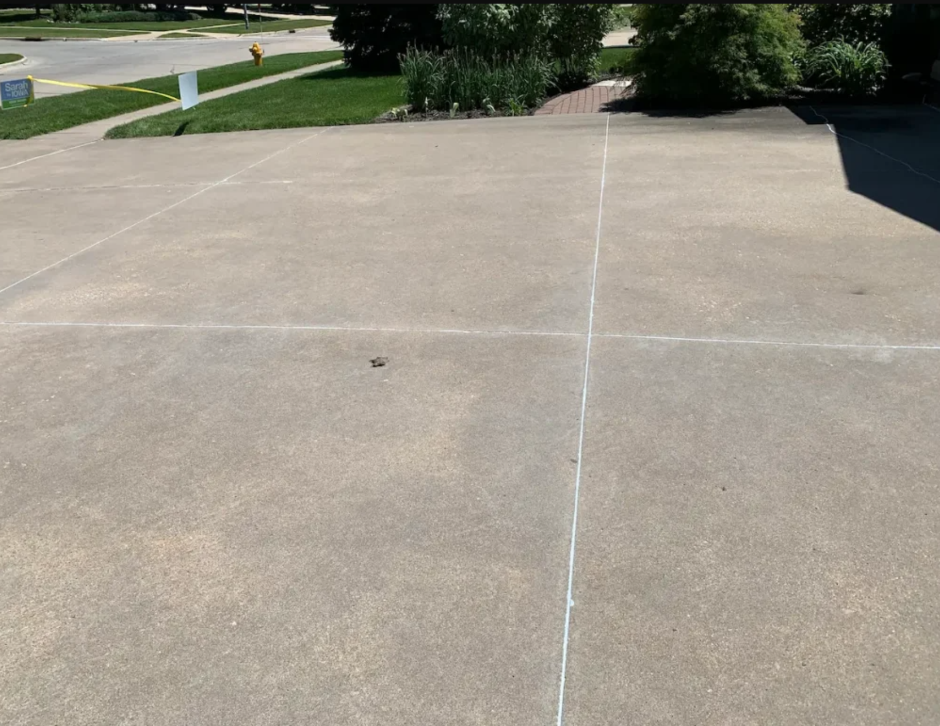
We work with homeowners and property owners across Des Moines and Central Iowa. Our work includes spray foam insulation, fiberglass insulation, concrete leveling, roof coatings, and related solutions built to improve comfort, efficiency, and durability.
That local background matters during insulation removal. The right contractor should not push a product before understanding the problem. They should explain the condition of the existing insulation, the cause of damage, and the best path forward for the home.
What to Ask Before You Hire an Insulation Removal Contractor
Before scheduling insulation removal, ask a few direct questions. What is included in the removal price? Is disposal included? How will the crew protect the home? Will they inspect for moisture, pest activity, air leaks, and ventilation concerns? What type of insulation do they recommend after removal, and why?
You should also ask whether photos will be provided. Most homeowners do not want to climb through an attic, and they should not have to. Photos help document the attic before removal, after cleanup, and after installation. A good contractor should welcome these questions.
If you are comparing insulation removal Des Moines companies, do not rush the decision. Damaged insulation can affect comfort, energy use, odors, and indoor conditions. The right contractor will help you understand what is happening and what should be done next.
When Insulation Removal Makes Sense
Removal is not always required, but it is often the right choice when insulation is wet, heavily compressed, contaminated, damaged by pests, smoke-affected, or uneven beyond simple correction. It may also make sense before major air sealing or when changing insulation systems. For attic insulation in Des Moines homes, removal can uncover problems that were hidden for years.
Once the old material is gone, the contractor can see gaps, stains, wiring issues, pest paths, and areas where insulation coverage was never correct. This is also the right time to think about the long-term plan. Some homes may be best served with fiberglass insulation, while others may benefit from spray foam in specific areas.
A smart insulation plan should improve comfort without creating moisture problems or covering up concerns. That is why the removal step matters. It gives the home a cleaner starting point and gives the contractor the information needed to recommend the right replacement.
The Bottom Line
Hiring for insulation removal in Iowa should not feel complicated, but it does require careful questions. Avoid choosing based only on price. Do not ignore moisture, air leaks, ventilation, contamination, or cleanup standards. Most importantly, do not let anyone cover old problems with new insulation without explaining what they found.
At Precision Insulation & Coatings, we help homeowners across Des Moines and Central Iowa make informed decisions about insulation removal, fiberglass insulation, spray foam, attic insulation, and full-home insulation improvements. Our goal is to give you a cleaner, better-prepared space and an insulation plan that fits your home.
If your attic insulation looks damaged, smells musty, feels uneven, or no longer helps your home stay comfortable, it may be time for an inspection. A careful look now can prevent bigger problems later and help your home perform better through every Iowa season. Contact us for more details on your specific insulation needs.
FAQs
1. When should old attic insulation be removed in Iowa?
Old attic insulation should be removed when it is wet, moldy, pest-damaged, heavily compressed, or contaminated with dust and debris. In Iowa homes, removal also makes sense before air sealing when the attic floor needs inspection and proper project preparation.
2. How do I choose an insulation removal contractor in Iowa?
Choose an insulation removal contractor Iowa homeowners trust by checking experience, cleanup process, safety practices, written estimates, and local project knowledge. A good contractor should inspect the attic, explain damage clearly, and recommend removal only when it benefits your home.
3. Can new insulation be installed over old fiberglass insulation?
New insulation can sometimes go over clean, dry fiberglass insulation, but not when it is wet, contaminated, compressed, or pest-damaged. For fiberglass insulation in Des Moines homes, a contractor should inspect the condition first and confirm whether removal or correction is better.
4. Why is air sealing important after insulation removal?
Air sealing matters because insulation alone does not stop uncontrolled air leaks. After removal, attic gaps around lights, plumbing, fans, and top plates are easier to reach. Sealing those areas helps improve comfort, efficiency, and long-term insulation performance overall, too.
5. How long does insulation removal usually take?
Most residential insulation removal projects take one day, but timing depends on attic size, access, insulation type, contamination level, and cleanup needs. Larger or heavily damaged attics may take longer, especially when air sealing or replacement insulation is also included.