Have you recently installed spray foam in your home? There must be a faint odor of chemicals. But should you worry? The answer is really no. Homeowners panic the moment they smell anything unfamiliar. But it depends entirely on the product, the installer, and the cure time whether it is a reason for concern or not.
Bad installations do affect indoor air quality, but good ones rarely cause lasting problems at all. That distinction matters more than most marketing pages admit. And it’s exactly why choosing a qualified spray foam insulation company in Iowa matters so much.
Iowa winters demand tight, well-sealed homes. But insulating a house too aggressively without ventilation creates its own set of problems. In this blog, you will get a deep insight into what actually happens chemically, what real risks exist, and how to avoid them completely. Let’s go ahead and read it!
What’s Actually Happening Chemically During Installation
Spray foam starts as two liquid chemicals. They react on contact, expanding into solid foam within seconds. The mixing releases gases temporarily, and this is where most air quality concerns actually originate.
The following are some factors that determine whether your home stays safe during and after installation:
- Proper mixing ratios between the two chemical components
- Adequate cure time before anyone re-enters the space
- Correct ventilation during and immediately after spraying
- Product quality and manufacturer certification standards
- Installer experience and adherence to safety protocols
If any of these conditions are wrong, off-gassing can linger much longer than it should.
Many a time, people complain of having constant headaches for weeks, which can be due to skipping proper mixing checks by the installer. This leads to the foam not curing correctly, which in turn was the reason behind the suffering of the residents.
During application, a trusted spray foam insulation company always checks mixing ratios properly. They also enforce strict reentry timelines, generally twenty-four hours minimum before anyone returns inside.
Open-cell foam insulation contractors use foam that behaves differently once it cures. Because it’s lighter and less packed, gases trapped inside work their way out faster. Closed-cell spray foam installers apply a different path entirely. Its denser structure holds gases a bit longer, so off-gassing can stretch out slightly, especially in tighter, less-ventilated rooms.
If fully cured, neither type is dangerous. It is at risk only during and immediately after application. Research from the EPA confirms this pattern too. Properly cured spray foam poses minimal ongoing air quality risk to occupants.
How To Protect Your Home’s Air Quality During Installation
Now, the question is, how do you actually protect yourself? Start before the crew even arrives at your doors. Direct questioning can help you find a trustworthy contractor because they do not hesitate in answering them.
Ask About Ventilation Protocols First
Ask them about details on airflow management during application. Fans, open windows, and negative pressure systems all matter here. A trustworthy insulation company in Des Moines, Iowa will provide you with complete information about their exact process. They’ll explain reentry timing clearly and which rooms need extra ventilation time. Get instantly away from those so-called contractors who dodge these questions.
Match The Product To Your Specific Situation
Different foam types are needed for different projects. Below is a breakdown of what suits best for what:
- Attic spaces: For attics, spray foam insulation is best; it generally cures within a day.
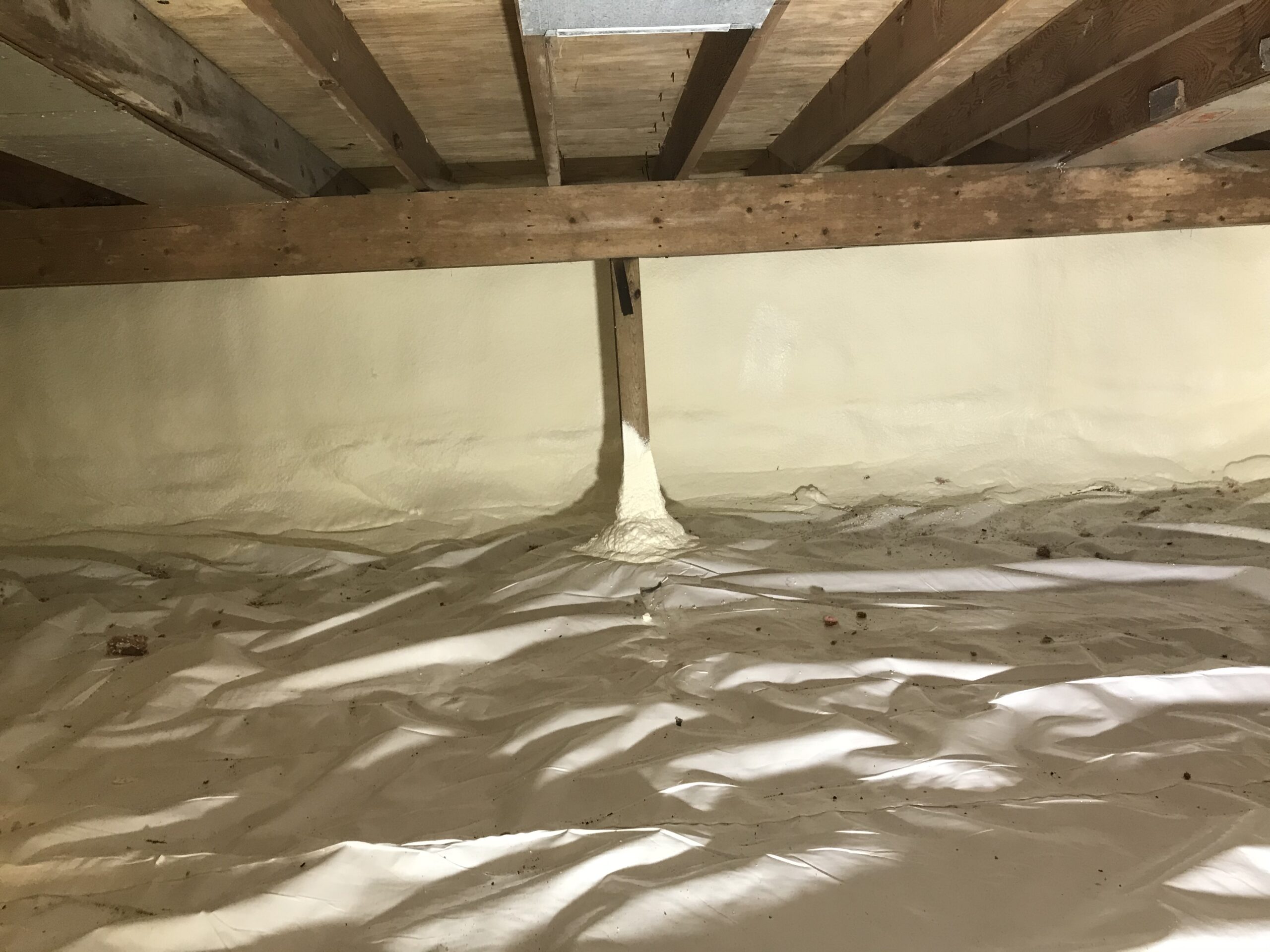
- Basement walls: Closed-cell is well suited for crawl spaces because it resists moisture better than open-cell alternatives.
- New builds: For new constructions, spray foam is a good-to-go option for installation before drywall goes up.
- Retrofits: Existing homes need extra ventilation planning since spaces are already occupied.
Plan Your Timeline Around Curing, Not Convenience
Don’t schedule installation right before guests arrive or kids start school again. Give your home at least twenty-four to forty-eight hours before full reoccupation. Pets and young children should stay away longer, since their systems are more sensitive.
Get in touch with an experienced spray foam insulation company because it will remove all the chances of guesswork and provide you with honest recommendations. They’ll give you a realistic timeline based on your specific home’s layout and size.
Why Product Certification Actually Matters Here
Even within the same category, foam products are created differently. Manufacturers vary in chemical formulation quality and consistency across production batches. A certified spray foam insulation company only uses products meeting strict emission standards.
Search for GREENGUARD certification or similar third-party testing on any product before installation begins. These certifications verify that off-gassing falls within safe, documented limits after proper curing time. Uncertified products might cure fine, or they might not. You’re rolling the dice without documentation, and that’s simply not worth the risk to your family’s health.
Open-cell foam insulation contractors should always carry this certification. The same goes for closed-cell spray foam Iowa ones. Ask to see certification paperwork before signing any contract. A trusted installer keeps this on hand.
Do not fall prey to their sugar-coated talk if they can’t produce it. This single factor can separate careful contractors from slackers. Make sure that house insulation should never come from an unverified or unlicensed source.
What Makes Des Moines Installations Slightly Different
Des Moines homes face specific humidity and temperature patterns that affect curing conditions. Basement moisture is much higher in this area than in drier parts of the state. This affects how quickly foam cures and how long ventilation needs to run afterward. An experienced insulation company adjusts their process according to local conditions. Based on their familiarity with the same type of circumstances, they can extend the curing time during summer months as compared to winters.
Common Mistakes Homeowners Make With Air Quality
Some mistakes that homeowners don’t pay heed to are discussed below:
- Reentering too soon: Don’t reenter too soon; ensure that the smell is completely gone.
- Skipping ventilation entirely: Never skip the ventilation part, as it will cause trapping of gases for a longer time.
- Hiring based on price alone: Do not hire a contractor because he charges less for the work, because it will cost you later.
- Ignoring product documentation: Verify your safety data sheets before the commencement of the project.
- Assuming all foam behaves identically: House insulation options vary widely in chemistry and cure time.
Conclusion
When fully cured, properly installed spray foam does not pose any threat. The real risk is from installation day to about forty-eight hours afterward. After that, cured foam becomes chemically inert, and it won’t release any gases indoors.
In fact, sealed homes often see better air quality long term, assuming proper mechanical ventilation exists. Tighter homes need controlled fresh air exchange, not passive drafts through old gaps.
Add an energy recovery ventilator if you’re sealing your home significantly. It will keep fresh air circulating without sacrificing energy savings insulation provides year-round.
Precision Insulation and Coatings is dedicated to providing top-quality insulation solutions specific to your building’s needs. Reach out to us and get a free estimate on your project.
Frequently Asked Questions
Q1. How long does spray foam smell last after installation?
Ans. Most odors fade within twenty-four to seventy-two hours if properly cured and ventilated throughout the space. If the smell persists beyond a week, it refers to incomplete curing or mixing errors.
Q2. Is open-cell or closed-cell foam safer for indoor air?
Ans. Both are safe once fully cured. Open cell off-gasses faster due to lower density, while closed cell may take slightly longer to cure but provides stronger moisture resistance overall for basements.
Q3.Can spray foam insulation cause long-term respiratory issues?
Ans. Properly cured spray foam poses minimal ongoing risk to most residents. Issues typically stem from poor installation, inadequate ventilation, or premature reentry, not the cured material once reactions fully complete.
Q4. Should I leave my house during spray foam installation?
Ans. Yes, most installers recommend vacating during application and for several hours afterward as the material cures. Pets and children should stay away even longer, given their increased sensitivity to fresh chemical off-gassing.
Q5. How do I choose a reputable installer for my home?
Ans. Ask about certifications, mixing protocols, and ventilation plans upfront before signing anything. Verify safety data sheets and realistic reentry timelines in writing. Trusted installers answer these questions confidently without hesitation.