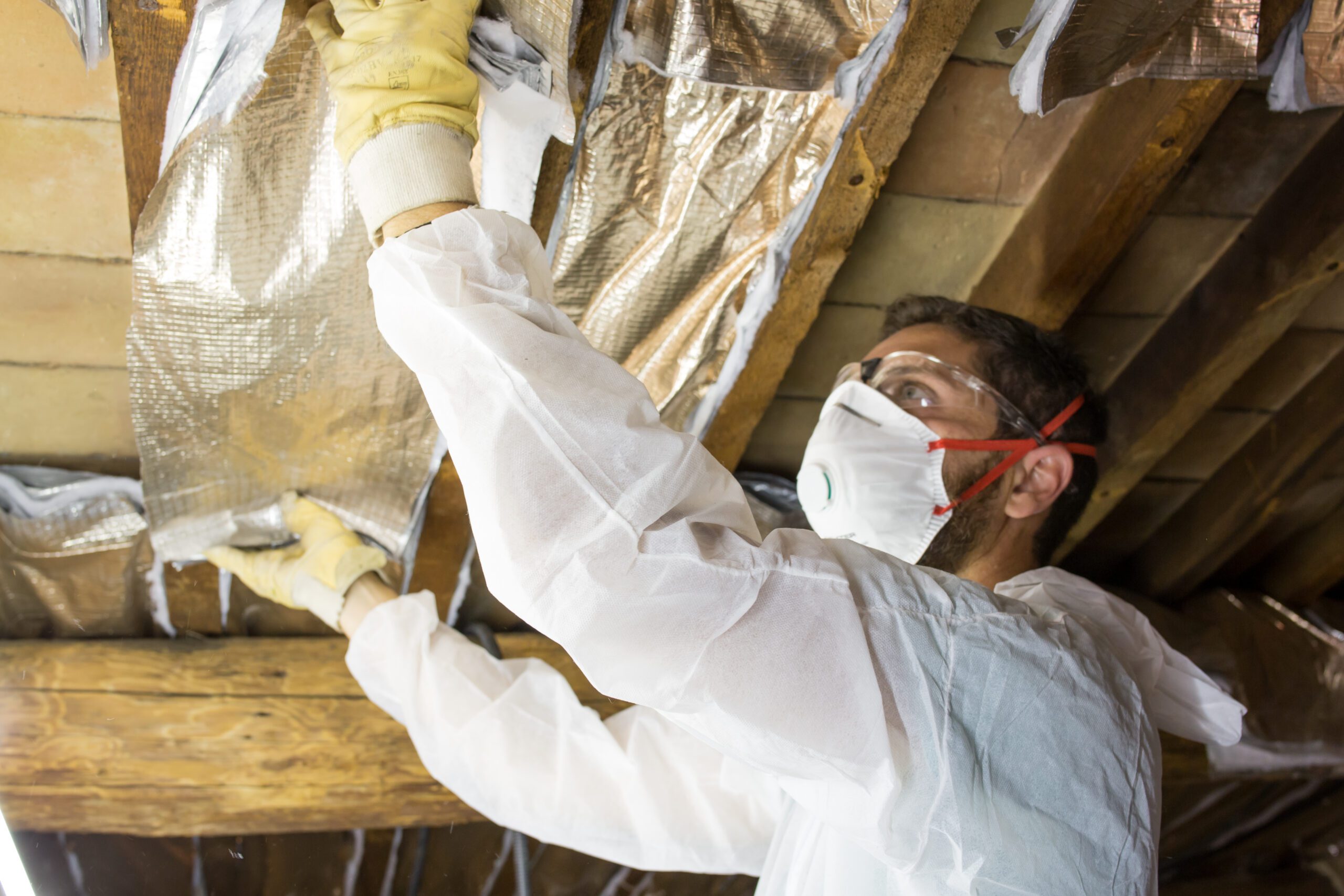
You step into the garage on a January morning, and the air feels almost as cold as the driveway. Come July, the same space traps heat like a parked car. The door often takes the blame, but gaps, bare walls, and an uninsulated ceiling can play a part too. Finding the real cause matters before anyone spends money on upgrades. Good garage insulation in Des Moines, Iowa, homeowners can rely on starts with a clear diagnosis.
This blog post covers seven warning signs and what each one points to. It also shows how to tell a door problem from a whole-garage problem.
Why Garage Door Insulation Matters in Iowa
Central Iowa asks for a lot of a garage. Winter lows fall well below freezing. Summers bring heat and humidity. A thin metal door sits in the middle of that swing, and metal moves heat fast.
An insulated door slows that movement. It works best with tight weatherstripping and insulation in the nearby walls and ceiling. Needs also vary. An attached, heated garage asks more of its insulation than a detached, unheated one.
The U.S. Department of Energy lists garages and attics among the areas most prone to heat transfer. That is why an insulated garage Iowa families use year-round usually needs the whole space addressed, not only the door.
Seven Warning Signs to Check in Your Garage
Each sign below has a likely cause and a next step. Some point to the door. Others point to the walls, the ceiling, or air leaks around it.
1. Your Garage Becomes Extremely Cold in Winter
A single-layer metal door offers little resistance to cold. Outdoor air chills the panels, and that chill spreads into the room. Workshop owners notice it first because they spend hours inside.
Des Moines winters expose weak spots fast. Reliable garage insulation in Des Moines, Iowa, starts with the door, but a better door only slows heat loss. Gaps along the edges make the problem worse.
2. Your Garage Feels Like an Oven During Summer
Afternoon sun heats the door panels, and thin panels pass that heat inward. A hot attic or ceiling above the garage adds more. Poor ventilation traps it.
An insulated space holds steadier temperatures, though it will never feel like an air-conditioned room. Many insulation contractors that homeowners call begin with the ceiling and attic, since heat often enters from above.
3. You Notice Drafts Around the Garage Door
Hold a hand near the door edges on a windy day. Moving air suggests worn weatherstripping, a damaged bottom seal, or gaps at the frame.
Insulation and air sealing do different jobs. Insulation slows heat moving through solid surfaces. Weatherstripping blocks air around the door edges and moving sections. The ENERGY STAR guide to sealing and insulating explains why a home needs both.
Replace worn seals first. If drafts remain, a home insulation contractor Iowa residents trust can track down the hidden leaks.
4. Rooms Next to the Garage Feel Uncomfortable
A cold bedroom above the garage or a chilly wall beside it is a clue. Shared walls and ceilings may lack insulation or air sealing. Heat then moves freely between the two spaces.
Proper garage insulation homes need includes sealed, insulated shared walls and ceilings. The door between the house and garage needs good weatherstripping too.
Safety matters here. The garage must stay separated from living areas to limit vehicle exhaust and other fumes. The DOE air sealing guide covers sealing gaps between garage and home. Insulation alone does not solve air quality or garage-to-house leakage.
5. Condensation Appears on the Inside of the Garage Door
Warm, humid air that touches a cold metal surface drops its moisture as water. Humidity, ventilation, and temperature differences all shape the problem.
Repeated moisture can cause rust, damp boxes, musty odors, and damage to stored items. Insulation can raise the surface temperature of the door, which may reduce condensation. It will not fix a plumbing leak, a roof leak, or high indoor humidity.
6. Outside Noise Enters Your Garage Easily
Thin panels let in traffic, mowers, and neighborhood noise. Some insulated doors reduce sound and panel vibration. Insulation does not soundproof a garage, though. The difference matters most when the space doubles as a workshop, gym, or hobby room.
7. Your Garage Door Feels Thin, Hollow, or Poorly Constructed
Older single-layer steel doors offer little thermal resistance. Insulated doors usually add a foam core between panels. Looks can mislead, so check the door’s construction and stated R-value, which rates resistance to heat flow.
Older doors often have worn seals and other age-related problems. Insulation cannot repair mechanical damage or a failing door system. Springs, tracks, and openers need a garage door professional.
Is Your Garage Door the Only Problem?
Rarely. Garage comfort depends on the whole space. Check these areas:
- Exterior garage walls
- The ceiling and attic above the garage
- Shared walls between the garage and home
- Gaps around windows and service doors
- Door perimeter seals and bottom weatherstripping
- Openings around pipes and electrical penetrations
A new door alone may not fix temperature swings when these areas stay bare or leaky. Attached garages need extra care at the separation between garage and living space. An insulated garage residents can enjoy in every season comes from inspecting the entire envelope first.
What Can You Do to Improve Garage Insulation?
- Check garage door weatherstripping. Look for cracks, gaps, and flattened seals along the sides, top, and bottom. Worn seals let drafts and outdoor air in.
- Consider an insulated garage door. Purpose-built insulated doors slow heat transfer better than single-layer steel. Compare R-values and build quality before buying. Replacement calls for a qualified garage door professional. A home insulation contractor Iowa owners hire can then handle the walls and ceiling.
- Insulate garage walls and ceilings. These surfaces matter most in attached garages and in garages used all year. Plenty of garage insulation projects focus on them for that reason. Precision’s garage insulation page shows what that work involves.
- Consider professional spray foam insulation. Spray foam can suit certain garage walls, ceilings, and accessible gaps when the assembly and application conditions allow. Open-cell foam is softer and lighter. Closed-cell foam is denser and resists moisture better. A spray foam insulation company homeowners hire should match the type to the space.
- Address air leakage. Insulation and air sealing work as a pair. Joints, penetrations, and gaps each need a suitable sealing method. Shops and commercial building insulation owners should follow the same logic.
One safety reminder applies to every step. Insulation work must not compromise required fire-rated separation, electrical safety, ventilation, or door operation. Never attach insulation to moving door panels without checking manufacturer guidance and door balance requirements.
When Should You Call a Professional Insulation Contractor?
Bring in help when you see any of these patterns:
- Winter cold returns every year.
- Summer heat stays extreme.
- Garage walls or ceilings have little or no insulation.
- Drafts continue after new weatherstripping.
- Condensation keeps coming back.
- An attached garage affects nearby rooms
- A renovation or workspace conversion is planned.
A professional should inspect existing insulation, air leakage, building materials, and moisture conditions before recommending anything. Guessing wastes money. Insulation contractors homeowners hire should explain their findings in plain language.
Choose a spray foam insulation company; property owners can check through reviews and an in-person visit. Keep the scope clear. Insulation work does not cover garage door springs, motors, or tracks.
Improve Your Garage’s Comfort With Precision Insulation & Coatings
Garage door insulation matters, but the door is only one piece. Finding the true source of cold, heat, drafts, or moisture comes first. That step prevents repeat work. Anyone comparing garage insulation options in Des Moines should start with a full look at the space.
Precision Insulation & Coatings is a reliable insulation company serving Des Moines and Central Iowa. Its service area includes West Des Moines, Ankeny, Waukee, Urbandale, Johnston, Altoona, and Grimes. Our team installs open-cell and closed-cell spray foam, fiberglass insulation, and joint sealing. Residential and commercial customers are both covered, including the property owners’ needs.
The right approach depends on the garage’s construction, existing materials, and how the space is used.
Ready to find out what your garage really needs? Contact Precision Insulation & Coatings for a free estimate or honest guidance on insulating your garage, and get clear answers first.
Frequently Asked Questions
Q1. Does insulating a garage door make a noticeable difference?
Often, yes. An insulated door slows heat transfer, reduces panel vibration, and can cut some noise. Results depend on the rest of the garage, though. Gaps, bare walls, and an uninsulated ceiling can limit the improvement.
Q2. What is the best insulation for a garage in Iowa?
No single product wins every time. Fiberglass suits many open wall cavities. Spray foam works well for ceilings, rim areas, and hard-to-reach gaps. The best choice depends on the garage’s construction, existing materials, and how the space is used.
Q3. Can spray foam insulation be used in garage walls?
Yes, in many cases. Spray foam can seal and insulate garage walls and ceilings when the building assembly allows it. A professional should check fire separation rules, moisture conditions, and material type before installation begins.
Q4. Should an attached garage have insulated walls and ceilings?
Generally, yes. Insulation and air sealing on shared walls and ceilings reduce heat transfer into nearby rooms. They also support the separation that keeps vehicle exhaust and fumes out of the living space.
Q5. How do I know whether my garage door needs replacement or better insulation?
Mechanical signs point to replacement, such as broken springs, noisy tracks, or a door that sticks. Temperature swings, drafts, and condensation point to insulation or sealing. Many garages need a mix of both fixes.