A contractor can put the right product in and get the wrong result. Year after year, gaps, compressed batts, and missed corners eat away at the comfort level of homes, especially in a silent way. That risk is why it’s worthwhile to seriously consider hiring Iowa insulation specialists.
Fiberglass is popular, cheap, and reliable, but needs to be considered carefully. It’s essential that homeowners understand the pros and cons when they start comparing it to residential spray foam insulation Iowa offers. There is a close relationship between material, installation quality, and comfort that is not as obvious as one might think.
Why Is the Installer As Important As the Insulation?
Proper installation is a big factor in insulation performance, according to the U.S. Department of Energy. It also advises that one R-value can have a quoted difference of over two-fold. Price does not indicate the level of installed R-value in the promise. Contractors in Iowa should ask property owners what they want them to do about air sealing before the insulation is installed.
What Does Fiberglass Actually Offer a Home?
Fiberglass is made from extremely fine glass fibers that form small pockets of air. The pockets are a source of resistance to heat flow, or R-value. It is available as batts, rolls, or loose-fill that is blown in. R-13 or R-15 batts are used in two-by-four walls; R-19 or R-21 batts are used in two-by-six walls.
According to DOE, most loose-fill fiberglass consists of 40-60% recycled glass. Fiberglass is generally more affordable than foam and is ideal for attics, walls, floors, and crawl spaces. If budget is a concern, fiberglass insulation is a good place to start for retrofits.
How Does Fiberglass Stack Up Against Spray Foam?
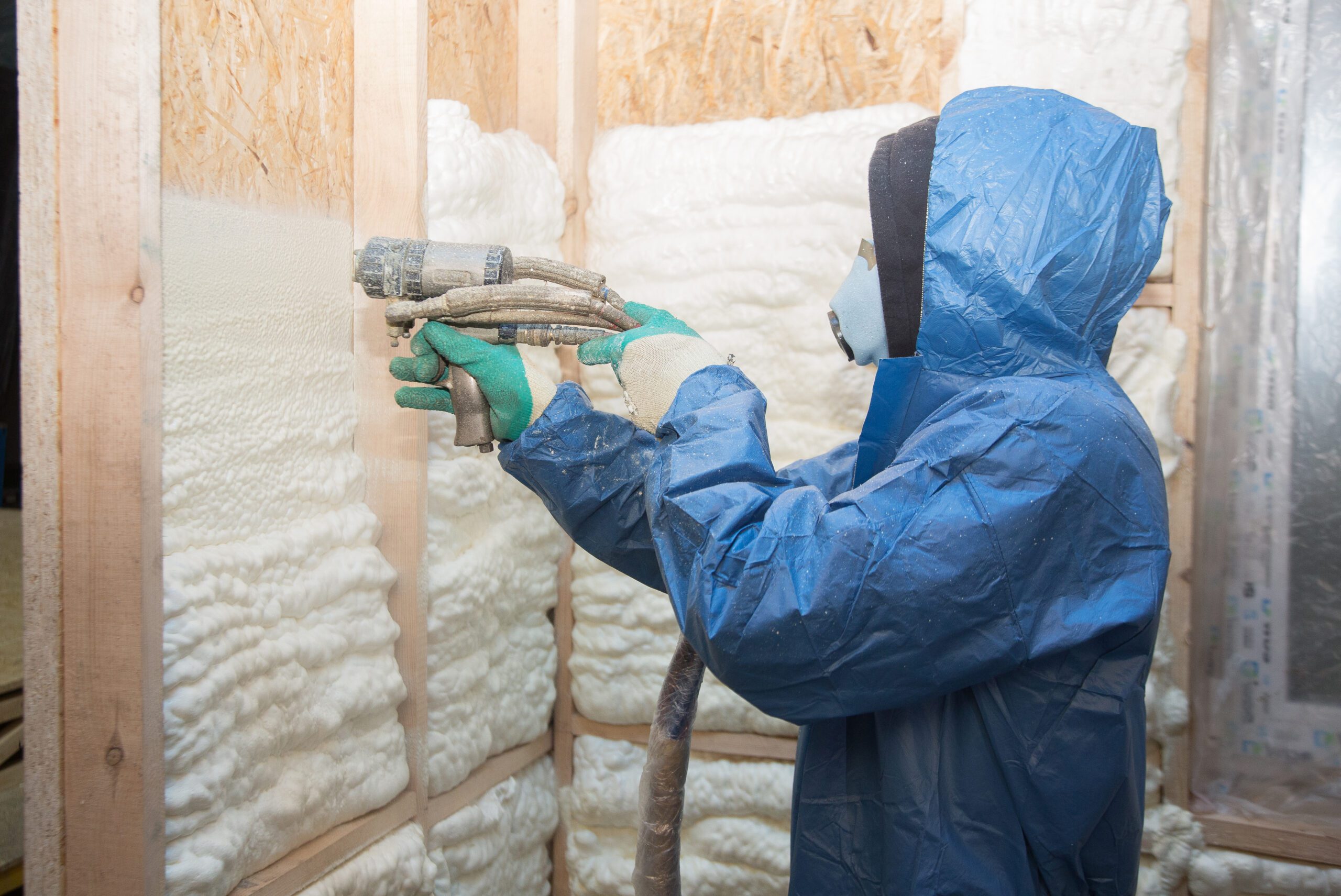
Fiberglass is used to retard heat flow but not to prevent airflow. The DOE claims foam fills even the smallest gaps and forms an air barrier. Closed-cell foam has higher R values and is more resistant to moisture and air leakage. Open-cell foam is lighter and less expensive, and should be avoided in below-grade spaces.
However, foam is typically more expensive than batts, but can help replace certain areas that require individual sealing. Foam must also be covered with a fire-resistant material that is rated at half-inch drywall. When considering residential spray foam insulation Iowa quotes, compare air sealing.
Where Does Fiberglass Work Best Around the House?
Open attic floors, unfinished walls, and floor joists suit fiberglass well. Loose-fill also reaches irregular areas and spots around obstructions that batts handle poorly. Batts struggle where framing is crooked, wiring is dense, or pipes cross the cavity. Choosing between fiberglass insulation and residential spray foam insulation comes down to access.
What Should Homeowners Know About Attic Insulation Levels?
Des Moines falls in climate zone 5 under federal guidance. Recommended attic levels there run from R-49 to R-60, based on DOE zone maps. Anyone planning attic insulation projects should first measure the existing depth. Fiberglass batts can also work there if joists are regular and obstructions are few.
Settled depth matters because loose-fill compresses under its own weight. Manufacturer coverage charts list the settled thickness needed for each target R-value. Anyone comparing attic insulation contractors in Iowa should request depth and R-value in writing.
How Does Installation Quality Change Real Performance?
Compressed insulation loses R-value, even when the product itself is high quality. Oak Ridge National Laboratory notes that cramming R-19 batts into thinner cavities lowers performance. Gaps between batts and framing let heat bypass the material entirely. The DOE suggests measuring batt thickness and checking for gaps around electrical boxes.
Blown-in work gets checked differently, by measuring depth and scanning for coverage gaps. Skilled crews also seal around penetrations, so heat cannot sneak past the material. A tidy attic insulation job includes baffles that keep every soffit vent clear. A final walkthrough before cleanup lets homeowners confirm depth and coverage.
What Should a Fiberglass Contractor Be Able to Prove?
While credentials are important, there is more to making a job on your own roof than just paperwork. Several contractors submit written estimates and have different scopes, depths, and R-values. Local reviews and project photos will help ensure that a contractor provides consistent work. The following are some questions to use to distinguish slow crews from fast crews during consultations:
- What will the final R-value be, and what is the settled thickness of the attic?
- Will gaps and holes be closed before insulation is installed?
- What will the crew do when it gets tight under the eave, when it gets recessed, and when it gets an attic hatch?
- Who installs it, and who checks it after installation?
- What protective clothing does the crew wear around loose fibres and dust?
When Does Spray Foam Become the Smarter Choice?
If the ceiling is in a garage, with irregular framing and persistent cold spots, making foam more expensive, it may be worth it. Precision Insulation and Coatings installs both materials, so a foam layer under blown fiberglass stays possible.
Whether residential spray foam insulation in Iowa makes sense depends on budget, access, and goals. There are open-cell and closed-cell versions, and an inspection will make you aware of which one suits.
Why Do Pole Barns Need Different Insulation Thinking?
Metal buildings respond differently than a wood-framed home, particularly when it comes to moisture. Steel is very good at conducting heat and also cold, which makes humid air condense on its surface. The choice of material is important because wet insulation will not perform.
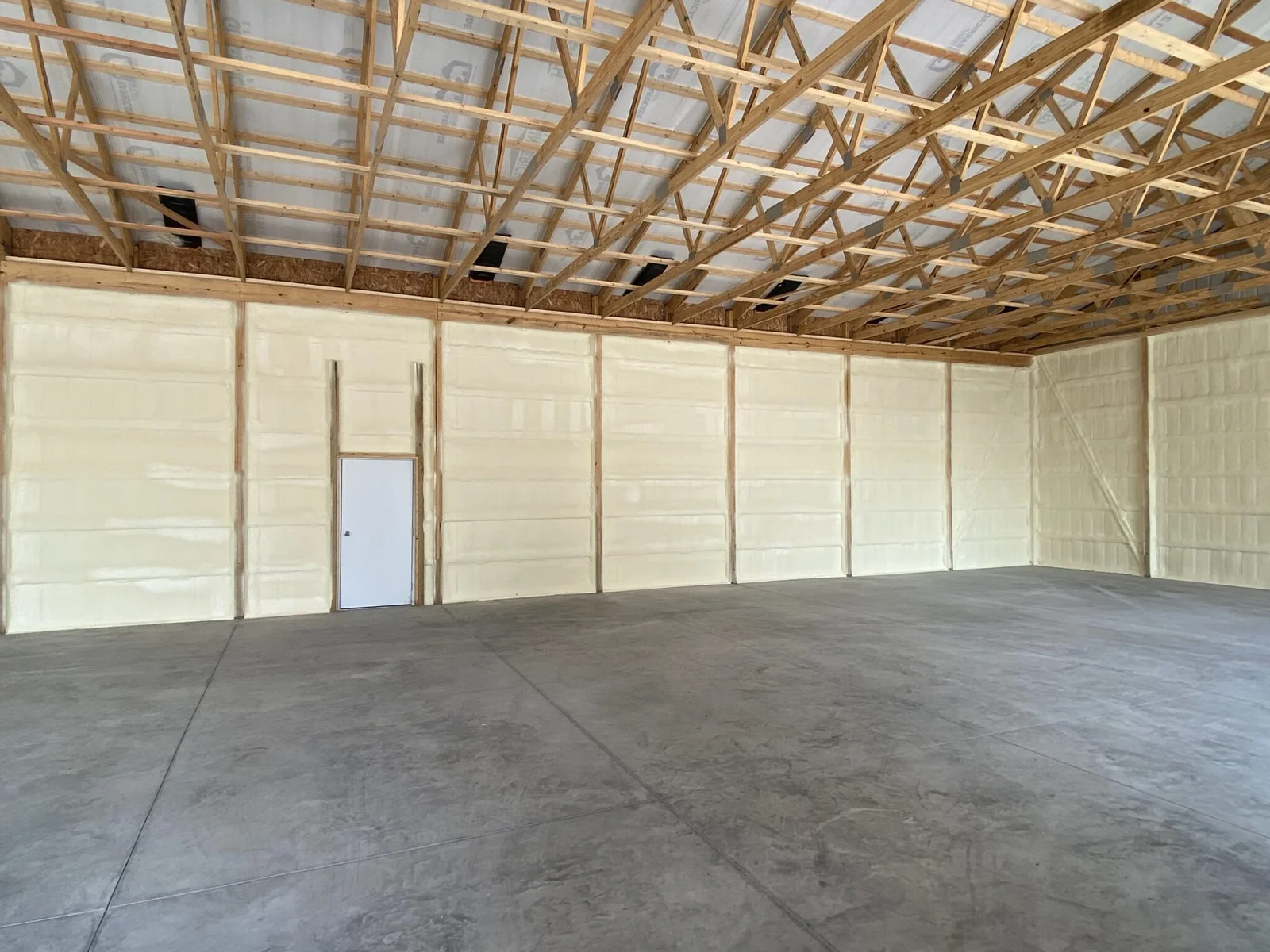
Some spray foam pole barn Iowa owners are looking for a surface that will not conduct heat to condensation. Spray foam pole barn contractors work with various types of surfaces that are not found on house attics. Closed-cell foam is directly affixed to metal and waterproof, so it is well suited for these buildings.
How Does Precision Insulation and Coatings Approach a Project?
Precision Insulation and Coatings serves Des Moines and surrounding Central Iowa communities from its Elkhart office. Our company reports more than 1,500 completed projects across residential, commercial, and agricultural work. The process starts with an on-site inspection, then a consultation, installation, and follow-up checks.
Services include fiberglass, open-cell and closed-cell spray foam, and insulation removal. Our fiberglass process ends with inspection for gaps, compression, and moisture barrier placement.
Homeowners seeking fiberglass insulation providers can review Precision’s fiberglass page before calling. Precision’s attic insulation Des Moines page explains local options in more detail. Owners can request residential spray foam insulation estimates alongside fiberglass options.
Ready to Compare Real Numbers on Your Own Attic?
Want good insulation outcomes? Try to match material, depth, and installation to your building. If you are budget-conscious and access is open, fiberglass can be a good-to-go option for you. And if you want to get rid of problems like air leakage, moisture, and odd framing, choose spray foam.
If you are thinking of installing residential spray foam insulation in Iowa, you can reach out to Precision to get an on-site inspection. Contact us to schedule a free estimate now!
Quick Answers Homeowners Ask Before Hiring
Q1. Can homeowners combine fiberglass and spray foam in a single attic?
Yes, some projects layer blown fiberglass over a foam base. Foam handles air sealing, while fiberglass adds depth at lower cost. An on-site inspection shows whether that combination suits the framing and budget.
Q2. What should buyers compare when pricing residential spray foam insulation Iowa projects?
Compare foam type, thickness, target R-value, and coverage area on every written quote. Confirm who handles the thermal barrier that foam requires after installation. Identical scopes make price differences far easier to interpret and trust.
Q3. When should old insulation come out before new fiberglass goes in?
Wet, matted, or contaminated material may need removal before anything new goes over it. An inspector should find moisture sources and pest damage before new work starts. Precision also offers insulation removal when old material cannot stay.
Q4. How can homeowners check an insulation job after the crew leaves?
Measure the depth in several spots and compare it with the quoted figure. Look for bare patches, gaps near framing, and unsealed penetrations. Ask the contractor to correct any shortfalls before final payment.
Q5. Can homeowners install fiberglass themselves, or should a professional handle it?
The DOE says homeowners can install batts, though careful fitting still matters. Blown-in insulation usually calls for experienced installers who control density and R-value. Spray foam needs special equipment and should only be installed by experienced installers.