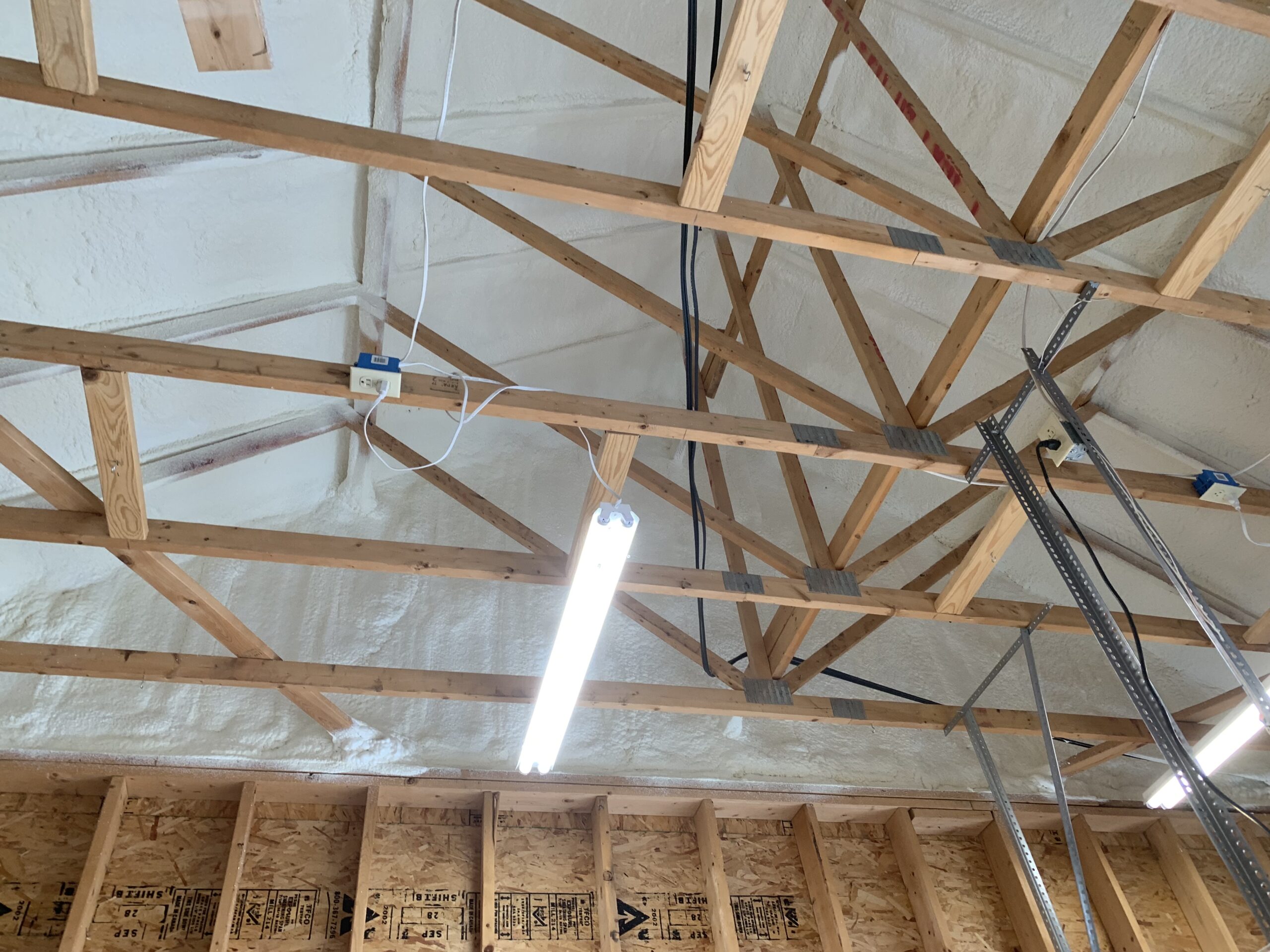
When it comes to insulating your pole barn or shop, choosing the right insulation material can make the difference between a comfortable, energy-efficient space and a costly, uncomfortable structure. Understanding why pole barn insulation in Iowa is the best for your barn or shop will help you make an informed decision that pays dividends for years to come. Unlike traditional insulation methods that often fall short in agricultural and workshop settings, spray foam insulation provides unmatched performance that addresses the unique challenges these buildings face.
The Insulation Challenge for Pole Barns and Shops
Pole barns and metal shops present distinct insulation challenges that standard residential insulation methods simply cannot address effectively. These structures typically feature large open spaces, metal construction, and irregular framing that creates numerous thermal bridges and air leaks. Traditional fiberglass batts often sag, settle, or leave gaps that compromise thermal performance, while rigid board insulation struggles to seal around the complex geometry of pole barn construction.
The stakes are high when insulation fails in these environments. Workshop equipment can suffer damage from temperature fluctuations, stored materials may deteriorate from moisture issues, and energy costs can skyrocket when heating or cooling systems work overtime to maintain comfortable temperatures.
Understanding Spray Foam Insulation
Spray foam insulation is a liquid chemical mixture that expands and hardens into a solid foam when applied. This unique application method allows it to conform perfectly to any surface, filling gaps and creating a seamless thermal barrier. The material bonds directly to metal, wood, and concrete surfaces, creating both insulation and an air seal in a single application.
Open-Cell vs. Closed-Cell Spray Foam for Pole Barns
The choice between open-cell and closed-cell spray foam significantly impacts performance and cost for your pole barn insulation in Iowa.
Open-Cell Spray Foam features a lower-density foam with interconnected cells that allow air and moisture to pass through. With an R-value of approximately 3.5-4 per inch, open-cell foam costs less but provides lower thermal resistance. It’s ideal for unheated storage buildings where vapor permeability isn’t a concern.
Closed-Cell Spray Foam creates a dense barrier with sealed cells that block both air and moisture transfer. Delivering an R-value of 6-7 per inch, closed-cell foam acts as both insulation and a vapor barrier. While more expensive initially, it’s the superior choice for heated shops, workshops, and agricultural buildings where moisture control is critical.
Superior Thermal Performance and Energy Efficiency
Spray foam insulation delivers exceptional thermal performance that significantly outperforms traditional insulation methods in pole barn applications. The seamless application eliminates thermal bridging that occurs with metal construction, while the high R-value provides maximum temperature control per inch of thickness.
Energy bill savings of 30-50% are common when properly installed. Spray foam replaces inadequate insulation systems. The air-sealing properties prevent heated or cooled air from escaping, reducing the workload on HVAC systems and extending equipment life. For workshop environments where consistent temperatures protect valuable tools and materials, this performance advantage translates directly to operational savings.
Complete Air Barrier and Vapor Control
One of the most significant advantages of spray foam for pole barn spray foam insulation in Des Moines is its dual function as both insulation and an air barrier. Traditional insulation methods require separate vapor barriers and extensive sealing work to achieve even basic air-tightness, often with limited success due to the complexity of pole barn construction.
Spray foam creates a continuous barrier that stops air infiltration at the source. This prevents drafts that make spaces uncomfortable and costly to heat or cool. The vapor barrier properties of closed-cell spray foam prevent moisture infiltration that leads to condensation, mold growth, and structural damage in metal buildings.
Structural Reinforcement Benefits
Beyond thermal performance, spray foam insulation actually strengthens pole barn structures. When properly applied to walls and roof decking, closed-cell spray foam can increase racking strength by up to 200%. This added structural integrity helps metal buildings resist wind loads and reduces movement that can cause fastener loosening and panel damage over time.
For older pole barns or those built to minimum specifications, this structural enhancement can extend building life and reduce maintenance requirements. The foam bonds permanently to metal surfaces, creating a composite structure that’s stronger than the sum of its parts.
Natural Pest Deterrent Properties
Pole barns and shops often struggle with rodent and insect infiltration through gaps and cracks in traditional insulation systems. Spray foam insulation creates an impermeable barrier that eliminates entry points and nesting opportunities for unwanted pests.
The chemical composition of cured spray foam also deters rodents from chewing through the material, unlike fiberglass batts that rodents commonly use for nesting. This pest control benefit reduces contamination risks for stored feed, equipment damage, and ongoing pest management costs.
Addressing Cost Concerns and Return on Investment
While spray foam insulation requires a higher upfront investment than traditional materials, the long-term return on investment makes it the most economical choice for most pole barn applications. Cost factors include building size, foam type selection, accessibility, and local contractor pricing.
DIY spray foam kits are available for smaller projects, but professional installation ensures proper application techniques, safety compliance, and warranty coverage. The specialized equipment and expertise required for large-scale applications typically make professional installation the better choice for pole barn projects.
Professional Installation Considerations
Successful spray foam insulation requires proper surface preparation, climate control during application, and adequate ventilation. Professional pole barn insulation Contractors in Des Moines, Iowa, have the experience to address unique challenges like irregular framing, metal expansion joints, and moisture management in agricultural environments.
When selecting a pole barn insulation contractor in Des Moines, Iowa, verify proper licensing, insurance, and manufacturer certifications. Request references from similar pole barn projects and ensure they understand the specific requirements of agricultural and workshop applications.
Long-Term Durability and Maintenance
Spray foam insulation maintains its performance characteristics for decades without the settling, sagging, or degradation that affects traditional materials. The chemical stability of properly installed spray foam means no replacement or maintenance requirements, unlike fiberglass insulation, which may need periodic replacement.
This durability advantage is particularly valuable in pole barn environments where accessing insulation for maintenance or replacement can be difficult and disruptive to ongoing operations.
Conclusion
Understanding why spray foam is the best insulation for your pole barn, or shop, comes down to superior performance, durability, and long-term value. The combination of exceptional thermal performance, air sealing, structural enhancement, and pest control creates a comprehensive solution that addresses the unique challenges of these buildings.
While the initial investment exceeds traditional insulation options, the energy savings, reduced maintenance, improved comfort, and extended building life provide compelling returns that make spray foam the smart choice for pole barn and shop insulation projects.
Ready to transform your pole barn or shop with superior spray foam insulation? Contact a qualified contractor, like Precision Insulation & Coatings, to discuss your specific needs and receive a detailed estimate for your project. The comfort, efficiency, and value improvements you’ll experience make this investment one you’ll appreciate for years to come.
FAQs
1. What is the best insulation for a pole barn in Iowa’s climate?
Closed-cell spray foam is considered the best insulation for pole barns in Iowa due to its high R-value, moisture resistance, and ability to create a complete air seal. It performs exceptionally well in both extreme winters and humid summers.
2. How much does spray foam insulation cost for a pole barn?
The cost varies based on building size, foam type (open-cell vs. closed-cell), and labor. While spray foam has a higher upfront cost than fiberglass, it offers significant long-term savings through reduced energy bills and minimal maintenance.
3. Can I install spray foam insulation in my pole barn myself?
DIY kits are available for small projects, but for large pole barns or shops, professional installation is recommended. Experts ensure proper application, safety compliance, and optimal performance, especially in complex structures.
4. How long does spray foam insulation last in a pole barn?
Spray foam insulation can last 20–30 years or more without losing performance. Unlike traditional insulation, it doesn’t sag, settle, or degrade, making it a durable, long-term solution for pole barns and workshops.