In Iowa, commercial buildings face some of the most demanding weather conditions in the country. Long winters, humid summers, strong winds, and frequent temperature swings all place stress on building envelopes year-round. When insulation is poorly designed or improperly installed, the effects show up quickly: higher energy costs, uneven indoor temperatures, and moisture-related issues that worsen over time.
For property owners and facility managers, hiring the right commercial insulation contractor in Iowa is a decision that directly impacts operating costs and long-term building performance. Before making that choice, it’s important to understand what truly matters in a commercial insulation project, particularly in Iowa’s climate.
Why Local Climate Knowledge Matters
Commercial insulation is not a universal solution that works the same everywhere. Iowa’s climate requires insulation systems that manage heat flow, air movement, and moisture simultaneously. Cold winter air combined with indoor heat creates condensation risks, especially in metal and older commercial buildings. In summer, humidity and heat infiltration can significantly increase cooling loads.
Contractors who regularly work in Iowa tend to approach insulation with these challenges in mind. They understand how freeze–thaw cycles affect materials, how wind influences air leakage, and how local building codes are applied in practice. This regional experience often makes the difference between insulation that performs well on paper and insulation that performs well over time.
Contractor Experience Is as Important as Materials
Not all insulation contractors specialize in commercial buildings. Some primarily work on residential projects, while others focus on new construction rather than retrofits or existing structures. Commercial buildings often present more complex conditions, such as limited access, varied wall assemblies, or mixed-use spaces.
When evaluating commercial building insulation contractors in Iowa, it’s reasonable to ask about the types of projects they handle most often. Experience with warehouses, agricultural buildings, offices, or manufacturing facilities can shape how a contractor approaches insulation design and installation. The goal is to work with someone whose background aligns with your building’s needs.
Insulation Recommendations Should Be Building-Specific
A professional insulation contractor in Iowa should assess the building before recommending a solution. Factors such as building age, construction type, usage patterns, existing insulation, and known comfort or moisture issues all influence which insulation system will perform best.
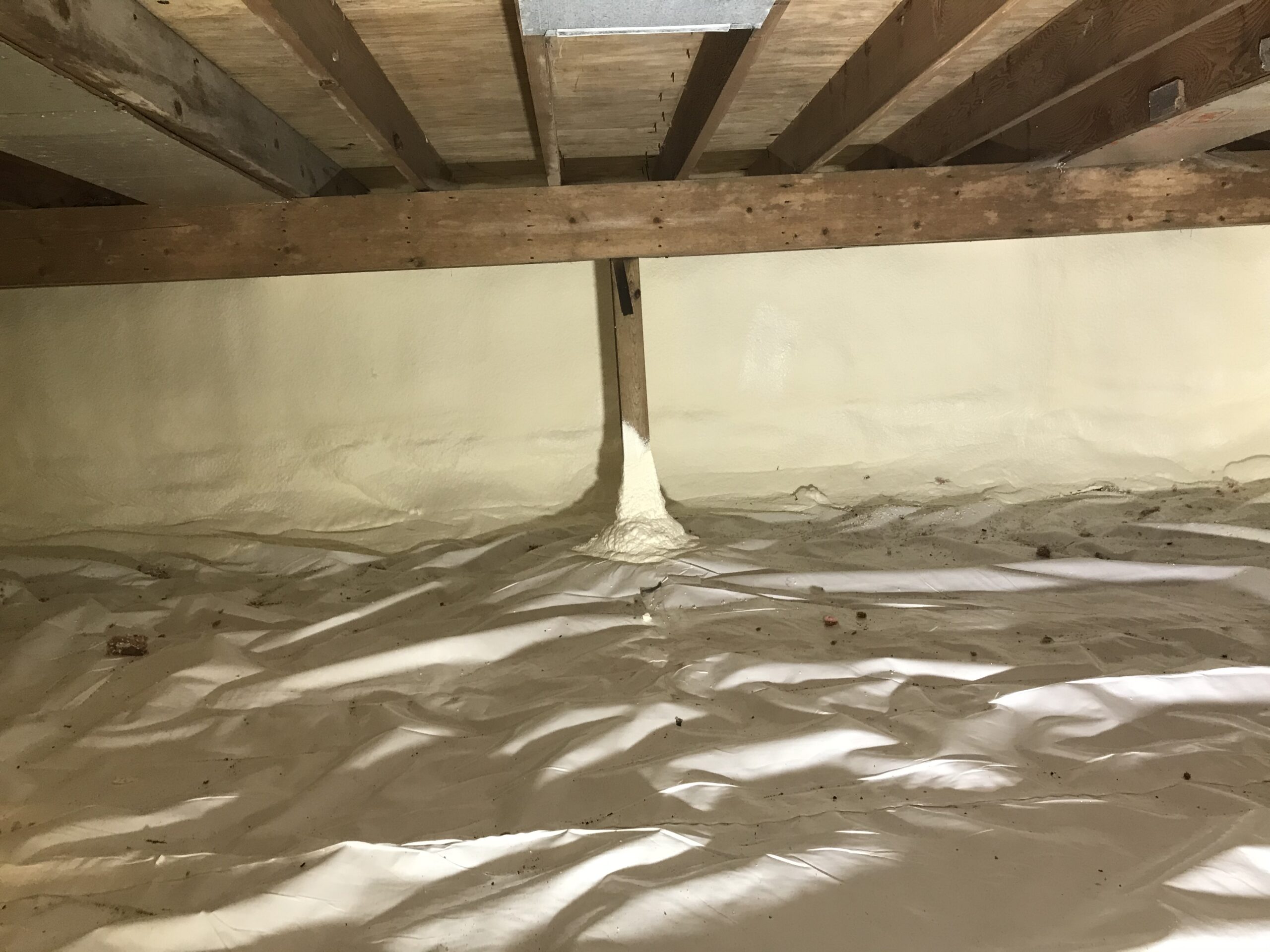
Spray foam insulation is commonly used in Iowa commercial buildings because it offers both insulation and air sealing. In many cases, it provides excellent results. However, it is not the only option, and it is not always necessary in every area of a building. Other systems, including rigid board insulation or hybrid approaches, may be more appropriate depending on the application.
Clear explanations matter. Contractors should be able to explain why a certain insulation type is being recommended and how it addresses the building’s specific challenges.
Air Sealing Often Determines Real Performance
One of the most overlooked aspects of commercial insulation is air leakage. Even insulation with a high R-value can underperform if air is allowed to move freely through gaps, joints, and penetrations. In Iowa, where wind-driven air infiltration is common, uncontrolled air movement can significantly reduce energy efficiency.
Experienced contractors in Iowa prioritize air sealing as part of the insulation strategy, not as a separate or optional step. Addressing air leakage often results in noticeable improvements in comfort and energy use, sometimes more effectively than increasing insulation thickness alone.
Moisture Control Should Be Part of the Plan
Moisture-related issues develop slowly and can be costly to correct. Condensation within walls or roof assemblies may lead to mold growth, corrosion, or structural damage, particularly in metal buildings and agricultural facilities.
A well-designed insulation system considers vapor control, ventilation, and dew point management. Contractors who understand Iowa’s humidity patterns and seasonal temperature changes are more likely to address these factors during planning, rather than reacting to problems later.
Code Compliance and Jobsite Practices Matter
Commercial insulation work must comply with Iowa building codes and safety requirements. This includes proper licensing, insurance coverage, and coordination with inspections. These are not administrative details; they protect building owners from liability and costly rework.
Equally important are jobsite practices. Commercial buildings are often occupied during insulation projects, making cleanliness, safety protocols, and minimal disruption essential. Contractors should be prepared to manage these aspects professionally.
What Industry Research Supports
According to the U.S. Department of Energy, effective insulation combined with proper air sealing can reduce energy consumption in commercial buildings by as much as 30 percent. Organizations such as ASHRAE and ENERGY STAR consistently identify insulation as a foundational component of energy-efficient building design.
The benefits are well established. Achieving them depends on proper assessment, material selection, and installation quality.
Making an Informed Decision
Choosing among commercial building insulation contractors in Iowa should be a careful process. The most reliable contractors focus on understanding the building first, explaining options clearly, and addressing long-term performance rather than short-term savings.
When insulation is installed correctly, the results are straightforward: more stable indoor temperatures, reduced energy costs, and fewer building-related issues over time. Those outcomes are rarely accidental. They are the result of informed decisions made early in the process.
The Bottom Line
If you are planning an insulation project or evaluating an existing building’s performance, begin by asking detailed questions and seeking clear explanations. The right contractor will take the time to provide them, helping you make a decision that supports your building for years to come. Contact Precision Insulation & Coatings to get expert commercial insulation services in Iowa.
Frequently Asked Questions
How do I choose the right commercial building insulation contractor in Iowa?
Look for contractors with proven experience in Iowa commercial projects, proper licensing, and knowledge of local climate challenges. Ask about similar buildings they’ve worked on, how they handle air sealing and moisture control, and whether they follow current Iowa energy and building codes.
What type of insulation works best for commercial buildings in Iowa?
The best insulation depends on the building’s structure, use, and existing conditions. Spray foam is popular for Iowa commercial buildings due to its air-sealing benefits, but rigid board or hybrid systems may be better for certain applications. A proper evaluation is essential.
Why is air sealing important in commercial insulation projects?
Air leakage can significantly reduce insulation performance, especially in Iowa’s windy and cold climate. Proper air sealing helps prevent heat loss, improves indoor comfort, and reduces energy costs. Many commercial buildings see better results from air sealing than from adding insulation alone.
Can commercial insulation help reduce energy costs in Iowa buildings?
Yes, when properly installed, commercial insulation improves thermal efficiency and reduces heating and cooling demands. According to industry research, combining insulation with air sealing can lower energy consumption by up to 30 percent, making it a cost-effective long-term improvement.
How long does commercial insulation installation typically take?
Project timelines vary based on building size, insulation type, and access conditions. Smaller commercial insulation projects may take a few days, while larger or more complex buildings can take longer. Experienced contractors plan work to minimize disruption to daily operations.