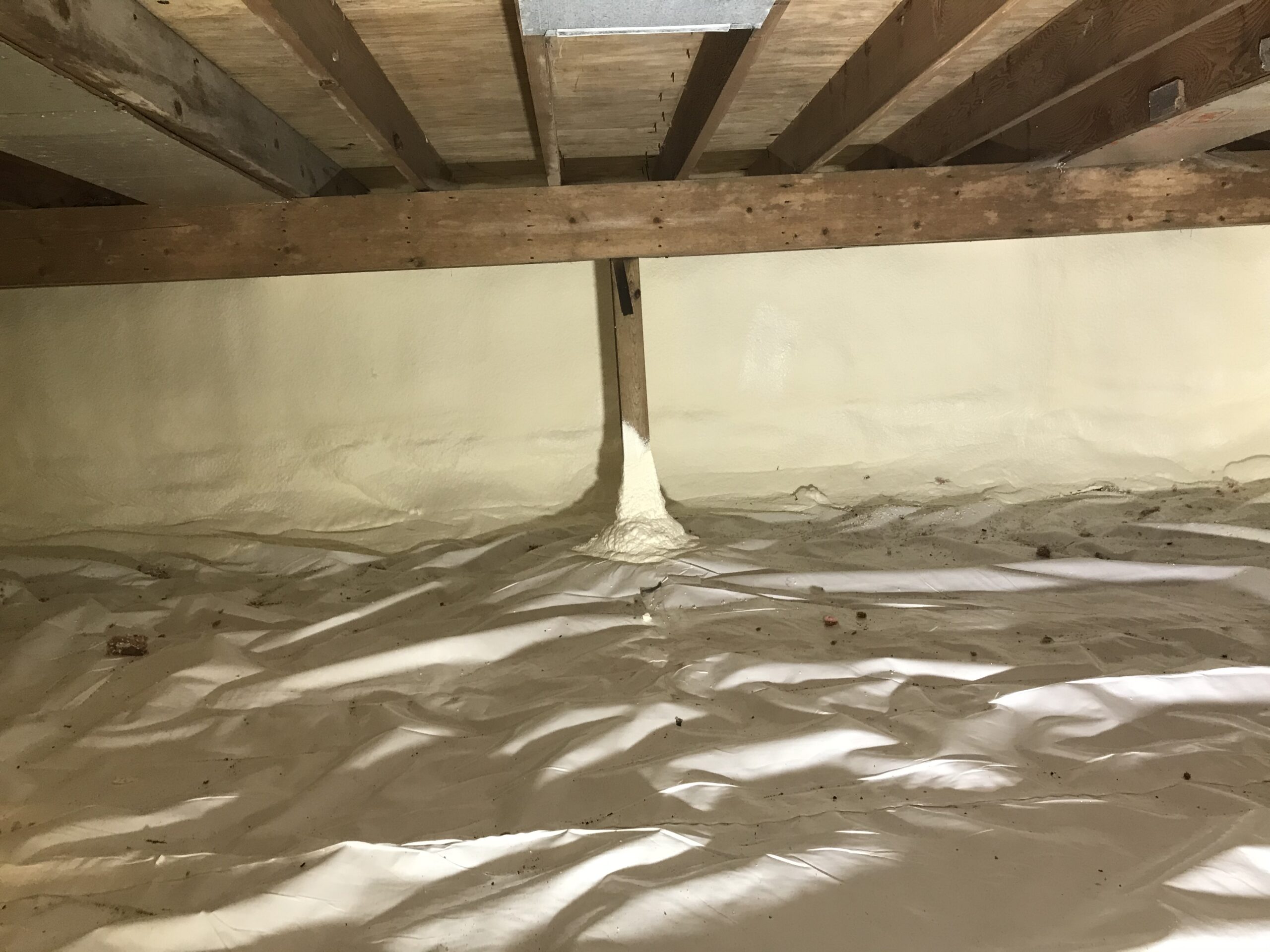
Ever wonder why you see a Spray Foam Minimum Charge on your insulation quotes? Many people find the cost surprising, especially if they have a small space to insulate. This blog will show you why spray foam insulation contractors set these fees and how it affects your project.
Keep reading, because what you learn could help save money or plan smarter!
Typical Minimum Charges for Spray Foam Insulation
Minimum charges for spray foam insulation can vary. You might find fees ranging from a few hundred to over a thousand dollars, depending on the job size and contractor.
Common Range of Minimum Charges
Most spray foam insulation contractors in Iowa set a minimum fee for each project. You will often see this range from $750 to $1,500 for residential jobs. In Des Moines and nearby towns, some companies might even use a flat starting price between $900 and $1,200, depending on the size of the crew or travel costs.
This minimum charge covers projects both small and simple, like sealing rim joists, and larger but quick tasks.
These standard charges make it easier for you to compare options as you search “Spray Foam Insulation Near Me” before calling your local pro.
Examples of Minimum Fees by Contractors
Spray foam insulation professionals generally apply a fixed base charge. This holds for projects of all scales, from small attics to extensive warehouses.
- Multiple professionals establish a base fee varying from $500 to $2,000. This cost accommodates the expenses of transporting their equipment to your location and the manpower required for the project.
- Around Des Moines, you may discover that the spray foam insulation provision nearby imposes a base cost of approximately $1,500. This is standard for the region and mirrors local labor and operational expenses.
- Some professionals provide comprehensive justifications for their base fees. They’ll elucidate how much is apportioned for materials, labor, and machinery utilization.
- For petite projects, like insulating a tiny garage or merely a section of an attic, the base fee might appear excessive. It’s due to the fact that the expenditure of preparing and tidying up doesn’t alter significantly with project magnitude.
- Unique discounts or promotions can occasionally lessen the base charge. Professionals might curtail their fees during less busy periods or for loyal customers.
- Every professional’s base fee includes a slight margin for bargaining. If your location is near their service vicinity or if they can arrange your project in conjunction with others in proximity, they might accede to a reduced fee.
Comprehending these charges enables you to prepare more effectively for your insulation endeavor.
Reasons for Minimum Charges
Spray foam insulation requires special tools and trained workers. These costs add up, leading contractors to set a minimum charge for their services.
Operational Costs
Fuel costs, safety gear, and waste disposal all add up quickly for insulation crews in Iowa. Each time you ask about “Spray Foam Insulation Near Me in Des Moines,” these basic expenses stay the same, no matter how small your project is.
This means even a closet or crawlspace gets hit with parts of the minimum spray foam fee.
Crews have to travel, load up trucks, haul heavy hoses, and suit up for every single job. You pay for that drive across town, just like someone insulating their attic pays for it too. These fixed operational costs are one reason why spray foam contractors have a minimum charge on each visit.
Equipment Setup and Maintenance
Operational costs affect your total when hiring spray foam insulation contractors. Equipment setup and maintenance play a significant part in this cost.
Specialized machines are necessary for the job. They require regular upkeep to function effectively. This maintenance can add to the overall price of the project. Each contractor has their own equipment, which comes with expenses like repairs and transportation.
These factors help them cover these ongoing costs while delivering quality work at your home or property.
Labor and Administrative Overheads
Labor costs add up quickly in any project. The insulation contractors need skilled workers to do the job right. These pros are trained and experienced, which comes at a cost.
Plus, they often work under challenging conditions. Weather, safety gear, and time spent on-site all matter.
Administrative overheads also play a role in charges. Contractors must manage their businesses efficiently. This includes paperwork, scheduling jobs, and client communication. Every task takes time and resources.
All these factors lead to minimum charges for services like spray foam insulation that keep your home safe and energy-efficient while covering essential expenses for the contractor’s operation.
Next is specialized equipment used in spray foam insulation projects.
Specialized Equipment Used in Spray Foam Insulation
Specialized equipment is vital for spray foam insulation. This gear costs a lot and needs regular upkeep to work well.
High-Cost Machinery and Tools
Spray foam insulation needs expensive machinery and tools. These high-cost items help create the right mix for foam application. Equipment like spray rigs, generators, and compressors is essential for the job. They ensure that the foam is applied correctly every time.
Transporting this machinery also adds to costs. It requires special vehicles and careful handling to avoid damage. Maintenance of these tools is another expense that contractors must cover, which contributes to their minimum charge.
When you hire a contractor, you pay not just for labor but also for these necessary pieces of equipment in spray foam projects.
Transportation and Maintenance Expenses
High-cost machinery and tools require careful handling and upkeep. Transportation costs add another layer to your expenses. Foam insulation materials must travel to job sites safely.
Trucks and trailers are essential for this task, but they come with costs.
Maintenance is another factor in the equation. Equipment needs regular check-ups and repairs to function well. This ensures safety and efficiency during installations too. These expenses contribute to why spray foam contractors have a minimum charge.
Each cost helps keep operations running smoothly, so you get quality service every time.
Cost Factors Influencing Spray Foam Insulation Projects
The type of foam you choose affects the cost. Open-cell and closed-cell foam have different price points, which can impact your budget. The size of the area also matters. A larger space or thicker application will usually drive up costs too. Lastly, labor rates can vary by region, adding another layer to your final bill.
Type of Foam: Open-Cell vs. Closed-Cell
Open-cell and closed-cell foam are two main types of spray foam insulation. Open-cell foam is soft and light. It has tiny cells that allow air to fill the spaces. This makes it great for soundproofing and filling gaps.
Closed-cell foam, on the other hand, is denser and more rigid. Its cells are closed off from each other.
This type acts as a strong barrier against moisture. It can improve your home’s energy efficiency significantly. The choice between these foams depends on your needs and budget. Keep in mind, spray foam contractors often have a minimum charge because they use specialized equipment for both types of foam insulation projects; that adds up quickly!
Area Size and Thickness of Application
Area size matters for spray foam insulation. The more space you need to cover, the higher your costs will be. Contractors often have a minimum charge because small jobs may not justify their expenses.
Thickness also plays a role in pricing. Thicker applications can give better insulation but cost more to install. Depending on what you choose, both area size and thickness impact how much you’ll pay.
Knowing these factors helps you understand why spray foam contractors have a minimum charge.
Regional Variations in Labor Costs
Labor costs for spray foam insulation can change from one region to another. In Iowa, where our company has worked extensively, you may find different rates based on local demand and skill level. Larger cities often have higher labor costs than smaller towns.
Contractors in big areas must pay more for rent and services. This affects what homeowners like you will pay. If you’re looking at projects across state lines or even within your own town, be ready for these differences in pricing.
Spray Foam Insulation for Different Areas
Spray foam insulation works great in different spaces, like attics and garages, helping to keep your home comfy and energy-efficient.
Attic Insulation
Attic insulation is vital for your home. It keeps you warm in winter and cool in summer. Spray foam insulation fills gaps and seals leaks well. This creates a barrier against temperature changes outside.
Many homeowners consider attic insulation to save on energy bills. A well-insulated attic can reduce heating and cooling costs by up to 30%. Higher efficiency means more comfort and savings over time.
However, hiring a spray foam contractor can come with minimal charges, which are often necessary for handling the operational costs effectively. Understanding why these fees exist helps you plan better for your home’s needs.
Garage Insulation
Garage insulation helps keep your garage warm in winter and cool in summer. A well-insulated garage can also save you money on energy bills. You might need to consider spray foam insulation for this space. This type of insulation fills gaps better than others, acting as a strong barrier against outside weather.
If you think about adding spray foam to your garage, it’s smart to understand why contractors have a minimum charge. This charge covers their operational costs and the specialized equipment they use.
In Iowa’s changing climate, using quality materials ensures good performance over time; that’s something we’ve learned from our years of experience in the field.
Impact of Minimum Charges on Small Projects
Minimum charges can make small jobs more expensive, leaving homeowners feeling frustrated when they only need a little insulation. These fees can raise the cost per square foot for smaller projects. If you find yourself in this situation, consider combining multiple areas to get better value. Want to learn more? Keep reading!
Higher Cost Per Square Foot for Smaller Jobs
Small jobs can cost more per square foot than larger ones. This is due to the minimum charges contractors set for their work. They need to cover basic costs like materials and labor, no matter how big or small the job is.
If you only need a small area insulated, you might find this frustrating. The price breaks down differently when you have less space to cover. Sometimes, your project may end up costing more than expected because of these minimum fees.
If you’re working on a smaller task, it’s smart to think about grouping it with other projects for better value in insulation services. Let’s look at some tips for getting the most out of your spray foam insulation!
Challenges for Homeowners with Minimal Insulation Needs
Homeowners with minimal insulation needs face some tough challenges. The minimum charge for spray foam insulation can feel high when you only need a little bit of work done. This leads to a higher cost per square foot.
You might wonder if it’s worth the money, especially for small projects. Finding contractors willing to tackle minor jobs isn’t easy. Many prefer larger projects that offer better profit margins. As a result, you may find limited options in your area.
It’s frustrating but common when looking at spray foam contractors with minimum charges.
Conclusion
Spray foam insulation needs skilled work. Contractors have costs for equipment, labor, and setup. That’s why they set minimum charges. It helps them stay in business while providing quality service. Understanding this can make you feel better about your insulation choices.
If you’d like to better understand the spray foam minimum charges, check out Precision Insulation & Coatings and learn how to make your home or business more comfortable and energy efficient.
FAQs
1. Why do spray foam insulation contractors have a minimum charge?
Spray foam insulation contractors have a minimum charge to cover basic costs like travel, setup, and labor. Even small jobs require the same equipment and crew as bigger projects.
2. Is the minimum charge only about money for materials?
No, it is not just about materials. The cost also covers time spent traveling to your home, prepping tools, cleaning up after work, and paying skilled workers.
3. Can I avoid the minimum charge if my project is tiny?
No matter how small your job is, most spray foam insulation contractors still need that base fee. It keeps their business running when jobs are short or scattered around town.
4. Does every contractor set the same minimum charge amount?
Not all spray foam insulation contractors use one price tag for their minimums; each company decides what works best based on their expenses and location. Always ask before booking so you know what to expect upfront.