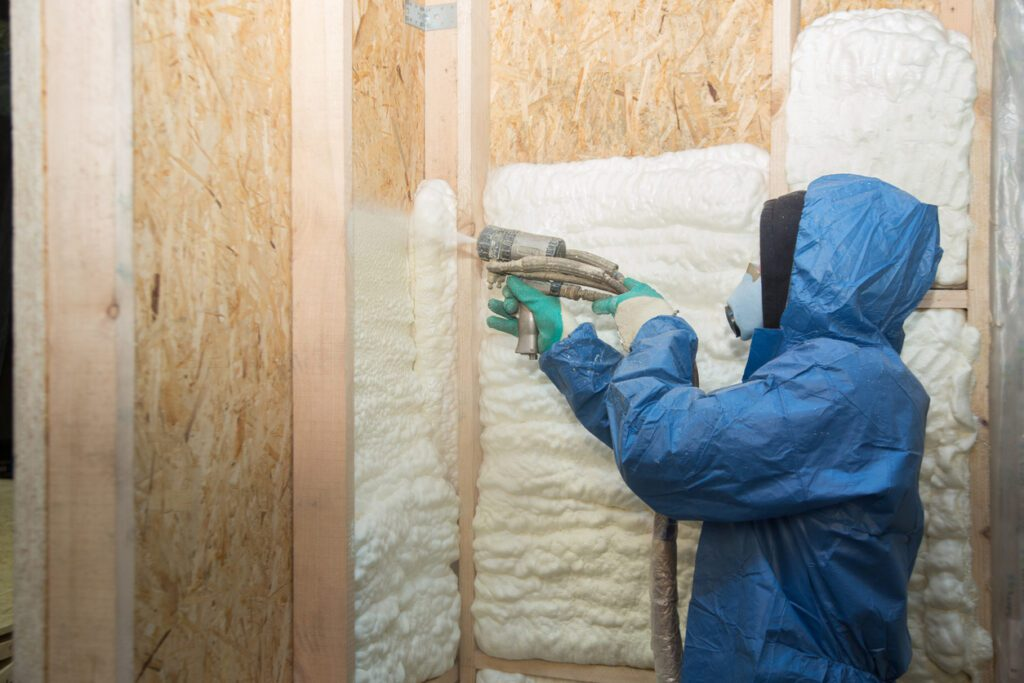
You notice strange smells coming from your walls, or your energy bills keep climbing despite having spray foam insulation installed. Poor installation practices affect nearly 30% of spray foam projects, leading to costly repairs and health concerns for homeowners.
This guide reveals the most common spray foam insulation problems you might face and shows you how to spot warning signs before they become expensive headaches. Read on to protect your investment and your family’s health.
Misrepresentation of Spray Foam Insulation Products
You often hear spray foam insulation marketed as a miracle cure for all your home’s energy problems. Sales representatives paint rosy pictures of dramatic energy savings and perfect air sealing.
Many contractors promise results that sound too good to be true, and frankly, they often are. Some companies exaggerate the R-value benefits or claim their spray foam insulation installation will solve moisture issues without proper ventilation planning.
Marketing materials frequently downplay the complexity of proper spray foam application. Contractors sometimes promise quick fixes for complex building science problems. They might tell you that spray foam works perfectly in every situation, from attic insulation to crawl space insulation projects.
The reality hits harder than expected. Professional spray foam insulation issues arise from these unrealistic expectations, leaving property owners frustrated with performance that doesn’t match the sales pitch.
Poor Installation Practices
Poor installation practices create the biggest headaches for homeowners who choose spray foam insulation. Rushing through the job or skipping critical steps turns what should be an energy-saving upgrade into a costly nightmare that requires spray foam insulation repair.
The installation was done too quickly.
Rushing through spray foam insulation installation creates a recipe for disaster. Quick installation practices lead to poor outcomes that can haunt your property for years. Your contractor might promise faster completion times, but speed often comes at the expense of quality.
Precision Insulation & Coatings emphasizes building science principles to avoid issues related to fast installations. Spray foam needs time to expand properly and create an effective air seal. Contractors who rush miss critical details like proper surface preparation and temperature control.
Proper installation timing proves crucial for effective spray foam insulation performance. Rushed installations result in insulation not adhering properly or curing incorrectly. The foam might not reach its full expansion potential, leaving gaps and weak spots.
Attention to detail during installation prevents common spray foam insulation problems that require costly spray foam insulation repair later. Our team at Precision Insulation & Coatings offers free on-site estimates to assess the right installation approach for your specific needs.
Insufficient thickness for an air seal
Quick installations often lead to another critical problem: a thin application that fails to create proper air sealing. Your spray foam needs adequate thickness to block air movement effectively. Most building codes require specific minimum depths, but contractors sometimes apply foam too thinly to save material costs.
Thin spray foam creates gaps and weak spots that allow air to leak through. You might notice drafts, higher energy bills, and temperature variations throughout your home. Professional commercial insulation services understand that proper thickness varies by location, with attic applications typically needing 6-10 inches for optimal performance.
Skimping on thickness defeats the primary purpose of spray foam insulation.
Proper spray foam thickness is like a good foundation; you can’t see it, but everything depends on it working right.
Improper Mixing of Chemicals
Spray foam insulation depends on precise chemical ratios to work correctly. Two components must blend in exact proportions, typically 50/50 or 60/40, depending on the product type. Temperature affects this mixing process dramatically.
Cold weather slows chemical reactions, while excessive heat speeds them up too quickly. Equipment malfunctions create uneven mixing ratios. Clogged spray tips disrupt the chemical balance.
Poor maintenance of mixing equipment leads to inconsistent results across your project. Improperly mixed chemicals create weak insulation that fails to expand fully. You’ll notice areas where the foam looks different in color or texture. Some sections may feel soft or sticky weeks after installation.
Others might crack or shrink over time. These problem areas allow air leaks that defeat the purpose of spray foam insulation. Professional contractors at Precision Insulation & Coatings have seen projects where homeowners later ask, “Can you remove spray foam insulation?” because mixing errors created such poor results.
Odors and Off-Gassing Issues
Fresh spray foam insulation can smell like fish, chemicals, or something rotten for weeks after installation. You might notice these odors are strongest in closed spaces like basements or attics. Poor mixing ratios cause the worst smells. Installers who rush the job often create chemical imbalances that lead to persistent odors.
Off-gassing happens as chemicals continue to react and release fumes into your home’s air. Some foam products never fully cure, which means they keep releasing chemicals for months or even years.
We’ve seen homeowners move out of their houses because the smell became unbearable. Proper ventilation during and after installation helps reduce these problems, but it doesn’t solve them completely if the foam wasn’t mixed correctly from the start.
Potential for Mold Formation
Spray foam insulation creates the perfect storm for mold growth if moisture finds its way into your home during or after installation. Moisture intrusion becomes a serious threat when contractors don’t follow proper building science principles.
Your walls can trap humidity, creating an ideal breeding ground for mold spores. Improper ventilation compounds this problem by preventing air circulation that would normally keep moisture levels in check.
Closed-cell spray foam offers better moisture resistance than open-cell foam, but neither type guarantees mold prevention without proper installation. Regular inspections and maintenance help detect potential mold problems before they spread throughout your property.
Poor installation practices leave gaps where moisture can penetrate, turning your insulation investment into a costly mold remediation project.
Impact on Ventilation and Moisture Control
Mold formation creates just one piece of a larger puzzle that affects your home’s air quality and structural integrity. Spray foam insulation dramatically alters how air moves through your building envelope, which can disrupt the delicate balance between ventilation and moisture control.
Open-cell and closed-cell spray foam insulation have different impacts on moisture control, making proper selection critical for your specific climate conditions. In Iowa’s variable weather patterns, we’ve seen countless homes where spray foam installation blocked natural air pathways without providing adequate mechanical ventilation alternatives.
Attic air sealing helps prevent moisture issues by minimizing air leaks, but spray foam can create an overly tight building envelope that traps humidity indoors. Your home needs to breathe in controlled ways to maintain healthy indoor air quality.
Proper insulation reduces heat loss, which is essential for effective ventilation systems to function correctly. During our decades of experience with insulation retrofits, we’ve discovered that poorly planned spray foam projects often require expensive remediation work to restore proper airflow patterns.
Health Risks from Chemical Exposure
Chemical exposure from spray foam insulation can compromise your indoor comfort and create serious health risks. Closed-cell and open-cell spray foam both release different types of chemicals during and after installation. These chemicals can trigger respiratory problems, skin irritation, and headaches in sensitive individuals.
Some people experience persistent coughing, throat irritation, or difficulty breathing after spray foam installation. The risk becomes higher if installers don’t follow proper safety protocols or if ventilation systems fail to remove chemical vapors effectively.
Building science principles emphasize the importance of understanding these health considerations before moving forward with installation. Blown-in fiberglass insulation offers fewer chemical exposure concerns compared to spray foam products.
Thermal barrier improvements can help reduce ongoing chemical exposure from spray foam, but the initial installation period remains problematic for many homeowners. Free estimates from qualified professionals help you understand potential health risks specific to your home’s situation.
Roof and Structural Damage Risks
Spray foam insulation can wreak havoc on your roof structure if applied incorrectly. Excessive foam expansion puts tremendous pressure on roof sheathing, rafters, and trusses. This pressure can cause wood members to bow, crack, or even break completely.
Over-application creates a rigid shell that prevents natural wood movement during temperature changes. Your roof needs to flex slightly with weather conditions, but thick foam layers eliminate this flexibility.
Closed-cell spray foam poses the biggest threat to structural integrity. This dense material expands with incredible force during installation. Contractors who apply too much foam in one pass create dangerous pressure buildup.
The foam continues expanding after application, pushing against roof components with thousands of pounds of force. Ridge beams can crack, and roof decking may buckle under this stress. Repair costs often exceed the original insulation investment, leaving you with expensive structural repairs and compromised building safety.
Alternatives to Spray Foam Insulation
Spray foam isn’t your only option when you need to insulate your home. Other materials can deliver excellent performance without the potential headaches that come with foam installation.
Fiberglass Insulation
Fiberglass insulation offers a proven alternative that sidesteps many spray foam problems. This material has protected homes for decades without the chemical mixing issues or off-gassing concerns that plague foam products.
Precision Insulation & Coatings specializes in blown-in fiberglass insulation, bringing building science expertise to every installation. The material creates effective thermal barriers while allowing homes to breathe naturally.
Installation happens faster and cleaner than spray foam applications. Fiberglass won’t trap moisture or create structural damage risks. The material costs less upfront and maintains consistent performance over time.
Precision Insulation & Coatings provides free on-site estimates for fiberglass insulation projects, helping homeowners and businesses make informed decisions about their energy efficiency improvements.
How to Avoid Common Spray Foam Insulation Problems
Hiring certified professionals
Certified professionals bring specialized knowledge to your spray foam project. They understand building science principles that make the difference between success and failure. Professional installers know how to apply both closed-cell and open-cell spray foam insulation correctly.
Their expertise covers thermal barrier improvements and proper air sealing techniques. These trained teams handle residential and commercial insulation needs with equal skill. Hiring certified companies protects your investment and your family’s safety.
Professional installers follow strict protocols for chemical mixing and application timing. They provide free on-site estimates that help you make informed decisions about your project. Certified teams carry proper insurance and warranties that DIY approaches can’t match. Their experience prevents costly mistakes that could damage your home’s structure or create health hazards down the road.
Ensuring proper ventilation
Proper ventilation becomes your best defense against spray foam insulation problems. You need fresh air circulation to prevent moisture buildup, chemical off-gassing, and indoor air quality issues.
Precision Insulation & Coatings emphasizes building science principles to create effective insulation systems that work with your home’s natural airflow patterns. Poor ventilation traps harmful fumes inside your living spaces, creating health risks for your family.
Smart ventilation strategies help reduce heat loss while improving indoor comfort throughout Iowa’s changing seasons. The company provides services that include attic air sealing to enhance ventilation performance in both new construction and existing homes. Adequate ventilation can lower energy bills through effective insulation installation that works with your HVAC system instead of against it.
Professional contractors understand how to balance air sealing with controlled ventilation, preventing the “too tight” house syndrome that leads to moisture problems and poor indoor air quality. Hiring certified professionals becomes critical for avoiding these costly mistakes.
Conclusion
Spray foam insulation problems can turn your dream home into a nightmare. Poor installation practices, chemical odors, and moisture issues create headaches that last for years. Smart homeowners research contractors carefully before signing contracts.
Professional installation from certified experts prevents the most common problems. Contact Precision Insulation & Coatings today for a free estimate and peace of mind that comes with proper spray foam installation.
FAQs
1. What are the most common spray foam insulation problems homeowners face?
The biggest headaches include poor installation, off-gassing smells, and shrinkage over time. You might also deal with moisture trapping, overspray mess, and fire safety concerns.
2. Can spray foam insulation cause health issues in my home?
Yes, it can. Poorly mixed foam releases toxic fumes that make people sick. Fresh installations often smell bad for weeks, causing headaches and breathing problems.
3. Why does my spray foam insulation keep shrinking and cracking?
Temperature swings make foam expand and contract like a sponge. Cheap materials or rushed jobs create weak spots that crack. Poor mixing also causes foam to pull away from walls, leaving gaps that defeat the whole purpose.
4. How can I prevent spray foam installation problems before they start?
Hire experienced contractors who know their stuff, not weekend warriors. Check references, ask about proper ventilation during install, and make sure they use quality materials that match your climate.