You stare at your energy bill each month and wonder why your heating and cooling costs keep climbing. Poor roof insulation materials can waste up to 40% of your home’s energy, sending your hard-earned money straight through the ceiling.
This guide breaks down the top insulation materials for roofs, helping you choose the right option for your home’s specific needs and budget. Your wallet will thank you.
Why Roof Insulation Matters
Your roof insulation acts like a thermal blanket for your home, creating a barrier that keeps heated air inside during winter and cool air inside during summer. Without proper roofing insulation materials, your HVAC system works overtime, burning through energy like a gas-guzzling truck on the highway.
Heat naturally rises, and an uninsulated roof becomes a massive escape route for your expensive conditioned air. This translates directly into higher energy bills that can drain your wallet month after month. Quality roof insulation materials deliver multiple benefits beyond just comfort.
Your heating and cooling systems experience less strain, which extends their lifespan and reduces repair costs. The insulation material for roofs also protects your roofing structure from temperature fluctuations that cause expansion and contraction damage.
Property values increase when buyers see energy-efficient upgrades, making insulation a smart investment that pays dividends. Most homeowners see significant reductions in their monthly utility bills, with some reporting savings of 20-30% after upgrading their attic insulation.
Types of Roof Insulation Materials
Fiberglass Insulation
Fiberglass insulation stands as one of the most popular roof insulation materials for good reason. This material comes in batts, rolls, or blown-in form, making it versatile for different roof structures and installation needs. Precision Insulation & Coatings specializes in blown-in fiberglass insulation, which offers superior coverage compared to traditional batts.
The blown-in method fills gaps and hard-to-reach areas that batts often miss. The cost of insulation materials for roofs makes fiberglass an attractive option for budget-conscious property owners. Installation requires proper safety equipment and technique, so working with experienced insulation contractors for roofs protects both performance and safety.
Blown-in fiberglass provides excellent thermal resistance while maintaining breathability in attic spaces. The material won’t settle as much as cellulose over time, maintaining its R-value for decades. We use building science principles to determine the right thickness and coverage for Iowa’s climate conditions. We offer free on-site insulation estimates to help property owners understand their specific needs.
Fiberglass insulation reduces heat loss effectively, which translates to lower energy bills throughout the year. Professional installation by qualified roofing contractors maximizes the material’s performance and longevity.
Cellulose Insulation
Cellulose insulation stands out as one of the most eco-friendly roof insulation materials available today. Made from recycled paper products, this material gets treated with fire retardants to create a safe, effective barrier against heat loss. We’ve seen cellulose insulation deliver impressive results for Iowa homeowners looking to cut energy costs.
The material fills gaps and cracks better than many alternatives, creating an airtight seal that keeps conditioned air where it belongs. Cellulose insulation reduces heat loss by up to 40% compared to traditional materials, making it a smart investment for long-term energy savings.
Building science principles guide our cellulose insulation installations, focusing on proper air sealing and moisture control. This approach prevents common problems like ice dams and condensation issues that plague many roofs. The material works especially well in attic spaces where irregular shapes and tight corners make other insulation types difficult to install properly.
Spray Foam Insulation
Spray foam insulation stands out as one of the top insulation materials for roof applications. This material expands after application, filling gaps and cracks that other insulation types miss. We’ve seen spray foam transform energy efficiency in countless Iowa homes. The material creates an airtight seal that blocks heat transfer better than traditional options.
Two main types exist: closed-cell and open-cell spray foam insulation. Closed-cell foam offers a higher R-value per inch and acts as a vapor barrier. Open-cell foam costs less but provides excellent sound dampening. Both versions reduce heat loss significantly compared to fiberglass or cellulose.
Your energy bills drop because conditioned air stays inside where it belongs. The installation process requires professional equipment and expertise, making it different from DIY-friendly alternatives.
Reflective or Radiant Barrier Insulation
Reflective insulation works like a mirror for heat. This material bounces radiant heat away from your roof instead of absorbing it. You’ll find it most effective in hot climates where cooling costs eat up your energy budget. The shiny aluminum surface reflects up to 97% of radiant heat, making your attic significantly cooler during the summer months.
Radiant barriers cost less than most traditional roof insulation materials, but they don’t provide the same thermal resistance as fiberglass or foam. You can install this material directly under your roof deck or over existing attic insulation for added protection. Many builders combine radiant barriers with other insulation types to create a complete thermal system that handles both radiant and conductive heat transfer.
Rigid Foam Board Insulation
Rigid foam board insulation stands out as one of the top insulation materials for roof applications. This material creates a continuous barrier that stops heat transfer better than traditional options. Precision Insulation & Coatings specializes in rigid foam board insulation because it delivers superior performance.
The boards come in different thicknesses, giving you flexibility for various roof structures. Installation involves cutting the boards to fit your roof deck perfectly. The material works well in both hot and cold climates, making it versatile for different regions. Roof insulation materials cost varies, but rigid foam board offers excellent long-term value.
Rigid foam board insulation improves roof insulation performance significantly compared to loose-fill options. You can use this material for insulation retrofits in existing homes or new construction projects.
The boards resist moisture, which prevents mold growth and maintains their insulating properties over time. This material reduces heat loss more effectively than fiberglass or cellulose, leading to lower energy bills year-round.
Deep Dive into Specific Insulation Types
Now that you know the main types of roof insulation, let’s examine two standout options that deliver exceptional performance. These materials often top the list for homeowners who want maximum energy savings and long-term value.
Spray Foam Insulation: Benefits and Applications
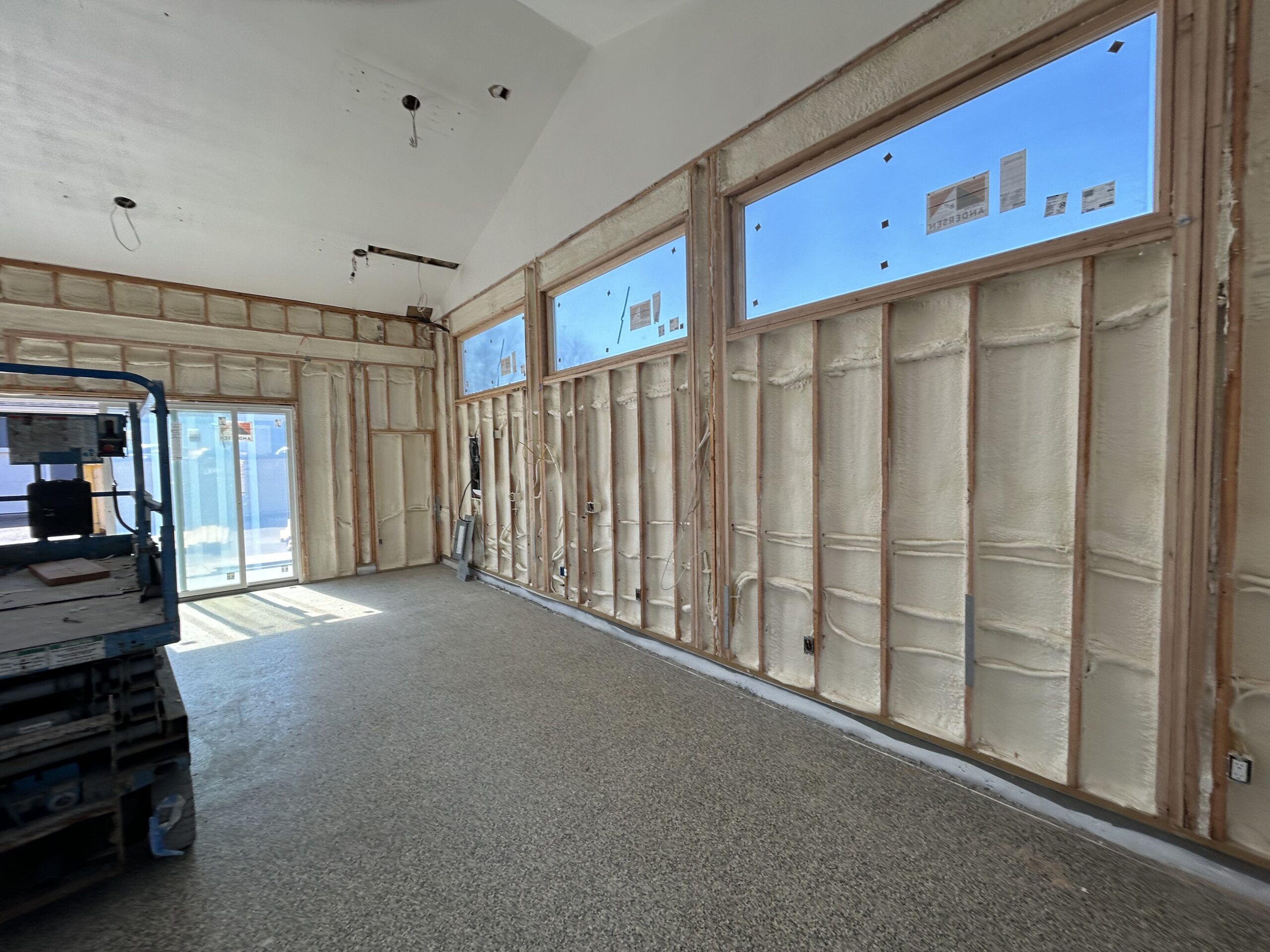
Spray foam insulation stands out as one of the top insulation materials for roof applications. This material creates an airtight seal that blocks air leaks, moisture, and heat transfer more effectively than traditional options. Closed-cell spray foam offers superior moisture resistance and structural support, while open-cell foam provides excellent sound dampening at a lower cost.
Both types expand to fill gaps and cracks that other materials miss, creating a continuous thermal barrier across your roof deck. Professional installers apply spray foam directly to roof surfaces, where it adheres permanently and won’t settle over time. This application method makes spray foam ideal for cathedral ceilings, vaulted spaces, and complex roof geometries where traditional batts struggle to perform.
The material helps reduce heat loss significantly, leading to lower energy bills and improved indoor comfort year-round. Many property owners see immediate improvements in temperature consistency after installation, with some reporting energy savings of 20-30% compared to their previous insulation systems.
Exploring Fiberglass Insulation Advantages
Fiberglass insulation stands as one of the top insulation materials for roof applications across America. You’ll find this pink or yellow material made from recycled glass and sand, spun into fine fibers that trap air effectively. Installation becomes straightforward with batts, rolls, or loose-fill options. Fire resistance ranks high with fiberglass, giving homeowners peace of mind.
The material won’t settle over time like some alternatives, maintaining its R-value for decades. Moisture resistance helps prevent mold growth in attics. Cost-effectiveness makes fiberglass attractive for budget-conscious property owners who want reliable performance.
Professional contractors appreciate fiberglass for its versatility and proven track record. Builders can cut and fit batts around roof trusses, pipes, and electrical wiring with standard tools. The material doesn’t shrink or expand significantly with temperature changes. Allergic reactions stay minimal compared to other insulation types. Rodents and insects rarely nest in fiberglass, protecting your investment.
Sound-dampening qualities reduce noise from rain, wind, and outside traffic. Energy savings add up quickly, with many homeowners seeing lower utility bills within the first month. Recycled content makes fiberglass an environmentally conscious choice for green building projects.
Factors to Consider When Choosing Roof Insulation
Picking the right roof insulation material isn’t like choosing a paint color; it requires careful thought about several key factors. Your decision will impact your comfort, energy bills, and wallet for years to come.
Climate
Your local climate plays a huge role in choosing the best roof insulation materials. Hot climates need materials that block heat from entering your home, while cold regions require insulation that keeps warm air inside. Reflective barriers work great in sunny areas like Arizona or Florida, where they bounce heat away from your roof.
Spray foam insulation performs well in cold states like Minnesota or Maine because it seals air gaps completely. Humidity levels also affect your insulation choice. Wet climates can cause moisture problems with certain materials. Fiberglass holds up well in humid areas, but cellulose can absorb water and lose effectiveness.
Our team has seen countless homes where the wrong insulation choice led to mold growth and energy waste. The top insulation materials for roof applications vary greatly based on your specific weather patterns and seasonal temperature swings.
Roof Structure
Climate affects insulation choice, but roof structure plays an equally important role in selecting the best roof insulation materials. Different roof types require specific insulation approaches to maximize performance and prevent costly problems. Attic spaces with accessible floor joists work perfectly with batt or blown-in insulation materials.
Cathedral ceilings demand rigid foam boards or spray foam because traditional batts can sag and create gaps. Flat roofs need continuous insulation layers to prevent thermal bridging, making rigid foam the top choice. Steep-pitched roofs with limited crawl space benefit from spray foam application since installers can reach tight areas more easily.
Metal roofing systems require reflective barriers to combat radiant heat transfer. We’ve seen countless projects where homeowners chose the wrong insulation type for their roof structure, leading to moisture issues and energy loss.
Budget
Your roof structure directly impacts material costs, but your budget often becomes the deciding factor. Different insulation materials come with varying price tags that can stretch from affordable to premium ranges. Fiberglass batts offer the most budget-friendly option for homeowners looking to maximize coverage without breaking the bank.
Cellulose falls into the middle price range, while spray foam sits at the higher end of the cost spectrum. Rigid foam boards balance performance with reasonable pricing, making them popular among contractors working within tight project budgets. Consider long-term energy savings alongside upfront costs, as higher-performing materials often pay for themselves through reduced heating and cooling bills over time.
Environmental Impact
The choice of insulation material significantly impacts environmental sustainability. Different materials carry varying carbon footprints during manufacturing and disposal. Fiberglass contains recycled glass content, making it a greener option than many alternatives. Cellulose wins the eco-friendly race, as manufacturers create it from recycled newspaper and cardboard.
Spray foam, while highly effective, requires chemical production that generates more environmental impact during manufacturing. From our job sites, we’ve seen homeowners increasingly ask about sustainable options that don’t compromise performance.
Spray foam insulation minimizes energy waste through effective air sealing, creating long-term environmental benefits despite its initial production impact. Enhanced insulation performance contributes to lower energy bills, reducing energy consumption for decades. The best roof insulation materials balance immediate environmental costs with lifetime energy savings.
Rigid foam boards offer decent sustainability, especially versions made with recycled content. We’ve installed projects where eco-conscious clients chose cellulose for attics and spray foam for critical air sealing areas, creating a hybrid approach that maximizes both performance and environmental responsibility.
Conclusion
Your roof insulation choice directly impacts your home’s comfort and energy bills. Spray foam creates an air-tight seal that stops heat loss cold, while blown-in fiberglass offers budget-friendly performance that won’t break the bank.
Each material brings specific strengths to the table, so consider your climate, budget, and long-term goals before making the call. Contact Precision Insulation & Coatings for a free estimate and discover which top insulation materials for roof applications work best for your Iowa home.
FAQs
1. What are the best roof insulation materials for most homes?
Fiberglass batts and spray foam top the list for good reason. They’re like the workhorses of the insulation world, offering solid performance without breaking the bank.
2. What are the top insulation materials for roof spaces with moisture issues?
Closed-cell spray foam wins this battle hands down. It acts like a superhero cape against moisture, sealing every crack and crevice while providing excellent thermal protection.
3. Which roof insulation gives you the biggest bang for your buck?
Blown-in cellulose often takes the crown here. It’s made from recycled paper, costs less than many alternatives, and fills gaps like sand in a jar.
4. What makes certain insulation materials better than others for roofs?
The best performers combine high R-values with moisture resistance and air sealing properties. Think of it this way: you want material that keeps heat where it belongs while keeping water where it doesn’t. Some materials excel at one job, others tackle multiple challenges at once.