When your summers are long, sunny, and brutally hot, your walls do more than “hold up the house.” They’re part of your comfort system. If wall insulation is missing, poorly installed, or paired with leaky air pathways, your AC ends up fighting a constant uphill battle, hot outdoor air sneaks in, cooled air drifts out, and rooms near sun-facing walls feel warmer than the rest of the house.
The good news is that “best wall insulation for hot climates” isn’t one magic product. It’s a smart combination of the right insulation type for your wall assembly, strong air sealing, and moisture control that fits your region, humid, dry, or mixed.
In this guide, we’ll explain what matters most in hot climates, compare the top wall insulation options, and share practical choices that hold up over time.
What Makes Hot-Climate Wall Insulation Different?
Hot climates place extra pressure on walls because the primary issue is heat gain. That heat enters in three main ways:
- Conduction: Heat moves through materials (studs, drywall, sheathing).
- Convection: Hot air flows through gaps and cracks (air leakage).
- Radiation: Sun-driven radiant heat warms exterior surfaces and can drive heat inward.
So the best solution usually involves more than just “higher R-value.” You want insulation that:
- Resists heat flow (solid R-value strategy)
- Stops air leakage (air sealing is huge)
- Manages moisture properly (especially in humid heat)
- Reduces thermal bridging (heat sneaking through studs)
ENERGY STAR’s insulation guidance reinforces how insulation levels and location matter by climate zone and part of the home.
The Quick Answer: What’s the Best Wall Insulation for Hot Climates?
If you want a straightforward ranking based on performance (not price):
Best overall (performance + air sealing)
- Closed-cell spray foam (especially when wall cavities are limited or moisture control matters)
Best “balanced” option (effective, common, versatile)
- Dense-pack cellulose or high-density fiberglass batts paired with excellent air sealing.
Best upgrade for reducing heat through studs
- Continuous exterior insulation (rigid foam board or similar) to cut thermal bridging
Best add-on for strong sun exposure
- Radiant barriers / reflective systems in the right assemblies (more common in attics, but can help in some wall designs). The U.S. Department of Energy notes radiant barriers work by reflecting radiant heat and don’t have an inherent R-value like bulk insulation.
In real homes, the “best” choice depends on your wall type (2×4 vs 2×6), whether walls are open or finished, humidity levels, and whether you’re trying to fix comfort issues in specific rooms.
Key Factors That Decide the Right Insulation
1) Air sealing matters as much as insulation
You can install great insulation and still feel hot rooms if air leaks are left open. Hot air infiltration and duct leakage can dominate comfort problems, especially in older homes. A simple rule we use: seal first, then insulate (or seal as you insulate). ENERGY STAR’s “Seal and Insulate” guidance emphasizes air sealing and insulation together for comfort and efficiency.
2) Moisture behavior changes in hot climates
In humid, hot climates, moisture can move from outside to inside when the AC is running (warm, humid exterior meets cooler interior surfaces). In drier hot climates, moisture risk is different, but solar-driven vapor can still matter depending on materials.
3) Thermal bridging is a silent comfort killer
Wood studs conduct heat more than insulated cavities. Even “fully insulated” walls can underperform if the framing is a major pathway for heat. Continuous insulation (outside the studs) helps reduce this.
Best Wall Insulation Materials for Hot Climates
1) Closed-Cell Spray Foam Insulation
Best for: maximum performance, air sealing, moisture resistance, limited cavity depth
Closed-cell foam is one of the strongest options for wall insulation for hot climates because it does several jobs at once:
- High thermal resistance per inch (strong R-value in thin spaces)
- Creates an air barrier when properly installed
- Adds moisture resistance compared to many other materials
- Reduces convective heat transfer inside the cavity
When we insulate walls, we like closed-cell foam for areas that need tighter control, exterior walls, certain additions, or places where humidity and air leakage have been persistent issues. We know how spray foam helps reduce energy loss by sealing air leaks in walls and other areas.
Where it shines in hot climates:
- Sun-facing walls that get baked daily
- Homes where AC runs hard and comfort swings are noticeable
- Walls with lots of penetrations (plumbing/electrical) that are hard to seal
Watch-outs:
- Foam must be installed correctly (coverage, curing, ventilation during install)
- The wall assembly still needs smart moisture planning; foam is powerful, but it’s not a “ignore the building science” card.
2) Open-Cell Spray Foam Insulation
Best for: air sealing + sound control, deeper cavities, interior applications
Open-cell foam air seals well, but it’s not as moisture-resistant as closed-cell. In some hot climates, it can still be a great option, especially where you want air control and have enough depth to hit your R-value target.
We often explain foam choices as “open-cell for excellent air sealing and sound control” and “closed-cell for higher R-value per inch and moisture control,” depending on the space.
3) Dense-Pack Cellulose
Best for: retrofits, reducing air movement in cavities, balanced performance
Cellulose is a strong contender for best wall insulation for hot climates when you’re insulating existing walls (especially if you can dense-pack). Dense-pack cellulose can reduce air movement inside the cavity better than loose-fill and helps limit convective loops that can reduce real-world performance.
Why it works well:
- Good thermal performance when installed properly
- Can improve comfort in older walls when cavities are accessible
- Often performs better than you’d expect if it’s dense-packed and paired with air sealing
Watch-outs:
- Needs correct density and professional installation technique
- Moisture strategy still matters (as always)
4) High-Density Fiberglass Batts
Best for: new construction or open-wall projects, budget-friendly performance (when installed perfectly)
Fiberglass batts get a bad reputation mostly because they’re often installed poorly compressed, cut short, or left with gaps around wiring and outlets. In hot climates, those gaps become heat highways. If batts are installed with real care (full contact, no voids, tight fit at edges) and you also do proper air sealing, they can perform well.
How to make batts work in hot climates:
- Air seal all penetrations before batts go in
- Avoid compression
- Split batts around wires/pipes instead of stuffing
- Use proper vapor/air control layers for your region
ENERGY STAR also guides on choosing insulation types and where they fit best.
5) Rigid Foam Board / Continuous Exterior Insulation
Best for: reducing thermal bridging and improving overall wall performance
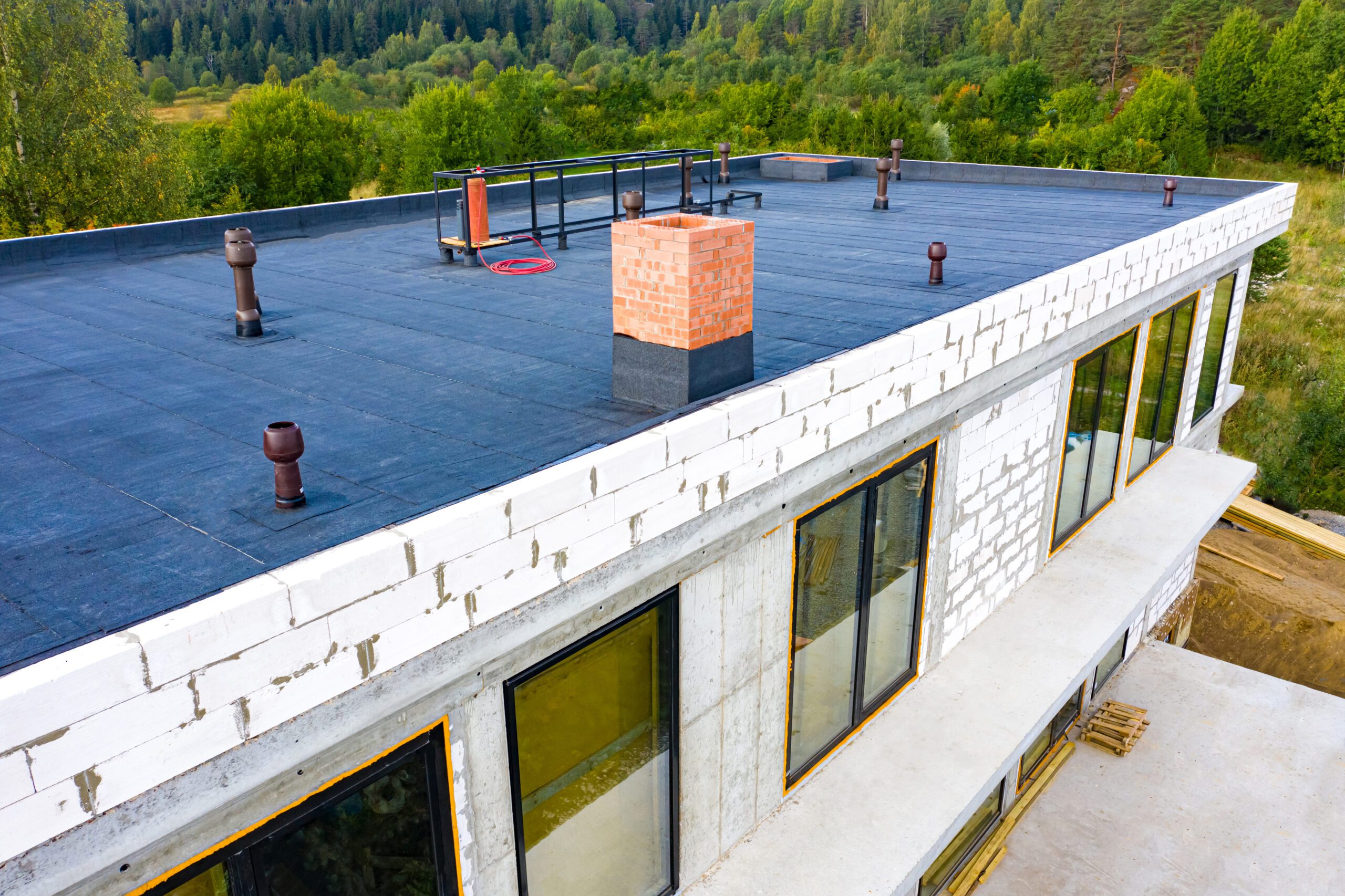
If you want to make a wall perform better as a system, continuous insulation is one of the biggest upgrades available. Instead of only insulating between studs, rigid foam outside the sheathing can reduce heat flowing through the framing itself.
In hot climates, that can mean:
- Better indoor temperature stability
- Less “hot wall” feeling in the afternoon
- Improved comfort in rooms that face the strong sun
This approach is common in higher-performance builds and major remodels. It’s especially valuable when you’re already replacing siding or doing exterior work.
6) Radiant Barriers and Reflective Systems (Where They Fit)
Radiant barriers are often associated with attics, but reflective systems can also be part of a wall strategy in certain hot, sunny environments. The Department of Energy explains that radiant barriers reduce heat gain by reflecting radiant heat and don’t function like bulk insulation with an inherent R-value.
Important: radiant barriers are not an insulation replacement. Think of them as a “heat control add-on” in the right assembly, not the main solution.
The Best Wall Insulation Strategy
Here’s what we’ve seen repeatedly: the best results come from combining steps, not chasing a single material.
Step 1: Start with air sealing
Before insulation goes in, seal:
- Top and bottom plates
- Electrical penetrations
- Plumbing penetrations
- Window/door rough openings
- Any visible gaps at sheathing seams (where accessible)
Even small leaks add up when your AC is running all day.
Step 2: Choose insulation based on your wall + climate
- Closed-cell spray foam for maximum control and high performance
- Dense-pack cellulose for effective retrofit cavity fills
- Fiberglass batts are only used when installation quality is high, and air sealing is handled
Step 3: Reduce thermal bridging if you can
If you’re doing exterior work, consider continuous insulation. It can be a major comfort upgrade in hot climates.
Step 4: Don’t ignore moisture
Moisture problems can show up as musty smells, paint issues, or even condensation in the wrong conditions. We’ve written about condensation causes and how insulation and air control affect it.
Hot-Climate Wall Insulation: Common Mistakes to Avoid
1) Insulating without sealing air leaks
This is the biggest one. Insulation slows heat transfer, but it doesn’t automatically stop air movement.
2) Leaving gaps, voids, or compressed batts
Even a “small” gap can become a noticeable hot spot on the wall.
3) Ignoring the sun-facing walls
If one side of the home bakes every afternoon, that wall needs extra attention, better air sealing, better cavity fill, and sometimes continuous insulation.
4) Thinking “more R-value” solves everything
R-value matters, but real-world comfort depends heavily on air leakage and thermal bridging.
Practical Scenarios: What We’d Recommend
If your walls are open (remodel or new build)
This is the best time to do it right:
- Air seal thoroughly
- Consider closed-cell spray foam for exterior walls
- Or use quality batts/cellulose with airtight details
- If siding is coming off, consider continuous exterior insulation
If your walls are closed (finished drywall)
Options depend on access:
- Dense-pack cellulose may be possible
- Foam injection may be possible in some cases
- You can still improve comfort by air sealing attic/basement transitions and addressing the biggest leakage points
If specific rooms are always hot
That’s often a mix of:
- Sun exposure
- Duct issues
- Wall/attic insulation gaps
- Air leakage around windows/outlets
In many homes, we find the “hot room” isn’t one problem; it’s three small ones stacking together.
The Bottom Line
The best wall insulation for hot climates is the one that matches your wall assembly and fixes the whole problem: heat flow, air leakage, and moisture behavior. In many cases, closed-cell spray foam is the strongest all-around option. That said, dense-pack cellulose and properly installed fiberglass can also perform well when paired with serious air sealing. If you want the biggest “system-level” upgrade, continuous exterior insulation can reduce thermal bridging and stabilize indoor comfort.
At Precision Insulation & Coatings, we approach insulation as building science in the real world, which will keep your home comfortable in the toughest heat, not just what looks good on paper.
FAQs: Best Wall Insulation for Hot Climates
1) What is the best wall insulation for hot climates?
For many homes, closed-cell spray foam is the top performer because it combines strong insulation value with air sealing and moisture resistance. However, dense-pack cellulose and high-quality fiberglass batts can also work well when installed with excellent air sealing.
2) Is spray foam better than fiberglass for hot weather?
Often, yes, because spray foam can reduce air leakage far more effectively. Fiberglass can perform well, too, but only when the installation is meticulous, and the wall is properly air-sealed first.
3) Do radiant barriers work in hot climates?
They can help reduce radiant heat gain in the right assemblies, but they are not a substitute for insulation. The DOE notes radiant barriers work by reflecting radiant heat and don’t have an inherent R-value like bulk insulation.
4) What R-value should walls have in hot climates?
It depends on your climate zone and wall type. ENERGY STAR provides recommended R-values by location and part of the home.
5) Can I add insulation to existing finished walls?
Sometimes, yes. Dense-pack cellulose or certain retrofit methods may work depending on wall construction. A professional assessment helps determine what’s realistic without damaging finishes.
6) Why are some rooms still hot after adding insulation?
Common causes include air leaks, duct issues, thermal bridging through studs, and uneven insulation coverage. In hot climates, sun exposure on one side of the home can also make a big difference.
7) Does wall insulation help with humidity control?
Indirectly, yes, especially when it’s paired with air sealing. Less humid outdoor air leaking in means your AC and dehumidification strategy can work more efficiently, improving indoor comfort.