Do you feel cold drafts in your house during winter? Maybe your energy bills are high, and the rooms never seem to stay comfortable. These problems happen when heat escapes through poor insulation or air leaks. Good insulation is key to better home efficiency and comfort.
Did you know that R-value measures how well insulation slows down heat transfer? This makes a big difference in keeping warm air inside during Iowa winters and cool air in summer. In this blog post, you will learn why R-value is important for spray foam insulation, see the benefits of insulation 2026 style, and find out how it can lower your energy costs.
Learn what helps make homes more comfortable year-round. Keep reading to see if spray foam can help fix these common issues!
Understanding R-Values
R-Value shows how well insulation resists heat flow. The higher the R-Value, the better your space will stay warm in winter and cool in summer.
What is R-Value?
R-Value measures how well a material resists heat flow, also known as thermal resistance. Higher R-Values mean better insulation. This means your home stays warmer in winter and cooler in summer. The right R-Value helps keep indoor comfort high.
Spray foam insulation has different types that offer various R-Values. Open-cell spray foam is light and good at filling small gaps. Closed-cell spray foam is denser and offers higher R-Values for stronger sealing against air leaks. Choosing the right type can give you better energy efficiency and lower energy costs over time.
Understanding R-Value is essential for homeowners, builders, and contractors alike. It affects your home’s performance directly. A proper choice leads to more comfort inside your space while saving money on energy bills each month.
How it measures thermal resistance
R-Value is a way to measure how well materials resist heat flow. A higher R-Value means better insulation. This rating helps you understand how much warmth stays inside your home in winter, and how much heat enters during summer.
Insulation materials, like spray foam, have different R-Values depending on their type and thickness. Open-cell spray foam has a lower R-Value compared to closed-cell spray foam. Closed-cell foam offers stronger thermal resistance because it is denser. Knowing the R-Value of your insulation can help you make smart choices for energy efficiency.
Choosing the right R-Value also depends on where you live and what part of your house needs insulation. Different areas may require different levels of thermal resistance to keep your space comfortable year-round.
Types of Spray Foam Insulation
Spray foam insulation comes in two main types: open-cell and closed-cell. Open-cell foam is softer and allows air to flow, while closed-cell foam is denser and provides a strong barrier against water and air.
Open-cell spray foam
Open-cell spray foam is a popular insulation option for many homes. This type of foam has a soft and spongy texture. It expands to fill gaps and cracks, creating an air-tight seal. The main benefit of open-cell spray foam is its R-Value, which measures thermal resistance. A higher R-Value means better energy efficiency in your home.
This insulation works well in walls and ceilings. It helps keep your indoor space comfortable all year round. Open-cell spray foam is also good for soundproofing, reducing noise between rooms.
Choosing this type of insulation can lead to lower energy costs over time, making it a smart choice for homeowners and builders alike.
Closed-cell spray foam
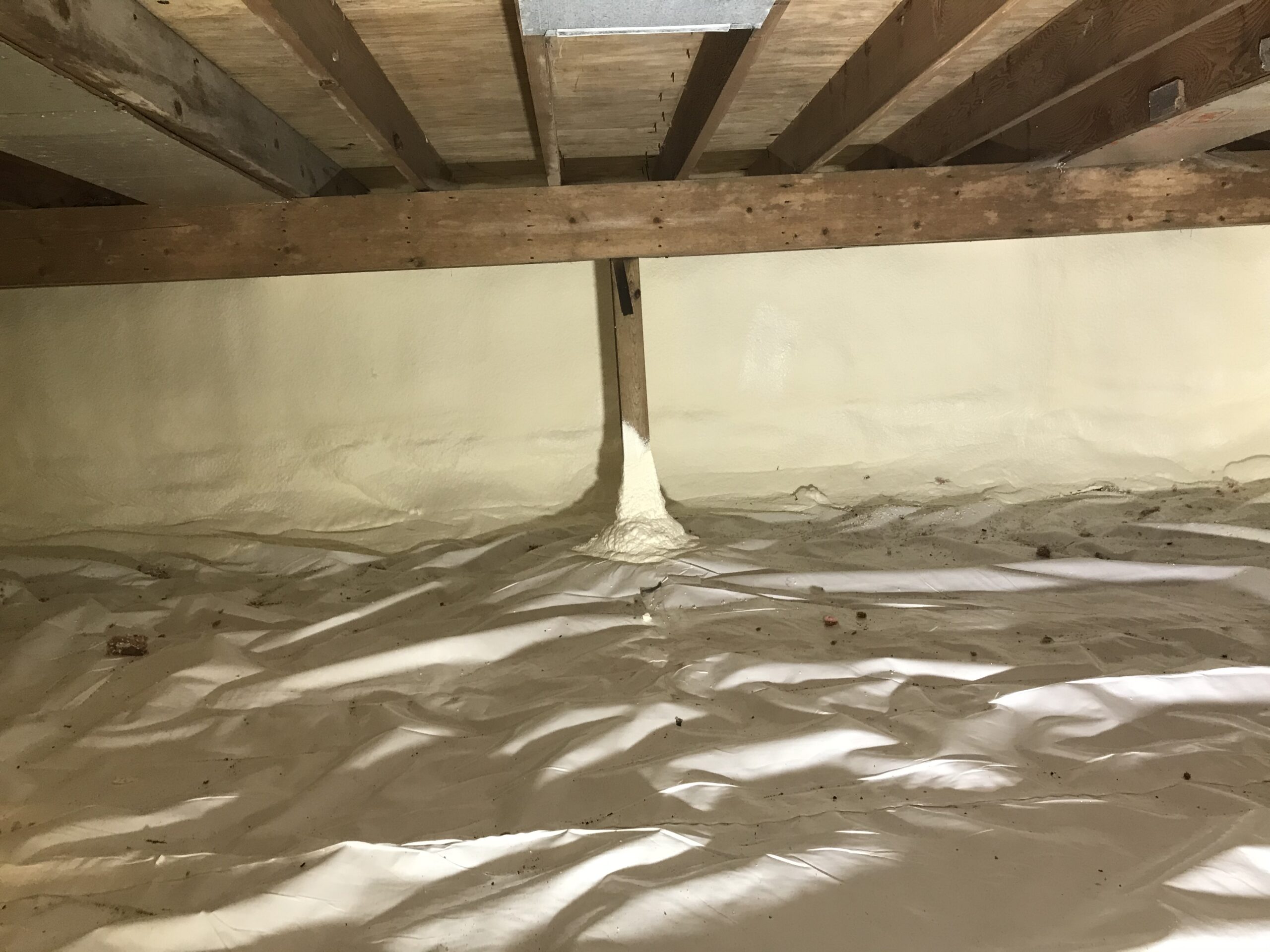
Closed-cell spray foam is a type of insulation that offers strong protection. It forms a solid barrier that blocks air and moisture well. This helps keep your home comfortable. It can seal gaps and spaces, reducing heat loss in winter and keeping cool air inside during summer.
This insulation has a high R-value, which means it resists heat flow effectively. You will notice lower energy costs when you use closed-cell spray foam. Many homeowners see savings on their heating and cooling bills because this material keeps the indoor climate stable.
Using closed-cell spray foam also brings added strength to your building structure. It serves as a good way to improve durability against outside elements. Insulation professionals at Precision Insulation & Coatings have seen how effective this product can be for many projects in Iowa’s varied weather conditions.
Benefits of High R-Value in Spray Foam Insulation
High R-Value spray foam insulation can save you money on energy bills. It keeps your home warm in winter and cool in summer, making it more comfortable year-round.
Enhanced energy efficiency
Spray foam insulation offers enhanced energy efficiency for your home or building. It fills every gap and crack, reducing heat loss in winter and keeping cool air inside during summer.
With a high R-value, spray foam helps maintain a steady temperature in your space. A tight seal prevents drafts and outside air from entering. Your energy bills can go down with improved insulation. You may notice savings as you use less heating and cooling to stay comfortable year-round.
Improved indoor comfort
High R-value in spray foam insulation helps keep your home cozy. It seals gaps and blocks cold or hot air from entering. This creates a stable indoor temperature all year round. Comfort matters for you and your family.
You can relax knowing your living space stays warm in winter and cool in summer. Higher energy efficiency also means less strain on your heating and cooling systems, leading to lower energy costs over time. Enjoying consistent comfort can make any house feel like home.
Reduced energy costs
Spray foam insulation can help cut your energy bills. A higher R-value means better thermal resistance. This means less heat escapes during winter and stays out in summer. You save money on heating and cooling costs each month. Your home becomes more energy-efficient with spray foam insulation.
The material fills gaps, which prevents air leaks. Good insulation leads to a comfortable indoor climate all year long. Your HVAC system will not have to work as hard, further lowering your expenses. Investing in high R-value spray foam insulation pays off quickly through these reduced bills.
How to Choose the Right R-Value for Your Insulation Project
To choose the right R-Value for your insulation project, start by looking at where you live. Different areas need different values based on local climate and building codes.
Assessing geographic location
Your geographic location plays a big role in choosing the right R-value. Different climates need different insulation to work well. For example, homes in colder areas need higher R-values to keep heat inside.
Warmer regions may not need as high an R-value since they focus more on keeping cool air in. You should also consider local weather patterns. Heavy rainfall and humidity can affect insulation choices, too. Spray foam insulation can help with moisture control while improving energy efficiency.
Check your area’s specific needs to find what works best for your home or building project.
Determining the area of application
Choosing the right area for spray foam insulation is important. Look at where you want to apply it in your home or building. Common places include attics, walls, and crawlspaces. Each space can benefit from different types of insulation. Think about climate and usage too.
Areas that face extreme weather need higher R-Values for better energy efficiency. Insulating these spots well will keep your indoor comfort high while also reducing energy costs. Understanding the application helps you choose the best spray foam insulation for your project.
Checking local building codes
Checking local building codes tells you what insulation materials are allowed in your area. They can affect how much spray foam insulation you use. Local building codes set minimum R-Values for different regions based on climate and construction types. You need to follow these guidelines for safety and efficiency.
If your insulation does not meet these standards, it may lead to problems later on. Always consult with local insulation contractors who understand these codes well. Make sure to consider where you live when selecting your spray foam insulation’s R-Value. Using proper insulation will help enhance energy efficiency, improve indoor comfort, and reduce energy costs over time.
Considering building design
The layout of your home or property affects how insulation works. Different designs may need different R-Values for spray foam insulation. For instance, a two-story house might lose heat in different ways compared to a bungalow. High ceilings can lead to more energy loss, too. You should focus on areas that need the most protection from heat loss or gain.
Insulating these spaces properly helps with climate control and comfort. The type of space also matters. Finished basements require different needs than attics or crawlspaces. Every part of the building should be considered when deciding on R-Value levels for effective performance and cost savings over time.
The Bottom Line
R-Value is vital for your insulation. It measures how well materials resist heat flow. Higher R-Values mean better energy efficiency and comfort in your home. Spray foam insulation offers two types, open-cell and closed-cell, each with unique benefits.
Choosing the right R-Value depends on your area, building design, and local codes. These factors can lead to lower energy costs and a more enjoyable indoor space. Think about how upgrading your insulation could improve your life today; reach out to Precision Insulation & Coatings if you need help or want to learn more!
FAQs
1. What is R-value, and why does it matter for spray foam insulation?
R-value measures how well insulation stops conductive heat from moving through walls or roofs. Spray foam with a high R-value improves building performance by keeping indoor spaces warmer in winter and cooler in summer.
2. How does spray foam insulation help with air sealing?
Spray foam fills every small space, stopping air leaks. This strong air sealing keeps outside air out and helps save energy.
3. What are the benefits of using spray foam for sustainability?
Spray foam’s high R-value reduces energy use over time, which lowers heating and cooling costs. This supports sustainability by cutting down on wasted energy.
4. Why is space filling important when choosing insulation materials?
Space-filling lets spray foam cover gaps that other types might miss; this creates better coverage for higher building performance and stronger thermal protection.