Your home’s energy bills keep climbing, and you can’t figure out why your house feels drafty in winter and stuffy in summer. Modern homes use several types of insulation to create comfortable living spaces while reducing energy costs.
This guide breaks down the most common residential insulation types, from traditional fiberglass to modern spray foam insulation, helping you choose the right solution for your Iowa home. Modern homes use several types of insulation to create comfortable living spaces while reducing energy costs, as explained in the U.S. Department of Energy’s insulation types guide.
Ready to cut those energy bills in half?
Blanket Insulation
Blanket insulation forms the backbone of most home insulation projects, offering you a tried-and-true solution that fits between wall studs, floor joists, and ceiling rafters. This traditional insulation method comes in two main forms that work well for different installation needs and spaces throughout your home.
Batt and Roll Insulation
Batt and roll insulation stands as one of the most popular traditional insulation choices for good reason. This fiberglass-based material comes in pre-cut sections that fit snugly between wall studs, floor joists, and ceiling rafters. You’ll find it available in different thicknesses and R-values to match your specific needs.
At Precision Insulation & Coatings, we’ve installed thousands of square feet of this reliable material across Iowa homes, and it consistently delivers solid performance for energy efficiency improvements. Installation proves straightforward for this type of insulation, making it a cost-effective option per square foot compared to other materials.
The batts come with or without paper or foil facing, which acts as a vapor barrier in certain applications. Rolls work well for longer runs in attics and basements where you need continuous coverage. Building science principles guide proper installation to prevent gaps and thermal bridging that reduce effectiveness. This material excels at reducing heat loss while enhancing indoor comfort throughout Iowa’s varying seasons.
Foam Insulation
Foam insulation brings powerful thermal protection to your home through advanced materials that expand, seal, and create airtight barriers where traditional blanket options simply can’t reach. This modern insulation technology transforms how you think about energy efficiency, comfort, and long-term savings in your Iowa home.
Spray Foam
Spray foam insulation comes in two distinct varieties: closed-cell and open-cell formulations. Closed-cell spray foam offers higher R-values and acts as a moisture barrier, while open-cell provides excellent sound dampening at a lower spray foam insulation cost.
Both types expand upon application, filling gaps and cracks that traditional insulation materials simply can’t reach. This expansion creates an airtight seal that dramatically reduces heat loss through your home’s envelope. Spray foam insulation provides superior air sealing compared to other insulation materials, making it one of the most effective modern insulation solutions available.
Professional installation matters significantly with spray foam, as proper application techniques affect both performance and safety. Common applications include attic air sealing projects and insulation for home additions, where the foam’s ability to conform to irregular spaces proves invaluable.
Foam Board or Rigid Foam
Foam board insulation offers excellent thermal resistance with its rigid, lightweight structure. You’ll find this type of foam insulation works perfectly for walls, basements, and foundation applications where moisture resistance matters most. Rigid foam insulation comes in different thicknesses, typically ranging from half an inch to four inches.
The boards cut easily with a utility knife, making installation straightforward for contractors and builders alike. Our team has installed thousands of square feet of foam board in Iowa homes over the past decade. This insulation type provides continuous coverage that eliminates thermal bridging through wall studs.
Foam board insulation enhances energy efficiency significantly compared to traditional batt insulation alone. The moisture-resistant properties protect your home from condensation issues, especially in basement and crawl space applications. Installation costs typically run between $1.50 to $3.00 per square foot, depending on thickness and project complexity.
Loose-Fill Insulation
Loose-fill insulation flows like water into every crack and crevice, making it perfect for hard-to-reach spaces where blanket insulation just won’t fit.
Cellulose Insulation
Cellulose insulation stands out as one of the most eco-friendly options among different insulation types. Made from recycled paper materials, this loose-fill insulation transforms old newspapers and cardboard into effective thermal protection for your home. The material offers excellent fire resistance due to special treatments, making it a safe choice for families.
Blown-in application allows cellulose to fill gaps and crevices that other materials might miss. Cellulose insulation delivers both environmental benefits and superior thermal performance, making it a smart investment for Iowa homeowners. Your attic and wall cavities benefit from cellulose’s ability to settle into tight spaces.
Professional insulation contractors near you often recommend this material for retrofit projects because it works well with existing structures. The recycled content means you’re helping the environment while improving your home’s energy efficiency.
Cellulose provides effective thermal performance that rivals more expensive options, and many insulation services in Iowa report excellent customer satisfaction with this material. The cost per square foot remains competitive compared to other loose-fill options, making it budget-friendly for large projects.
Blown-In Fiberglass Insulation
Blown-in fiberglass insulation fills gaps and cracks that traditional batts can’t reach. This loose-fill material gets blown into your attic spaces, wall cavities, and hard-to-access areas using special equipment. You’ll find it works better than standard fiberglass batts because it creates fewer air gaps. The material settles into every nook and cranny, forming a continuous thermal barrier.
Precision Insulation & Coatings specializes in blown-in fiberglass insulation installation across Iowa homes. This method reduces heat loss significantly while improving indoor comfort year-round. Your energy bills drop because the insulation enhances energy efficiency throughout your home.
The material comes in various forms, but the blown-in version offers superior coverage compared to batts or rolls. Installation requires professional equipment and expertise to achieve proper density and R-value performance.
Special Considerations for Different Spaces
Different spaces in your home need specific insulation strategies, and choosing the right approach can save you hundreds of dollars while boosting comfort year-round.
Attic Insulation
Your attic represents the biggest opportunity for energy savings in most homes. Heat rises naturally, and without proper attic insulation, you’re literally watching your money float away through the roof. We specialize in attic insulation services that tackle this problem head-on. Spray foam insulation offers superior air sealing for attics, creating an airtight barrier that stops conditioned air from escaping.
Blown-in fiberglass provides excellent coverage for irregular spaces and hard-to-reach areas. Both types of foam insulation work together with attic air sealing to create a complete thermal envelope. Effective attic insulation contributes to lower energy bills while improving indoor comfort year-round.
The right insulation cost per square foot pays for itself through reduced heating and cooling expenses. Proper attic insulation helps reduce heat loss during Iowa’s harsh winters and keeps cool air inside during sweltering summers.
Free on-site estimates for attic insulation are available for homeowners and businesses who want to see exactly what their space needs. Professional installation makes all the difference in performance, especially in Iowa’s climate, where temperature swings can be extreme.
Crawl Space Insulation
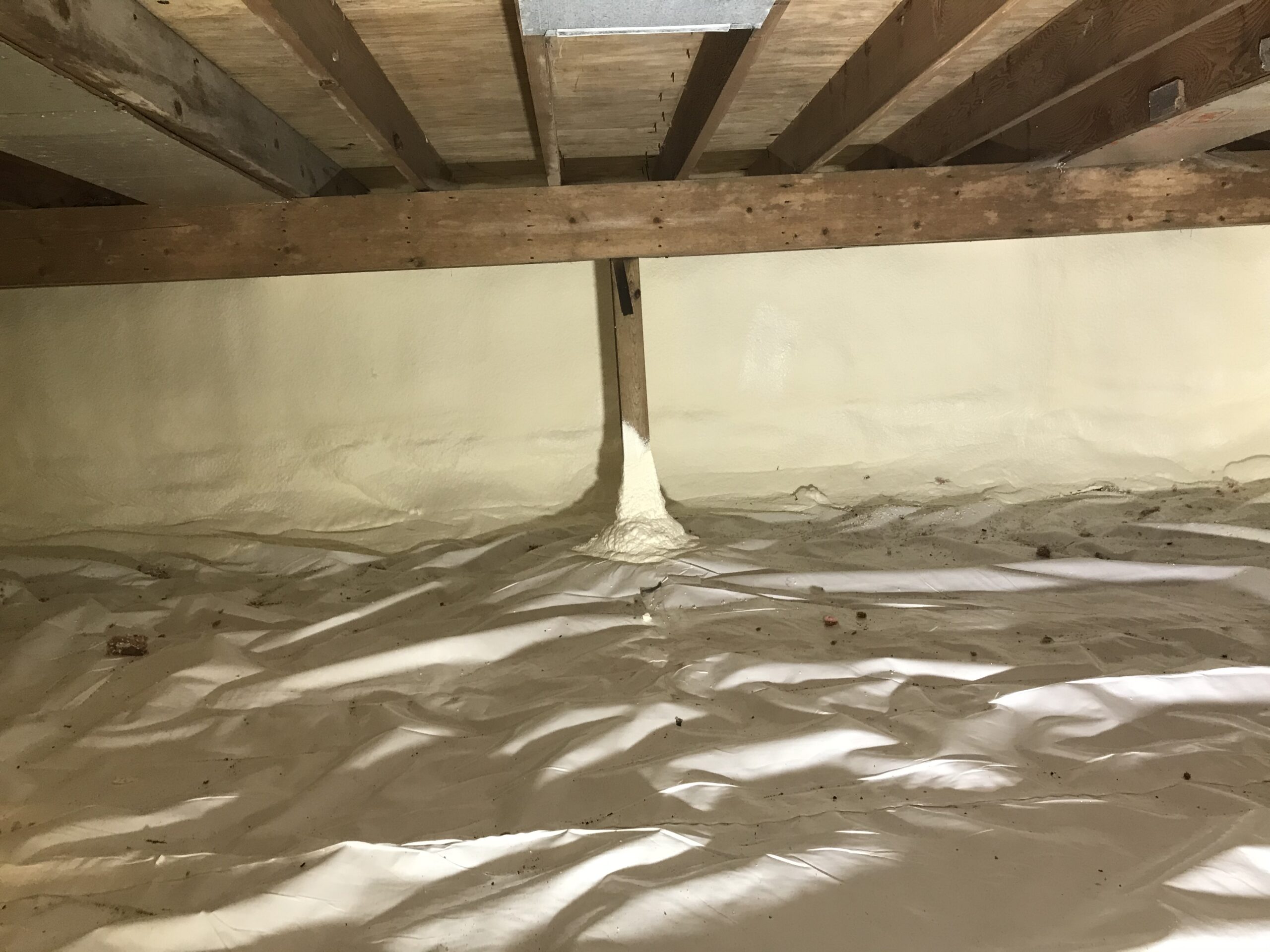
Crawl space insulation creates a barrier between your home’s foundation and living areas, making it one of the most critical areas for energy efficiency. We have seen firsthand how proper crawl space insulation can slash energy bills by up to 30% in Iowa homes. Different insulation types work better in crawl spaces than others. Spray foam insulation stands out as the top performer because it seals air leaks while providing excellent thermal protection.
Fiberglass batts can work, but often leave gaps that let cold air sneak through. Cellulose and mineral wool offer decent performance, though they need careful installation to prevent settling. Foam board provides solid thermal resistance but requires precise cutting around pipes and obstacles. Building science principles guide our approach to crawl space insulation projects across Iowa.
The space beneath your home acts like a funnel for cold air, which then rises into your living areas through the stack effect. Smart insulation placement stops this heat loss before it starts. We’ve measured temperature differences of 15-20 degrees between insulated and uninsulated crawl spaces during the winter months. Most homeowners see payback within 3-5 years through reduced heating and cooling costs.
Garage Insulation
Your garage deserves proper insulation to maximize comfort and minimize energy waste. We specialize in garage insulation services, offering both closed-cell and open-cell spray foam options that deliver superior air sealing compared to traditional materials. Common materials for garage insulation include fiberglass, cellulose, and foam, but spray foam provides the best performance for most Iowa garages.
Insulation retrofits work perfectly for existing garages and new constructions alike. Our team provides free on-site insulation estimates, helping you understand exactly what different insulation types will cost per square foot for your specific project. Proper insulation enhances indoor comfort while reducing heat loss, making your attached garage a more functional space year-round.
Insulation for Metal Buildings and Barndominiums
Moving beyond traditional garages, metal buildings, and barndominiums present their own insulation challenges. These structures need specialized approaches due to their steel framing and unique construction methods. Metal buildings conduct heat and cold directly through their steel framework, creating thermal bridges that standard insulation can’t address alone.
You’ll want to combine different insulation types to tackle this problem effectively. Spray foam works exceptionally well in these applications because it seals gaps and provides a continuous thermal barrier. Rigid foam boards paired with blanket insulation also create an effective system. The key lies in preventing condensation, which can cause serious problems in metal structures.
Proper vapor barriers and ventilation become critical components of your insulation strategy. Insulation cost per square foot varies significantly based on the system you choose, but investing in quality materials pays off through lower energy bills and improved comfort.
Pole Barn Insulation
While metal buildings and barndominiums share some similarities with pole barns, these agricultural structures present their own set of insulation challenges. Pole barns feature large open spaces and exposed framing that make traditional insulation methods tricky. You’ll need to consider the barn’s intended use before selecting insulation types.
Storage barns require less insulation than workshops or livestock facilities. The wide spacing between poles creates thermal bridges that can reduce energy efficiency if not addressed properly. Spray foam works exceptionally well in pole barns because it seals gaps and adheres directly to metal siding. Rigid foam boards fit between the poles and provide excellent thermal resistance.
Fiberglass batts can work, but they need proper vapor barriers to prevent moisture problems. The different insulation types each offer specific benefits for pole barn applications. Consider the building’s ventilation needs when choosing materials. Some pole barns benefit from reflective insulation that bounces heat away from the interior. Your local climate and the barn’s primary function will guide your insulation decisions.
Conclusion
Choosing the right insulation for your home doesn’t have to feel like rocket science. Each type brings its own strengths to the table, from spray foam’s superior air sealing to cellulose’s eco-friendly appeal. Your specific needs, budget, and climate will guide you toward the best solution.
Working with experienced professionals like Precision Insulation & Coatings helps you make smart decisions that pay off for years to come. Take the first step today and schedule a free estimate to discover which insulation types work best for your Iowa home.
FAQs
1. What are the different insulation types homeowners can choose from?
Modern homes use several insulation types, including fiberglass batts, spray foam, cellulose, and rigid foam boards. Each type works differently to keep your home comfortable year-round.
2. Which insulation works best for attics and walls?
Fiberglass batts are popular for walls because they’re affordable and easy to install. Spray foam insulation creates an airtight seal, making it perfect for tricky spots like crawl spaces.
3. How do I know which insulation type fits my budget?
Cellulose insulation costs less upfront and works great for older homes. Rigid foam boards cost more but last longer, so think of them as a long-term investment in your comfort.
4. What makes spray foam different from other insulation types?
Spray foam expands to fill every crack and gap, creating a barrier that stops air leaks cold. It’s like giving your house a winter coat that actually fits perfectly.