Does your air conditioner run all summer long, yet the energy bill just keeps climbing?
That’s one of the most common frustrations we hear from Iowa homeowners, and there’s a very real reason behind it. Our findings show that poor insulation accounts for roughly 40% of residential energy waste during hot months.
Your AC isn’t the villain here.
The real culprit is a home that can’t hold onto the cool air it’s working so hard to create. We’re going to walk you through exactly why your bills spike each summer and share the insulation solutions that actually work in Iowa’s climate.
Key Takeaways
- Poor insulation accounts for roughly 40% of residential energy waste during Iowa’s hot months, forcing air conditioning systems to work overtime.
- Homes with inadequate insulation incur cooling costs 30 to 40% higher than those of well-insulated properties in the same Iowa neighborhoods.
- Spray foam insulation seals air leaks that fiberglass cannot reach, creating an airtight barrier that noticeably reduces summer energy bills.
- Upgrading attic insulation to R-38 produces 25 to 30% lower cooling costs compared to homes with R-19 insulation or less.
- Proper insulation upgrades paired with air sealing create stable indoor temperatures, improve comfort, and lower electricity consumption throughout the summer months.
Common Causes of Rising Summer Energy Bills in Iowa
Summer energy bills spike because Iowa’s heat demands more from your cooling system. When your home lacks proper insulation, air conditioning runs overtime to keep up with the temperature swings.
Increased Air Conditioning Usage
Iowa summers bring intense heat that forces air conditioning systems to work harder than during any other season. Higher temperatures push cooling units to run longer cycles just to keep your home comfortable. Prolonged heat waves stretch those hours even further, sometimes running your AC nearly around the clock.
We’ve seen energy bills spike dramatically when homeowners lean heavily on their cooling systems to fight off that relentless summer heat. The longer your air conditioning runs, the more electricity you consume. According to April 2026 data, the typical Iowa household already consumes an average of 1,077 kWh of electricity per month as a baseline.
During peak summer cooling months, that number climbs even higher, which is why your bill feels so shocking when it arrives. Inefficient cooling systems make this problem worse. An older or poorly maintained air conditioning unit struggles to reach your desired temperature, so it runs even longer to compensate.
Homes without proper insulation experience higher cooling costs because heat seeps through walls, ceilings, and attics constantly. We’ve observed that homes with inadequate insulation can see cooling costs climb 30 to 40% higher than well-insulated properties in the same neighborhood.
- Older AC units run longer and use more electricity to reach the desired temperature.
- Heat waves push systems to operate nearly around the clock.
- Homes without proper insulation force cooling systems to work 30 to 40% harder.
- Regular AC maintenance helps manage energy consumption and prevents systems from becoming energy hogs.
Both commercial insulation in Iowa and residential applications benefit from proper installation that seals air leaks and maintains consistent indoor temperatures. When you pair an efficient cooling system with superior insulation, your air conditioner doesn’t have to work as hard, and your energy bill reflects that.
Poor Home Insulation
Your attic might be silently draining your wallet every summer. We’ve inspected hundreds of Iowa homes, and poor insulation consistently ranks as the top culprit behind skyrocketing energy costs during warm months. Heat enters through inadequate attic insulation, thin walls, and gaps around windows and doors.
Your air conditioning system then works overtime trying to cool spaces that keep leaking conditioned air. The result is energy bills that climb higher each July and August. Effective insulation acts like a thermal barrier, stopping heat from penetrating your living spaces. We’ve measured temperature differences of 15 to 20 degrees between well-insulated and poorly insulated attics on the same property.
Gaps in your insulation create clear pathways for outdoor heat to invade your home. Fiberglass batts that settle over time leave exposed wood and drywall. Compressed insulation loses its R-value and performs poorly as a result. Spray foam insulation contractors in Des Moines often find that older homes lack proper air sealing, which compounds the insulation problem.
We work with homeowners and builders across Iowa to identify these weak spots through on-site assessments. Our team has found that homes with R-38 attic insulation experience 25 to 30% lower cooling costs compared to homes with R-19 or less. The U.S. Department of Energy officially recommends that homes in Climate Zone 5, which covers all of Iowa, maintain attic insulation between R-49 and R-60 for maximum energy efficiency.
If your current insulation falls short of that target, you’re likely paying more than you need to every single summer. We have seen homeowners reduce their summer energy bills by hundreds of dollars simply by upgrading their attic insulation and sealing air leaks. Missing or damaged insulation in garage walls and rim joists also allows hot air to seep into your conditioned spaces.
We provide on-site insulation estimates for homeowners and businesses across Iowa to show exactly where heat loss occurs. Home insulation contractors in Des Moines can assess your current setup and recommend solutions that fit your budget and climate needs. The insulation cost in 2026 for upgrades remains competitive, especially when compared to years of paying higher utility bills.
The Role of Spray Foam Insulation in Reducing Energy Costs
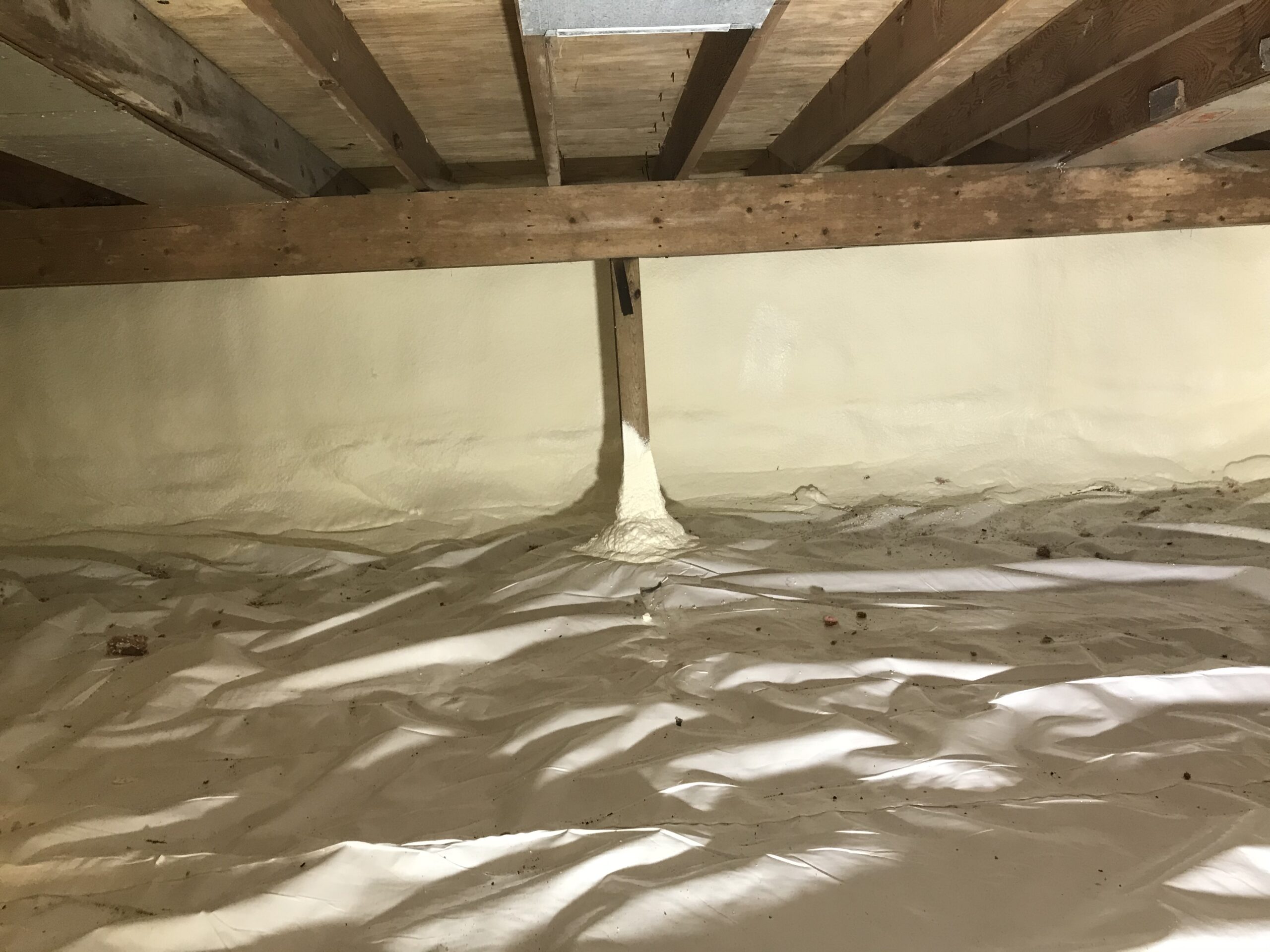
Spray foam insulation acts as your home’s thermal shield, stopping heat from sneaking in during those scorching Iowa summers. This material seals air leaks that fiberglass simply cannot reach, creating an airtight barrier that keeps cool air inside where it belongs. Both closed-cell and open-cell spray foam options work to minimize heat loss, which translates directly into lower summer energy bills for homeowners and property owners across Iowa.
Our spray foam insulation contractor team in Des Moines installs these systems with precision, targeting attic spaces, wall cavities, and foundation areas where energy waste typically occurs. The building science is straightforward: less air infiltration means your air conditioning system works less hard, consumes less electricity, and your wallet stays fuller through the hottest months.
Closed-Cell vs. Open-Cell: Which Is Right for Your Home?
Both types of spray foam perform well, but they serve different purposes. Here’s a quick comparison to help you understand your options:
| Feature | Closed-Cell Foam | Open-Cell Foam |
| R-Value per Inch | Superior (ideal for tight spaces) | Good (ideal for interior applications) |
| Moisture Barrier | Excellent (critical for humid Iowa summers) | Moderate |
| Best Use | Crawl spaces, exterior walls, and attics | Interior walls, sound-dampening |
| 2026 Installed Cost | $1.00 to $3.00 per sq. ft. | Generally lower cost per sq. ft. |
Based on a March 2026 national pricing guide, professional installation of closed-cell spray foam typically ranges from $1.00 to $3.00 per square foot. That denser, closed-cell option also provides a superior moisture barrier, which is especially important for Iowa’s humid summers.
Attic insulation upgrades paired with air sealing create a powerful combination that boosts thermal performance. We’ve completed countless projects where homeowners noticed significant savings on their energy costs within the first month of installation.
Open-cell foam offers excellent sound dampening and moisture management, giving you comfort benefits beyond energy savings alone. The right choice depends on your home’s specific layout and where the biggest air leaks are located.
These improvements work together to create the indoor comfort you deserve, and roof coating services in Des Moines support your overall energy strategy by reflecting solar heat away from your structure.
Benefits of Upgrading Your Insulation
When you upgrade your insulation, you stop money from leaking out of your home. Better insulation means your air conditioning works smarter, not harder, which drops your energy bills and keeps your family comfortable all summer long.
Improved Energy Efficiency
We see it happen every summer in Iowa homes. Your air conditioner runs harder, your energy bill climbs higher, and you wonder where all that money goes. Poor insulation is the culprit. Gaps in your attic, thin walls, and air leaks force your cooling system to work overtime.
We’ve walked through hundreds of homes across Des Moines and central Iowa, and the pattern is consistent: homes without proper insulation waste significant energy every single day. Our attic air sealing services stop that waste. We identify where conditioned air escapes, then seal those problem areas.
The result? Your system runs less frequently, uses less electricity, and your bill drops noticeably. Your air conditioning system doesn’t strain as hard. Electricity consumption drops. According to 2026 building science analyses by industry experts, establishing a continuous air seal with spray foam insulation can cut the daily workload of a home’s HVAC system by up to 35%.
That’s not just a lower energy bill; it also means less wear and tear on expensive equipment. Upgrading your insulation transforms how your home performs. One property owner in West Des Moines cut her summer cooling costs by 30% after we upgraded her attic insulation. That’s building science at work, not magic.
- Less air infiltration means your AC cycles less often throughout the day.
- Reduced HVAC workload can extend the life of your equipment.
- Stable temperatures mean fewer thermostat adjustments.
- Energy savings often show up within the first month after installation.
Spray foam insulation cost in 2026 varies based on your home’s size and current condition, but the investment pays for itself through lower energy bills. We offer free on-site insulation estimates that identify exactly where your home loses energy, so you know what you’re getting before any work begins.
Precision Insulation & Coatings has installed countless insulation solutions that enhance long-term energy efficiency for Iowa homeowners and builders. We don’t just add material; we solve the energy puzzle your home presents.
Enhanced Indoor Comfort
Lower energy bills matter, but comfort matters just as much. Proper insulation keeps your home at the temperature you actually want, not the one your air conditioner is struggling to maintain. We’ve worked on hundreds of Iowa homes, and the difference is clear. Homeowners tell us their living spaces feel more pleasant after insulation upgrades.
Rooms stay cooler in summer without that constant battle against the heat. Your family stops migrating to the basement to escape the hot upstairs bedrooms. The air conditioning runs less frequently, which means quieter operation and fewer temperature swings throughout the day. Stable indoor temperatures create real comfort improvements you’ll notice right away.
Attic insulation and garage insulation work together to prevent hot air from sneaking into your living spaces. Our team uses building science principles to identify where heat enters your home, then seals those problem areas. Spray foam insulation contractors in Des Moines, like our team at Precision Insulation & Coatings, can address gaps that traditional materials miss entirely.
Unsealed rim joists, the perimeter of the floor framing just above the basement or foundation, are one of the most overlooked sources of air infiltration in older Midwestern homes. Hot, humid summer air can completely bypass your main wall insulation through these gaps. Asking your contractor to inspect and seal the rim joists is one of the smartest moves a homeowner can make, and most never think to request it.
- Consistent temperatures from room to room, no more hot or cold spots.
- Quieter AC operation with fewer start-stop cycles.
- Better sleep quality in upstairs bedrooms during summer.
- Reduced humidity infiltration through sealed rim joists and attic gaps.
Our free on-site estimates help you understand exactly where comfort problems exist in your home. We assess your current insulation levels and show you the specific areas causing temperature inconsistencies.
Your family experiences better sleep quality, improved productivity, and genuine relief from Iowa’s intense summer heat. That’s the real payoff of proper insulation work.
Conclusion
Summer energy bills spike when air conditioning works overtime, while poor insulation lets cool air escape. We’ve seen this pattern repeat across Iowa homes year after year, and the fix sits right above your head, in your attic.
Spray foam insulation stops heat from entering your home and keeps conditioned air where it belongs, inside. Our spray foam insulation contractor team in Des Moines can assess your home’s specific needs and provide a free on-site estimate to show you exactly how much you’ll save.
Stop throwing money out the window this summer. Contact Precision Insulation & Coatings today and take control of your energy costs.
FAQs
1. Why does my Iowa energy bill spike every summer?
Your home is losing cool air through gaps and poorly insulated walls. We’ve found that homes without proper air sealing can lose up to 30% of their cooled air, forcing your AC to run constantly just to keep up.
2. How does spray foam insulation help lower summer energy costs?
Spray foam creates an airtight seal that blocks air leaks that other insulation types miss. When we install spray foam in Des Moines homes, we typically see cooling costs drop by 20-40% because your AC doesn’t have to work as hard.
3. Is spray foam insulation worth the cost in 2026?
Yes, the spray foam insulation cost in 2026 is a smart long-term investment. Most homeowners we work with see their energy bills drop enough to recover the installation cost within 3-5 years. After that, the savings continue year after year.