Metal roofs are common across Iowa for garages, shops, pole barns, machine sheds, agricultural buildings, commercial spaces, and metal-roofed additions. They shed rain and snow well, hold up to tough weather, and give property owners a durable exterior surface. But a strong metal roof does not automatically create a comfortable, dry, or efficient building.
Iowa buildings face cold winters, humid summers, heavy winds, snow, and fast temperature swings. Metal responds quickly to those changes. It can get cold fast, heat up fast, and create condensation when warm indoor air reaches a cool panel or roof deck. Owners usually notice the symptoms first: sweating metal, cold work areas, hot upper sections, drafts, damp storage, or rising utility costs.
We look at the roof and insulation as one building system. The roof protects the structure from the outside. Spray foam helps control what happens inside by reducing air movement, improving thermal performance, and helping the space stay more consistent through Iowa’s changing seasons.
A Metal Roof Still Needs the Right Interior System
Metal roofing has clear strengths, but it also conducts heat and cold. During winter, the underside of a metal roof can become cold enough for condensation to form when warm, moist air reaches it. During summer, the roof can absorb heat and transfer it into the building, especially in shops, garages, and agricultural structures with limited insulation. This does not make metal roofing a poor choice.
It means the building needs the right insulation plan behind it. The U.S. Department of Energy explains that a cool roof reflects more sunlight and absorbs less solar energy than a conventional roof, helping reduce roof temperature and heat transfer. Metal building spray foam Iowa projects often begin with a practical goal: make the building usable year-round.
A shop that is freezing in January and uncomfortable in July is hard to work in. A garage with wide temperature swings can affect tools, vehicles, finishes, and stored items. A pole barn with condensation can lead to long-term maintenance concerns. The roof may be durable, but the interior still needs protection from air movement, heat transfer, and moisture.
Why Spray Foam Works Well with Metal Buildings
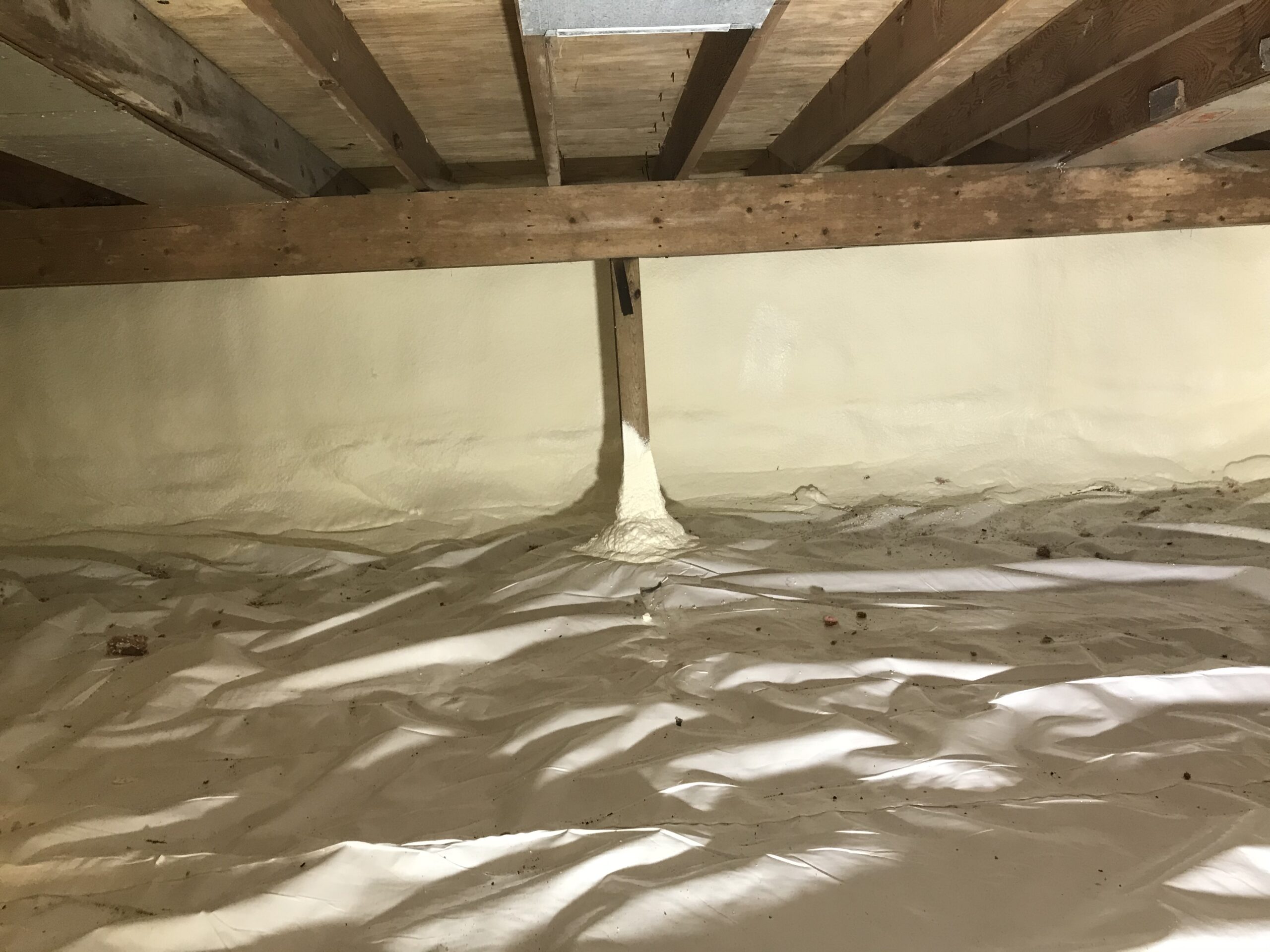
Spray foam works differently from batt or loose-fill insulation. It is applied directly to the surface and expands into gaps, seams, corners, and framing areas. Once installed correctly, it helps create a more continuous insulation layer and reduces uncontrolled air movement.
For metal buildings, this is important because air movement is often the source of comfort and moisture problems. Gaps around roof lines, wall transitions, doors, fasteners, framing connections, and penetrations can allow outside air to enter and conditioned air to escape. Traditional insulation may slow heat transfer, but it often needs separate air sealing to perform well.
ENERGY STAR notes that sealing air leaks and adding insulation can improve comfort, energy efficiency, and may help reduce annual energy bills. That is one reason property owners search for spray foam insulation contractors in Iowa when a metal building, garage, or shop never feels right. They are not only asking for R-value. They want a tighter building envelope, better temperature control, fewer drafts, and a better way to manage moisture movement.
Moisture Control Is a Major Reason Owners Choose Spray Foam
Condensation is one of the biggest reasons Iowa property owners pair metal roofs with spray foam insulation. Metal roof panels can cool quickly. When warm indoor air rises and reaches those cold surfaces, moisture can collect. Over time, repeated moisture exposure can affect framing, fasteners, stored items, finishes, and indoor conditions.
Spray foam can help by limiting the movement of moist interior air toward the underside of the roof. Closed-cell spray foam, when specified correctly, can also add a more moisture-resistant layer than many traditional insulation options. The right approach depends on the building, roof condition, ventilation needs, code requirements, and how the space is used.
Moisture control matters in multi-use buildings. A garage may store vehicles, tools, equipment, and household items. A shop may include heaters, compressors, work benches, and machinery. A farm building may protect seasonal equipment and supplies. When temperature swings and moisture meet metal surfaces, small problems can become expensive.
This is where experienced metal building insulation installers make a difference. The installer must understand how metal buildings behave, where air leakage usually occurs, and how foam should be applied around roof decks, purlins, seams, and transitions. Good spray foam work requires planning, preparation, clean application, and the right product choice.
Better Comfort for Garages, Shops, and Work Buildings
Many Iowa owners insulate a metal building because they want to use the space more often. A building that is too cold in winter or too hot in summer limits its value. That matters for homeowners, farmers, mechanics, small business owners, hobbyists, and commercial property owners. Garage spray foam insulation in Iowa projects are a strong example.
A garage may share walls with the house, sit below a living space, or double as a workshop. If it is poorly insulated, cold air can affect nearby rooms, and temperature swings can make the garage uncomfortable. Spray foam can help reduce drafts and make the space more usable throughout the year.
For shops and metal buildings, comfort improvements can be even more noticeable. Reduced air leakage helps heating and cooling equipment work more effectively. The space can warm up more evenly and hold comfort longer. Workers do not have to fight cold drafts along the roofline or heat trapped under the roof during summer.
This is why choosing a spray foam insulation company in Iowa should not be based on price alone. A cheaper insulation method may not solve condensation, air leakage, or comfort concerns if it leaves gaps or does not fit the building’s use.
Metal Roof Coatings Can Add Exterior Protection
Spray foam helps improve the inside of the building envelope. Roof coating systems can help protect the outside. For many Iowa metal roofs, especially on commercial buildings, shops, barns, and agricultural structures, roof coatings can be a practical way to address aging surfaces, seams, fasteners, minor weathering, and long-term exposure.
Metal roof coating systems Iowa property owners consider are often designed to create a seamless protective layer over the existing roof. The goal is not only appearance. A quality coating system can help protect the roof surface, support water resistance, and reduce weather-related wear when installed on a properly prepared roof.
The U.S. Environmental Protection Agency explains that cool roofs absorb and transfer less heat than conventional roofs, and that solar reflectance and thermal emittance both matter. For a metal building with sun exposure or a large roof area, a roof coating and spray foam can work together.
The coating helps protect the exterior roof surface. Spray foam helps improve the interior environment. Together, they can support a more comfortable, durable, and manageable building.
Why the Roof and Insulation Should Be Evaluated Together
Some property owners start with one problem. The roof may be aging. The building may sweat in winter. The garage may be hard to heat. The shop may get too hot in July. It can be tempting to fix only the most visible issue, but metal buildings perform best when the roof and insulation are reviewed together.
If a roof has open seams, loose fasteners, leaks, rust, or coating failure, those conditions need attention before or alongside insulation work. If the interior has air leaks, thermal gaps, or condensation concerns, the insulation plan should account for those issues. Treating one side of the assembly while ignoring the other can leave the owner with an incomplete result.
Before recommending metal building spray foam Iowa service, a contractor should look at the building’s use, roof condition, interior surfaces, ventilation, moisture signs, and access. A heated commercial shop may need a different approach than an unconditioned storage building. A residential garage may need a different plan than a machine shed.
At Precision Insulation & Coatings, we focus on practical solutions for Iowa properties. Spray foam, roof coatings, fiberglass, and other systems each have a place. The right recommendation depends on the structure, the goals, and the problem that needs to be solved.
Signs Your Metal-Roofed Building Needs Attention
Property owners often know something is wrong before they know why. These signs may point toward insulation, air leakage, roof assembly, or ventilation issues:
- Condensation on the underside of metal roof panels
- Cold drafts near walls, ceilings, doors, or rooflines
- Large temperature swings between day and night
- A garage, shop, or pole barn that is hard to heat
- Excessive heat buildup under the roof in summer
- Damp stored materials or musty odors
- High utility costs in a space that still feels uncomfortable
- Visible gaps around framing transitions or penetrations
- Rust concerns near fasteners, seams, or interior roof surfaces
These signs do not always mean spray foam is the only answer, but they do mean the building deserves a closer look. Professional metal building insulation installers can determine whether the issue comes from insulation thickness, air leakage, ventilation, roof condition, or a combination of factors.
Installation Quality Matters
Spray foam performance depends heavily on installation quality. Surfaces must be prepared correctly. Foam must be applied at the right thickness. Temperature, substrate condition, moisture, access, and jobsite safety all matter. The installer also needs to understand how the building will be used after the project is complete. This is why property owners should compare spray foam insulation contractors in Iowa carefully.
A quality insulation contractor should explain the recommended foam type, where it will be applied, what issues it is meant to solve, and what limitations may apply. They should also be clear about preparation, cleanup, safety, and timing. For metal buildings, experience matters even more. These projects often involve large open areas, overhead application, purlins, roof decks, wall panels, seams, and complex transitions.
The project needs a team that understands both insulation and the building type. We work with residential, commercial, and agricultural buildings across Central Iowa. That range helps property owners who may need garage spray foam insulation in Iowa service now and shop, pole barn, or roof coating support later.
Long-Term Value for Iowa Property Owners
The value of pairing a metal roof with spray foam insulation comes from more than one benefit. Comfort improves, air leakage can be reduced, and moisture movement can be better controlled. Heating and cooling equipment may operate under less strain, storage areas can become more usable, and workspaces can stay more consistent through harsh weather.
For business owners, that can mean a better environment for employees, inventory, equipment, and daily operations. For homeowners, it can mean a more comfortable garage, shop, or attached space. For agricultural property owners, it can help protect machinery, tools, and materials from temperature swings and moisture.
Metal roof coating systems in Iowa can add another layer of value by helping protect the roof surface from weather exposure. When roof coatings and spray foam insulation are both appropriate, they can work together as part of a stronger building envelope strategy.
A qualified spray foam insulation company in Iowa will not push the same solution for every building. The right contractor will inspect the property, listen to the owner’s goals, and recommend an approach that fits the building’s condition, use, and budget.
The Bottom Line
Metal roofs are a strong choice for Iowa properties, but they perform best when paired with the right insulation and, when needed, the right roof coating system. Spray foam insulation helps solve many problems property owners notice inside metal-roofed buildings, including drafts, condensation, temperature swings, and comfort issues.
For garages, shops, pole barns, commercial buildings, and agricultural structures, the combination of metal roofing, spray foam insulation, and protective coating can create a more dependable building system. The roof protects from the outside. The insulation controls the inside. The coating helps extend exterior performance when the roof is a good candidate.
If your metal building, garage, or shop is hard to heat, too hot in summer, showing condensation, or costing more to operate than it should, Precision Insulation & Coatings can help you look at the full picture. Our team works with Iowa property owners to recommend practical insulation and coating solutions that fit the building, the climate, and the way the space is used. Contact us now for a free insulation estimate.
FAQs
1. Why do Iowa property owners use spray foam under metal roofs?
Iowa property owners use spray foam under metal roofs to reduce drafts, control condensation, and improve indoor comfort. Metal transfers heat and cold, so spray foam helps create a tighter, better-insulated envelope for garages, shops, barns, and commercial spaces year-round.
2. Is spray foam good for metal buildings in Iowa?
Spray foam works well for many metal buildings in Iowa when installed correctly. It helps reduce air leakage, improve temperature control, and limit moisture movement. A professional inspection should confirm foam type, thickness, and application method for the specific building.
3. Can spray foam help prevent condensation on a metal roof?
Spray foam can help reduce condensation by limiting warm, moist air from reaching cold metal surfaces. Proper installation, ventilation, and roof condition still matter. Strong results come from evaluating the complete building envelope before choosing an insulation plan overall.
4. Do metal roof coating systems work with spray foam insulation?
Metal roof coating systems can work with spray foam insulation when the roof is suitable for coating. The coating protects the exterior roof surface, while spray foam improves interior comfort, air sealing, and thermal control. Both should be professionally assessed.
5. What areas benefit most from garage spray foam insulation in Iowa?
Garage walls, ceilings, rim areas, and shared walls often benefit most from spray foam insulation in Iowa. These areas can allow drafts, heat loss, and temperature swings. A contractor can inspect the garage and recommend the right application areas first.
6. How do I choose spray foam insulation contractors in Iowa?
Choose spray foam insulation contractors in Iowa with proven experience, clear communication, and knowledge of local building conditions. Ask about foam type, prep work, application thickness, safety steps, and project cleanup. A good contractor explains the plan before work begins.