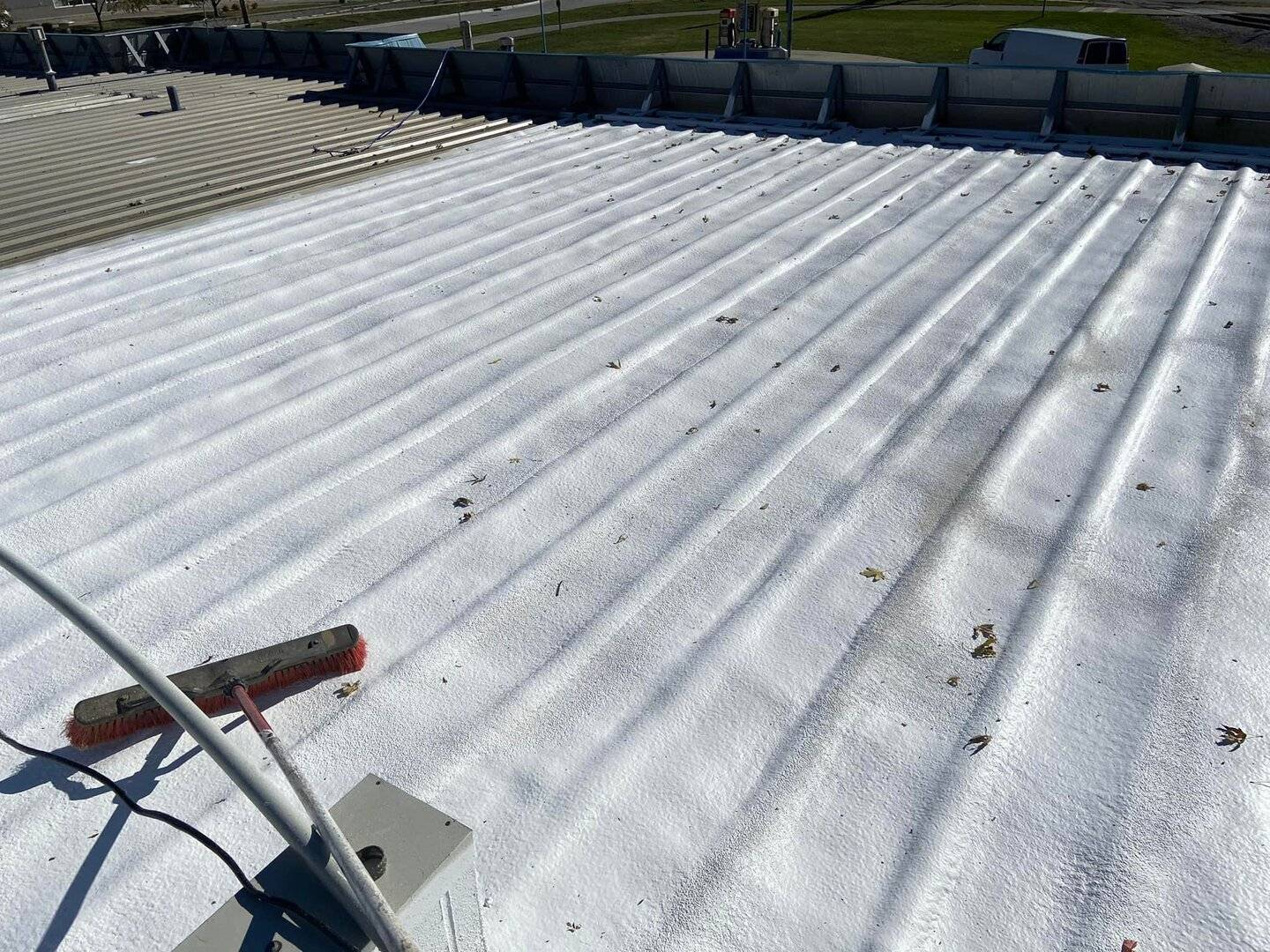
A newly applied coating on a roof can fail quickly if the crew applies it to a roof that is still moist. One cold night or surprise shower can undo days of carefully planned work. The changing weather in Iowa can make a big difference in the timing of the application of the coating. The weather during the application determines how well the coating bonds and for how long the coating will last.
The best schedule to plan the application of roof coatings in Iowa is determined by the unpredictability of the spring and summer weather. The first major frost of the season can also help determine the best schedule.
This guide provides the information needed to help determine when to plan for work to be done. It also explains what to check first to help make that determination.
When Is the Best Time to Apply Roof Coatings in Iowa?
Late spring, summer, and early fall are usually the best times for applying coatings, but that isn’t always the case. The product rules and on-site conditions dictate the best times. Roof coatings in Iowa require a dry roof and good weather.
That’s why crews closely monitor the weather for rain and humidity and consider the overnight lows before each job. A roof can stay dry during the day and still be wet with dew at night. Generally, coatings take some time to dry, and a cold night can ruin their integrity.
The best stretch of good weather usually works out better than trying to work on just one good day. Owners usually have a better chance of working in good weather if they pick a longer stretch of good weather rather than just a single day.
How Iowa’s Weather Affects Roof Coating Applications
Iowa can swing from frost to heat within a single week. Each swing changes how a coating dries and how it cures.
- Cold nights slow drying and let dew form on the surface.
- A sudden storm can wash away or mark a fresh coating.
- High moisture in the air keeps a roof surface damp longer.
- Strong gusts can blow dust and debris onto wet coating.
- Spring and fall bring wider daily swings than midsummer usually does.
A clean, dry surface matters before any coating goes on. Dirt, water, and loose material can stop the coating from bonding well. Air temperature and roof surface temperature are not the same thing. Dark metal roofs can get extremely hot and can actually exceed the temperature of the air around it. Product data sheets do give limits for temperature and for dew point. Coatings do not all react to weather the same way.
Which Season Is Best for Different Roof Coating Projects?
Each season brings its own benefits, limits, and scheduling challenges.
| Season | Possible Advantages | Main Risks | Important Checks |
| Spring | More suitable weather may return. | Rain and temperature changes | Surface dryness and forecasts |
| Summer | Warm conditions may support application. | Excessive heat and fast drying | Product temperature limits |
| Fall | Some days offer mild conditions. | Cold nights and shorter days | Curing time and forecasts |
| Winter | Limited opportunities for some products | Cold, ice, and moisture | Manufacturer-approved conditions |
Consider the values in the above table to be approximations. Product specifications decide whether a coating can be installed on a particular day or not.
Spring brings rain, so early and flexible bookings are recommended. Extremely hot and dry days can be an issue in the summer, as coatings can dry too quickly. Fall can work as well, but time constraints from the shorter days can be an issue. Most products can’t be used in the winter because of cold and ice. Matching season to product is key for planning roof coatings.
How Different Roof Coatings Affect Application Timing
Property owners in Iowa consider various types of roof coatings, including acrylic, silicone, polyurethane, and asphalt-based. Each type has its own limits for temperature, surface prep, and cure time.
Acrylic coatings are water-based, so dew and rain are major concerns. A Conklin low-temperature acrylic data sheet lists a 36°F minimum and 70°F ambient limit.
Silicone coatings cure by reacting with moisture in the air. A Henry silicone data sheet lists 35°F to 120°F and a 15-minute rain-safe time.
Polyurethane coatings carry their own temperature and humidity limits, so check each sheet.
Asphalt-based emulsions are cold-applied but only become waterproof once they dry fully. A Henry asphalt emulsion data sheet prohibits application below 50°F or when rain threatens. These numbers belong to those products only, so always read your own sheet.
Metal roof coating systems that owners choose may need rust repair and primer. Drying and curing differ, so a dry-feeling coating may still fail in rain. Never assume two coatings share the same application or curing times. Always follow the manufacturer’s technical data sheet for product-specific instructions.
What Should You Check Before Scheduling Roof Coating?
A short checklist helps owners prepare before they call a contractor.
- Inspect the roof for leaks, visible damage, and ponding water.
- Look for rust, loose materials, and older coatings that are failing.
- Clean the roof with a preparation method suited to its surface.
- Confirm the surface is fully dry, including seams and low spots.
- Review temperatures and the weather forecast for several days ahead.
- Read the manufacturer’s application requirements for the product you chose.
- Leave enough time for both the application and the curing.
- Finish any needed repairs before the coating crew shows up on site.
A coating cannot fix every structural problem or active leak. Surface preparation strongly affects how the finished coating looks and performs.
Does Roof Type Change the Best Time for Coating?
Roof material changes the schedule more than many owners expect. Metal roof coating systems in Iowa buildings face quick daily heating and cooling. That swing can create dew, so morning starts need extra care. Flat commercial roofs add drainage questions, since standing water can delay work. No single product suits every commercial roof, so each needs its own review.
Roof coatings and insulation do different jobs in a building.
- Roof coatings protect suitable roof surfaces from weather and wear.
- Insulation slows unwanted heat transfer through walls, ceilings, and other building assemblies.
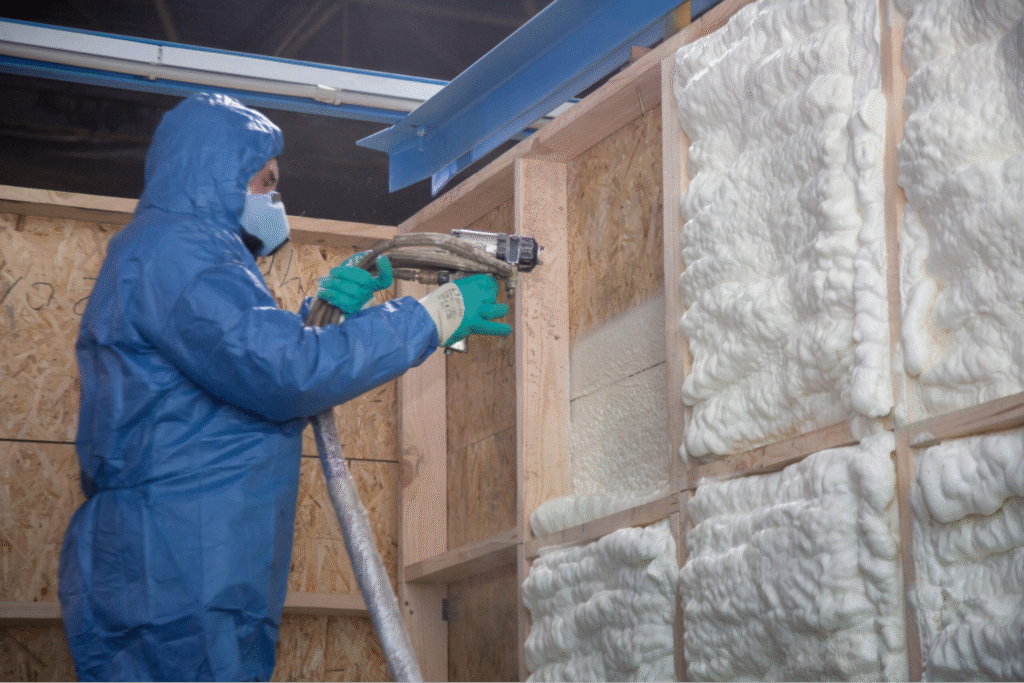
- Spray foam needs the right materials and proper installation methods.
- Coating and insulation projects may each need a separate assessment.
Roof work alone cannot solve problems that start inside the walls. Managers weighing commercial building insulation upgrades should also review air leaks and moisture.
New buildings add another layer, since several trades share one tight schedule. Roofers coordinate closely with a new construction insulation contractor Iowa builders hire.
How to Plan a Roof Coating Project Around Iowa’s Weather
Scheduling roof coatings around the weather takes patience and a flexible calendar. Follow these steps to match the work with suitable weather.
- Arrange a roof inspection with a qualified local contractor first.
- Identify the roof material and list any existing problems you see.
- Select a suitable coating system from the types of roof coatings Iowa crews apply.
- Review the manufacturer’s application requirements before you choose any date.
- Check the forecast for both the application days and curing days.
- Confirm the schedule with the contractor and agree on backup dates.
- Reassess conditions on the morning work is scheduled to begin.
Many properties need insulation help as well as coating help. A spray foam insulation company that owners know can join the first inspection. On new builds, ask the new construction insulation contractor Iowa builders use about dates.
Decision chart: Is the roof ready for coating?
- Is the roof clean and dry across every section and seam?
- Are air and surface temperatures within the range the product allows?
- Is suitable weather expected during both the application and the curing period?
- Are rain, wind, and moisture conditions acceptable for the planned work?
- Has the roof passed the necessary inspection and any needed repairs?
If every answer is yes, go ahead and confirm the application schedule. If any answer is no, reassess the date or the preparation. This chart is general guidance, and product instructions still come first. A professional assessment remains essential before any roof receives coating.
How to Choose the Right Time for Your Roof Coating Project
Good results come from three things working together on the same day. Those things are suitable weather, careful preparation, and the product’s own requirements. If one piece is missing, the schedule should move to a later date. Owners should book an inspection with a reliable spray foam insulation company before they pick any application date. An inspector can spot damage, rust, and moisture that owners often miss.
A sound roof also protects the commercial building insulation that building owners install below it. Because a calm plan beats a rushed date for Iowa roof coatings. An on-site estimate creates that plan and gives a clear timeline for its implementation.
Protect your roof with the right coating and proper timing. Contact Precision Insulation & Coatings today for a free on-site estimate. Plan your project with expert guidance before Iowa’s suitable application window passes.
Frequently Asked Questions
Q1. What is the best month to apply roof coatings in Iowa?
The best month depends on weather, roof condition, and product rules. Late spring through early fall often offers the most workable weather. Always confirm temperature limits and the forecast before booking any date.
Q2. Can roof coatings be applied during cold weather?
Some can, but many products set strict minimum temperatures for application. Minimums range from 35°F for some silicones to 50°F for asphalt emulsions. Cold, ice, and damp surfaces often make winter work unsuitable.
Q3. How long does roof coating take to dry and cure?
Times vary by product, coating thickness, temperature, and humidity on the day. Drying usually happens first, while full curing can take longer. The product data sheet gives the exact timing owners should follow.
Q4. Can rain damage a newly applied roof coating?
Yes, rain can wash away or mark coating that is not yet rain-resistant. A surface may feel dry before it can handle water. Check the forecast and wait for the product’s stated rain-ready time.
Q5. How do I know if my roof is ready for coating?
A professional inspection is the most reliable way to find out. The roof should be clean, dry, and free of loose surface material. Existing damage needs repair, and the product must suit the roof material.