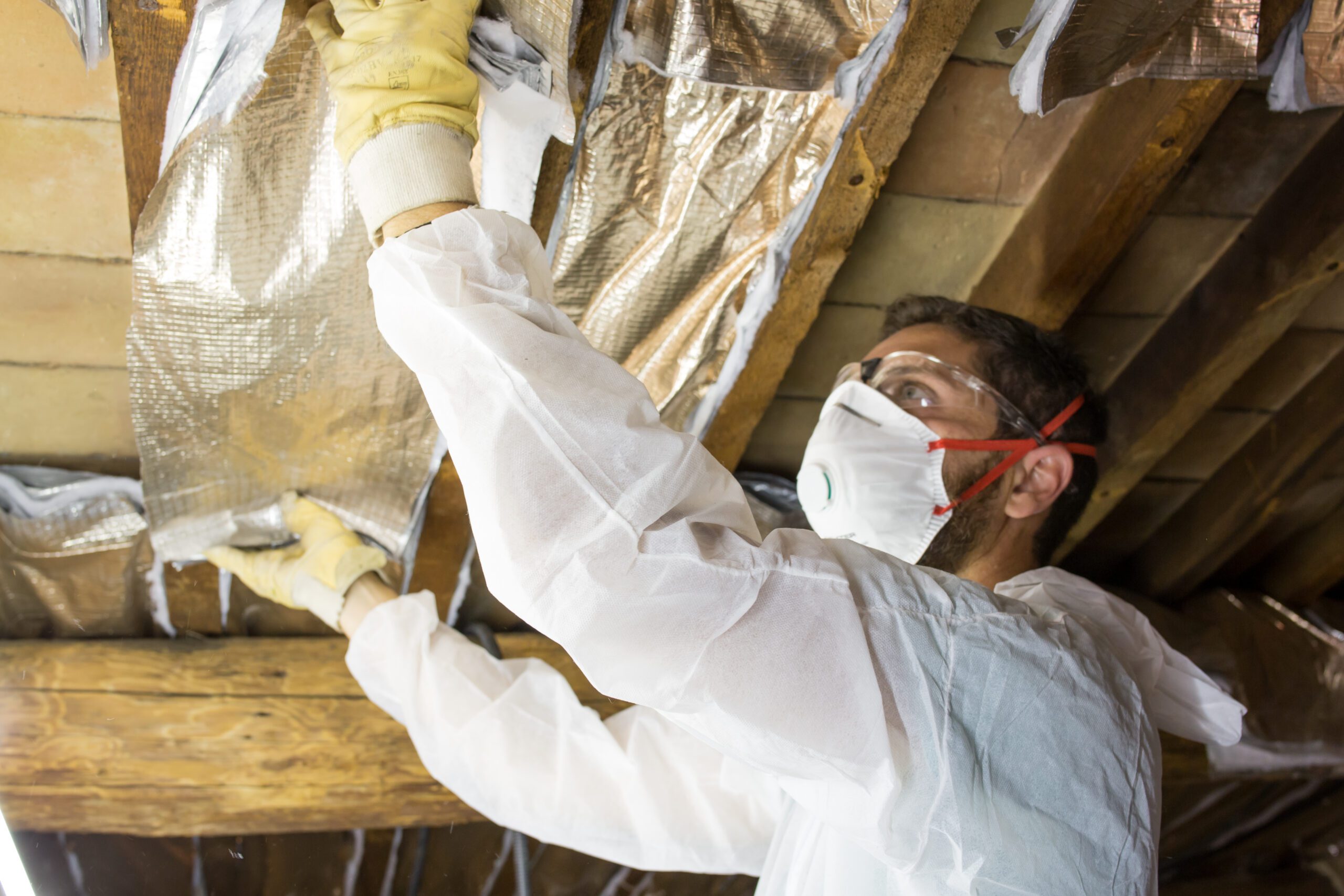
If your furnace is working tirelessly from day to night but your bedroom is somehow cold, then you are not alone. This is the plight of most homeowners in Iowa. Insulation gaps show up quickly as outdoor temperatures drop below freezing. So, should you upgrade your insulation before winter gets here in Iowa?
Generally, yes, but always check what your home has first. You could be fixing the wrong problem by spending money on upgrades without an inspection. You can always find a home insulation contractor Iowa residents recommend who will inspect your home first to determine the actual problem.
This blog post will show you the signs and priorities of the materials that may be worth upgrading before the cold weather gets here.
Why Iowa Homes Need Proper Insulation Before Winter
Iowa winters bring long stretches of freezing weather and sudden temperature swings. Heat moves toward cold through any weak path in the building. Poor insulation lets that heat escape through ceilings, walls, and floors. Gaps around windows, outlets, and attic hatches also let cold drafts slip inside.
- Some rooms stay colder than others, even with the heat running.
- The furnace runs longer to make up for lost heat.
- Warm, moist indoor air can condense inside colder walls or attic areas.
Condensation is moisture that forms when warm air meets a cold surface. Older Iowa homes often have thin insulation, settled material, or no air barrier. Heating demand rises when insulation underperforms. The Department of Energy explains how insulation resists heat flow.
Signs Your Home Insulation Needs an Upgrade
The following signs indicate that your home insulation needs an upgrade:
- Some rooms stay comparatively colder than the spaces around them.
- The heating system runs often during cold weather and still struggles.
- You feel drafts near ceilings, outlets, or exterior walls on windy days.
- Floors above a basement or crawl space feel cold underfoot.
- Attic insulation looks thin, patchy, or uneven when you look closely.
- Frost, damp spots, or condensation appear near attic surfaces or roof framing.
- Ice dams or recurring problems form along the roofline each winter. ( Ice dams are ridges of ice that prevent melting snow from draining.)
If you witness any of the above written signs, it is quite obvious that your home is saying something to you. Hire a trustworthy home insulation contractor to tackle these types of insulation problems. ENERGY STAR lists drafty rooms, uneven temperatures, and ice dams as common attic symptoms.
Which Areas of Your Home Should You Insulate First?
Now the question comes: which area of the house should you insulate first, as there are different requirements for each one?
Attic Insulation and Air Leakage
Attic insulation slows heat flow between your living space and the roof. Problems include thin coverage, uneven spots, and gaps where warm air leaks upward. Air sealing should happen before new insulation goes over old material. EPA guidance on ENERGY STAR says to air seal the attic first.
Look for an attic insulation contractor that homeowners trust to handle sealing first. Ventilation matters too, so soffit vents must stay clear of insulation. ENERGY STAR explains how attic ventilation helps prevent ice dams. A good attic insulation contractor Iowa homeowners hire also checks vents and wiring.
Exterior Walls and Rim Joists
Poorly insulated exterior walls make rooms feel cold near outside surfaces. Gaps often hide around studs, wiring, and plumbing openings inside the wall. A rim joist is the wood band sitting on top of the foundation. Its many seams can leak air into the basement and floors above. Material choice must match the wall assembly, moisture conditions, and available space.
Crawl Spaces and Basement Insulation
Cold floors often point to missing insulation or air leaks below. DOE building science guidance says these floors can be a prime heat loss source. Crawl spaces also bring ground moisture, which complicates any insulation plan. A vapor barrier is a sheet that slows ground moisture from rising. Standing water or damp soil needs attention before any insulation goes in.
Hire a crawl space insulation contractor that homeowners trust to check moisture first. Ask a crawl space insulation contractor Iowa homeowners hire about wall or floor insulation.
Rooms Above Garages and Other Unheated Spaces
Rooms above garages often feel uncomfortable because cold air sits below them. Floor insulation, a solid air barrier, and sealed penetrations work together here. Gaps around ducts, pipes, and wires let cold air reach the room. Fixing those gaps helps support steadier temperatures from one room to the next.
Which insulation type is right for your Iowa home?
| Insulation type | Suitable applications | Main advantages | Important considerations |
| Spray foam | Attics, rim joists, walls | Air sealing and thermal resistance | Installation requirements and cost |
| Fiberglass | Attics, walls, floors | Established and versatile insulation | Proper fitting and air sealing |
| Blown-in insulation | Existing attics and suitable cavities | Covers irregular areas | Needs suitable installation conditions |
Spray foam expands to fill gaps when sprayed. Soft, less dense open-cell foam is lighter than closed-cell foam, which is dense and rigid. Consider moisture conditions and building design when selecting a spray foam. The best spray foam insulation company that homeowners consult with should explain their choice of material.
Compare quotes from the spray foam insulation companies that homeowners contact, and include the needs for installation.
Why Air Sealing and Moisture Control Matter Before Winter
Insulation alone cannot fix leaks that move warm, wet air. Indoor moisture rides air through gaps and condenses in colder cavities. Wet insulation signals a leak or condensation problem that needs investigation first.
Picture an attic where a bathroom fan vents into the open space. A damp crawl space or basement can create the same hidden trouble. Sealing and insulation work best together, with moisture fixed before either begins. ENERGY STAR explains why sealing and insulating work as a pair.
Is Upgrading Insulation Before Winter Worth the Investment?
Finishing upgrades before winter lets you gain comfort during the coldest months.
- The condition of existing insulation and how well it still performs.
- The areas causing the most noticeable comfort problems in your home.
- Project cost compared with the improvements you can reasonably expect.
- Long-term protection against moisture damage inside walls, attics, and floors.
Targeted work makes more sense when only one area causes problems. Savings depend on the home, so no honest contractor promises exact percentages. Ask each home insulation contractor that homeowners consider to price targeted and full projects.
| Home condition | Recommended next step | Priority |
| Thin or uneven attic insulation | Inspect, air-seal, and assess additional insulation | High |
| Cold floors above crawl spaces | Investigate moisture and floor insulation | High |
| Noticeable wall drafts | Locate leakage and inspect wall assemblies | Medium |
| Wet or damaged insulation | Identify and correct moisture sources first | Immediate |
An inspection decides the correct project scope, so treat priorities as starting points.
Why a Professional Insulation Assessment Matters
A professional assessment starts with the attic and other accessible areas. The inspector checks insulation depth, existing materials, and visible air leakage points. They also look for moisture concerns and confirm that ventilation paths stay open. Recommendations then match the home’s construction, materials, and installation methods. This process prevents unnecessary upgrades and keeps spending focused on real problems.
Search for an insulation company Des Moines, Iowa residents trust, and ask about inspections. A good insulation company that homeowners call explains each finding plainly. Choosing a home insulation contractor that homeowners can reach quickly also helps with winter scheduling.
Why choose Precision Insulation and Coatings?
Precision Insulation and Coatings serves Des Moines and Central Iowa homeowners. Our residential services include spray foam, fiberglass, attic, garage, and crawl space insulation. Different buildings need different materials, so proper selection and skilled installation matter. Our company inspects each property before recommending any insulation or coating solution. We aim to be a home insulation contractor Iowa homeowners can rely on.
Plan Your Insulation Upgrade Before the First Hard Freeze
Cold floors, drafts, and uneven rooms are early warnings worth checking. The right fix depends on attic coverage, air leaks, moisture, and construction type. An early assessment from a home insulation contractor Iowa homeowners trust prevents costly guesswork.
Contact Precision Insulation and Coatings to request a free on-site estimate. Our team will inspect your home and explain your options. Call (515) 417-2025 or request your estimate online before winter begins.
Frequently asked questions
Q1. Should I upgrade my home insulation before winter in Iowa?
Usually yes, if your home shows cold rooms, drafts, or thin attic insulation. Inspect first, because air leaks and moisture may need repairs. Completing approved work before freezing weather arrives brings comfort sooner than waiting.
Q2. Which part of an Iowa home needs insulation first, and why?
The attic usually comes first, after air sealing the leaks below it. Next, check rim joists, crawl spaces, and floors above garages. A professional inspection confirms the right order for your specific home.
Q3. Is spray foam insulation suitable for older Iowa homes with existing insulation?
Often yes, when installers inspect wall cavities and moisture conditions first. Spray foam seals gaps that older materials often leave open around framing. Wiring, vermiculite, and damp areas need careful checking before any installation begins.
Q4. How do I know if my attic insulation needs replacement?
Look for thin, uneven, or compressed material across the attic floor. Hot or cold rooms, drafts, and ice dams also point to trouble. Wet or moldy insulation needs professional inspection before any replacement.
Q5. Can crawl space insulation help reduce cold floors in winter?
Yes, it often helps when air sealing and floor insulation work together. Moisture problems should be corrected first, since damp conditions can undermine the insulation. Results depend on the home’s construction and crawl space conditions.