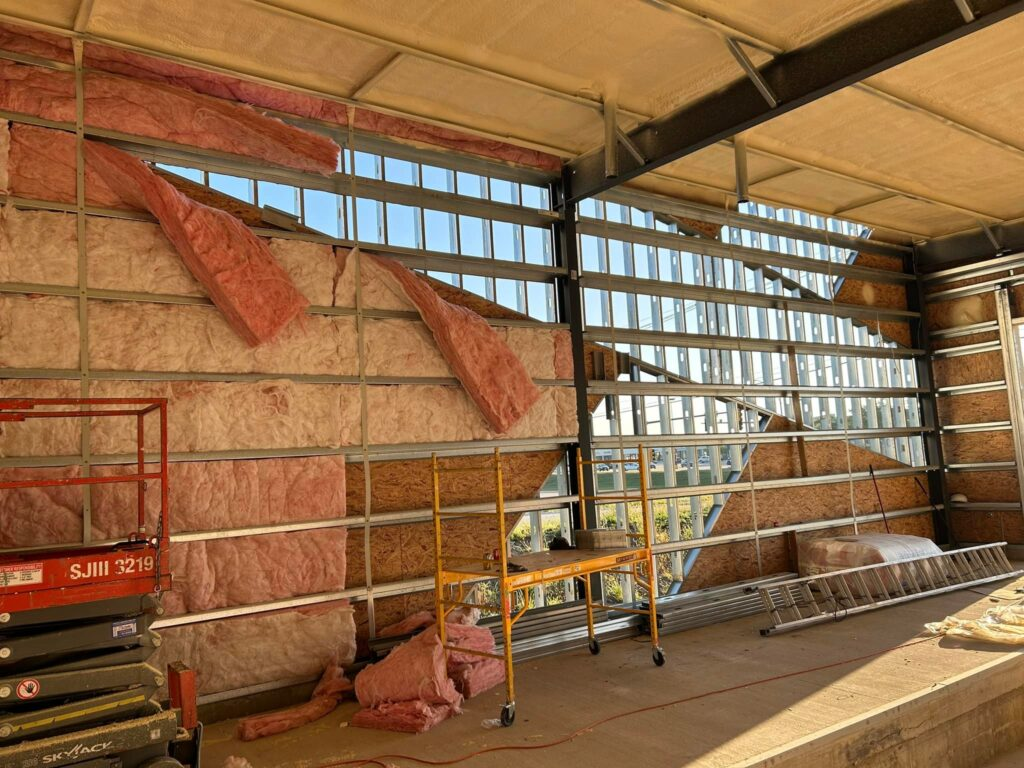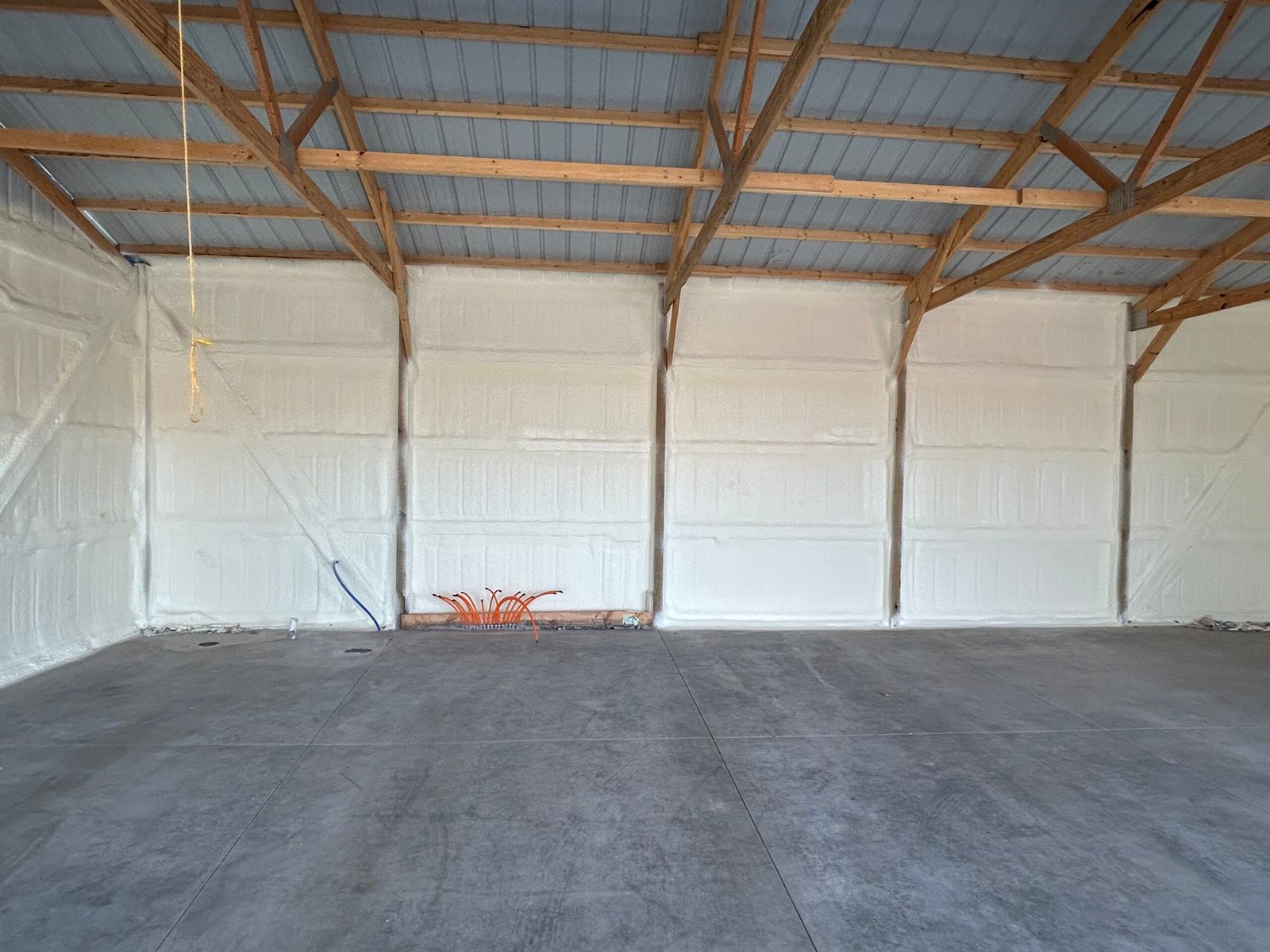
Yes, adding insulation over old insulation can cause problems, but only in certain conditions. Layering looks like a simple upgrade, but attics hide problems that only inspection reveals. You can easily add a new layer over a dry, clean, and undamaged layer. Wet, moldy, or contaminated layers are different, and covering them hides the problem.
Trapped moisture, poor ventilation, and compressed material can quietly reduce performance for years. That is why inspection should come before any new batts or blown-in material. Some attics need insulation removal in Iowa that professionals can complete before new material goes in. This blog post explains how to tell the difference before spending money.
When Is Adding Another Insulation Layer Actually Safe?
Adding more insulation works best when the existing layer is still doing its job. Light dust is fine, but staining, odors, or visible damage need a closer look.
A compatible new layer raises total thermal resistance, which is measured as R-value. The U.S. Department of Energy insulation guide explains how R-values add up across layers. ENERGY STAR attic guidance also stresses sealing air leaks before adding more insulation.
Measure depth in several spots, because insulation rarely sits evenly across an entire attic. Even coverage over the ceiling joists matters more than a single deep patch. Cellulose settles over time, so older loose fill may have lost depth. Settled batts can still earn a topper if the depth and condition check out. Fluffy blown-in material over fiberglass is common when the attic floor is clear.
What Problems Can Develop When Old Insulation Gets Covered?
Covering old insulation changes how the attic handles heat, air, and moisture. Problems usually start slowly, so homeowners rarely notice them until damage appears.
Moisture Trapped Between Layers
Roof leaks, condensation, and warm indoor air can all dampen insulation. A new layer on top slows drying, so wet spots stay wet longer. Wet fiberglass and cellulose lose much of their insulating ability until they dry. Rafters and roof decking can stay damp beneath that blanket too.
Mold Growth and Musty Odors
Mold needs moisture, organic material, and time, and attics often supply all three. Dust and paper facing on old batts can feed mold when damp. Black or green staining on the underside of roof decking deserves attention. A musty smell upstairs often signals a problem worth investigating before covering anything. Fresh insulation will not stop mold that already lives in the attic.
Compressed or Damaged Material Loses Performance
Insulation works by trapping air, so crushed material delivers less resistance. Adding weight on top compresses the bottom layer even further. Gaps, voids, and thin spots also persist when new material goes over them. Measured depth alone can mislead, because condition matters as much as thickness.
Pest Contamination and Hidden Debris
Mice, squirrels, and insects often nest in attic insulation for warmth. Droppings, urine, and nesting material soak into batts and loose fill. Rodent trails often appear as flattened paths or dark smudges through the material. Covering that contamination traps odors and leaves allergens inside the attic. Pests also tunnel through new material, so entry points need sealing first.
Blocked Ventilation and Restricted Airflow
Soffit vents bring outdoor air in, and ridge or gable vents let it out. New insulation pushed into the eaves can block that airflow completely. Baffles keep a clear channel open between the insulation and roof deck. Without airflow, moisture lingers, and the roof deck can suffer over time.
When Should You Remove Existing Insulation Instead?
Some warning signs mean removal is the safer and more effective choice.
- Water stains, rusted nails, or insulation that stays damp long after rain.
- Visible mold, black staining, or a persistent musty smell in the attic.
- Droppings, chewed material, nests, or tunnels left behind by rodents and insects.
- Insulation that is matted, crushed, or contaminated by soot, dust, or debris.
- Old material that has to be cleared before air sealing or foam work.
Covering damaged insulation cannot correct the leak, pest entry, or moisture source. Removing the material lets technicians see framing, wiring, and the roof deck. Professional insulation removal Iowa homeowners can book includes vacuuming, cleaning, and air sealing. Precision uses commercial-grade vacuum systems and protective gear during extraction.
Can You Mix Different Insulation Materials?
Not every combination works, so material type and location both matter. Fiberglass and cellulose can often be combined when both layers stay dry. Loose fill over batts is a common pairing in open attics. Mineral wool tolerates moisture better but still needs dry conditions and airflow.
Spray foam bonds directly to surfaces, so loose debris and old batts interfere. Homeowners should ask spray foam insulation specialists to inspect surfaces first. Never assume every material pairs safely with every other material.
Faced Versus Unfaced Layers
Faced insulation has a paper or foil layer that works as a vapor retarder. Unfaced insulation has no facing, so it will not trap moisture between layers. A second faced layer on top of an old faced layer can trap moisture. Use unfaced material for added layers, and run it across the existing joists. Building Science Education covers blown insulation in existing attics in practical detail. Vapor barrier rules vary by climate zone, so local guidance matters before layering.
What Should Homeowners Check Before Adding New Insulation?
A short inspection helps prevent layering mistakes, and homeowners can start it themselves.
- Existing material: note the type, depth, color, and any matted or stained areas.
- Roof leaks: look for water stains on rafters, decking, and ceilings below.
- Air leaks: check around wiring, plumbing vents, chimneys, and ceiling openings.
- Ventilation: confirm soffit vents stay open and baffles protect the airflow path.
- Safety: keep material clear of recessed lights, junction boxes, and flue pipes unless rated.
- Moisture controls: identify existing vapor barriers, facings, and bathroom fan exhaust routes.
Air sealing belongs first, because leaks carry warm, moist air into the attic. Building Science Education offers a clear guide to air sealing existing attics. Photograph each problem area, because notes and pictures help contractors give accurate advice. Never enter an attic without a mask, gloves, and secure footing on joists. Skipping inspection risks sealing problems inside the attic where nobody can see them. A home insulation contractor Iowa homeowners trust can document these findings with photos.
How Can Professional Insulation Assessment Prevent Costly Mistakes?
Professional assessment starts with identifying what is already in the attic. Inspectors check material type, condition, contamination, ventilation, and moisture before recommending anything. That order prevents paying for new insulation that hides an unsolved problem. Preparation then follows, including cleanup, air sealing, and protecting vents and baffles. Material selection comes last, based on the attic’s condition and homeowner goals.
A thorough assessment shows whether insulation removal Iowa homes need is partial or complete. Every insulation contractor homeowners hire should inspect existing material before quoting.
Precision Insulation & Coatings has served Des Moines and Central Iowa since 2009. The team installs spray foam insulation and fiberglass insulation for homes and commercial properties. It also offers insulation removal services, so one team can handle both steps. Precision provides free on-site estimates, and technicians explain findings before work begins.
Should You Add More Insulation or Replace the Existing Layer?
The right answer depends on condition, not on age alone. Adding works when the old layer is dry, clean, and reasonably intact. Replacing makes sense when damage, contamination, or poor performance affects the whole attic.
Adding costs less upfront, but covering problems can create expensive repairs later. Replacement costs more initially, yet it resets the attic with a clean foundation. Localized damage sometimes needs only partial removal, such as near a roof leak. Homeowners should weigh the attic’s condition, the budget, and long-term comfort goals.
This table summarizes common attic conditions and the usual next step.
| Existing Insulation Condition | Recommended Approach |
| Dry and clean | Consider adding another compatible layer |
| Slightly settled | Assess remaining performance before adding insulation |
| Wet or water-damaged | Identify leaks and address affected insulation |
| Mold-contaminated | Arrange professional assessment and appropriate removal |
| Pest-contaminated | Remove contaminated material and address pest entry |
| Blocked ventilation | Correct ventilation problems before adding insulation |
For mold or pests, insulation removal technicians should come first. Spray foam insulation Des Moines Iowa homeowners choose can seal a cleaned attic. An insulation contractor residents call should explain why removal or layering fits.
The safest recommendation is to inspect first and layer only over sound material. If inspection finds moisture, pests, or mold, remove that material before anything else.
Ready for an Honest Look at Your Attic?
Precision Insulation and Coatings is a home insulation contractor Iowa residents can call for assessments. Unsure whether your attic needs more insulation or a fresh start? Request an estimate for insulation removal; Iowa homeowners can schedule alongside new installation. Call (515) 417-2025 or use the contact page to book a free on-site estimate.
Frequently Asked Questions
Q1. Can you install new insulation over old attic insulation?
Yes, when the old layer is dry, clean, and undamaged. Seal air leaks first, and keep soffit vents and baffles fully clear. Use unfaced material over existing batts so moisture cannot get trapped between layers.
Q2. When does old insulation need complete removal?
Removal becomes necessary after water damage, mold growth, or heavy pest contamination. Badly compressed or soot-stained material also deserves replacement rather than another layer. A professional inspection confirms how much material must come out.
Q3. Can adding insulation over existing insulation cause mold?
It can, if moisture is already present or ventilation gets blocked. A new layer slows drying and traps humidity against framing and roof decking. Fix leaks and airflow problems first, then decide whether layering makes sense.
Q4. Should you remove old insulation before installing spray foam
Usually yes, because spray foam needs to bond directly to clean surfaces. Old batts, dust, and debris can prevent proper adhesion and hide moisture problems. An experienced installer should confirm the exact requirements after inspecting the attic.
Q5. How can you tell whether existing insulation remains effective?
Look for even depth, dry texture, and no stains, odors, or pest signs. Rooms that stay uncomfortable despite adequate depth suggest air leaks or degraded performance. A professional assessment can measure and document the condition accurately.