Removing home insulation might seem straightforward, but it’s a task that demands careful planning, proper safety measures, and often professional expertise. Whether you’re dealing with damaged insulation from water leaks, upgrading to more efficient materials, or discovering pest infestations, this complete guide to safely removing home insulation will help you navigate the process while protecting your health and property.
Home insulation removal isn’t just about pulling out old materials; it involves understanding potential hazards, using appropriate safety equipment, and following proper disposal procedures. Many homeowners underestimate the risks associated with older insulation materials, which may contain asbestos, harbor mold, or create respiratory irritants when disturbed. To learn more, let’s get into this detailed guide.
When You Need to Remove Home Insulation
Several situations warrant insulation removal. Water damage from leaks, floods, or roof issues can compromise insulation effectiveness and create mold growth. Fire damage often necessitates complete insulation replacement due to smoke contamination and structural concerns.
Pest infestations present another common scenario. Rodents frequently nest in home insulation, leaving behind droppings, urine, and potentially dangerous bacteria. Once contaminated, the insulation typically requires complete removal and sanitization of the home cavity.
Renovation projects often require insulation removal to access electrical systems, plumbing, or structural elements. Additionally, older homes may contain outdated insulation materials that perform poorly by modern standards or pose health risks.
DIY vs. Professional Insulation Removal
The decision between DIY and professional removal depends largely on the type and condition of your insulation. Simple fiberglass batt removal in small areas might be suitable for experienced DIYers with proper safety equipment. However, several situations absolutely require professional intervention.
Professional removal becomes essential when dealing with vermiculite insulation, which often contains asbestos. Any insulation installed before 1980 should be tested for asbestos before removal attempts. Additionally, widespread mold contamination, large-scale projects, or situations involving lead paint require specialized expertise and equipment.
Professional insulation removal services bring several advantages: specialized vacuum equipment, proper containment procedures, hazardous material handling expertise, and guaranteed safe disposal. While costs are higher, the peace of mind and safety benefits often justify the expense.
Understanding Different Types of Home Insulation
Fiberglass Insulation Removal
Fiberglass batts and rolls are among the most common home insulation types. While relatively safe compared to older materials, fiberglass can cause skin, eye, and respiratory irritation. The tiny glass fibers become airborne when disturbed, making proper protective equipment essential.
Remove fiberglass batts carefully by gently pulling them from the home cavities. Avoid tearing or shredding the material, which increases airborne particles. Immediately place the removed insulation in heavy-duty plastic bags and seal tightly.
Loose-Fill Insulation Challenges
Cellulose, blown-in fiberglass, and mineral wool create significant dust when removed. These materials often contain fire retardants and other chemicals that can irritate the respiratory system. Professional-grade vacuum equipment with HEPA filtration is typically necessary for safe removal.
The removal process requires sealing the work area and using negative air pressure to prevent dust from spreading throughout your home. Standard shop vacuums lack sufficient filtration for this type of work.
Spray Foam Insulation Removal
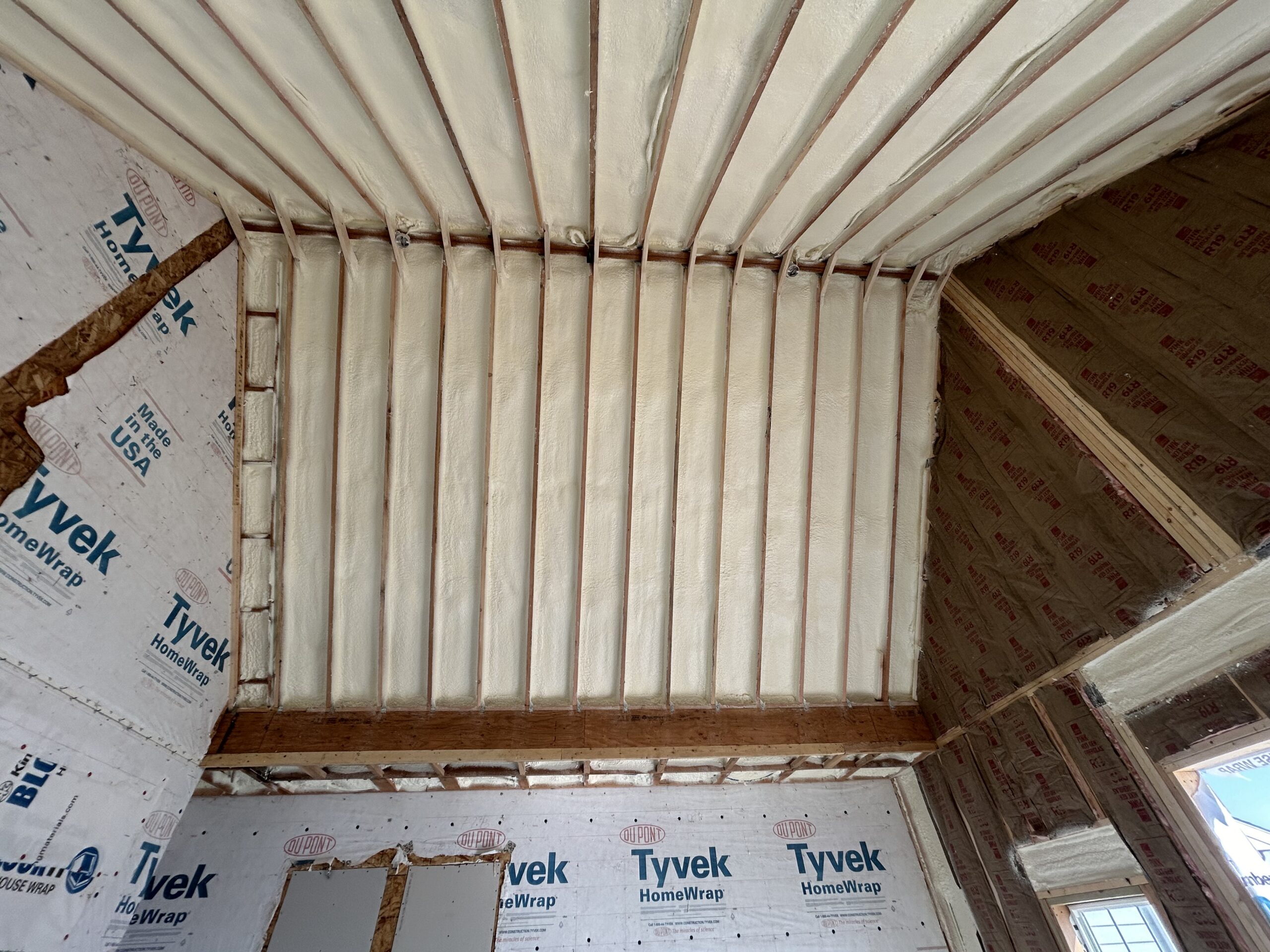
Removing spray foam insulation presents unique challenges due to its adhesive properties and chemical composition. The material bonds firmly to home surfaces, requiring careful cutting and scraping for removal. Chemical fumes during the curing process can be hazardous, and disturbing cured foam may release irritating particles.
Professional removal often proves more cost-effective for spray foam due to the labor-intensive nature and specialized tools required.
Vermiculite and Asbestos Concerns
Vermiculite insulation, particularly from the Libby, Montana, mine, frequently contains asbestos fibers. This material poses severe health risks when disturbed, potentially causing mesothelioma, lung cancer, and asbestosis.
Never attempt DIY removal of suspected asbestos-containing materials. Professional asbestos abatement companies use specialized containment procedures, negative air machines, and proper disposal methods. Before any removal project in older homes, consider asbestos testing by certified laboratories.
Essential Safety Equipment for DIY Projects
If you’ve determined DIY removal is appropriate for your situation, proper safety equipment is non-negotiable. Start with respiratory protection; N95 masks provide basic dust protection, while P100 respirators offer superior filtration for fiberglass particles.
Full-body protection includes disposable Tyvek suits or coveralls, heavy-duty work gloves, safety goggles, and boot covers. This equipment prevents insulation fibers from contacting your skin and prevents tracking contamination outside the work area.
Site preparation involves sealing the work area with plastic sheeting and duct tape. Turn off HVAC systems to prevent spreading particles throughout your home. Establish ventilation by opening windows and using exhaust fans vented to the building exterior.
Step-by-Step DIY Removal Process
- Begin with a thorough assessment and planning. Identify your insulation type and potential hazards before starting work. Create a removal plan that includes waste disposal arrangements and timeline considerations.
- Prepare the work area by covering floors with plastic sheeting and sealing adjacent rooms. Remove home coverings like drywall or paneling to access insulation materials. Document any discoveries like moisture damage or pest activity for future reference.
- Don all protective equipment before handling insulation. Remove materials systematically, working from top to bottom to prevent debris from falling on cleared areas. Handle fiberglass batts gently to minimize fiber release, and use proper vacuum techniques for loose-fill materials.
- Double-bag all removed insulation and contaminated materials. Seal bags immediately to prevent fiber escape. Clean the work area thoroughly using HEPA-filtered vacuums and damp cloths to capture remaining particles.
Proper Disposal Guidelines
Insulation disposal regulations vary by location, making local research essential. Most standard insulation can go to regular landfills, but some facilities have specific requirements or restrictions. Hazardous materials like asbestos require specialized disposal through certified waste management companies.
Check with your local waste management authority about disposal options and requirements. Some areas offer special collection days for construction debris, while others require advance arrangements for large quantities.
Never burn insulation materials, as this can release toxic fumes and violate local air quality regulations. Avoid placing loose insulation in regular trash bags, which may tear and spread particles.
Post-Removal Cleaning and Preparation
Thorough cleaning following insulation removal prevents ongoing particle exposure and prepares homes for new insulation installation. Use HEPA-filtered equipment exclusively, as standard vacuums may recirculate fine particles throughout your home.
Wipe down all surfaces with damp cloths, including home studs, electrical boxes, and plumbing penetrations. Address any discovered issues like moisture damage, pest activity, or structural problems before proceeding with new insulation.
Air sealing represents a critical step before new insulation installation. Seal gaps around electrical outlets, plumbing penetrations, and other openings to improve energy efficiency and prevent moisture problems.
When to Call Professionals
Certain situations absolutely require professional intervention. Suspected asbestos materials, widespread mold contamination, and large-scale projects exceed typical DIY capabilities. Additionally, if you discover lead paint during home opening, professional remediation becomes necessary.
Health considerations also warrant professional help. Individuals with respiratory conditions, allergies, or compromised immune systems should avoid DIY insulation removal regardless of material type.
Professional insulation removal services provide specialized equipment, expertise, and insurance coverage that protect both your health and property. While costs are higher than DIY approaches, the safety benefits and guaranteed proper disposal often justify the investment.
Conclusion:
Successfully completing safe home insulation removal requires careful planning, proper equipment, and an honest assessment of your capabilities. This complete guide to safely removing home insulation emphasizes that safety should never be compromised for cost savings.
Remember that many insulation removal projects benefit from professional expertise, particularly when dealing with older materials or extensive contamination. Prioritize your health and safety by choosing the appropriate approach for your specific situation, and always err on the side of caution when dealing with potentially hazardous materials.
Before beginning any insulation removal project, consult local regulations, consider professional testing for older materials, and ensure you have proper disposal arrangements in place. Your careful preparation will ensure a safe, successful project outcome.