
Commercial Vs. Residential Spray Foam: What’s The Difference?

Precision Insulation and Coatings

Commercial Vs. Residential Spray Foam: What’s The Difference?

Your building swings from hot to cold, and energy bills keep climbing. Commercial spray foam is built for spaces like yours, while home foam targets comfort in smaller rooms. Understanding the difference makes business insulation pay off.

This guide compares commercial and residential spray foam in plain terms. You will see where each works best, what it costs, and how it affects results. Clear, direct, and useful.

Definition of Spray Foam Insulation

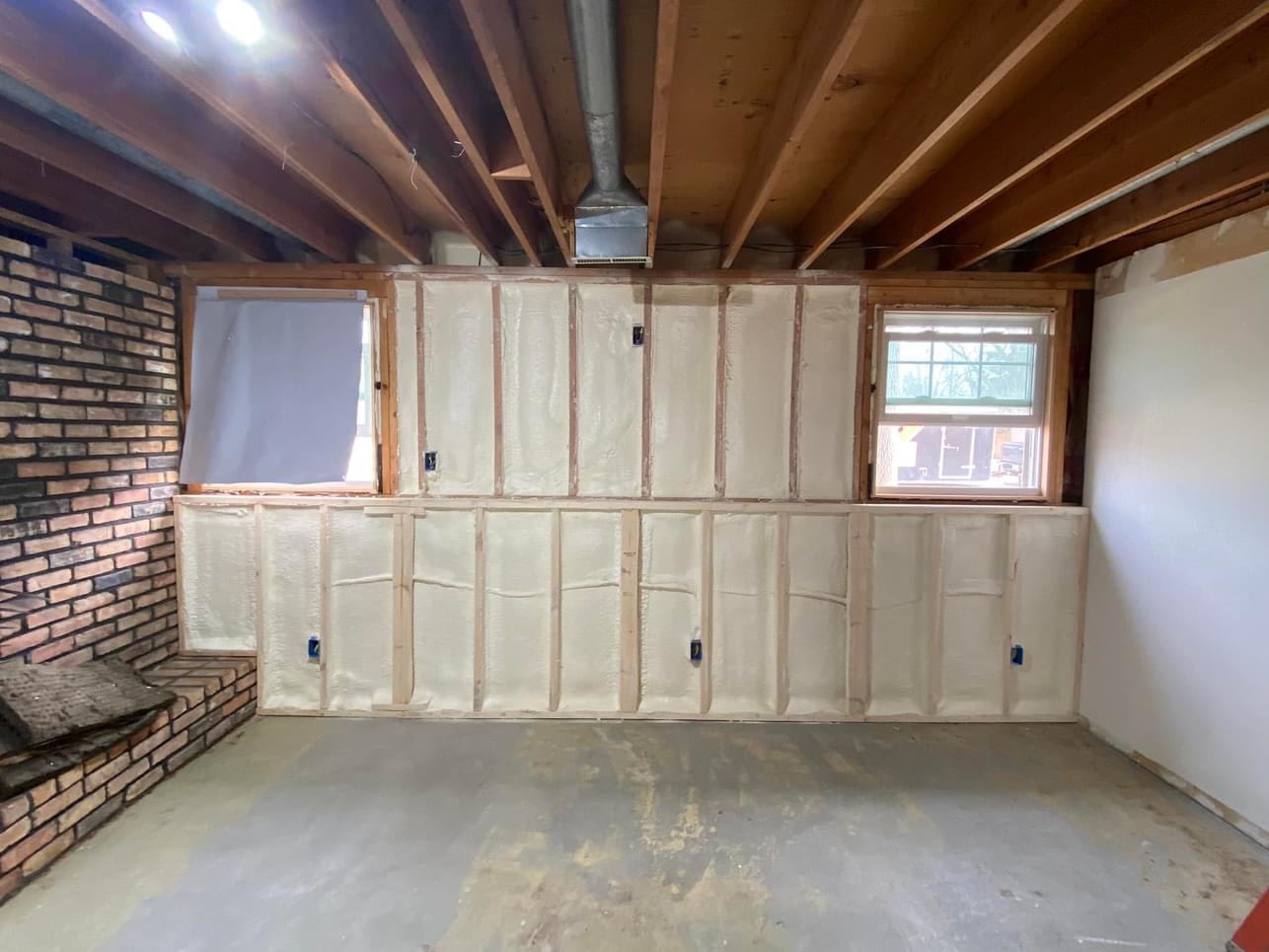
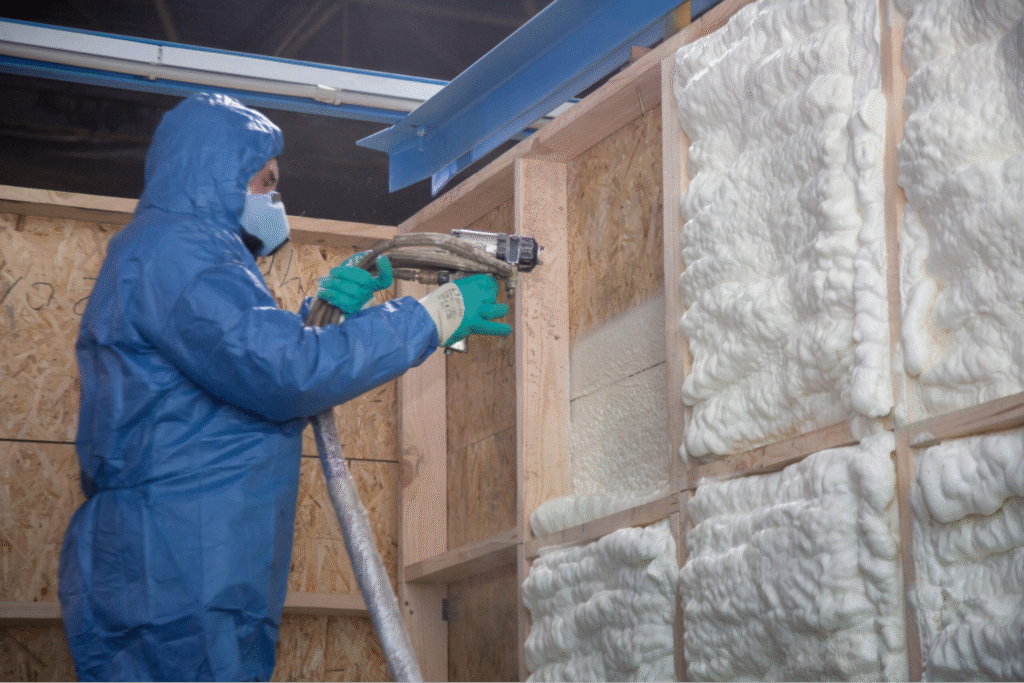
Spray foam insulation is a liquid that expands into a solid foam. It seals cracks, reduces drafts, and improves comfort. There are two main types: open cell and closed cell.

Open cell foam, also called low density foam, has many tiny air pockets. It stays soft and flexible after it cures. Typical R-value, which is thermal resistance, ranges from 3.5 to 4.5 per inch.

Closed cell spray foam acts tougher. Its tight structure makes it dense and rigid. It delivers higher R-values, often 5.2 to more than 7.2 per inch, and the cells are at least 90 percent closed.

Why this matters: higher R-value slows heat flow better. Closed cell also limits water vapor, which helps with moisture control along exterior walls and roofs. Open cell is great for interior walls where sound and flexibility matter most.

Closed cell foam serves as a vapor retarder and adds strength to walls, a strong combo for many commercial buildings.

Key Differences Between Commercial and Residential Spray Foam

Commercial jobs and home projects have different goals and codes. Here is a quick view of residential vs commercial insulation so you can choose with confidence.

Aspect

Commercial Spray Foam

Residential Spray Foam

Application Type

Large buildings, warehouses, offices, retail spaces

Houses, apartments, small multifamily buildings

Equipment

Elite Series Trailers from Profoam, advanced features and high output

Core Series Trailers from Profoam, focused on savings, efficiency, and flexibility

Foam Type

Closed cell favored for exterior walls, higher R-value, and sound control

Open cell often used in interior walls for breathability and lower cost

Performance

Higher R-value, moisture control, suited for demanding conditions

Balanced performance with budget in mind, moderate sound control

Sound Attenuation

Closed cell offers stronger sound reduction across rooms

Open cell provides basic sound dampening for daily living

Training & Certification

IDI and Profoam offer specialized training; 3.5-day course in Rutledge, GA for $1,050 per person

One-day seminar in Oklahoma City for $149 per person, also from IDI and Profoam

Cost

Higher spend on training, gear, and materials due to scale

Smaller scope helps keep costs manageable

Project Complexity

Needs advanced setup, skilled applicators, and more oversight

Simpler installs with an emphasis on speed and cost control

Performance Characteristics

Closed cell foam brings muscle. Expect R-values from about 5.2 up to more than 7.2 per inch, plus high closed cell content. That mix cuts heat loss and heat gain in tough spots.

Open cell foam delivers R-values from 3.5 to 4.5 per inch. It still improves comfort, but it is not as strong against moisture or extreme weather as closed cell.

Air sealing is where spray foam shines. It limits leaks far better than fiberglass batts or blown-in fibers. Thermal bridging, which is heat slipping through wood studs and metal, drops when foam seals joints and gaps.

Noise control matters in offices and shops. Closed cell foam helps block sound between rooms and along exterior walls. Open cell helps too, mainly for interior partitions.

Large projects need dependable rigs. Profoam Elite Series Trailers and sprinter vans keep crews supplied, heated, and moving on tight timelines. That steadiness reduces delays and change orders.

Finish quality improves as well. Tighter envelopes lead to fewer drafts and cleaner interior surfaces. Clients feel the difference during both hot summers and long winters.

Cost Considerations

Spray foam work takes more than a spray gun. Budget for tools, parts, and safety gear. Small items add up fast, so plan for the full kit.

  • PMC PX-7 used rig with A3 Pour Module Spray Gun: $3,000.00
  • PMC PX-7 A5 package, new: $3,972.50
  • Graco Fusion FX spray gun: $4,150.00
  • Concrete Lifting Slab Jack, full assembly: $865.00
  • Profoam ports, 10-pack: $950.00
  • Drierite desiccant cartridge: $24.99 each
  • Disposable coveralls, size 2XL: more than $140.00 per suit
  • Metal depth gauge: $19.75 each

Set a tool list before bidding work. Match gear to building size and code needs. Skipping key parts can stall a crew and waste labor.

One more point: foam chemicals need safe handling. Provide respirators, eye protection, and ventilation. Train installers on mix temps and cure times to avoid rework.

Conclusion

Choosing between commercial and residential spray foam depends on building use and code. Commercial spaces benefit from dense closed cell, which handles wear, weather, and moisture. Homes often do well with open cell inside walls, where breathability and lower cost matter.

Both types can cut energy use and reduce noise when installed by trained crews. Consider a dedicated trailer or rig for large footprints to speed schedules. The right mix of materials, training, and gear keeps jobs on track and pays off year after year.

Safety note: follow manufacturer directions and OSHA rules. This article offers general information, not legal or safety advice. For complex projects, consult a licensed contractor or engineer who understands local codes and commercial spray foam requirements.

FAQs

1. What is the main difference between commercial and residential spray foam insulation?

Commercial spray foam covers larger areas like warehouses and office buildings. It is made to handle heavy use and tougher weather. Residential foam focuses on comfort, energy savings, and stopping drafts in homes.

2. Does commercial spray foam cost more than residential types?

Yes, in most cases it does. Commercial work often needs thicker layers, special fire-rated systems, and bigger equipment. Homes use less material because the spaces are smaller.

3. Can I use commercial-grade spray foam in my house?

You could, but the extra strength may not help a wood-framed house. The added cost and stiffness are usually not needed in typical rooms and attics.

4. How long does each type of spray foam last?

Both can last for decades when installed correctly by trained pros. Commercial buildings may get more frequent inspections due to code rules. Homes benefit from quick checks after major storms or repairs nearby.
Latest Posts

Our Reviews

Posted on Google Google
Julia Roberts McMahon profile picture
Julia Roberts McMahon
Google star 1Google star 2Google star 3Google star 4Google star 5Trustindex verifies that the original source of the review is Google.
Scott was phenomenal to work with . Quick, clean, professional work and reasonably priced! I am so glad he was recommended to me
Posted on Google Google
Jennifer White profile picture
Jennifer White
Google star 1Google star 2Google star 3Google star 4Google star 5Trustindex verifies that the original source of the review is Google.
My husband and I moved into a new construction home on November 1st. We were not part of the building process; it was a quick move. We realized shortly after moving in that the garage was not insulated. I made some contacts with various insulation companies and Scott Todd was the only one that got back with me and assured me he could get the job done in a couple weeks. Scott stuck to his promise and did a great job. What stands out in my mind the most was how polite, honest and hard working Scott is. I’d definitely recommend his service for your insulation needs.
Posted on Google Google
Andrew Oswald profile picture
Andrew Oswald
Google star 1Google star 2Google star 3Google star 4Google star 5Trustindex verifies that the original source of the review is Google.
Scott was great to work with! The came and insulated my shop's attic space and it's done a great job retaining heat!
Posted on Google Google
Max Morris profile picture
Max Morris
Google star 1Google star 2Google star 3Google star 4Google star 5Trustindex verifies that the original source of the review is Google.
Scott and crew did an excellent job of insulating the attic above our garage. We are more than satisfied with his work, and would happily recommend him to others.
Posted on Google Google
Gregg Goss profile picture
Gregg Goss
Google star 1Google star 2Google star 3Google star 4Google star 5Trustindex verifies that the original source of the review is Google.
I discovered Precision while scrolling through FB. I’m very happy that I did. Scott arrived at my home within hours- not days, to discuss our insulation project. He provided me with some thoughtful education and advice prior to my decision. In the end, they did a great job and I would gladly use Precision again and highly recommend.
Posted on Google Google
Tanner Lynch profile picture
Tanner Lynch
Google star 1Google star 2Google star 3Google star 4Google star 5Trustindex verifies that the original source of the review is Google.
Very knowledgeable and seems really passionate about what he does.
Posted on Google Google
Mike Hughes profile picture
Mike Hughes
Google star 1Google star 2Google star 3Google star 4Google star 5Trustindex verifies that the original source of the review is Google.
We wanted our garage to maintain a decent temperature during the winters and realized our ceiling was not insulated and heat was escaping as it was onlydrywall screwed into the rafters. Scott, the owner over and gave us several options as how to make it hold the heat in the garage along withadding some more structural stability to the rafters. Here are the options he gave us 1. R49 blown fiberglass 2. Spay foam 2" closed cell foam 3.. Both 1 & 2 blown fiberglass over the cell foam What I really liked about these options is how he said Why don't we start with one and go with the closed cell foam first. Let's see how that works and if you're satisfied we won't need to do anything else. If it's still not holding the heat you want then could come back and put some blown-in fiberglass on top. So far the heater that's set in the garage is set at 50° and it runs 5 minutes every hour where it used to run 5 minutes every 15 minutes in an hour. Note: before we had the insulation installed We also installed green hinges on our garage doors that make our doors air tight because they're spring-loaded. I would highly recommend Scott and Precision insulation and heating if you're looking for an honest, responsive owner who won't oversell you and is reasonably priced and extremely professional. Here are a few pictures of before and after.
Posted on Google Google
Cory Rigler profile picture
Cory Rigler
Google star 1Google star 2Google star 3Google star 4Google star 5Trustindex verifies that the original source of the review is Google.
Scott and his crew did an amazing job insulating our attic and the area above our garage using spray foam and blown-in fiberglass. We had plumbing above the garage that would slow down on extremely cold days, along with a few cold spots in the ceiling caused by gaps from poor original installation by the home builder. Since the work was done, those issues are completely resolved. The difference is noticeable, and we honestly wish we had done this sooner. I would highly recommend Scott and his company to anyone looking for high-quality insulation work.
Posted on Google Google
Kenneth King profile picture
Kenneth King
Google star 1Google star 2Google star 3Google star 4Google star 5Trustindex verifies that the original source of the review is Google.
I had Precision Insulation out to inspect my attic and evaluate temperature issues in my home. Their technician was extremely knowledgeable, thorough, and honest. He used thermal imaging to show exactly where heat loss was occurring and explained everything in a clear, straightforward way that actually made sense. What I appreciated most is that he didn’t try to upsell anything or push unnecessary work. His recommendations were practical and realistic for my situation, and the findings aligned perfectly with what I was experiencing in my home. It’s rare to find a contractor who takes the time to educate you, answers every question, and is genuinely focused on what’s best for the homeowner. Highly recommend Precision for insulation evaluations and honest expertise. I felt confident and informed after the inspection, which is exactly what you want when dealing with home performance issues.
Posted on Google Google
Brian Schwartz profile picture
Brian Schwartz
Google star 1Google star 2Google star 3Google star 4Google star 5Trustindex verifies that the original source of the review is Google.
Scott was superb on our project. He stayed on budget with high quality work. Appreciate his craft and communication with me through the process.
man with son

Scott Todd

I'm Scott Todd, owner of Precision Insulation & Coatings based in Elkhart, Iowa. With over 15 years of experience, I specialize in spray foam insulation, concrete leveling, and protective coatings for residential, commercial, and agricultural buildings across Iowa. My team is known for precise workmanship, energy-saving results, and solutions tailored to Iowa’s climate. We complete over 200 projects annually, using advanced methods in open-cell and closed-cell insulation and polyurea coatings. Recognized by the National Association of Insulation Contractors, I stay active in the industry to ensure our clients always receive the most effective, up-to-date solutions.