Is your flat roof showing cracks, leaks, or soft spots? If you’re wondering how much longer it can hold up, you’re asking exactly the right question at the right time.
So, how long does a flat roof last? Most systems run between 15 and 30 years, with 25 years being a realistic goal for a well-maintained flat roof for Iowa homes.
But that wide range exists for good reason.
The materials you choose, the quality of the installation, and how consistently you keep up with maintenance tips for flat roofing all play a major role. Iowa’s climate adds another layer of pressure, with freeze-thaw cycles and heavy storms testing your roof every single season.
As the team at Precision Insulation & Coatings, we’ve worked on flat roofs across Iowa and seen firsthand what makes them last decades and what causes them to fail early. We’ll walk you through all of it so you can protect your investment with confidence.
Key Takeaways
- Flat roofs in Iowa last 15 to 30 years on average, with 25 years typical for well-maintained systems using quality materials.
- PVC roofing leads durability at 20 to 30 years, while EPDM rubber and Built-Up Roofing also perform well in Iowa’s harsh climate.
- Installation quality directly determines whether flat roofs reach the lower or upper end of their lifespan range, making contractor expertise critical.
- Proper insulation reduces thermal stress from Iowa’s freeze-thaw cycles, extending roof life and improving energy efficiency at the same time.
- Routine inspections twice yearly and prompt repairs catch small problems early, preventing expensive damage and extending roof performance significantly.
Average Lifespan of a Flat Roof in Iowa
Your flat roof’s lifespan in Iowa depends heavily on the materials you choose and how well you protect it from our harsh winters and summer storms. Iowa’s climate throws everything at your roof, from freeze-thaw cycles and heavy snow loads to intense UV exposure, so knowing what to expect helps you plan. The good news is that with the right material, consistent care, and support from experienced Insulation Contractors in Iowa, your roof can deliver decades of reliable protection.
Lifespan by roofing material
Flat roof materials in Iowa come with different lifespans, and picking the right one affects how long before replacement becomes necessary. The table below shows what each material delivers in terms of durability across Iowa’s demanding climate.
| Roofing Material | Lifespan Range | Key Characteristics |
| PVC (Polyvinyl Chloride) | 20 to 30 years | Highly resistant to UV damage and chemical exposure. Reflects sunlight effectively, reducing cooling costs. Performs well in Iowa’s temperature fluctuations. |
| EPDM (Rubber) | 15 to 30 years | Flexible material that handles freeze-thaw cycles common in Iowa winters. Installation quality heavily influences the upper end of this range. Affordable option with solid performance. |
| Built-Up Roofing (BUR) | 20 to 30 years | Multiple layers provide excellent waterproofing and durability. Traditional choice for commercial and residential applications. Requires regular maintenance to maximize lifespan. |
| Modified Bitumen | Varies by product and maintenance | Combines asphalt with rubber or plastic modifiers for improved flexibility. Handles temperature swings effectively. Lifespan depends significantly on installation expertise and upkeep frequency. |
Climate stress in Iowa accelerates wear faster than in milder regions. Winter snow loads, spring hail, summer UV exposure, and autumn temperature swings all take their toll. Pairing the right material with proper commercial insulation in Iowa underneath extends overall roof performance significantly.
We know from direct experience how inadequate insulation compromises flat roof systems, since poor insulation creates thermal stress that weakens membranes prematurely.
Impact of Iowa’s climate on flat roofs
Iowa’s climate presents serious challenges to your flat roof’s durability. Your state experiences dramatic temperature swings, intense summer heat, and brutal winter cold that stress roofing materials constantly. Spring and fall bring heavy rainfall, while winter dumps significant snow loads on your roof. These weather patterns work together to break down roofing materials faster than in milder climates.
Your flat roof faces particular vulnerability during Iowa’s freeze-thaw cycles. Water pools on flat surfaces, then freezes solid when temperatures drop. This ice expands and contracts repeatedly, creating cracks in your roofing material. Those cracks allow moisture to seep underneath, leading to leaks and structural damage that spreads quickly.
Based on studies from the U.S. Department of Energy’s Oak Ridge National Laboratory, wet insulation from those cracks can reduce your roof’s thermal efficiency by up to 50%. That’s the energy equivalent of leaving a door open on your roof all winter long, and it will show up directly on your heating bills.
In our years working on Iowa properties, we’ve seen flat roofs fail prematurely because homeowners underestimated the impact of our climate, says our team at Precision Insulation & Coatings. Home Insulation tips for long-lasting flat roof performance always include ensuring adequate drainage and ventilation to combat moisture buildup. Your insulation cost in Iowa varies based on the roofing material you select and your climate zone.
Materials like TPO and EPDM rubber hold up better against temperature extremes than older asphalt options. Quality insulation underneath your flat roof acts as a thermal buffer. It reduces stress from temperature swings, pays for itself through lower energy bills, and extends roof life at the same time.
Key Factors That Impact Flat Roof Longevity
Your flat roof’s lifespan depends on several factors working together. The choices you make during installation and maintenance directly shape how many years your roof will protect your home.
Installation quality
Installation quality makes or breaks a flat roof for Iowa homes. Qualified professionals who understand proper techniques will install your roof correctly the first time, preventing costly mistakes that plague many property owners. According to data from the National Roofing Contractors Association, 86% of all premature roof failures are caused by improper installation methods, not defective roofing materials.
That number should make you think twice before hiring based on price alone. Poor installation creates gaps, improper sealing, and weak joints that lead to leaks within months. We’ve seen installation errors cut roof lifespans in half, turning what should be a 20-year investment into a 10-year headache.
Engaging qualified professionals for roof coating is vital for flat roof longevity. High-quality installation contributes directly to better durability and performance of flat roofing materials. Here’s what skilled installation actually involves:
- Seams sealed correctly to prevent moisture entry at vulnerable joints.
- Fasteners are placed precisely to handle Iowa’s wind and snow loads.
- Drainage systems designed for heavy precipitation events.
- Membrane edges secured to resist uplift during severe storms.
These details separate roofs that last decades from those needing replacement in just a few years. Never cut corners or choose the lowest bidder, because the savings up front rarely cover the cost of early failure.
Proper insulation
Your flat roof faces serious challenges in Iowa’s harsh climate, and proper insulation stands as your strongest line of defense.
- Without adequate insulation, heat escapes through your roof in winter while the summer sun beats down relentlessly. This temperature fluctuation causes materials to expand and contract, leading to cracks, leaks, and premature deterioration.
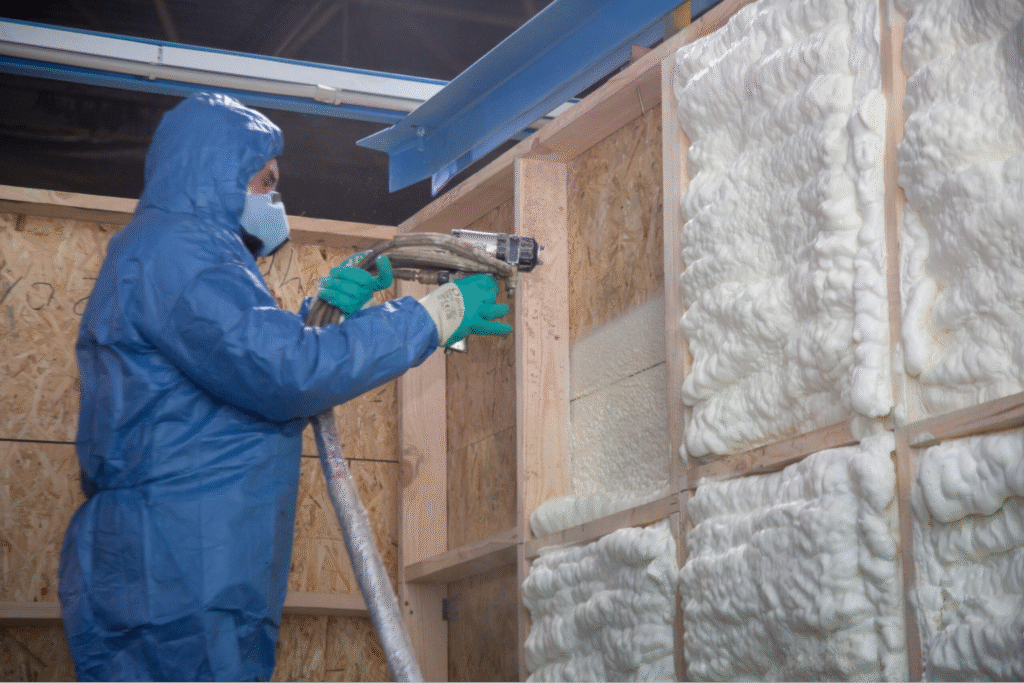
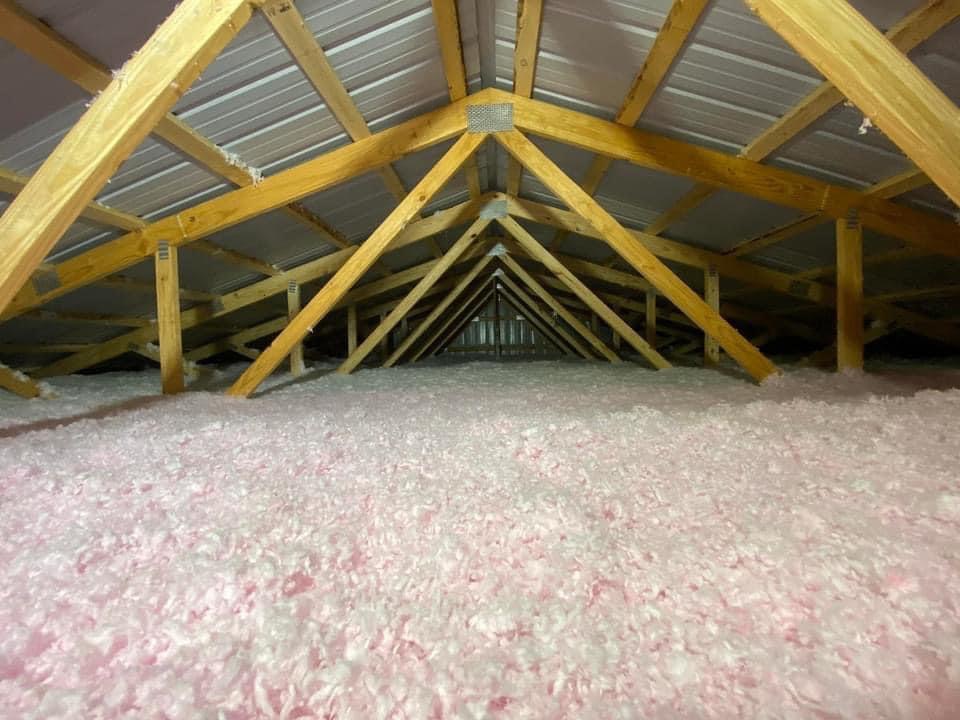
- Spray foam insulation and fiberglass insulation both create protective barriers that stabilize your roof’s temperature.
- Under the International Energy Conservation Code (IECC) standards for Iowa, flat roofs in Climate Zones 5 and 6 require a minimum of R-25 to R-30 of insulation above the roof deck for commercial applications.
- Residential systems often push toward R-49 to R-60 to combat Iowa’s severe winter heat loss. When you’re gathering quotes from contractors, ask specifically for these R-values. That way, you know exactly what you’re getting and can compare bids fairly.
- These materials reduce stress on roofing membranes, which means your roof lasts significantly longer. We’ve installed hundreds of insulation systems across Iowa, and the performance difference between properly insulated roofs and under-insulated ones is night and day.
- Homes with quality insulation experience fewer leaks, less water damage, and extended roof life. Energy efficiency and roof longevity work hand in hand when insulation is done right.
- Poor insulation also allows moisture to accumulate in your attic space, creating conditions that rot wood framing and compromise roof integrity. The benefits of flat roofing multiply when a proper insulation system supports it from below.
- Attic upgrades and energy efficiency improvements save money on heating and cooling while actively protecting your roof structure from the inside out.
We provide on-site insulation estimates for homeowners and businesses throughout Iowa. We evaluate your current insulation, identify gaps in coverage, and recommend solutions specific to Iowa’s climate demands. Contact us to schedule your estimate and find out how the right insulation strategy protects your investment for decades to come.
Regular maintenance
Your flat roof needs consistent attention to reach that 25-year average lifespan.
- According to a commercial roofing asset management study by major roofing manufacturers, over 80% of flat roofs are replaced prematurely due to a lack of routine maintenance. That same research shows that proactive care can cut a roof’s total lifecycle costs by more than 50%.
- Debris accumulates on flat surfaces, trapping moisture and accelerating deterioration. Standing water becomes your roof’s worst enemy, seeping into seams and weakening materials over time. Small cracks expand into major leaks without intervention, turning minor fixes into expensive replacements.
- Inspections catch problems early, saving thousands in repairs down the road. Schedule professional inspections at least twice yearly, ideally in spring and fall. These visits identify issues before they become catastrophic failures.
- A pro-tip we always share with our clients is this: a small patch costs far less than replacing an entire section. Addressing minor repairs promptly keeps your roof performing at its best and your energy costs under control.
Professional contractors understand Iowa’s harsh winters, intense summer heat, and spring storms. We know which roofing materials withstand our climate best and how to maintain them effectively. The specialists catch what untrained eyes miss, extending your roof’s performance year after year.
Maintenance Tips for Extending Flat Roof Lifespan
Your flat roof needs regular attention to stay strong and protect your property. Smart maintenance habits catch small problems before they turn into expensive damage.
Routine inspections
Routine inspections catch problems before they spiral into expensive repairs. Getting up there twice a year saves money and extends the life of your investment significantly.
- Schedule inspections in spring and fall to catch damage from Iowa winters and summer storms before issues worsen.
- Check the membrane surface for cracks, blisters, splits, or areas where the material separates from edges and seams.
- Inspect all flashing around vents, skylights, and roof penetrations since these areas fail first when seals break down.
- Clear debris and confirm gutters flow freely. Clogged systems force water to pool and sit on the roof surface.
- Walk the entire surface carefully, pressing gently to feel for soft spots or areas where material has become compromised.
- Inspect after any major storm to spot fresh hail or wind damage before it has a chance to worsen.
Recent roofing industry cost analyses show that planned, routine maintenance tasks cost 30% to 50% less than emergency repairs performed during peak storm seasons. Scheduling those spring and fall visits is one of the smartest financial moves you can make as a property owner.
Addressing minor repairs promptly
Your routine inspections will reveal small problems that need immediate action. Catching these issues early stops them from becoming expensive disasters that cut your roof’s lifespan short.
- Fix small leaks the moment you spot them. Waiting even a few weeks turns a minor patch into a major water damage job.
- Seal membrane cracks right away, since Iowa’s freeze-thaw cycles will force them wider with every cold snap.
- Drain standing water and address the source immediately. Pooling water creates weak spots that break down faster than the rest of your roof.
- Reattach loose seams and seal flashing gaps before moisture gets inside your walls and attic spaces.
- Treat blistering promptly. It signals trapped moisture beneath the surface, and it spreads quickly across the membrane.
- Applying a waterproof roof coating can add an extra layer of protection, helping seal minor cracks, improve durability, and extend your roof’s lifespan against harsh weather conditions.
- Hire a licensed contractor for all repair work to protect your investment and ensure quality workmanship that holds up.
Documenting all repairs creates a maintenance record that helps you track patterns and plan future work. A simple photo log with dates goes a long way when assessing your roof’s condition over time.
Conclusion
Flat roofs in Iowa can last anywhere from 15 to 30 years. Understanding how long a flat roof lasts with the right material, solid installation, and consistent care is the key to getting the most out of your investment. Material choice sets the foundation. PVC, EPDM, and Built-Up Roofing all perform well in Iowa’s climate when installed by experienced hands.
Don’t skip the maintenance. Twice-yearly inspections and quick repairs catch problems early, saving you thousands in damage costs. The insulation tips for long-lasting flat roof performance covered here work best when paired with a solid, ongoing maintenance routine.
Precision Insulation & Coatings is ready to help Iowa property owners protect their roofs. Reach out for a free on-site estimate and find out exactly what your flat roof needs to last.
FAQs
1. How long does a flat roof last in Iowa?
Most flat roofs last 15 to 25 years in Iowa, though quality TPO or EPDM rubber systems can reach 30 years with proper care. Iowa’s harsh freeze-thaw cycles and temperature swings from subzero winters to 90-degree summers wear down roofing materials faster than in milder climates.
2. What maintenance tips help flat roofs last longer in Iowa?
Clear debris and standing water after every storm, especially during Iowa’s wet spring and fall seasons. Inspect seams and drains twice a year, and patch any small cracks before winter freeze-thaw cycles turn them into major leaks.
3. What causes flat roofs in Iowa to fail early?
Poor drainage tops the list in our experience. When water ponds for more than 48 hours, it breaks down roofing membranes quickly, and Iowa’s 40-plus freeze-thaw cycles each winter accelerate that damage.
4. When should I replace my flat roof instead of repairing it?
Replace your flat roof when repair costs exceed half the price of a new installation, which typically runs $5 to $8 per square foot in Iowa. If you’re seeing multiple leaks or widespread cracking across more than 30% of the roof surface, replacement usually makes better financial sense than patching.