Are you tired of replacing your old insulation every few years? Many homeowners ask, “How long does spray foam insulation last?” or worry if it is really worth the cost. When insulation wears out too soon, it can cause cold spots in your home, higher energy bills, and more repairs.
These problems show up often in Iowa homes and businesses. After working with many buildings like yours and looking at research, we have learned that spray foam insulation can last as long as 80-100 years if put in the right way. This gives you steady comfort and lower energy costs for a very long time.
In this blog post, we will talk about what affects how long spray foam lasts. We will also compare its strength to other materials like fiberglass and cellulose. By reading on, you’ll see why using spray foam is usually a smart step to keep your house warm, quiet, and energy efficient for decades to come.
If you want clear answers about keeping your home comfortable far into the future, keep reading!
Factors That Impact Spray Foam Insulation Lifespan
Several things can affect how long spray foam insulation lasts. The type of foam and the quality of the installation matter a lot. Weather conditions also play a big role in its lifespan.
Type of foam (closed-cell vs open-cell)
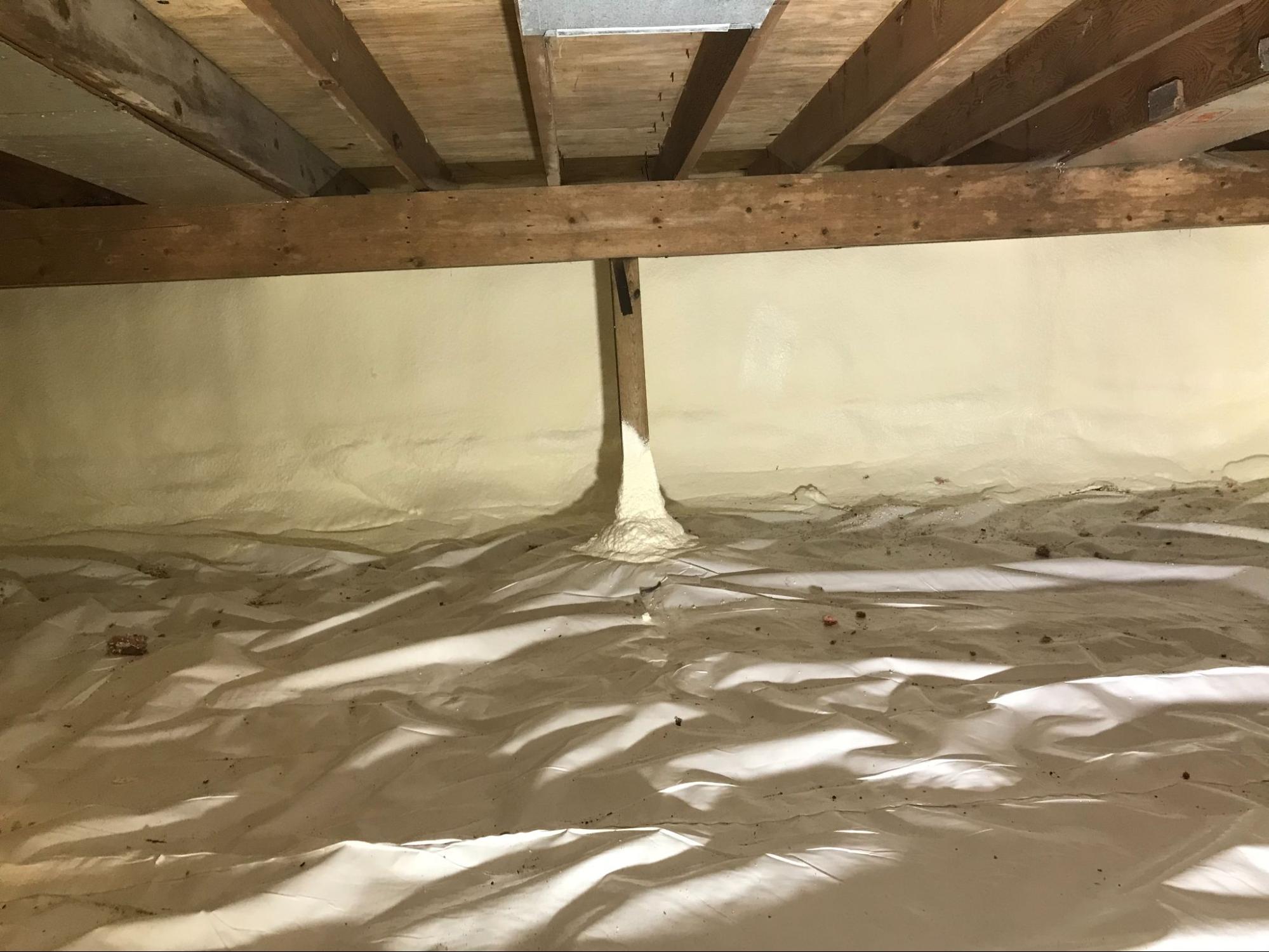
Closed-cell foam and open-cell foam are two types of spray foam insulation. Closed-cell foam is denser and stronger. It lasts longer, often between 80 and 100 years, with proper application. This type is great for areas needing high insulation performance, like basements or outside walls.
Open-cell foam is lighter and cheaper but has a shorter lifespan. It typically lasts about 20 to 30 years. While it can provide good insulation, its structure allows moisture in more easily than closed-cell foam does.
Based on our experience at Precision Insulation & Coatings, homeowners should choose the right type based on their needs and conditions. Choosing the right type of spray foam can make all the difference in your home’s energy efficiency.
Quality of installation
The quality of installation plays a big role in how long spray foam insulation lasts. Properly applied spray foam can last between 80 and 100 years. This longevity is much greater than what traditional materials offer. For example, fiberglass and cellulose only last about 15 to 30 years. We have seen that spray foam typically lasts around 20 to 30 years on average, based on the installation’s quality.
Our experience shows us that closed-cell spray foam generally lasts longer than open-cell types. A skilled contractor makes sure the application is uniform and follows all safety guidelines, ensuring better performance.
With repeated applications and maintenance, we can extend its life even further. Knowing this helps homeowners make informed choices about insulation for their properties as they consider environmental conditions and durability factors in their decision-making process.
Environmental conditions
Environmental conditions play a big role in the lifespan of spray foam insulation. Closed-cell foam tends to last longer than open-cell foam. The right installation matters too; if applied well, it can last up to 100 years. However, extreme weather can affect performance.
In Iowa’s climate, we see both hot summers and cold winters. This fluctuation puts stress on insulation materials. Proper maintenance helps keep spray foam effective for over 20 years or more.
Our experience shows that using high-quality polyurethane also boosts durability significantly against environmental factors.
Comparison of Spray Foam Insulation Lifespan to Traditional Materials
Spray foam insulation lasts longer than many traditional materials. Fiberglass, cellulose, and mineral wool have shorter lifespans compared to closed-cell and open-cell foams.
Fiberglass
Fiberglass insulation lasts about 15 to 30 years. It is a common choice for many homes. This material is made from tiny glass fibers. We can install it in walls, attics, and floors. Fiberglass helps keep homes warm in winter and cool in summer. Compared to spray foam insulation, fiberglass does not last as long.
Spray foam can hold up for 80 to 100 years with the right installation. Closed-cell foam performs better than open-cell foam, too. Homeowners should consider these differences when choosing insulation options to ensure durability and energy efficiency.
Cellulose
Cellulose is made from recycled paper products. It is treated with fire retardants to make it safe for use in homes. The lifespan of cellulose is shorter than that of spray foam. Typically, cellulose lasts about 15 to 30 years. We find that cellulose does not offer the same durability as spray foam insulation.
Spray foam can last upwards of 20 to 30 years and even up to 100 years with proper installation. Cellulose may settle over time, which can reduce its effectiveness. This means homeowners often need more maintenance when using cellulose compared to spray foam options, such as closed-cell or open-cell foams that have a longer lifespan and better performance overall.
Mineral Wool
Mineral wool insulation lasts about 15 to 30 years. It is made from natural minerals and recycled materials. This type of insulation offers some benefits, such as fire resistance and soundproofing. However, its lifespan is shorter than that of spray foam insulation.
Spray foam insulation can last for 80 to 100 years when installed correctly. Closed-cell spray foam provides more durability than mineral wool or open-cell spray foam. For homeowners and contractors looking for lasting performance, we highly recommend considering spray foam over traditional options like mineral wool.
Benefits of Choosing Spray Foam Insulation for Longevity
Spray foam insulation offers many benefits for long-lasting performance. It has a high R-value, which means it keeps your home warm or cool as needed. This type of insulation improves energy efficiency and helps prevent pests and mold growth. It also absorbs sound well, making your space quieter. Read on to learn more about why spray foam is a great choice!
Long-lasting performance
Spray foam insulation offers long-lasting performance. It can last from 80 to 100 years when installed correctly. This lifespan is much longer than traditional materials like fiberglass or cellulose, which last only 15 to 30 years. Closed-cell spray foam tends to last even longer than open-cell options.
We find that spray foam typically lasts between 20 and 30 years on average. The durability depends on installation quality and environmental conditions. With proper maintenance and care, we can extend its life further.
Choosing spray foam means investing in a strong, durable solution for your business or home insulation needs.
High R-value
Long-lasting performance leads us to one key feature of spray foam insulation: its high R-value. This value measures how well the material resists heat flow. Our closed-cell foam has a superior R-value compared to open-cell foam. It keeps homes warm in winter and cool in summer.
Our experience shows that spray foam insulation can reach an R-value of over 6 per inch. This means it is much more effective than traditional materials like fiberglass or cellulose, which usually have lower R-values of 2 to 4 per inch.
With better resistance, we enjoy improved energy efficiency and lower utility bills. Investing in spray foam not only provides comfort but also ensures durability over time, lasting between 80 and 100 years when installed correctly.
Energy efficiency
Spray foam insulation is a great choice for energy efficiency. It offers a high R-value, which means it resists heat flow better than other materials. This helps keep homes warm in winter and cool in summer. Closed-cell spray foam lasts longer than open-cell foam, giving us even more energy savings over time.
Using spray foam can reduce our energy bills significantly. Traditional materials like fiberglass and cellulose last only 15 to 30 years, while spray foam insulation can last between 20 and 30 years on average.
Some installations last up to 100 years with proper care and maintenance. The long lifespan makes spray foam an excellent investment for any property owner or builder looking to save on costs now and in the future.
Pest and mold prevention
Energy efficiency leads us to another important benefit of spray foam insulation: pest and mold prevention. This type of insulation can stop pests from entering our homes. The dense foam creates a tight seal, making it hard for bugs and rodents to find a way in.
Mold can also be a big problem in homes. Spray foam minimizes moisture buildup, which helps prevent mold growth. With proper installation, we can enjoy durable protection against pests and mold for years to come.
In fact, when applied correctly, spray foam insulation may last between 80 and 100 years. This makes it an excellent choice for long-lasting performance in both residential and commercial settings.
Sound absorption
Spray foam insulation offers great sound absorption. It helps reduce noise from outside and between rooms. This makes our homes quieter and more comfortable. We find that closed-cell spray foam is especially good at blocking sound.
In busy neighborhoods or near highways, this can be a big plus for homeowners and property owners. Spray foam insulation lasts between 20 and 30 years on average, but with proper installation, it can last much longer, up to 100 years!
Investing in effective insulation improves not just thermal performance but also the peace we enjoy in our spaces.
Conclusion
Spray foam insulation is a strong choice for homeowners and builders. Its lifespan can reach 80 to 100 years with proper installation. Closed-cell spray foam lasts longer than open-cell versions, giving us better options. On average, most spray foam insulation lasts around 20 to 30 years based on how well it is installed and the conditions it faces.
Traditional materials like fiberglass and cellulose only last between 15 and 30 years. This makes spray foam a more durable choice for both homes and businesses. As professionals in the insulation field, we know that with regular maintenance, its lifespan can extend even further.
We find that high-quality spray foam offers great energy efficiency and protection against pests and mold while helping to absorb sound, too. Contact Precision Insulation & Coatings for more details on spray foam insulation.
FAQs
1. How long does spray foam insulation last in a home?
Spray foam insulation often lasts over 30 years. Its lifespan is longer than that of many other building materials used for home improvement.
2. What affects the durability of closed-cell and open-cell foam?
Closed-cell foam resists water and damage better, so it stays strong longer. Open-cell foam offers good performance but may need more maintenance if exposed to moisture.
3. Is polyurethane spray foam cost-effective for insulation?
Yes, polyurethane spray foam can lower energy bills by keeping heat inside your house. Its long lifespan means you save money on repairs and replacements.
4. What are the main benefits of using spray foam for home insulation?
Spray foam provides high durability, great air sealing, and helps control temperature changes indoors. It also adds strength to walls compared to some other building materials.
5. Does spray foam require much maintenance after installation?
Spray foam needs little upkeep once installed properly; regular checks help keep its performance steady over time without major repairs needed.