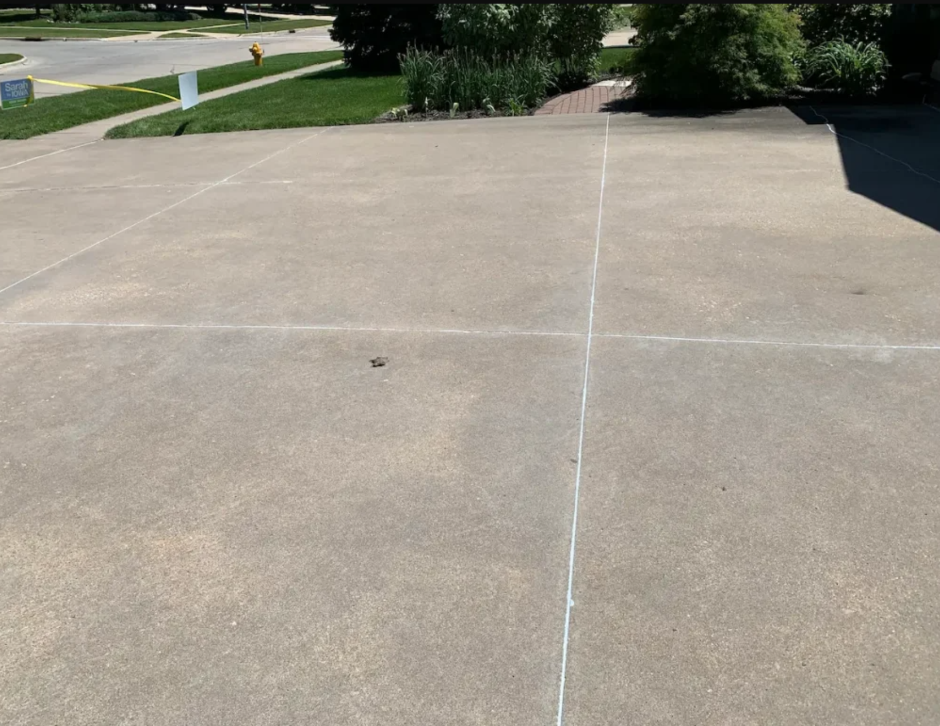
Have you ever stepped outside after an Iowa winter and spotted fresh cracks spreading across your driveway? For many Des Moines homeowners dealing with concrete leveling problems, the root cause often starts somewhere unexpected. It starts with your home’s insulation.
As the team at Precision Insulation & Coatings, we’ve spent years helping Iowa homeowners get ahead of this exact issue. Our experience shows that freeze-thaw cycles cause concrete to shift up to two inches every single year in our region.
We’re going to walk you through the whole picture here. You’ll see the connection between your insulation and your foundation’s stability, and why taking action now makes all the difference for your home’s future.
Key Takeaways
- Iowa’s freeze-thaw cycles cause concrete to shift up to two inches yearly, creating cracks and uneven surfaces across driveways and foundations.
- Proper insulation stabilizes soil by controlling moisture levels and temperature swings that cause dangerous expansion and contraction beneath concrete slabs.
- Moisture trapped under concrete weakens soil structure, but insulation acts as a protective barrier to redirect water away from foundations.
- Installing spray foam or fiberglass insulation around foundations, crawl spaces, and basements protects concrete durability while reducing long-term repair expenses.
Causes of Uneven Concrete in Iowa Homes
Iowa’s concrete problems don’t just appear overnight. They develop because of what happens underground and in the air around your home. Soil shifts, water moves, and temperature swings create the perfect storm for concrete to settle unevenly and crack.
Soil Erosion and Ground Shifting
Soil erosion and ground shifting happen when the earth beneath your home loses stability. Moisture penetrates the soil around concrete foundations, weakening the ground that holds everything up.
According to geological soil analyses by Midwest foundation experts, central Iowa’s soil profile is heavily composed of glacial till and expansive clays. These materials act like a sponge, absorbing water and swelling significantly during wet seasons, then shrinking during dry spells. That constant movement creates dangerous voids beneath slabs, and those voids are where concrete problems begin.
Water seeps down through poor drainage and inadequate insulation, carrying away soil particles layer by layer. Over time, this erosion creates gaps beneath concrete slabs, causing them to settle unevenly. Here’s what happens beneath your concrete without proper insulation:
- Glacial till and expansive clays swell when wet, then shrink when dry, shifting constantly.
- Water erodes soil particles layer by layer, creating hidden voids.
- Heat loss from uninsulated areas pulls moisture deeper into the surrounding soil.
- Each freeze-thaw cycle repeats this process, adding more stress every season.
Ground stability around homes is directly affected by heat loss. We’ve observed this on countless job sites throughout Des Moines and the surrounding areas. Proper insulation works like a shield, controlling moisture and temperature swings that trigger this destructive cycle.
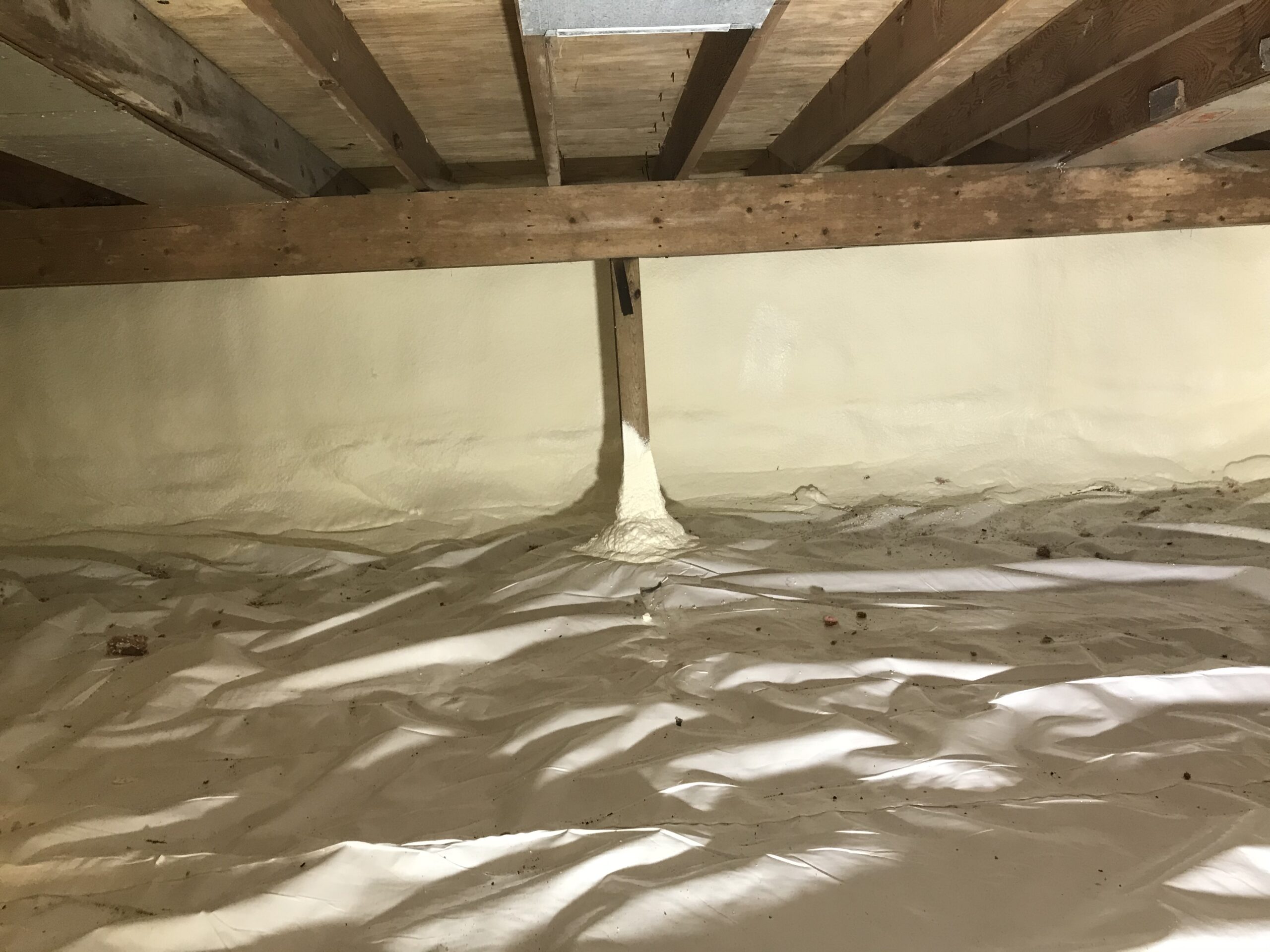
We’ve installed spray foam insulation services across Iowa that directly address these moisture control issues, protecting both your foundation and your wallet. Heat loss from poorly insulated basements and crawl spaces creates temperature differences that pull moisture into the soil. This moisture weakens the earth’s ability to support your concrete, leading to settling and cracking.
Homeowners searching for garage insulation contractors near you are often surprised to learn their concrete issues trace back to these exact spots. Taking action now prevents costly concrete leveling projects in Des Moines down the road.
Weather Extremes and Freeze-Thaw Cycles
Iowa winters hit hard, and your concrete pays the price. Freeze-thaw cycles create a destructive pattern that repeats itself year after year. According to recent climate and building code analyses of Iowa, the state endures roughly 100 to 120 freeze-thaw cycles every single winter. On top of that, the frost line penetrates 42 to 48 inches below the surface. That’s not just a harsh season; that’s a relentless, deep assault on everything beneath your concrete.
Here’s how the damage unfolds. Water seeps into tiny cracks in your concrete foundation. When temperatures drop below freezing, that water expands with tremendous force, pushing outward and widening those cracks. Spring arrives, the ice melts, and moisture infiltration accelerates the damage all over again.
- Concrete expands when warm and contracts when cold.
- Repeated expansion and contraction create stress on the material.
- Over time, this stress causes the surface to settle unevenly, crack, and shift.
- Moisture accumulation speeds up every stage of this process.
Our team at Precision Insulation & Coatings knows that proper home insulation in Iowa directly reduces these temperature swings around your foundation. We control moisture buildup by managing indoor humidity and temperature. This reduces the freeze-thaw damage that causes uneven concrete.
An insulation contractor in Des Moines can evaluate your current protection and identify vulnerable areas. The right insulation strategy keeps your concrete stable and your home’s structural integrity intact for decades to come.
The Role of Proper Insulation in Preventing Concrete Issues
What happens beneath your foundation matters just as much as what sits on top of it. Proper insulation works like a protective shield, controlling moisture and temperature swings that would otherwise wreak havoc on your concrete’s stability.
Stabilizing Soil Beneath Concrete
Soil movement is the silent enemy of concrete slabs across Iowa. We’ve observed countless driveways, patios, and foundations crack because the ground underneath shifts and settles unevenly. Proper insulation works like an anchor for the soil. It controls moisture levels and temperature swings that cause expansion and contraction.
When we install spray foam insulation or fiberglass insulation around foundation perimeters, we create a thermal barrier that protects the earth from extreme weather. This protection prevents the freeze-thaw cycles that Iowa winters throw at us, which would otherwise heave and settle the soil repeatedly.
Houses with inadequate insulation suffer from concrete problems far more often than well-insulated homes. The ground beneath uninsulated foundations absorbs water during spring thaws and loses it during dry summers, creating a back-and-forth effect that destabilizes everything above it.
A quality insulation contractor in Des Moines can assess your home’s vulnerable areas and recommend solutions specific to Iowa’s climate. Here’s what stable, well-protected soil means for your property:
- Concrete surfaces stay level year-round.
- Foundation edges don’t shift or crack with seasonal changes.
- Crawl spaces and basements stay significantly drier.
- Repair bills stay manageable instead of spiraling into large projects.
Whether you’re exploring spray foam insulation cost 2026 options or other approaches, investing in foundation protection now saves thousands in concrete repairs later.
Reducing Moisture Accumulation
Moisture loves to hide beneath your concrete, and that’s exactly where proper insulation saves the day. We see this problem constantly in Des Moines homes and across Iowa. Water seeps down from rain, snow, and ground moisture, then gets trapped under concrete slabs.
Based on 2026 structural assessments of Iowa’s climate and building conditions, the spring thaw is the most dangerous time of year for this. Iowa’s average of 30 to 40 inches of seasonal snowfall melts rapidly, creating intense hydrostatic pressure against foundations.
Because the deeper subsoil is still frozen and can’t drain that water, it has nowhere to go except against your foundation walls and under your slabs. This trapped moisture causes the soil to shift and swell, which pushes your concrete up and down. Insulation acts like a protective barrier, keeping moisture from pooling underneath your foundation.
Here’s what happens without good insulation:
- Moisture accumulates beneath slabs and around foundation edges.
- The soil expands and contracts with every temperature change.
- Your concrete follows along, settling and cracking with each cycle.
- The damage compounds season after season with no relief.
We install spray foam insulation and other materials that repel water and reduce moisture penetration around your foundation. These barriers work to keep groundwater from reaching the soil beneath your concrete. Less moisture means more stable soil, and stable soil means your concrete stays put instead of settling unevenly.
The real payoff shows over time. Homes with proper insulation experience far fewer concrete problems than those without it. Moisture doesn’t just disappear; it needs somewhere to go, and insulation redirects it away from critical areas. Your concrete stays flatter, your foundation stays stronger, and your wallet stays fuller because you’re avoiding expensive repairs down the road.
Minimizing Temperature Fluctuations
Controlling moisture is just the first step. Temperature swings create real, lasting damage to your concrete foundation. Iowa winters plunge below freezing, and summers heat up fast. This constant back-and-forth makes concrete expand and contract repeatedly. Over time, this movement causes cracks, settling, and uneven surfaces that cost serious money to repair.
Proper insulation reduces heat loss, which means your home stays at a more consistent temperature year-round. When homeowners install quality spray foam insulation or fiberglass insulation in their crawl spaces and basements, the ground beneath their concrete stays more stable.
We’ve installed countless attic upgrades and energy efficiency improvements that do double duty: they keep homes comfortable and protect concrete from damage. Installation of insulation also lowers energy bills, but the real payoff is protecting your foundation from these temperature swings.
Concrete that stays protected from extreme temperature changes lasts decades longer without major repairs. The soil underneath doesn’t shift as dramatically, your basement stays drier, and your foundation stays stronger.
Benefits of Insulating Your Home to Protect Concrete
When you insulate your home properly, the concrete around your foundation stays stable and protected from Iowa’s harsh weather patterns. Your foundation will last longer, cost you less in repairs, and keep your entire home safer and more structurally sound.
Improved Durability of Concrete Surfaces
Proper insulation prevents heat loss from your home, which directly strengthens concrete durability on foundations and exterior surfaces. Iowa’s harsh winters and unpredictable temperature swings create stress on concrete structures, causing cracks and uneven settling over time.
Spray foam and fiberglass insulation boost thermal performance, meaning your concrete surfaces experience fewer extreme temperature fluctuations. Less movement equals less damage. Concrete expands and contracts with temperature changes, so reducing how much that temperature shifts keeps your concrete from taking the same beating season after season.
Here’s the chain reaction that proper insulation breaks:
- Temperature swings cause concrete to expand and contract repeatedly.
- This expansion and contraction create stress fractures over time.
- Stress fractures let moisture in, which freezes and widens them further.
- Each Iowa winter advances this damage a little more without protection.
Well-insulated homes also contribute to lower energy bills. That thermal consistency indirectly supports concrete integrity by reducing the freeze-thaw cycles that crack and heave concrete surfaces.
Precision Insulation & Coatings offers on-site insulation estimates to assess concrete protection needs specific to each property’s situation. Our insulation solutions are customized to Iowa’s climate, preventing uneven concrete and extending the lifespan of these critical structural elements.
Reduced Repair Costs Over Time
Concrete damage happens fast in Iowa. Freeze-thaw cycles crack foundations, soil shifts create uneven surfaces, and moisture seeps into every gap. These problems drain your wallet quickly. Proper insulation stops this cycle before it starts. Maintaining consistent temperatures around your foundation reduces the stress that causes concrete to crack and settle unevenly. This preventative approach means you avoid expensive repairs down the road.
According to 2026 pricing data from local Des Moines contractors, installing spray foam insulation in Iowa costs an average of $1.50 to $5.00 per square foot. Compare that to reactive concrete leveling, which runs $3 to $10 per square foot, or full slab replacements that routinely exceed $8 to $15 per square foot. The numbers make a compelling case for getting ahead of the problem rather than reacting to it.
| Service | 2026 Cost Per Square Foot | Approach |
| Spray foam insulation (Iowa) | $1.50 to $5.00 | Preventative |
| Concrete leveling (Des Moines) | $3 to $10 | Reactive |
| Full slab replacement | $8 to $15+ | Reactive |
Quality insulation solutions extend the lifespan of concrete structures, keeping them stable for decades. Lower energy bills from improved insulation also free up funds for home repairs when you truly need them.
Enhanced Home Safety and Structural Integrity
Saving money on repairs today means protecting your home’s foundation tomorrow. Homes with proper insulation maintain stable concrete surfaces for decades, and that stability has a direct impact on your family’s safety. Uneven concrete creates safety hazards, tripping risks, and water infiltration problems that cost thousands to fix.
Insulation retrofits prevent these issues before they start, protecting home safety from the ground up. Freeze-thaw cycles crack foundations and shift slabs when moisture seeps underneath. Proper insulation reduces heat loss, keeps soil temperatures stable, and prevents moisture-related damage to concrete.
Shifting ground causes uneven surfaces that compromise your entire home’s structural integrity, so stability below the surface is what protects everything above it.
- Stable soil prevents slabs from heaving and cracking.
- Moisture barriers keep water from weakening the ground beneath concrete.
- Consistent soil temperatures reduce freeze-thaw stress on foundations.
- Well-insulated homes require fewer costly structural repairs over time.
Your family’s safety depends on solid ground beneath your feet. Our insulation solutions improve structural integrity by controlling the environment beneath your foundation, not just above it.
We offer free on-site insulation estimates so you can make informed decisions about your home’s protection. Taking action now means your concrete stays level, your foundation stays strong, and your home stays safe for years ahead.
Conclusion
Protecting your Iowa home’s concrete foundation starts with one smart decision: proper insulation. Temperature swings and moisture damage create those frustrating cracks and uneven surfaces that so many Iowa homeowners deal with every year.
By installing spray foam or fiberglass insulation, adding attic air sealing, and addressing garage insulation, you stabilize the soil beneath your foundation and keep concrete temperatures consistent year-round. For property owners exploring concrete leveling Des Moines options, getting ahead of the root cause is always the smarter, more affordable path.
Contact Precision Insulation & Coatings today. Let our Iowa building science experts protect what matters most.
FAQs
1. How does proper insulation prevent uneven concrete in Iowa homes?
We install rigid foam board insulation beneath concrete slabs to maintain stable ground temperatures year-round. This prevents the freeze-thaw cycles that cause soil to heave by up to 9% in volume, keeping your concrete level and crack-free.
2. Why does Iowa’s cold weather cause concrete to become uneven?
Iowa’s frost can penetrate up to 48 inches deep into unprotected ground during winter. When moisture in the soil freezes, it expands and pushes concrete upward, and when it thaws, the soil contracts and leaves voids beneath the slab. This repeated cycle is what creates the cracks and uneven surfaces we repair throughout Iowa.
3. What type of insulation works best under concrete slabs in Iowa?
We recommend extruded polystyrene (XPS) rigid foam with an R-value of at least R-10 for under-slab applications. This closed-cell foam resists moisture and blocks frost from penetrating to the soil beneath your concrete.
4. Can adding insulation fix already uneven concrete in Iowa homes?
No, insulation prevents future problems, but cannot fix concrete that has already settled or heaved. We recommend leveling methods like polyurethane foam injection first, then adding proper insulation to prevent the issue from recurring.