Iowa has a humid continental climate. One week it’s 95 degrees. Two weeks later, frost hits the lawn. This variation in temperature wreaks havoc on roofs, energy bills, attics, and most importantly, your patience.
So, what can you do to resolve this problem? The answer is very simple. Hire a good roof coating contractor in Iowa who will help you overcome this situation. In the challenging climate of the state, the right insulation and roof coatings can make a difference in comfort and savings.
In this blog, we will discuss why Iowa’s temperature hits hard on roofs and what measures you can take to reduce it. So, let’s begin!
Iowa’s Temperature Whiplash Is Harder On Roofs Than You Think
The temperature in Des Moines can rise to 40 degrees in shoulder seasons. You may think that these variations are rare, but reality is the opposite. They are very common. Roofing materials expand when hot and contract when cold. If this fluctuation happens daily, materials will degrade fast.
Without proper insulation, your attic amplifies every minor swing outside. In summers, heat will pool under your deck, and in winters, cold will seep straight into your living room. There’s nothing in between that reduces the transfer of heat in either direction.
There are a few stressors that wreak havoc on Iowa’s roofs. These are discussed as follows:
- Rapid freeze-thaw cycles that crack sealants and flashing
- Ice dams form when heat escapes unevenly through the roof
- UV exposure to baking shingles during long, humid summer stretches
- Wind-driven rain testing every seam and vent boot
- Attic condensation from poor airflow and heat buildup
Without insulation as a buffer zone, any of these problems can become worse. This is the primary reason why insulation companies in Des Moines treat attics on the basis of priority. And if you skip the insulation part, you are not aware of the fact that you are creating a blunder. With it, you are not just losing heat, but you are accelerating roof failure by years.
And if you think that insulation is costly, then go to the market and do deep research on the prices of full roof replacements. You will get your answer. The earlier you catch the problem, the less damage it will cause.
What Actually Works: Insulation, Coatings, And Smart Sealing
Now, the question arises: how to fix this problem? Will one type of material be effective? The answer is that you need to choose different materials for different areas because of the layered approach of Iowa’s climate. Begin the process with the attic floor, as proper R-value insulation there slows heat transfer considerably.
You know the strange fact? A large number of older homes in Iowa are under-insulated, sometimes by half of what’s recommended today. But spray foam is changing the equation. A spray foam insulation company Iowa crews trust can seal gaps batts simply can’t reach.
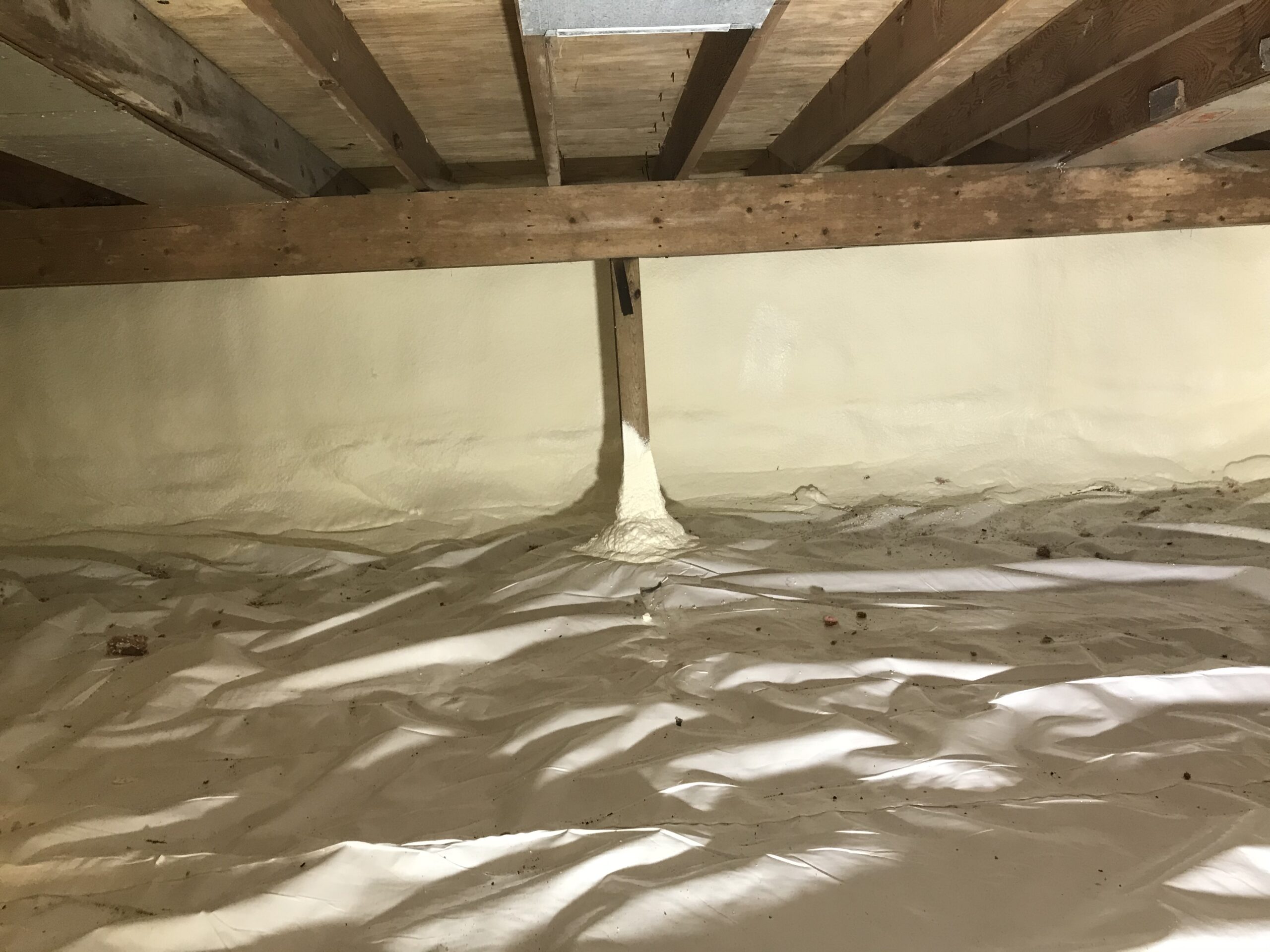
Foam expands into cracks, around wiring, and along the roofline itself. That seals out both heat and moisture. It also stops air leaks that batts alone never touch. Air leakage, not just poor R-value, drives most energy loss.
Homeowners comparing options often ask which spray foam insulation company Iowa crews recommend for older homes. The honest answer: look for teams that test airflow before quoting a price. Guessing at coverage leads to gaps later. Measured, tested applications hold up far longer. That matters most around chimneys, vent stacks, and recessed lighting. Those spots leak heat faster than an open attic floor ever does.
Next comes the roof surface itself. This is where coatings matter. A reflective roof coating bounces summer sun away instead of absorbing it. That single layer can drop attic temperatures noticeably.
Here’s a simple breakdown homeowners can follow:
- Inspect the attic for gaps, moisture, and existing insulation depth.
- Add or upgrade insulation to meet Iowa’s recommended R-value.
- Seal air leaks around vents, wiring, and the attic hatch
- Apply a protective coating suited for temperature extremes
- Schedule a follow-up inspection before winter hits
Garages need the same attention, honestly. An insulated garage, if forgotten, becomes a weak thermal link. Uninsulated garages leak heat into attached living spaces constantly. Fixing that closes one more gap in the home’s defense.
An insulated garage Iowa families rely on through winter also protects vehicles, tools, and stored belongings from freeze damage. Coatings matter beyond the attic, too. A reliable roof coating contractor will match material to climate, not just budget.
The Mistakes That Undo All That Work
It has been seen that most of the best insulation plans fail when attention is not paid to a few details. The common types of mistakes are discussed below:
- Insulating the attic floor but ignoring roof deck ventilation
- Choosing the cheapest coating instead of the right one
- Skipping moisture barriers in humid crawlspaces and attics
- Ignoring small roof leaks until they become structural problems
- Assuming metal roofs don’t need the same insulation attention
You know what? Plenty of homeowners get deceived by the last point. Contrary to their perception, metal roofs need the same insulation attention, and they handle swings differently than shingles. They expand and contract faster, actually. Fasteners loosen, and seams separate without proper detailing.
In this situation, metal roof repair becomes an urgent call instead of routine maintenance. Small issues turn into leaks fast on metal systems. And waiting too long only compounds the damage. After a hard freeze, the search for metal roof repair in Des Moines usually increases because small gaps expand into large ones.
Another common mistake is the complete neglect of proper ventilation. Insulation without airflow traps moisture instead of blocking it. And that trapped moisture rots decking from the inside. You won’t see it until ceilings stain or shingles buckle.
Apart from this, treating waterproofing as separate from insulation is a major blunder committed by homeowners. They work better when they are combined together. Ensure that the waterproofing contractor you hire evaluates both moisture control and thermal performance.
Getting This Right Protects More Than Your Roof
Iowa’s climate isn’t changing its habits anytime soon. Fluctuations of 30, 40, or 50 degrees will continue to happen. Homes built to absorb that stress last longer. They also cost less to heat and cool every year.
Insulation is the foundation of that resilience. Generally, people take it as a glamorous job, but it’s not; rather, it is structural. If you combine it with the right coating, proper ventilation, and sealed gaps, you will find out that it handles Iowa’s extremes far better than any single fix. A qualified roof coating contractor Iowa homeowners choose should look at the whole system.
That’s why people trust Precision Insulation and Coatings, because we make sure that your property is protected and its value is increased. Our team of certified roof coating contractors will treat your home or business with the utmost care. We are committed to providing you with the best advice tailored to your property’s needs. Reach out to us for a free insulation estimate now!
Frequently Asked Questions
Q1. How often should Iowa homeowners inspect roof insulation?
Twice each year works best, ideally before summer heat and before winter cold. Catching thin spots or moisture early prevents bigger problems. Seasonal swings stress insulation fast, so regular checks matter more here than in milder climates.
Q2. Does spray foam work better than fiberglass batts in Iowa?
Spray foam seals gaps batts can’t reach, blocking air leaks completely. It handles Iowa’s freeze-thaw cycles better overall. Batts cost less upfront, but foam often saves more on energy bills long-term.
Q3. Can roof coatings really lower attic temperatures?
Yes, reflective coatings bounce sunlight instead of absorbing it. Attics under coated roofs often run noticeably cooler in summer. That reduces AC strain and slows material fatigue from constant heat exposure.
Q4. Do metal roofs need different insulation than shingle roofs?
Metal roofs expand and contract faster than shingles do. They need proper venting and flashing details to handle that movement. Skipping this leads to loosened fasteners and leaks around seams over time.
Q5. Is garage insulation really worth the cost in Iowa?
Uninsulated garages leak heat into attached homes constantly. Insulating them closes a major thermal gap. Most homeowners notice lower energy bills and more stable indoor temperatures within one season.