Is your Iowa business spending more than it should on heating and cooling every month? Chances are, your building is leaking conditioned air right now, and you’re paying for every bit of it.
The fix is simpler than you might think. Spray foam insulation seals those leaks, cuts energy waste, and helps your business meet today’s strict efficiency standards, all while saving you thousands of dollars over time.
At Precision Insulation & Coatings, we’ve worked on job sites across Iowa and seen what proper insulation can do. Let’s walk through how spray foam works, which type fits your building, and what kind of savings you can realistically expect.
Understanding Spray Foam Insulation for Iowa Businesses
Businesses across Iowa are turning to spray foam insulation to cut energy bills and meet strict efficiency standards. According to the Iowa League of Cities and state building code guidelines, commercial construction and renovations must comply with the International Energy Conservation Code (IECC) and ASHRAE 90.1 thermal envelope standards. Knowing these requirements puts you ahead of most building owners before a project even starts.
Overview of Spray Foam Insulation
Foam insulation comes in two main forms, and each one performs differently in your building. Open-cell spray foam creates a softer, more flexible material. It allows some air and moisture to pass through, making it a good fit for interior walls where moisture isn’t a top concern. Closed-cell spray foam forms a dense, rigid barrier that blocks both air and water.
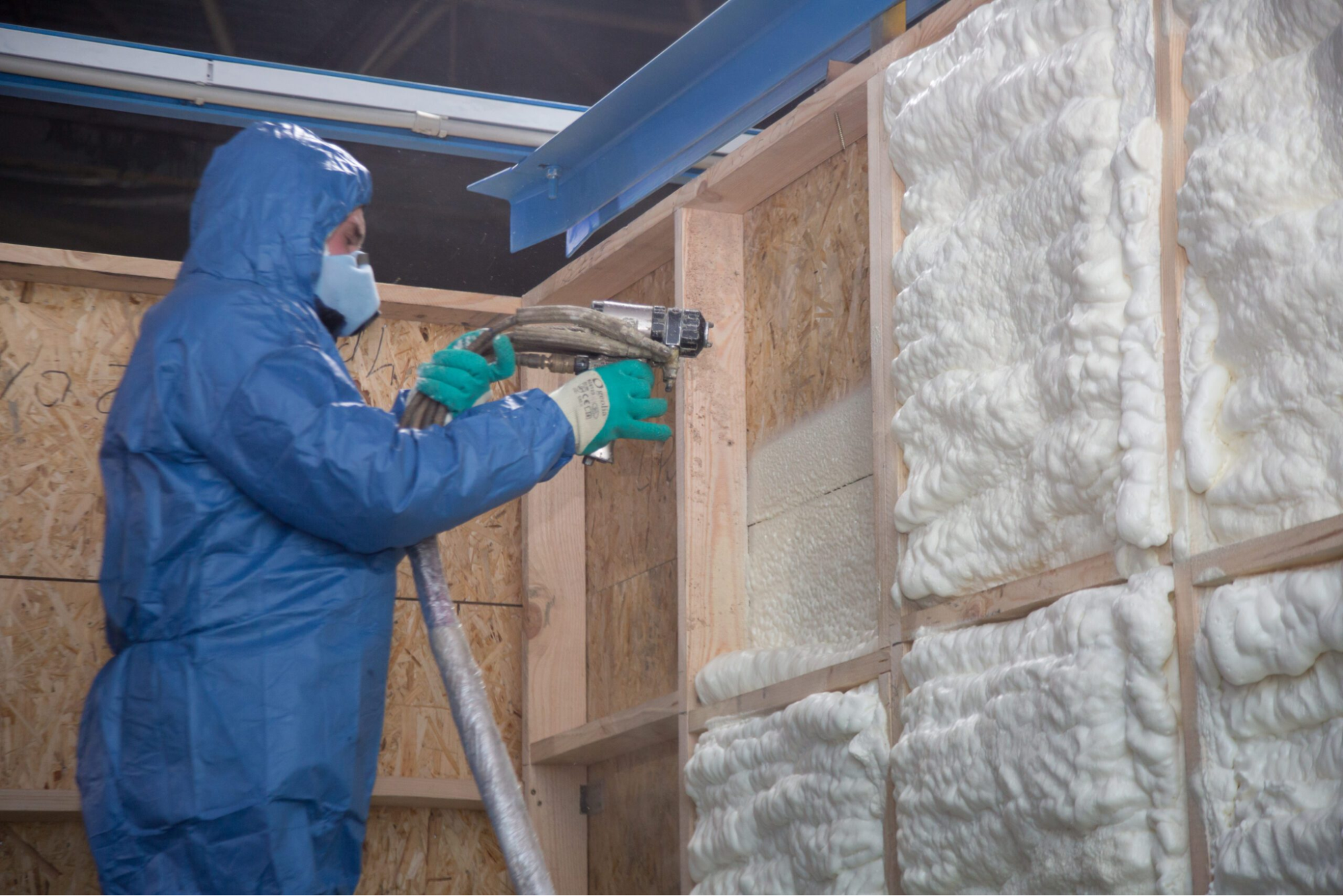
Our team applies these materials directly to your walls, attics, and crawl spaces using specialized equipment. The foam expands as it cures, filling every crack and gap in your structure. That expansion is what makes spray foam so effective at stopping air leaks that traditional fiberglass simply cannot reach.
Based on Iowa climate data from Britannica, the state sees January average lows drop to 14°F while July average highs climb into the upper 80s with high humidity. That’s a punishing range for any building envelope to handle. Standard fiberglass insulation struggles to keep up with swings that are dramatic.
Closed-cell foam provides superior thermal resistance, so your heating and cooling systems work less hard to maintain comfortable indoor temperatures. Open-cell foam delivers excellent sound dampening and strong insulation performance at a lower price point. Spray foam insulation isn’t just about staying warm or cool; it’s about building science working in your favor every single day.
What is Spray Foam Insulation?
Spray foam insulation works like a liquid sealant that hardens into a protective barrier inside your walls, attics, and crawl spaces. Two liquid components mix and expand to fill every crack, crevice, and gap in your building. This expansion creates an airtight seal that stops heat from escaping during Iowa’s brutal winters. The material hardens within minutes, forming a solid insulation layer that reduces heat loss and improves indoor comfort throughout your property.
- Closed-cell foam: Higher density and superior moisture resistance, ideal for basements and areas prone to dampness.
- Open-cell foam: Lower cost with great performance for interior walls where moisture isn’t a primary concern.
Both types follow building science principles to improve long-term energy efficiency and lower your energy bills. We’ve watched this material transform how businesses manage heating and cooling costs across Iowa.
The foam adheres directly to surfaces, eliminating the air gaps that plague traditional insulation. That means you won’t see settling or compression over time. If you’re searching for insulation contractors near me, spray foam is a smart investment. It delivers through reduced utility expenses and better temperature control year after year.
Energy Efficiency Benefits of Spray Foam Insulation
Reduced Energy Consumption
Your energy bills climb when heat escapes through walls, ceilings, and crawl spaces. Spray foam insulation seals air leaks that traditional insulation misses, cutting heat loss significantly. The math is simple: less heat loss equals less energy consumed. Your HVAC equipment doesn’t strain to compensate for escaped air, so it runs more efficiently and lasts longer.
Open-cell and closed-cell options both deliver impressive results, though closed-cell foam provides superior thermal performance for maximum savings. Our clients often see energy costs drop by 20 to 30 percent within the first year. A free on-site insulation estimate from our team identifies exactly where your building loses energy, showing you the potential savings specific to your structure.
Enhanced Thermal Performance
Spray foam stops energy drain by sealing air gaps that traditional insulation misses. The material expands to fill every crack and crevice, creating an airtight barrier that standard fiberglass batts simply cannot match.
We apply spray foam using building science principles that account for Iowa’s harsh winters and humid summers. Your facility stays warmer in January and cooler in July without overworking your HVAC equipment.
| Insulation Type | R-Value Per Inch | Best Use Case |
| Closed-cell spray foam | R-6 to R-7 | Exterior walls, basements, high-moisture areas |
| Open-cell spray foam | R-3.6 to R-3.8 | Interior walls, attics, sound-dampening |
According to the 2026 spray foam industry specifications, open-cell spray foam provides an R-value of approximately R-3.6 to R-3.8 per inch. Closed-cell foam delivers approximately R-6 to R-7 per inch. That side-by-side comparison makes it easy to choose the right option for your building. Open-cell foam offers flexibility for applications where moisture management matters most.
Both types contribute to long-term energy efficiency by keeping consistent indoor temperatures throughout the year. Your employees work in comfortable spaces, and your energy bills drop each month noticeably. Insulation retrofits for existing structures transform aging buildings into energy-efficient operations.
Spray Foam Insulation Services for Businesses
Commercial spray foam insulation services take thermal performance to the next level by sealing every crack and gap in your structure. Precision Insulation & Coatings applies building science principles that stop heat from escaping through walls, attics, and foundations. This application method creates an air barrier that works harder than traditional insulation materials.
Your facility stays warmer in winter and cooler in summer, so your HVAC system doesn’t have to strain as much. We offer two spray foam options for commercial projects:
- Open-cell spray foam: Works well for interior applications where moisture control is less critical.
- Closed-cell spray foam: Delivers superior protection in demanding environments with high moisture exposure.
Both types seal air leaks that standard fiberglass batts simply cannot reach. The company delivers these services for new construction projects and retrofitting existing buildings across Iowa. Businesses benefit from free on-site insulation estimates that show exactly what spray foam can accomplish for your property. Attic air sealing and thermal barrier improvements reduce your energy consumption significantly.
Types of Spray Foam Insulation for Commercial Applications
Your business needs the right spray foam type to match your building’s specific demands. Iowa’s temperature swings and moisture levels make this choice important for long-term performance.
Open-Cell Spray Foam
Open-cell spray foam is a practical choice for Iowa businesses looking to cut energy costs. This material features tiny air pockets that let it expand and fill gaps throughout your walls, attics, and crawl spaces. The foam creates an effective air seal that stops heat from escaping during winter and keeps cool air inside during summer.
Our job site experience shows that businesses reduce heat loss significantly after installation. Here’s what makes open-cell foam a strong fit for many commercial buildings:
- Expands to fill irregular gaps and hard-to-reach voids.
- Improves HVAC performance by reducing the load on your equipment.
- Works well for interior walls, attics, and sound-sensitive spaces.
- Adheres directly to surfaces without settling or compressing over time.
Retrofitting your current facility transforms how your HVAC system performs. It no longer fights to heat or cool spaces with poor thermal barriers. Open-cell foam hardens into a protective layer that lasts for decades once applied.
We offer free on-site insulation estimates so you can see exactly how much energy savings your property could achieve. Many Iowa business owners find their investment pays back within just a few years through reduced utility expenses.
Closed-Cell Spray Foam
Closed-cell spray foam is a powerhouse solution for commercial spaces in Iowa. This dense insulation material expands less than its open-cell counterpart, creating a tight barrier that stops heat from escaping your building. We apply closed-cell spray foam using building science principles. The material hardens into a solid layer, providing structural support while it insulates.
Your walls gain extra strength, and your energy bills drop noticeably. Most businesses see significant reductions in heating and cooling costs once closed-cell spray foam goes in. Indoor comfort improves across your facility, keeping temperatures stable so your employees work in consistent conditions year-round.
Closed-cell spray foam also resists moisture penetration, protecting your building’s interior from damage and mold growth. According to a 2025 technical evaluation of spray foam materials, closed-cell foam has a dense structure of approximately 2.0 pounds per cubic foot and functions as a Class II vapor retarder, making it effectively impermeable to water. That’s the building science reason it performs so well against Iowa’s humid summers.
Your HVAC system works less hard, which extends its lifespan and reduces maintenance headaches. These benefits add up quickly when you calculate your annual savings. Getting started takes just one step. Our contractors assess your specific needs, measure your spaces, and recommend the right application strategy. You’ll receive a clear estimate with no surprises or hidden costs.
Choosing a Commercial Insulation Contractor in Iowa
You need someone who knows Iowa’s climate and building codes inside and out. A qualified contractor brings the right equipment, training, and local expertise to get your project done correctly the first time.
Commercial Insulation Contractors in Iowa
Selecting the right commercial insulation contractor in Iowa makes all the difference for your energy goals. We bring real-world job site experience and solid building science principles to every project across the state. The team specializes in spray foam insulation, blown-in fiberglass insulation, and large-scale commercial projects that actually deliver results.
Your facility gets a free on-site estimate, so there’s no guessing about what your building needs to meet efficiency standards. Finding a contractor who truly understands spray foam insulation services for businesses separates successful projects from average ones.
We handle attic insulation upgrades, garage insulation, and large-scale commercial applications with equal care and attention. Licensed professionals apply closed-cell spray foam, open-cell spray foam, and dense-pack fiberglass insulation correctly the first time. This expertise translates directly into long-term energy efficiency gains that protect your investment for years to come.
- Local code knowledge: Familiarity with Iowa’s IECC and ASHRAE 90.1 requirements keeps your project compliant.
- Proven materials: Access to both open-cell and closed-cell foam for any commercial application.
- Free estimates: No guesswork or surprise costs before the project starts.
- Full-service coverage: Support for new construction and retrofits across Iowa.
Cost Savings and Long-term Value for Businesses
Your bottom line improves quickly when you invest in spray foam insulation. Lower energy bills result from better insulation, and those savings build year after year. Many Iowa business owners report cutting heating and cooling costs by 20 to 30 percent after installation. Your facility stays warmer in winter and cooler in summer, so your HVAC system works less hard. That reduced strain means fewer repair calls and a longer equipment lifespan.
According to lifespan data from insulation professionals, traditional fiberglass insulation typically requires replacement every 15 to 20 years due to sagging and settling. Properly installed spray foam can last 80 years or more without degrading. That difference in longevity makes spray foam a far stronger long-term investment, even with a higher upfront cost.
| Factor | Spray Foam Insulation | Traditional Fiberglass |
| Lifespan | 80+ years | 15-20 years |
| Air sealing | Airtight barrier | Gaps remain |
| Energy savings | 20-30% reduction | Minimal |
| Moisture resistance | Excellent (closed-cell) | Poor |
A free on-site insulation estimate helps you calculate exactly how much money you’ll save over time. The investment pays for itself, often within five to seven years, leaving you with pure savings after that. Your employees perform better when they work in comfortable spaces. Insulation retrofits improve existing buildings without major disruption to daily operations.
Better indoor comfort leads to improved productivity, and that boost shows up in your business metrics. Spray foam insulation services seal air leaks that traditional materials miss, creating consistent temperatures throughout your workspace. You avoid those frustrating hot spots and cold zones. Your property also becomes more attractive to tenants and buyers, since everyone wants lower utility bills and reliable climate control.
Conclusion
Spray foam insulation gives Iowa businesses a clear path to meeting energy efficiency standards while cutting operational costs. Precision Insulation & Coatings brings building science expertise and proven spray foam solutions directly to your commercial space.
Getting a free on-site estimate takes just one call, and that assessment shows exactly where your building loses energy and how much you’ll save. Better insulation means lower utility bills, improved comfort for your team, and compliance with modern efficiency requirements. Make the smart move today, and watch your business run at peak energy efficiency tomorrow.
FAQs
1. How does spray foam insulation help Iowa businesses meet energy efficiency standards?
Spray foam insulation seals air leaks and reduces heat loss, helping buildings use less energy. We’ve found that commercial buildings with spray foam achieve R-values of 6.0 to 7.0 per inch, which typically exceeds Iowa’s energy code requirements.
2. Is spray foam insulation a cost-effective choice for commercial buildings in Iowa?
Yes, it lowers monthly energy bills by cutting heating and cooling waste. Most Iowa businesses we work with see energy cost reductions of 30 to 40 percent, with the installation often paying for itself in five to seven years.
3. Does spray foam insulation work well in Iowa’s harsh winters?
It creates an airtight seal that performs consistently even when temperatures drop below zero, keeping indoor spaces comfortable without overworking your HVAC system.
4. Can spray foam insulation improve a building’s air quality?
Yes, it blocks moisture, dust, and outdoor pollutants from entering the building. Because spray foam acts as both an air barrier and a moisture barrier, it prevents the condensation that leads to mold growth. This keeps indoor air cleaner and healthier for everyone inside.