Stuffy air, sneezing, and a faint musty smell can feel confusing. The culprit is often leaky insulation that lets in dust, pollen, and even mold spores. Strong indoor air quality insulation changes that by sealing the shell of your home.
Many houses still have gaps in walls and attics where irritants slip through. This guide shows how spray foam insulation services help block moisture, allergens, and pests. You will also see why it can be the best insulation for allergies in many homes.
Want easier breathing at home? Keep reading.
The Role of Insulation in Indoor Air Quality
Good insulation acts like a shield between you and outdoor irritants. When the barrier is tight, your rooms feel calmer and cleaner. People with asthma or pollen allergies can notice the difference fast.
Creating a Barrier Against Pollutants
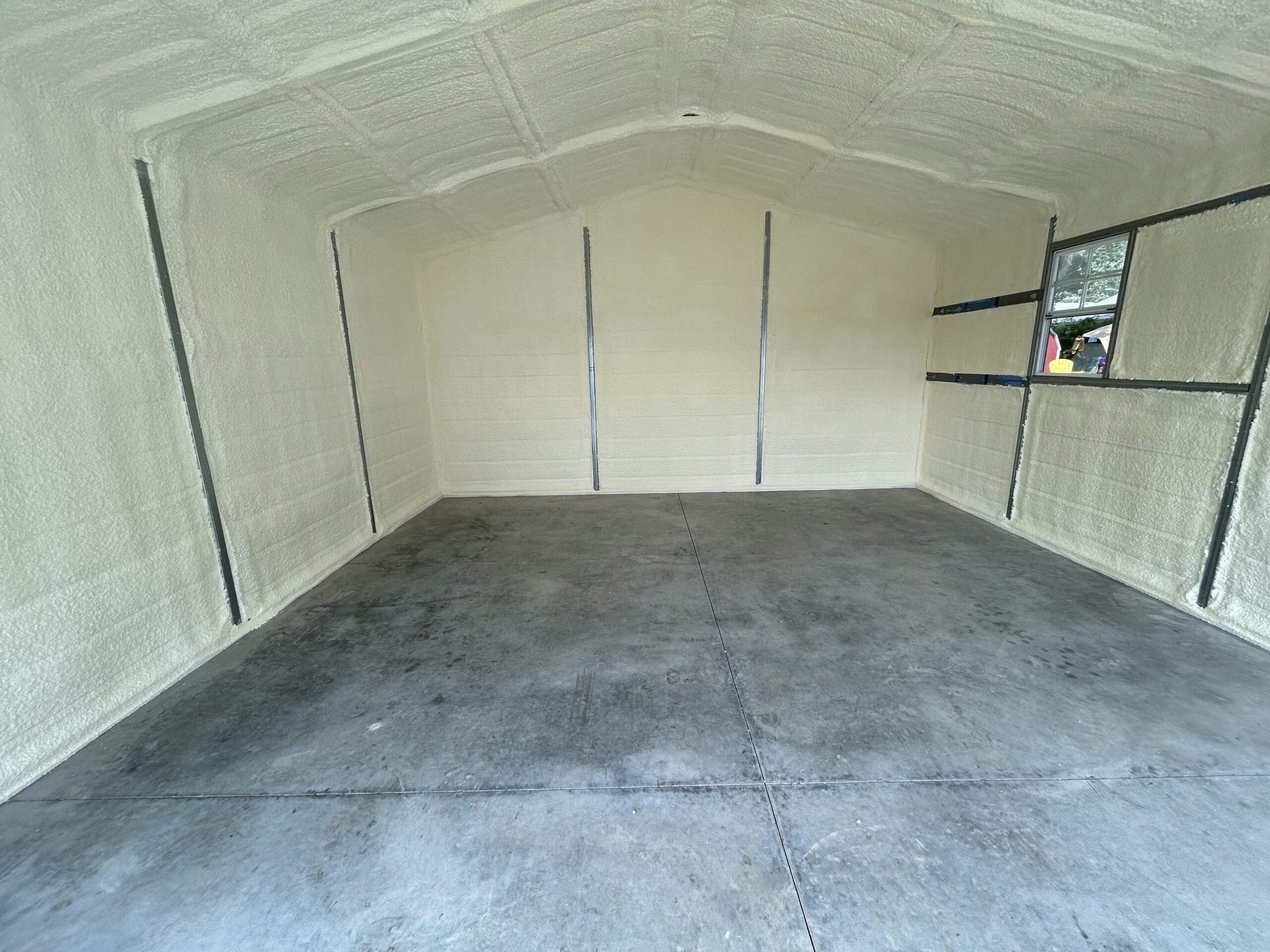
Spray foam expands to fill tiny gaps in walls, floors, and ceilings. That seal makes it hard for outdoor pollution to slip inside. Soot from traffic, windblown pollen, and street dust hit a solid stop.
Pests also find fewer openings. Mice, roaches, and ants lose their easy paths when the foam closes cracks. For families seeking the best insulation for allergies, this step cuts down airborne particles that stir up symptoms.
Hidden gaps often sit in attics, rim joists, or around outlets. Leaving them open allows dirty air to flow straight into living areas. Sealing these spots keeps out dirt and also blocks pet dander and pest waste.
With fewer invaders at every corner, indoor air stays fresher. Your HVAC filter loads slower, your ducts stay cleaner, and the system runs with less stress.
Reducing Moisture and Mold Risks
Insulation also helps control moisture. Cracks in roofs, walls, or window frames can pull in water. Daily life adds steam too, like showers, cooking pasta on a wet night, or running a dryer.
Extra moisture clings to cool surfaces and can feed mildew. Mold looks ugly, but the bigger risk is the tiny spores it releases. Those bits float in the air and can trigger asthma, allergies, headaches, or skin rashes.
Think of insulation as a raincoat for your home’s frame. It keeps outside dampness out and helps control indoor humidity so water does not condense on walls.
“Moisture is mold’s best friend,” says Dr. Emily Jones of Healthy Homes America.
Experts suggest a pro checkup every couple of years. An inspection can catch thin spots, small leaks, or damaged areas early. Properly installed spray foam for mold prevention blocks humid air from creeping in and limits wet surfaces where germs thrive.
Dry structures also mean fewer rusted pipes and less decay over time. Routine care keeps your insulation working hard, which protects clean air and stops that musty smell before it starts.
How Spray Foam Insulation Enhances Air Quality
Fresh indoor air takes teamwork. Spray foam pairs well with good HVAC filters and a dehumidifier. Together, they help keep your home steady, clean, and comfortable.
Sealing Gaps and Cracks
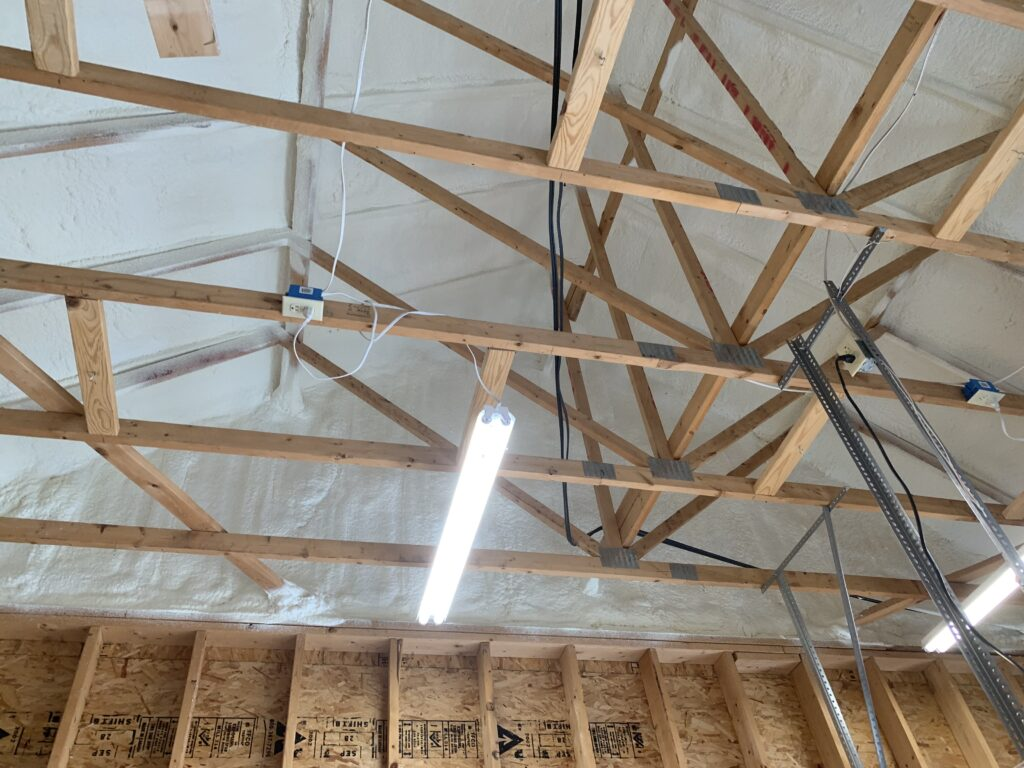
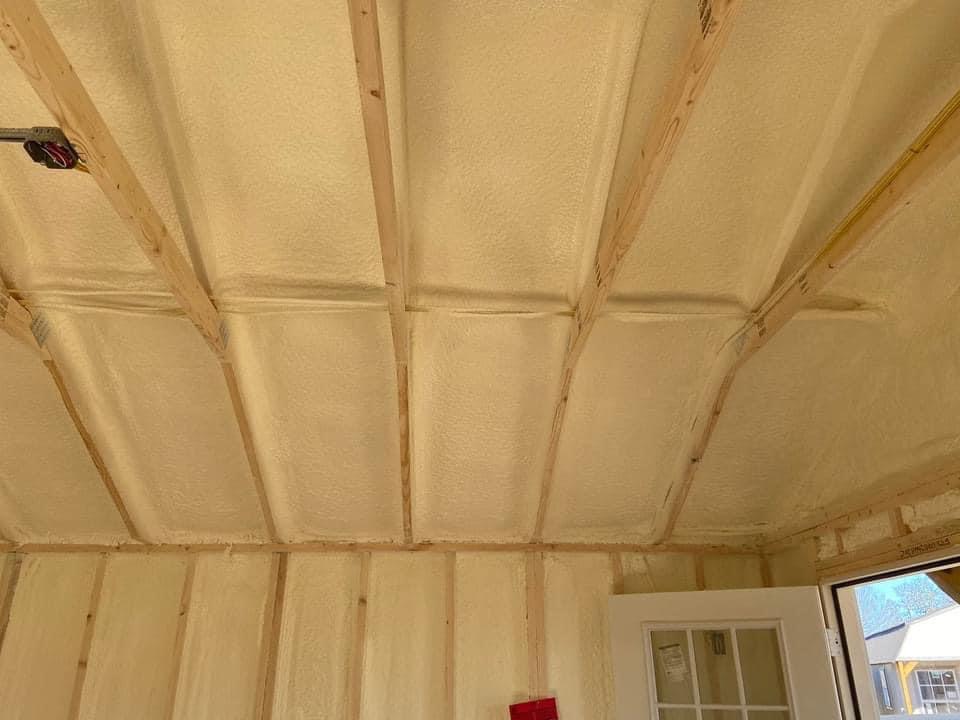
Cracks hide in framing, attic eaves, crawl spaces, and ceilings. Spray foam expands to fill those sneaky spaces fast. Cold drafts stop, and tiny pests hit a dead end.
By shutting down leak points with this expanding barrier, you cut air loss close to zero. Energy stays inside where it belongs, so your HVAC does less work to keep you comfortable.
Skilled installers target every nook where air could slip through. Cleaner air starts here because dust and pollen get held back outside. That means easier breathing and fewer flare-ups for sensitive noses.
Tip: ask your installer to air seal attic penetrations, top plates, and rim joists. These are common trouble spots that many homes miss.
Minimizing Entry of Dust and Allergens
Spray foam forms a tight seal in attics, walls, and crawl spaces. This barrier stops dust, pollen, and other airborne allergens from slipping inside your living space.
The Environmental Protection Agency notes that air leaks are a big cause of indoor pollution. Blocking gaps and cracks keeps outdoor contaminants out. Poor installation or low-grade products may even trap dirt inside cavities, which is why technique matters.
Less dust means fewer sniffles for people with allergies or asthma. Many homes see fewer dust layers on shelves after sealing. A cleaner shell can also reduce how often your HVAC needs to run.
Spray foam acts like armor against pollen and pollution, keeping allergy triggers out where they belong.
Preventing Moisture Buildup
Moisture sneaks in from daily life, like showers, cooking, and laundry. Closed-cell spray foam works as a vapor retarder, which means it slows water vapor movement and limits condensation.
That barrier keeps walls and ceilings dry. Dry surfaces make it hard for mold or mildew to set up a colony. Water damage is costly, so prevention saves money and stress.
Strong moisture control lowers the chance of headaches and breathing issues tied to humidity. Cover leak-prone corners well, such as bath vents and pipe penetrations. Even a steamy bathroom has a tougher time feeding mold when the building shell is tight.
Plan simple checkups each year. A quick look helps the barrier do its job season after season.
Reducing Volatile Organic Compounds (VOCs)
The air itself matters too. Some foams can release volatile organic compounds, called VOCs. Examples include formaldehyde and benzene, which can irritate lungs and eyes.
To lower this risk, choose low or no VOC spray foam. Third-party labels like GREENGUARD Gold make safer choices easier to spot. Most VOCs release during install and curing, so open windows and use fans for a few days to flush the air.
Today’s eco-friendly foam products often have very low emissions after a proper cure. That helps indoor air quality and supports a healthier home.
Additional Benefits of Spray Foam Insulation
Cleaner air is a big win, but spray foam brings more perks. These extras improve comfort and can cut energy costs too.
Improved Ventilation Efficiency
Air leaks force your HVAC to work harder and longer. Sealing cracks with spray foam smooths airflow through the system. Ventilation gear can run smarter with less wear.
Koala Insulation teams often help confirm vents are set up right. A tighter home shell also means less dust in ductwork, so fewer particles ride the air from room to room.
Try these quick wins for cleaner air:
- Replace HVAC filters every 1 to 3 months.
- Vacuum supply and return grilles twice a year.
- Keep furniture clear of vents for steady airflow.
These simple steps support steady temperatures and cleaner breathing all day long.
Consistent Indoor Temperature
Spray foam helps keep rooms at a steady temperature, rain or shine. No more hot spots by windows or cold drafts under doors. The barrier blocks heat loss in winter and heat gain in summer.
Stable temperatures help reduce fatigue and headaches tied to temperature swings. Warm, dry walls also limit condensation, which lowers humidity trouble that can invite mold.
Better sleep gets easier when you are not flipping blankets all night. Clearer thinking is common too, since you are not distracted by sudden chills or stuffy air. Lower energy bills are a nice bonus because your heater and AC do not have to fight wild swings.
If you want help, Koala Insulation offers quick estimates and can explain options based on your home.
Choosing and Installing Spray Foam Insulation
Picking the right product and getting a solid install makes all the difference. A smart plan protects health, comfort, and your budget.
Opt for Low-VOC Spray Foam Products
Low-VOC spray foam helps protect indoor air. Older products sometimes released higher levels of chemicals during install and cure. Low-VOC or water-blown foams cut those emissions by a wide margin.
The EPA notes that lower VOC materials can reduce indoor pollution. Labels like GREENGUARD Gold help you spot safer brands fast. Avoid products with strong chemical smells or vague safety details.
Eco-friendly choices support your family and the environment. You can also ask about barndominium spray foam insulation if you own a metal building or shop. Many of these options align with spray foam for mold prevention goals.
Ensure Proper Installation to Avoid Air Leaks
Air leaks weaken the power of spray foam fast. Missed corners let dust, pollen, and moisture sneak in. That harms indoor air quality and comfort.
Hire trained technicians who air seal before they insulate. Ask for proof of experience and recent reviews. Get a written warranty and proof of insurance in your agreement. Koala Insulation and similar pros can walk you through the plan before work starts.
After installation, schedule a yearly check. Small fixes now prevent bigger problems later, which keeps your clean air barrier strong.
Conclusion
Spray foam insulation acts like a sturdy lock on your home’s air. Sealed gaps block dust, pollen, and moisture, which lowers mold risk and reduces sniffles for your family. Choose low-VOC products to keep chemical levels down and support healthier rooms.
Your HVAC runs smoother, and your home feels steady through the seasons. For guidance, Koala Insulation Birmingham can help match products to your space. With smart indoor air quality insulation choices, clean air becomes a daily habit, not a wish.
Health note: this guide is general information, not medical advice. For symptoms like wheezing or severe allergies, talk to a healthcare pro. For insulation work, use licensed contractors who follow safety rules.
FAQs
1. How does spray foam insulation help improve indoor air quality?
Spray foam seals cracks and gaps that leak outside air. It blocks dust, pollen, and other pollutants and it slows moisture, which makes mold growth harder inside walls.
2. Can spray foam reduce allergens in my home?
Yes. By closing tiny openings where pollen or pet dander could drift through, spray foam helps keep air cleaner for everyone breathing inside.
3. Does using spray foam mean less mold indoors?
Yes. Spray foam creates a moisture barrier that helps stop water leaks and damp spots. Fewer wet areas mean fewer places for mold to grow behind drywall or under floors.
4. Will my house smell fresher with spray foam insulation?
Most people say their homes feel fresher after installing it. Outdoor odors have a harder time getting in, and less moisture means fewer musty smells hanging around.