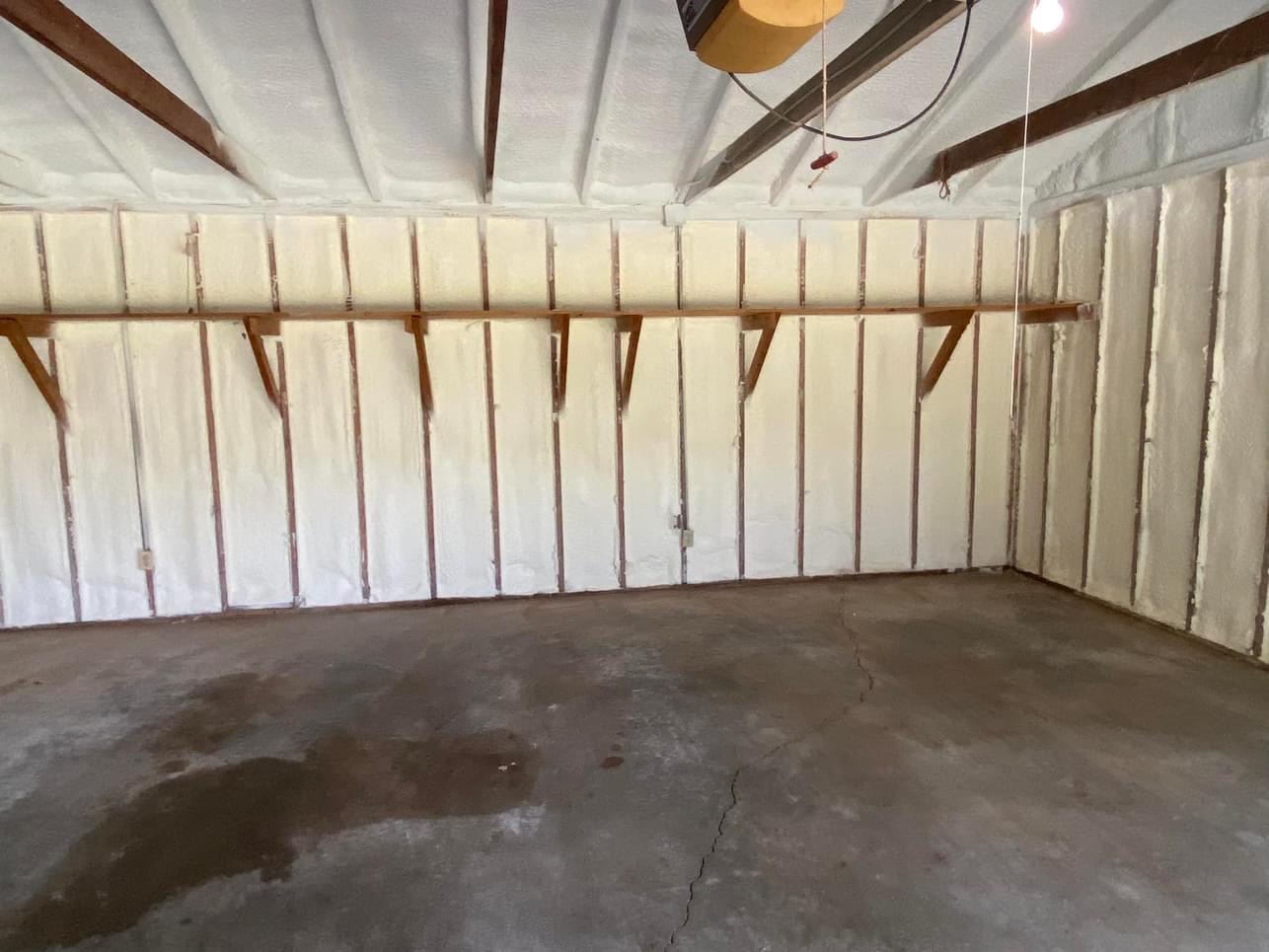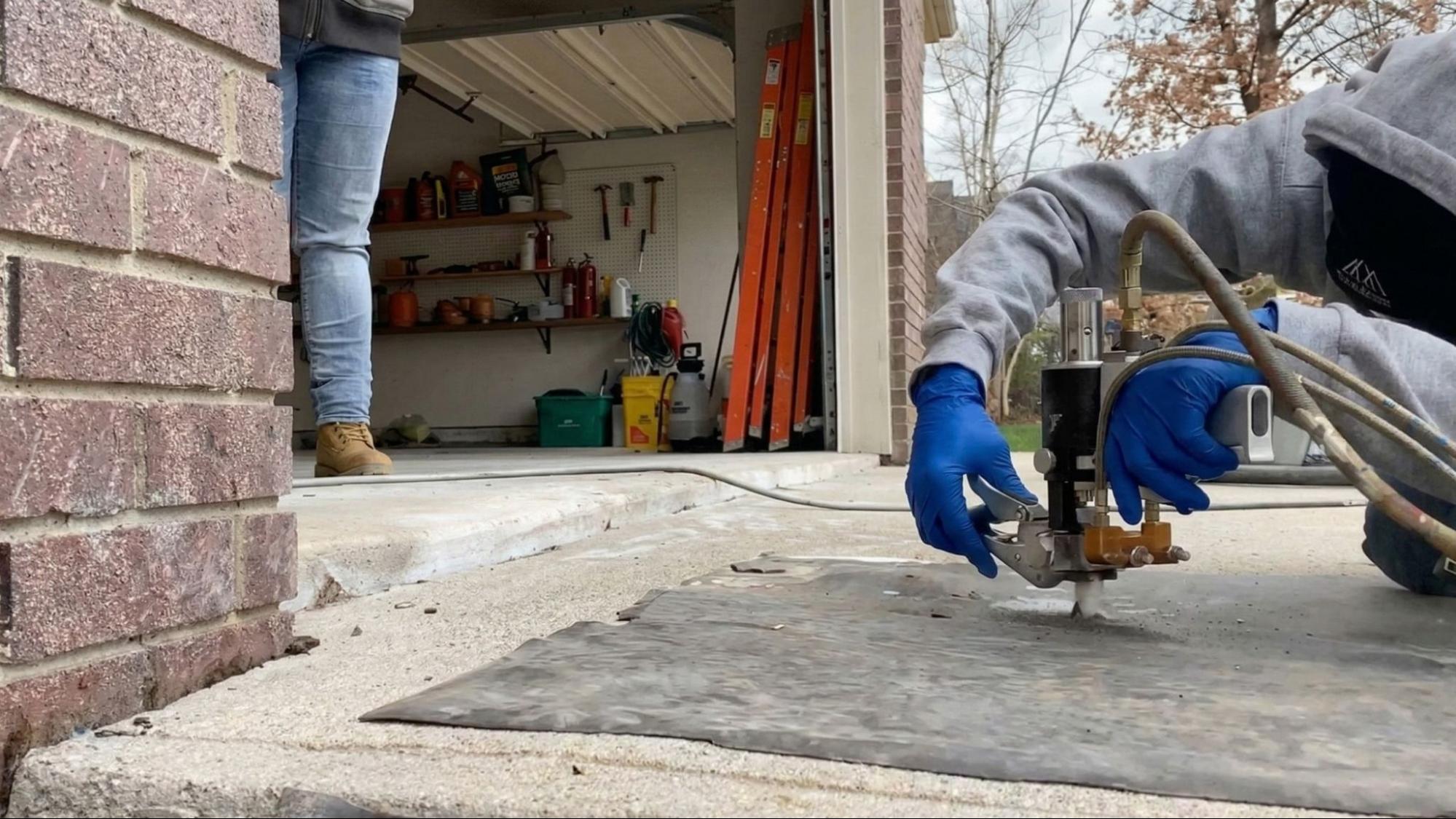
If your attic or crawl space insulation is wet, flattened, pest-contaminated, or hiding air leaks, removing it is often the fastest way to stop the cycle of drafts, odor, and uneven rooms. In many homes, insulation removal in Des Moines, IA, is less about “starting over” and more about making sure your next insulation upgrade actually works.
Most homeowners don’t think about insulation until something feels off: ice dams, cold floors, musty attic smells, or a utility bill that won’t calm down. The mistake is piling new insulation on top of old problems. This guide shows when removal is worth it, when it’s not, how the job should be scoped, and what to do after the old material is out, especially for typical Des Moines–area housing stock and winter conditions.
When Does Insulation In A Des Moines Home Need To Be Removed?
A lot of insulation can stay put and still be improved. The “remove it all” pitch isn’t always necessary. Here’s a simple decision rule:
If insulation is dry, reasonably clean, and not blocking airflow, you may be able to air seal + add insulation without full removal. If insulation is contaminated, wet, or hiding damage, removal is usually the correct first step.
Quick attic check (5 minutes):
- Touch test: If it feels damp or clumps together, that’s not “settling”, that’s a moisture problem.
- Color/smell test: Dark staining, strong odors, or visible debris usually mean the attic needs cleanup before new insulation.
- Pest evidence: Trails, nesting, droppings, or shredded paper-like material in cellulose are red flags.
- Depth mismatch: One side of the attic has “mountains,” and the other is bare, often a sign of wind washing, poor air sealing, or past work done unevenly.
Local factor: Des Moines winters punish small attic bypasses. Warm air escaping into a cold attic can contribute to condensation and ice-dam conditions, so if you’re already opening the attic up, you want removal (when needed) to lead into air sealing, not just a re-blow.
Is It Safe To Diy Attic Insulation Removal, Or Should You Call A Pro?
DIY is sometimes reasonable for small areas of clean fiberglass batts where you can bag material without disturbing the whole attic, and you’re comfortable with PPE and dust control.
Call a professional immediately if any of these are true:
- You suspect vermiculite (often gray-brown pebbly granules). EPA guidance is to assume vermiculite attic insulation may contain asbestos and avoid disturbing it unless using trained professionals/precautions.
- Insulation is wet, moldy, or smells strongly of ammonia/must.
- There’s known pest contamination (droppings/nesting) that needs containment and proper disposal.
Common homeowner mistake: Pulling insulation without isolating the attic hatch and return air pathways, then the whole house smells like attic dust for a week.
How Does Insulation Removal Work?
A good removal job is a controlled demolition, not a leaf-blower rodeo. For insulation removal in Des Moines, IA, your scope should read like a checklist.
Step-by-step (what a clean job usually looks like)
- Assessment & ID: Confirm insulation type(s), depth, access points, and whether there’s any suspect vermiculite.
- Protect the home: Seal the attic hatch, protect floors, and set up dust control so debris doesn’t migrate into the living space.
- Removal method:
- Loose-fill (cellulose/fiberglass): typically vacuumed into bags/containers.
- Batts: bagged and removed by hand (still dusty—still needs containment).
- Debris cleanup: Pull out old boards, trash, and obvious contamination so you’re not sealing problems into the attic.
- Air sealing (the make-or-break step): Seal penetrations at the attic floor so insulation isn’t asked to stop moving air (it can’t). ENERGY STAR explicitly calls out sealing attic air leaks before adding insulation for performance.
- Install-ready prep: Ensure ventilation paths aren’t blocked (baffles/rafter vents where appropriate).
- Verification: Photos, depth markers, and a final walkthrough so you know what changed.
What Does Insulation Removal Cost In Des Moines, Ia, And What Drives The Price?
You’ll see a wide range because most bids aren’t “per house,” they’re “per situation.” The fastest way to estimate your budget is to understand the drivers.
Cost & timeline drivers (simple table)
Driver | What it changes | Real-world example |
Square footage + depth | More material = more labor + disposal | A deep cellulose attic takes longer than a thin top-off |
Access & layout | Tight hatches/low rooflines slow everything | 1920s–1960s rooflines often mean tight working angles |
Contamination (pests/moisture) | Adds containment + extra cleanup steps | “Just remove it” becomes “remove + sanitize + seal” |
.Insulation type | Spray foam on decking is different than loose-fill | Foam removal can be selective and slower |
Disposal requirements | Bagging/hauling differs by material | More trips, heavier loads, more time |
Decision rule: If an insulation contractor in Des Moines, IA won’t describe how they control dust and what happens next (air sealing + prep), you’re comparing numbers, not scopes.
What Should Happen After The Old Insulation Is Out?
Removal is only valuable if it sets up the fix.
Minimum “next steps” that usually matter in the Des Moines area:
- Air seal first, then insulate; otherwise, warm, moist air keeps leaking into the attic.
- Target appropriate attic insulation levels for your climate zone when upgrading. ENERGY STAR’s retrofit guidance commonly points colder zones (including Zone 5) toward higher attic levels (often up to R-60, depending on what’s there).
- Check incentives: Start with your utility and state/DOE hubs. MidAmerican Energy maintains a rebates/discounts page, and Iowa agencies recommend checking your utility for efficiency rebates.
- Know the federal tax credit lane: IRS guidance includes insulation and air sealing that meet applicable IECC standards as eligible items within the Energy Efficient Home Improvement Credit rules.
How Do You Choose An Insulation Removal Contractor In Des Moines Without Getting Burned?
Use this quick hiring filter (and don’t apologize for it):
- Ask for the scope in writing: Protection, removal method, disposal, and “install-ready” steps.
- Ask the vermiculite question: “What do you do if you find vermiculite?” (Correct answer: treat as potentially asbestos-containing and avoid disturbing it without proper precautions.)
- Require before/after photos: You’re paying for what you can’t normally see.
- Confirm sequencing: Air sealing before new insulation (not optional).
- Proof, not slogans: Ask Precision Insulation & Coatings to share their {LICENSES_CERTS}, {YEARS}, {WARRANTY}, and {PROCESS} in your estimate packet.
If you’re in Des Moines or nearby (West Des Moines, Ankeny, Urbandale, Waukee), Precision Insulation & Coatings can quote removal as a standalone scope or as part of a full insulation upgrade (spray foam, fiberglass, and more).
Conclusion
Insulation Removal in Des Moines, IA, is worth it when old insulation is contaminated, wet, or hiding issues that will sabotage the next upgrade. Get the scope right, dust control, removal method, disposal, and (most importantly) air sealing and verification, so you only pay once and feel the difference in comfort.
FAQs
Do I always need insulation removal before adding new insulation?
No. If existing insulation is dry, clean, and not contaminated, many homes can be air sealed and topped up. Removal is most justified when there’s moisture, pests, heavy debris, or mystery material.
How long does attic insulation removal take?
Most projects are scheduled and completed based on access, depth, and cleanup needs. Tight hatches and deep loose-fill add time.
Can you remove cellulose and fiberglass the same way?
Often, yes, both loose-fill types are commonly vacuumed out. The difference is the mess factor, density, and how contaminated it is.
What if I see pebble-like insulation (vermiculite)?
Stop disturbing it. EPA guidance is to assume vermiculite may contain asbestos and to avoid disturbing it unless using trained precautions/pros.
Will removal lower my energy bill by itself?
Removal alone usually doesn’t; what matters is what comes next: air sealing + correct insulation levels. ENERGY STAR emphasizes sealing air leaks before adding insulation for performance.
Is insulation removal different for crawl spaces?
Yes. Crawl spaces add moisture management and access challenges. If there’s dampness, you want the plan to address vapor and air movement, not just “remove and replace.”
Do commercial buildings ever need insulation removal?
Yes, especially during roof/ceiling retrofits, moisture issues, or when insulation is failing or contaminated. (If you’re comparing commercial insulation contractors in Des Moines, IA, ask about containment and disposal plans up front.)
Are there rebates or tax credits for insulation work?
Rebates vary by utility/program, so start with your utility and state resources. Federal tax credit rules can also apply to qualifying insulation and air sealing.