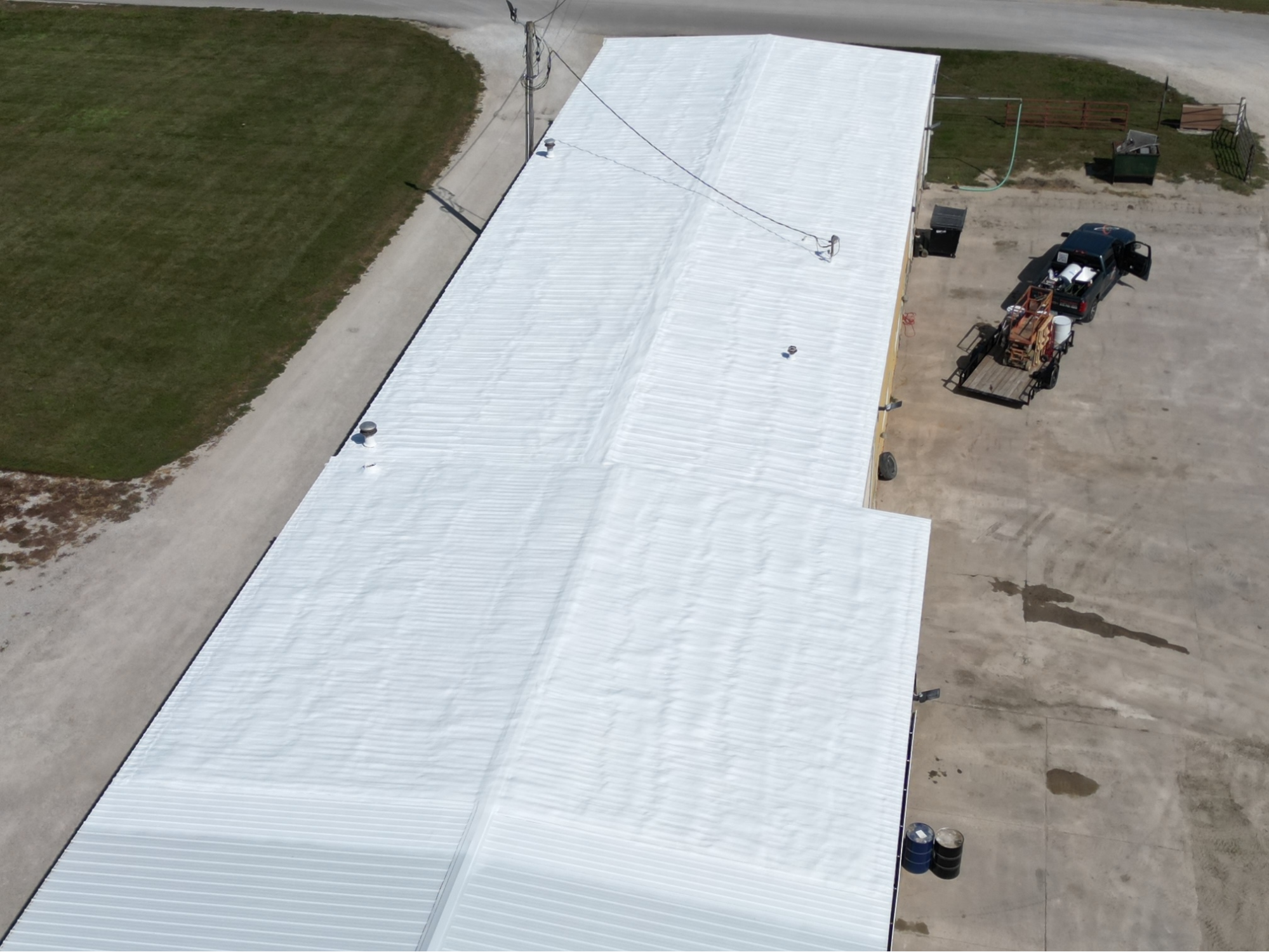
Many of us in Iowa notice how our garages get too hot in summer and too cold in winter. Sometimes, the heat from the garage sneaks into our house. Other times, we see higher energy bills or feel chilly drafts near the door. It makes people wonder if it’s worth it to insulate a garage.
Across Iowa, these issues often come up when talking with neighbors or friends. An uninsulated garage can raise your home’s temperature by several degrees during those long, hot months. Our team at Precision Insulation & Coatings has spent years working with different insulation methods, like spray foam kits and fiberglass batts, to help families tackle these problems.
In this blog post, we will explain why adding insulation to your garage matters for comfort and savings. We cover the types of insulation materials you can use, compare costs, look at energy efficiency benefits, and share tips that make the process easier.
If you are searching for better comfort at home and lower bills each month, keep reading to find out if garage insulation is right for you!
Why Insulate a Garage?
Insulating a garage brings many benefits. It can make your space more comfortable and help save on energy costs.
Benefits of insulation
We see many benefits to insulating a garage. First, it improves energy efficiency. Insulation helps keep the temperature stable inside your garage. This means less work for your heating and cooling systems. In turn, this can lower utility bills.
Comfort levels also rise with proper insulation. We can use our garages for more than just storage when they are comfortable. With good insulation, we can do projects or even relax in there without feeling too hot or cold.
Insulation protects against moisture, mold, and pests, too. A well-insulated garage stays dry and cozy; this keeps unwanted guests like bugs away. Proper insulation enhances property value as well; homes with insulated garages often sell faster because buyers prefer them. Good insulation pays off in comfort and savings.
Improved energy efficiency
Insulating a garage can boost energy efficiency. With proper insulation, we keep the temperature stable. This helps reduce heating and cooling costs. A well-insulated garage reduces drafts and maintains comfort levels.
In Iowa, summers can be hot and winters chilly. Energy-efficient garages help our HVAC systems work less hard. They save money on energy bills over time. Proper insulation can lead to noticeable savings each month.
We have seen many properties benefit from better insulation in garages. Comfort improves for both homes and businesses when garages have good insulation. Less energy is wasted, making it a smart choice for any property owner looking to improve their space.
Increased comfort
Improved energy efficiency helps us feel more comfortable in our garage. Insulation keeps the cold air out in winter and blocks the heat in summer. This means we can work or relax without feeling too hot or too cold.
We all know Iowa weather can be extreme. A well-insulated garage stays pleasant year-round, making it a great space for hobbies or extra storage. Insulation also reduces noise from outside, creating a quieter environment to enjoy our projects without distractions.
Comfort matters, whether at home or work; insulation is key to achieving that comfort all year round.
Protection against moisture, mold, and pests
Moisture can be a real problem in our garages. Insulation keeps out damp air. It helps control the garage temperature, which reduces moisture buildup. This protection also guards against mold growth. Mold can harm our homes and health.
Insulating our garage can keep pests away, too. Warm spaces attract unwanted critters like mice and insects. Proper insulation creates a barrier that makes it harder for these pests to enter. Investing in insulation is smart for comfort, health, and protection from damage caused by moisture or pests.
Types of Insulation for Garages
We have many options to insulate your garage. Each type has its own strengths and helps control the garage’s temperature. Some may work better for you than others. Explore these choices to find the best fit for your space!
Blown-in cellulose
Blown-in cellulose is a great option for garage insulation. We use it to fill gaps and cracks, which helps with energy efficiency. This type of insulation traps air, creating a barrier against heat and cold. It keeps the garage comfortable year-round.
Cellulose is made from recycled paper products. This makes it an eco-friendly choice for our customers in Iowa. The material helps control moisture and reduces noise as well. With proper installation, blown-in cellulose can protect your garage from pests, too.
Installing blown-in cellulose requires some special equipment. We may recommend hiring professionals for this job since they know how to do it right. Insulation performance depends on the correct application; getting that right can lead to significant energy savings over time.
Spray foam
Spray foam insulation is a great choice for our garages. It fills gaps and cracks very well. This helps keep the temperature steady inside the garage. The benefits of spray foam also include noise reduction. We can work in peace without loud sounds from outside.
Our experience shows that spray foam shields against moisture and pests, too. It creates a strong barrier, keeping unwanted guests away while protecting our belongings.
For energy efficiency, this type of insulation works wonders, reducing heating and cooling costs over time. Many homeowners see a good return on investment after using spray foam in their garages.
Fiberglass batts
Fiberglass batts are a popular choice for garage insulation. They come in pre-cut panels, which makes them easy to install. This type of insulation helps control temperature and keeps the garage comfortable. It also reduces noise from outside, making it quieter inside.
We can benefit from fiberglass batts because they are cost-effective and energy-efficient. They fit well between walls and ceilings, creating a good barrier against heat loss or gain.
With proper installation, we can enjoy better energy efficiency and comfort in our garages year-round.
Rigid foam board
Moving on from fiberglass batts, we can talk about rigid foam board. This type of insulation comes in large sheets. It is easy to handle and cuts down on air leaks. Rigid foam board helps keep the garage warm in winter and cool in summer.
We find that it offers strong energy efficiency. Many property owners choose it for its high R-value per inch. This means less material is needed to achieve great insulation results. Moisture control is another plus; rigid foam does not absorb water like some other materials.
Installing rigid foam board can be a DIY project or done by our team of professionals. Proper installation ensures you get all the benefits of this insulation type, such as temperature control and comfort enhancement. It’s a smart choice for anyone looking to improve their garage space while keeping costs reasonable and energy use low.
Garage door insulation kits
Rigid foam board insulation works well, but garage door insulation kits offer another great option. These kits come with everything we need for a quick install. They fit snugly in the spaces of our garage doors. This added layer helps keep the temperature inside more stable.
Using a garage door insulation kit can boost energy efficiency. It keeps heat out during hot Iowa summers and warmth in during cooler months. Our garages often face extreme temperature changes, even when we do not use them often. Insulating our garage doors can make a big difference in comfort and save on energy bills.
Installing these kits is usually straightforward. Most homeowners can handle it as a DIY project to save some money. We like how they reduce noise, too; this is especially helpful if our garages hold noisy equipment or tools. Overall, these kits are cost-effective ways to improve our homes while protecting against outside elements.
Factors to Consider
When we think about insulating a garage, several factors come into play. We need to decide if the garage is heated or unheated. Is it attached to the house or separate? The climate in our area also matters. Finally, we should consider whether we’ll do it ourselves or hire someone. These points can change how effective insulation will be for us. Curious about these details?
Heated vs. unheated garage
A heated garage offers better comfort and energy efficiency. It stays warmer in winter, making it easier to work on cars or store delicate items. Heated garages also help keep moisture away, which reduces the risk of mold and pests.
An unheated garage can be a challenge during cold months. It may lead to temperature control problems for your home. We need to think about how we use the space when deciding on insulation options for both heated and unheated garages. The type of insulation will affect overall performance as well as comfort levels inside the garage.
Attached vs. detached
Garages come in two main types: attached and detached. An attached garage shares a wall with the house. This setup can help keep the garage warmer in winter. The heat from the home makes it easier to control the temperature. Insulating an attached garage may improve energy efficiency for both spaces.
A detached garage stands alone, away from the house. It has different needs when it comes to insulation. Temperature control is more challenging because it does not get warmth from the home. We must pay extra attention to insulating these garages to protect against heat loss or gain based on Iowa weather.
Both types have their pros and cons regarding insulation benefits and costs. Comfort levels will vary based on how we use our garages, too. If we plan on spending time in a detached space, proper insulation is key for comfort throughout the year.
Climate zone
Iowa has a unique climate. It can be hot in the summer and cold in the winter. Insulating our garage helps control temperature during these changes. This means we can keep it cooler when it’s sweltering outside and warmer when temperatures drop. The type of insulation we choose depends on where we live in Iowa.
Areas closer to the coast may need different insulation than those further north or west. We recommend checking local weather patterns to decide on the best materials for our garages. A well-insulated garage will not only be more comfortable but also improve energy efficiency throughout our homes.
We have seen how proper insulation makes a big difference for many homeowners and commercial property owners here in Iowa. Our firsthand experience shows that insulated garages protect against moisture, mold, and pests, too!
DIY vs. professional installation
Choosing between DIY and professional installation can be tough. Many Iowa homeowners want to save money. Doing it yourself may seem cheaper at first. However, we must consider the time and skills needed for proper insulation.
Hiring a professional can ensure better results. They know what works best for garages in our climate. We often see that good installation leads to improved energy efficiency and comfort. In the end, it might save us more on energy bills than we spend upfront on labor costs.
Choosing the Right Insulation for Your Garage
Choosing the right insulation is key to a comfortable garage. We need to weigh cost and performance carefully for the best results.
Cost vs. performance
We need to weigh the cost of insulation materials against how well they keep a garage comfortable and energy-efficient. Here’s a side-by-side summary for Iowa homeowners and commercial property owners:
| Insulation Type | Material Cost (per sq. ft.) | Installation Cost | Performance (R-value per inch) | Key Points for Iowa Garages |
| Blown-in Cellulose | $1.00 – $1.50 | Moderate (DIY or Pro) | ~3.2 – 3.8 | Good for attic-type spaces; controls heat, fills gaps well |
| Spray Foam (Closed Cell) | $2.50 – $4.00 | High (Professional Only) | ~6.0 – 7.0 | Best air seal, moisture barrier, pricy but cuts drafts and cooling costs |
| Fiberglass Batts | $0.60 – $1.20 | Low (DIY Friendly) | ~2.9 – 3.8 | Most common, quick to install, works for most wall cavities |
| Rigid Foam Board | $1.40 – $2.00 | Moderate (DIY or Pro) | ~4.0 – 6.5 | Good for concrete walls; resists water; higher insulation per inch |
| Garage Door Kits | $70 – $150 per door | Low (DIY) | ~1.3 – 1.8 | Fast fix for door panels; helps with heat gain in Iowa summers |
We find that most Iowa garages use fiberglass batts or rigid foam for budget jobs. Spray foam costs more up front, but saves energy and reduces drafts the most. Garage door insulation kits work well for hot garages in summer. Each insulation choice affects comfort, cooling bills, and noise levels. Selecting the right material depends on our goals and budget.
DIY vs. professional installation
DIY installation of insulation can save money. We can tackle simple jobs with tools and effort. For example, fiberglass batts are often easy for us to install ourselves. However, we should consider our skill level and time. Some projects need more expertise. Professional installation comes with benefits, too.
Experts know how to get the best performance from insulation materials. They ensure proper fitting and avoid common mistakes that could lead to energy loss. Choosing between DIY and professional work depends on comfort with tasks and the complexity of the job at hand. In many cases, hiring a pro leads to better energy efficiency in garages, saving us money long term.
Importance of proper installation
Proper installation is key to getting the most from insulation. If we do not install it correctly, we can lose energy efficiency and comfort. Gaps or mistakes can let air in or out of our garage. This makes it harder to keep the right temperature, wasting money on heating or cooling.
Choosing the best insulation material is just one part of the job. An expert installation ensures that everything fits well and works as planned. We want to avoid issues like moisture build-up, which can lead to mold and pests. Investing in good installation pays off through lower energy bills and better climate control in our garages.
Recommended R-value for garages
The recommended R-value for garages varies based on your location and needs. For Iowa homeowners, an R-value of R-13 to R-19 is usually best. Higher numbers mean better insulation. This helps with energy efficiency and temperature control.
We choose the right insulation materials for our specific climate zone. Insulating our garage can improve comfort year-round. It also protects against moisture and pests, making it a smart home improvement choice.
Potential energy savings
Insulating your garage can lead to real energy savings. Proper insulation helps keep temperatures steady. This means we use less energy for heating and cooling. It is common for Iowa homes to have fluctuating temperatures in the garage area. Insulation can help control that.
Our team has seen many garages lose heat during the winter months. The same happens with cool air in summer. With good insulation, these problems reduce greatly. We often tell our clients about the benefits of lower utility bills when their garages are properly insulated.
Choosing effective materials boosts comfort, too. A well-insulated garage acts as a buffer against outside weather changes. This not only makes spaces more comfortable but also cuts down on energy costs overall. Trust us; these savings add up over time!
Conclusion
We covered why insulating a garage is smart. It boosts energy efficiency and keeps your space comfortable. Insulation also fights moisture, mold, and pests. We looked at different insulation types that suit any garage.
Choosing the right one depends on cost, climate, and whether you want to do it yourself or hire someone. Improving your garage can lead to big savings and a more pleasant home life; we encourage everyone to consider this smart upgrade for their property!
Contact Precision Insulation & Coatings for more details regarding insulation processes and methods.
FAQs
1. What are the main benefits of adding insulation to a garage?
Insulation helps with temperature control, noise reduction, and climate regulation. It makes your garage more comfortable year-round.
2. How does insulating a garage affect energy efficiency?
Good insulation improves energy efficiency by keeping warm or cool air inside. This can lower heating and cooling costs for your home.
3. Is it cost-effective to insulate a garage?
A cost-benefit analysis shows that insulation is often cost-effective over time. The return on investment comes from savings on utility bills and added home value.
4. Can I install insulation in my garage myself?
DIY insulation is possible if you use simple materials like fiberglass batts or foam panels. Some projects may need professional help depending on installation complexity.