Have you been wondering how to stop those brutal Iowa winters from sneaking through every crack in your older home? We know the feeling.
You crank up the heat, but it seems like the warm air just vanishes into thin air.
Spray foam insulation changes the game for comfort and energy bills. According to the U.S. Department of Energy, heating and cooling account for roughly 48% of your home’s total energy use, which means sealing up those leaks really makes a difference. So, grab a cup of coffee, and let’s walk through whether spray foam insulation is worth it for older homes in Iowa, and what spray foam can do for your older home.
Benefits of Spray Foam Insulation for Older Homes in Iowa
Spray foam insulation gives Iowa homes a noticeable boost in comfort, even during harsh Midwestern winters. Many older houses see their drafty rooms vanish almost overnight, making everyone wonder why they waited so long to try it out.
Enhanced energy efficiency
Spray foam insulation in Iowa slashes heat loss, locking comfort inside and keeping energy bills out of the red. During jobs here at Precision Insulation & Coatings, we notice even drafty farmhouses can feel cozy year-round after a good application.
According to a 2026 report, professional spray foam installation runs between $1.50 and $5.00 per square foot. A properly sealed home stands tough against Iowa’s wild temperature swings, so you stay cool in July and toasty in January.
Adding spray foam creates an airtight barrier that blocks sneaky drafts and cold spots. The HVAC system does not have to work overtime, which means less wear on your wallet too. Industry data shows that homeowners who install spray foam see energy savings of 30% to 50% on their heating and cooling costs, according to recent studies from insulation manufacturers.
Even though spray foam insulation cost Iowa are higher compared to old-school fiberglass, homeowners often say lower monthly costs make up for it within a few years.
Improved moisture control and air sealing
So, after boosting your home’s energy efficiency, let’s talk about keeping dampness and outside air at bay.
Iowa’s older homes battle high humidity and wild temperature swings every year. A proper vapor barrier is a game-changer here. Spray foam insulation is different from other options by sealing even the tiniest cracks in attics or crawl spaces.
No more guessing if cold drafts or dusty allergens will sneak through during winter storms or rainy springs. Closed-cell spray foam acts as both insulation and a moisture barrier, stopping condensation before it starts. The EPA notes that drying water-damaged areas within 24 to 48 hours prevents mold growth, and spray foam’s moisture resistance helps you avoid that problem in the first place.
With the right install job (not too thick, not patchy), you get an airtight seal that keeps moisture where it belongs: outside your living space. That makes for cleaner indoor air while fighting off those sneaky pollen clouds that seem to show up every season without fail.
If you’re searching “spray foam insulation near me, Iowa,” consider that the most stubborn old houses benefit most right where leaks happen most often: the attic corners and crawl space walls known for sweating when seasons change fast around here.
Considerations for Older Homes
Older homes have character, but they often need extra care before adding new insulation. If you wonder if spray foam insulation is worth it for older homes in Iowa, knowing how your house was built can save headaches down the line.
Compatibility with existing structures
Spray foam insulation brings real value to older homes in Iowa, but it demands careful prep before application. Your walls and roof cavities may hide old wood, brick, or even knob-and-tube wiring that needs attention first.
Moisture issues top the worry list. Skip the right steps here, and you could end up with trapped water causing rot faster than a late spring thunderstorm. Closed-cell spray foam does double duty by acting as both an insulator and a vapor barrier, beating back condensation that often plagues basements and attics.
Proper professional installation is key for older framing, plasterwork, and variable spacing between joists. These quirks are common across Iowa’s turn-of-the-century properties. Spray foam also adds some extra rigidity, helping those drafty houses stand strong during brutal winter winds.
Is spray foam insulation worth it for older homes in Iowa? With smart planning around your existing structure’s needs, yes. It can make your old place safer, stronger, and more comfortable for years.
Professional installation requirements
Moisture hides in old walls and crawl spaces. Before adding spray foam insulation, a professional must check for leaks or damp spots.
If you skip this step, trapped water may cause wood rot or mold behind that shiny new seal. Expert installers use special tools to apply the right amount of foam and help it cure safely. Professional installation also protects your home from odd smells or sticky surfaces caused by amateur mistakes.
With experience in Iowa’s building codes, a trained crew checks attic rafters, rim joists, and hidden gaps so every corner meets safety rules. Iowa adopted the 2012 International Energy Conservation Code (IECC) in April 2014, and local jurisdictions enforce specific air sealing and insulation standards.
Common Areas to Insulate in Older Homes
Older Iowa homes have all sorts of spots where cold air sneaks in and drives up your bills. If you tackle these key places with spray foam insulation, you’ll notice the comfort difference every single season.
Attics, crawl spaces, and rim joists
Attics lose a lot of heat in Iowa homes, especially during harsh winters and humid summers. Spray foam insulation seals these spaces tight as a drum.
Closed-cell foam keeps out drafts, dust, and pollen while preventing condensation that can lead to mold. According to industry research, spray foam can reduce energy bills by up to 50% when applied correctly in attic spaces, compared to traditional fiberglass insulation.
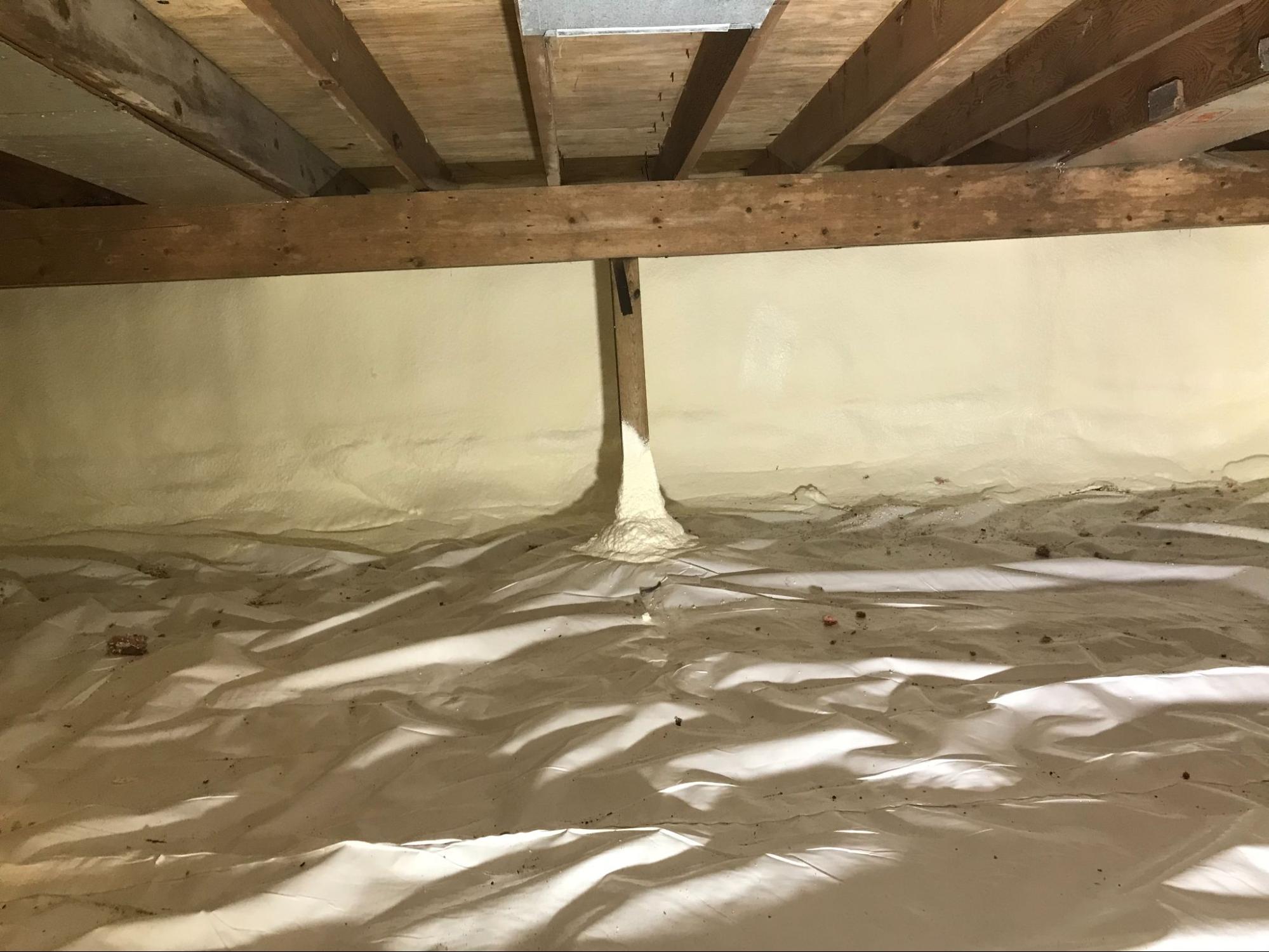
Rim joists are those boards where your floor meets the outside wall. They often go overlooked, but leak energy fast without proper sealing. Crawl spaces benefit, too. Applying spray foam there stops cold air from creeping under your floors and locks moisture out, reducing the risk of rot or mildew year-round.
With professional installation, you get an airtight barrier that helps keep every nook cozy during Iowa’s wild temperature swings. The difference is night and day for comfort, and those pesky utility bills might finally give you a break!
Cost vs. Long-Term Value
You know the sticker shock of spray foam insulation is real, especially if you compare it to fiberglass or cellulose. Still, think of it as putting your money into a goose that lays golden eggs, just slower and over the years.
You get an investment, not just an expense. Here’s how the upfront costs stack up against what you save and gain down the road in Iowa’s unpredictable weather:
| Cost/Value Factor | Spray Foam Insulation | Traditional Insulation (Fiberglass/Cellulose) |
| Initial Installation Cost | Higher upfront investment. Professional installation required. Typical range: $1.50 to $5.00 per sq ft (2026 rates). | Lower upfront cost. Can be less effective in older homes with gaps and air leaks. Typical range: $0.80 to $1.50 per sq ft. |
| Energy Savings | Reduces heat loss significantly. Cuts annual energy bills by 30 to 50% for many Iowa homes. Improved HVAC performance means less strain and longer system life. | Savings are often limited by air leakage. Less effective air sealing. Lower reductions in heating and cooling costs. |
| Long-Term Value | Pays for itself in 3 to 7 years through utility savings (typical ROI range). Increased property value. Fewer drafts, more comfort in winter and summer. Protects against moisture and mold. | Slower payback time. May need upgrades sooner. Moisture and mold control are less reliable. |
| Comfort & Durability | Air seals hard-to-reach nooks. Better control over indoor temperatures. Stays effective for decades. | Can settle or lose effectiveness. Less consistent temperature control. |
Iowa winters are brutal. Summers doesn’t pull any punches either. Spray foam makes your old house feel like new, year after year.
Energy bills stop creeping up. HVAC systems stop working over time. The upfront price isn’t a small change, but over a decade, those numbers start to look pretty friendly.
Conclusion
For many older homes in Iowa, spray foam insulation checks a lot of boxes.
You get fewer drafts, less dust sneaking in, and steady comfort both summer and winter. While the upfront price tag can feel steep, monthly energy savings usually help balance it out over time. Data from industry sources shows typical payback periods of 3 to 7 years, depending on your home size and current energy costs.
Choosing high-quality installation gives you that peace of mind as weather changes roll through each year. If you want a cozy home with lower bills and better air quality, spray foam is worth strong consideration, especially for those tough-to-fix spots like attics and crawl spaces.
For more on energy efficiency, comfort, and home performance upgrades, contact Precision Insulation & Coatings and get a free estimate.
FAQs
1. Does spray foam insulation work well in older Iowa homes?
It is the most effective upgrade for our local climate because closed-cell foam creates a seamless air barrier that traditional fiberglass batts simply cannot match. This tight seal stops the sub-zero drafts we face in January and blocks moisture from entering your walls during our humid summers.
2. How much money can I save with spray foam insulation in an old house?
Most of our clients see their monthly energy bills drop by 30 to 50 percent because the foam eliminates the significant air leakage that plagues vintage properties.
3. Will spray foam damage my old home’s structure?
On the contrary, closed-cell spray foam acts like a powerful adhesive that bonds your wall studs and sheathing together. This process can increase your home’s racking strength by up to 300 percent, adding stability to aging frames that have settled over the decades.
4. Is spray foam insulation too expensive for older homes?
While the initial cost is higher than that of other materials, the immediate reduction in your heating and cooling load typically pays for the installation within three to five years. With energy rates rising across the Midwest, this upgrade offers one of the fastest returns on investment for long-term homeowners.