We all know that attic insulation is very important for making a house comfortable throughout the year. But how will you find out that your attic is properly insulated? If there are signs like cold bedrooms, high winter bills, or ice along the eaves, it signifies that there is thin insulation.
In this blog, we will discuss the above question in detail. And find out how good attic insulation in Des Moines can help you prevent all this. So, let’s begin reading now!
Prepare for a Safe Attic Inspection
Safety comes first. Attics are cramped, dusty, and hot in summer. Pick a mild day in spring or fall, and tell someone you’re going up.
The following dress code should be followed for the job:
- Long sleeves, long pants, and closed-toe shoes with good grip
- A dust mask and safety glasses, since fibers and dust irritate eyes and lungs
- Gloves, a headlamp, and a hand flashlight as backup
Check where you will step before entering the attic to avoid unstable surfaces or accidental falls. Step only on joists, or lay a sturdy board across them. Ceiling drywall can’t hold a person’s weight, and one misstep means a hole in the bedroom ceiling. Watch for roofing nails poking through the deck. Keep clear of exposed wires and junction boxes.
Some situations call for staying on the ladder and phoning a professional:
- A hatch or ladder that feels unsafe, or no solid path across the attic
- Wet insulation, a sagging ceiling, or dark growth across large areas
- Loose, pebbly gray-brown fill that may be vermiculite, which the EPA says can contain asbestos
- Old cloth-covered wiring touching insulation
Check Insulation Depth and Coverage
Depth is the most telling measurement. It shows whether attic insulation in Des Moines, Iowa homes still meets current guidance.
R-value measures how well a material resists heat flow. Higher numbers mean more resistance. Materials reach the same R-value at different thicknesses, so depth alone has limits.
Des Moines falls in ENERGY STAR climate zone 5. For zone 5 attics that already hold 3 to 4 inches, ENERGY STAR’s retrofit table lists R-49. Uninsulated attics are listed at R-60. Local code and your roof assembly can change the right target, so treat these figures as guidance.
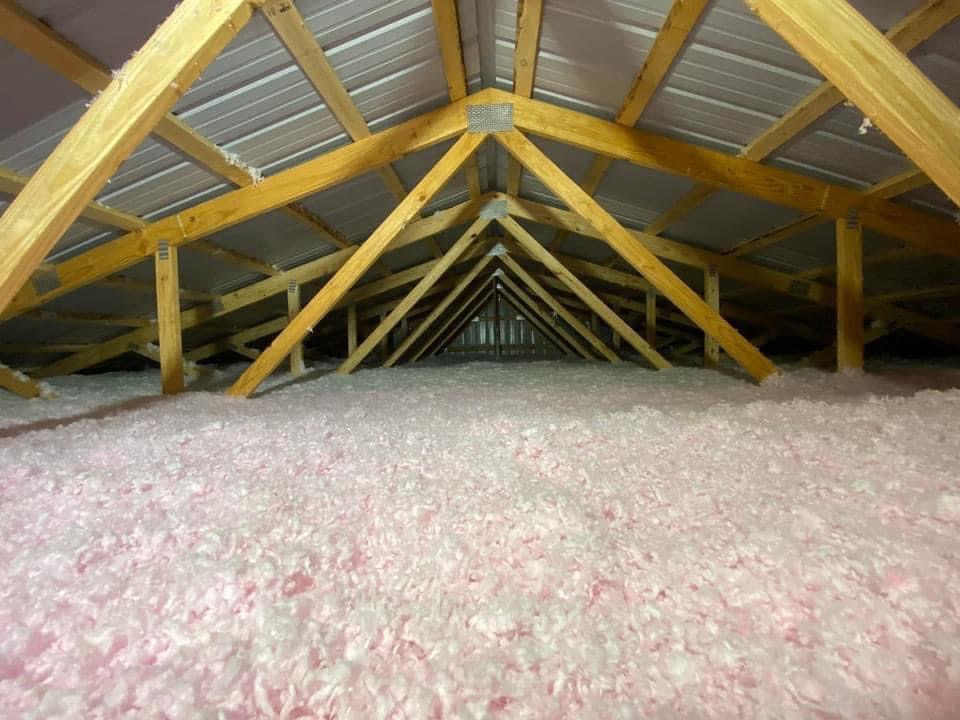
Walk the joists and look across the whole floor, not just near the hatch. Edges near the eaves often run thin. Areas under stored boxes can be crushed flat. ENERGY STAR advises that material sitting at or below the floor framing probably needs a top-up.
Materials fail in different ways. Loose-fill settles and leaves thin patches. Batts shift and open gaps at the framing. Spray foam should look continuous, without cracks.
Use this quick checklist:
- Measure depth with a ruler in at least five places, including near the eaves.
- Mark any spot where lumber shows through the material.
- Note compressed areas, and move storage onto raised platforms.
- Look for gaps around the chimney, hatch, and wall tops.
- Record the material type and color.
Look for Air Leaks Around Attic Openings
Insulation and air sealing solve separate problems. One resists heat flow through material. The other blocks air from slipping through gaps. Even deep attic insulation in Des Moines, Iowa homes can underperform when leaks bypass it.
ENERGY STAR notes that dirty, darkened insulation often marks a path where air has been moving. Check these spots:
- The attic hatch or pull-down stairs, including weatherstripping
- Plumbing stacks and pipe penetrations through the ceiling
- Holes drilled for wiring
- Recessed light housings
- Tops of interior walls and dropped soffits
- Chimney and flue chases
Sealing takes care. Flues, heat-producing fixtures, and some recessed lights need approved clearances and materials. Bath fans and other vents must still exhaust outdoors. The DOE’s air sealing guidance covers safe methods.
Inspect for Moisture, Staining, and Damaged Materials
Moisture changes the plan. Look for brown stains on roof decking, damp or matted insulation, a musty smell, or dark growth that resembles mold. Frost on nail tips in winter also deserves a note.
Several causes can produce these signs. A roof leak, a bath fan venting into the attic, or condensation can each do it. Insulation isn’t always the culprit.
For attic insulation homeowners already own, a damp patch means finding the source before any repair. New material over a wet area only hides the problem. The EPA’s mold resources explain why controlling moisture matters most. Photograph what you find so a professional can see it.
Review Ventilation and Roof-Related Conditions
Many attics use soffit vents at the eaves for intake and ridge or gable vents for exhaust. Moving air carries moisture out. Insulation pushed into the eaves can block that intake.
Look along the eaves. Can you see a clear channel or daylight? Rafter baffles hold that space open. Frost, damp decking near the ridge, or darkened wood can signal trouble.
Ventilation needs vary by roof design. Some roofs are built unvented, with insulation applied to the underside of the deck. Adding vents there could harm performance. Confirm the design before changing anything. ENERGY STAR’s attic ventilation page explains how vented attics work.
Identify Insulation Material and Installation Concerns
Different materials hide different problems. This table shows what to look for.
| Insulation type | What to inspect | Signs that need attention |
|---|---|---|
| Fiberglass batts | Fit within joist bays, facing condition, compression | Gaps at framing, sagging, dirty edges, damp or stained batts |
| Blown-in cellulose | Even depth, settling, signs of pests | Thin or bare patches, clumping, dark staining, musty odor |
| Spray foam | Continuous coverage, bond to framing or roof deck | Cracks, gaps, foam pulling away from framing, damaged areas |
Material condition, installation quality, air leakage, and moisture all affect performance together. A thick layer installed poorly can still disappoint.
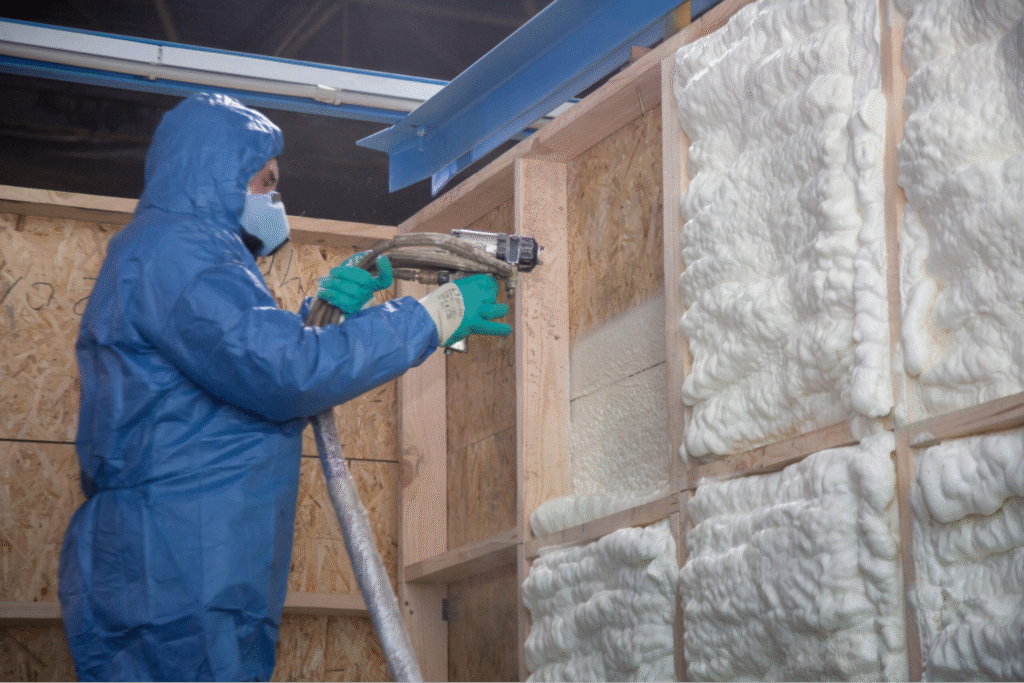
Spray foam appears in attics where the roof deck, rather than the floor, was insulated. There, attic spray foam insulation Des Moines homes use is part of a sealed roof assembly. Don’t cover it or cut into it casually.
Turn Your Findings Into an Inspection Checklist
Print this list and mark each line as you go:
- Depth measured in five or more spots, with material type recorded
- Gaps, thin areas, or compressed material noted and photographed
- Hatch, pipe, wire, and light openings checked for air leaks
- Water stains, damp insulation, or musty odors recorded
- Soffit vents, baffles, and roof deck conditions reviewed
- Droppings, nests, chewed wiring, or damaged materials noted
- Any area you couldn’t reach or judge marked for professional review
Keep visible observations separate from questions that need tools. Eyes and a ruler can’t reveal hidden wall cavities or precise air leakage rates. Blower door tests and infrared imaging need trained operators. Mark those items “needs assessment” instead of guessing.
When an Attic Needs a Professional Assessment
Call for help when problems outgrow a weekend job. Common triggers include widespread gaps, moisture that keeps returning, unreachable areas, and suspected installation defects. Doubt about the right insulation level counts too.
An insulation contractor that homeowners hire can measure depth precisely and test for leakage. Ask what gets inspected before anyone quotes a price. A spray foam contractor Iowa homeowners consider should explain whether your roof assembly suits foam. Request written findings, not just a number.
Existing-home inspection differs from new-builds. A new construction insulation contractor insulates open framing before drywall goes up. In an existing attic, crews work around old material and past repairs.
Owners of mixed-use buildings may also hear about commercial building insulation work. Commercial roofs often use different assemblies, so residential advice may not transfer.
Plan the Next Step Based on What You Find
Sort your notes into three groups: safety, moisture, and performance. Handle safety items first. Moisture sources come next, because new material over a leak invites trouble. Significant air leakage often needs sealing before insulation is added.
Recommendations should reflect the existing assembly, material condition, climate, and applicable local requirements. Ask for the reasoning behind each one. Compare two or three written assessments if you can. A good insulation contractor that households trust will explain the plan plainly.
Companies may differ on foam under the roof deck versus loose-fill over the floor. A claim about attic spray foam insulation homes need should come with reasons tied to your roof. If a spray foam contractor that homeowners consult suggests it, ask how ventilation and moisture are handled.
Building an addition? A new construction insulation contractor in Iowa may follow a different sequence than an attic retrofit. A business owner with a shop attached to a home should request a separate scope for the commercial building insulation side of the property.
Start With a Ruler and a Flashlight
A careful inspection turns guesswork into a short, documented list. Measure depth, trace air leaks, and watch for moisture before deciding anything. Strong attic insulation Des Moines, Iowa, homeowners can trust rests on those basics. Record what you find with photos and measurements. Fix water problems first, then address leaks and depth. Share your notes with a qualified contractor if anything seems unclear. This week, pick one mild morning, grab a ruler, and complete the checklist above.
If you want to check if your attic is properly insulated in your property, contact a reliable contractor like Precision Insulation and Coatings. Visit our website to get a free estimate!
Frequently Asked Questions
Q1. How can I tell whether my attic has enough insulation?
Measure the depth in several spots and compare it with the ENERGY STAR target for your climate zone. If the material sits at or below the floor framing, or varies widely, you probably need more.
Q2. What R-value is recommended for attic insulation in Iowa?
Des Moines falls in climate zone 5, where ENERGY STAR lists R-49 for attics with 3 to 4 inches already and R-60 for uninsulated ones. Local code and roof design can change the target.
Q3. Can I add new insulation over existing attic insulation?
Often yes, if the existing material is dry and the attic has no moisture problems. Air seal first, avoid blocking soffit vents, and never bury wet or moldy material. A professional can confirm the right approach.
Q4. Should I replace attic insulation that has become damp?
Usually, yes, once the moisture source is fixed. Wet insulation loses performance and can hide mold or rot. Dry, clean material is sometimes reusable, but a professional should judge that case by case.