Many homeowners in Iowa notice wet spots or water streaks on their walls. Condensation on interior walls is a common problem, especially when it’s cold outside and warm inside. These damp areas can lead to mold or water damage if no one fixes them.
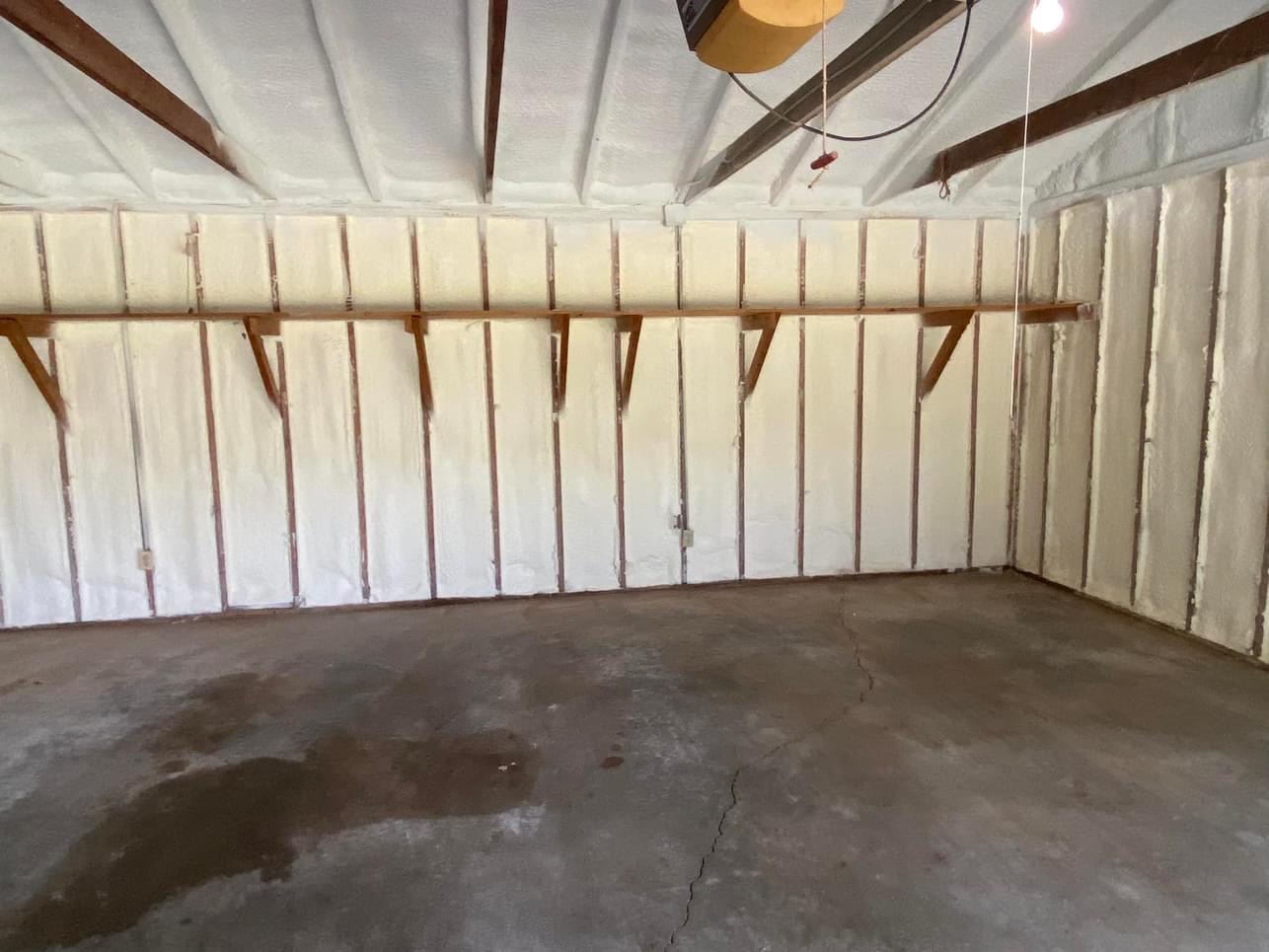
Our team runs into this issue often as insulation contractors who work with spray foam insulation every day. Sometimes, poor insulation lets the wall get so cold that it hits the dew point. When that happens, moisture from the air turns into liquid right on your walls.
Let’s talk about what causes condensation on interior walls. Humidity, weak ventilation, and using the wrong kind of insulation all add up to make this trouble worse. Our tips come from real jobs where we have used spray foam in homes across Iowa.
Causes of Condensation on Interior Walls
Condensation on interior walls happens due to several factors. High humidity levels and damp surfaces can trap moisture, leading to water spots on walls.
Damp Surfaces
Damp surfaces can lead to condensation on interior walls. Moisture collects when warm air meets cool surfaces. This happens most often when the temperature inside a home is much higher than outside. The humid air flows and touches these cooler areas, causing water droplets to form.
Poor insulation can make this problem worse. If there are gaps or weak spots, warm air escapes from our homes. This allows cold air to meet warm, moist air inside our walls. We must also consider plumbing leaks and other sources of moisture that can seep into walls.
To avoid dampness, we should check for issues regularly. Inspecting for leaks in pipes is key because they add unwanted moisture to our spaces. Proper ventilation helps too; it improves airflow and reduces humidity levels in the home. Proper insulation and ventilation can help prevent condensation on interior walls.
Humid Climates
High humidity levels can lead to problems in our homes. Warm, moist air makes it easy for condensation to form on interior walls. This often happens when the temperature inside a home is much different from the outside. In humid climates, we see this more often during warm months.
Moisture can get trapped inside our homes due to poor insulation or leaks. When warm air hits cold wall surfaces, condensation occurs. This leads to dampness and may cause mold or mildew growth over time. Proper ventilation helps circulate air and reduce humidity, but many homes lack sufficient airflow.
We need to keep an eye on indoor humidity levels to prevent these issues. Regular maintenance of roofs and plumbing will help as well. Understanding how humidity affects our living spaces allows us to make better choices about insulation and ventilation systems in our properties. Next, let’s discuss the impact of spray foam insulation on moisture control.
The Impact of Spray Foam Insulation
Spray foam insulation can trap moisture in walls. This can lead to dampness and water damage if not managed well.
Trapping Moisture
Spray foam insulation can trap moisture in walls. This happens when warm, moist air meets a cooler wall surface. If the temperature of the wall drops to the dew point or lower, condensation forms. We see this often in homes with poor insulation and high humidity levels.
Dampness can also come from other sources, like plumbing leaks or water seeping in through roofs and foundations. Gaps around attic doors let warm air escape and cool air enter, leading to more condensation spots on walls.
High humidity inside homes worsens these problems. Proper insulation and ventilation are key to keeping moisture at bay.
Alternatives for Damp Conditions
We can find effective alternatives for damp conditions. First, we should consider using breathable insulation materials. These options allow moisture to escape while still keeping our homes warm. Materials like mineral wool or cellulose perform well in humid areas. They help reduce the risk of condensation on walls.
Adding a dehumidifier can be another smart choice. This device lowers humidity levels inside our homes, making it harder for condensation to form on walls. We should also think about improving airflow by opening windows or using exhaust fans in kitchens and bathrooms. Good ventilation is key to preventing trapped air and excess moisture.
Using vapor barriers can also protect our interior walls from water damage. Installing these barriers helps keep warm, moist air from reaching colder wall surfaces where it could condense into water droplets. Taking these steps will greatly decrease the chances of dealing with condensation problems later on.
How to Prevent Condensation
To stop condensation, we need to check our insulation. Good ventilation is also key to keeping moisture from building up in our homes.
Properly Assess Insulation Needs
We need to assess our insulation needs carefully. Insulation helps keep warm air inside during the winter and cool air in during summer. Lack of proper insulation can cause condensation on interior walls. This happens because cold walls meet warm, moist air from inside the home.
Checking for gaps in insulation is key. Gaps allow humid air to reach cooler surfaces, causing moisture to form. Areas like the attic also require attention. Poorly insulated attic doors let warm air escape, which leads to condensation spots on walls below. Ensuring we have good airflow and proper insulation will help us prevent water damage and reduce mold growth on our interior walls.
Ensuring Proper Ventilation
Proper ventilation is key to reducing condensation on interior walls. High humidity levels can cause moisture to build up in our homes. This happens especially when the air does not circulate well. Without airflow, warm, moist air can hit cold walls and create condensation spots.
We must ensure that our spaces have good ventilation. Fans and vents help move air around. Opening windows can also improve airflow. Good ventilation helps keep the temperature even throughout our homes, which reduces the chances of water damage from condensation. Regular checks for any blockages in vents or ducts will maintain proper airflow, helping us avoid issues like mold and mildew growth.
Conclusion
Condensation on interior walls can cause big problems. We discussed how humidity, poor insulation, and lack of ventilation lead to this issue. Installing the right insulation and improving airflow are simple ways to prevent it.
Keeping our homes dry helps stop mold growth, too. Let’s stay proactive about home maintenance to keep our spaces safe and comfortable for everyone. Contact Precision Insulation & Coatings for more insulation details.
FAQs
1. Why does condensation form on interior walls?
Condensation forms when warm air with high humidity touches a cold wall. The moisture in the air turns into water spots or dampness on the surface.
2. How do insulation and building materials affect condensation?
Poor insulation or certain building materials let heat escape quickly. This makes walls colder and increases the chance of condensation.
3. Can airflow and ventilation help stop water damage from condensation?
Yes, good airflow and proper ventilation move trapped air out of rooms. This lowers humidity levels inside, which helps prevent dampness and water damage.
4. What role does temperature play in creating condensation spots?
When the indoor temperature is much warmer than the outside, but the walls stay cold due to thermal bridging, moisture collects as small drops called condensation spots.
5. How can I control moisture to avoid problems with my walls?
Keep your home’s humidity low by using fans or vents for better air circulation. Also, fix any leaks so that excess moisture cannot gather on your interior walls.