Iowa weather does not hold back. The winter season is very cold, and during the summer, the temperatures reach over 100 degrees. Your attic is in the middle of it all and has a greater impact on your comfort than most people think. If your attic insulation is inadequate or has never been properly installed, it will manifest itself throughout your house, not just in the attic.
This guide walks through what actually happens inside an Iowa home when the attic is not properly insulated, and why so many homeowners are turning to a trusted spray foam insulation contractor to fix the problem for good.
Why Your Attic Matters So Much in Iowa
Air moves from warm areas to cold ones. In winter, warm air inside your home rises and pushes toward your cold attic. In summer, the reverse happens, and attic heat pushes down into your living space. A poorly insulated attic cannot stop this movement.
Iowa sits in Climate Zone 5, which means homes here deal with brutal temperature swings throughout the year. Attics without proper insulation cannot handle this kind of stress, and the results show up in your comfort, your energy bills, and even your roof.
Signs Your Attic Insulation Has Failed
You do not need a contractor’s toolkit to spot the warning signs. Watch for these common problems:
- Annually rising energy costs (even with standard consumption),
- Rooms on the top floor that are too hot in summer or too cold in winter
- Ice dams along the roof edge in Jan and Feb.
- Snow accumulation on gutters that dangle from the roof.
- If your attic or upper floors smell musty, it is a sign that you may have mold.
- Drafts around ceiling fixtures or attic hatches.
- Insulation that appears discolored, reduced in thickness, or flat when poking at it.
If any of these sound familiar, your attic insulation may already be failing.
What Ice Dams Tell You About Your Attic
Ice dams are the clearest signs of an underinsulated attic. They form when heat escapes through the attic and warms the roof from underneath. This melts the snow sitting on top. The melted water runs down the roof until it reaches the cold edge, where it refreezes into ice. Over time, this ice builds into a dam that traps more water behind it, and that water can leak straight into your ceiling and walls.
This is not a roofing problem. It is an insulation problem. Once the attic is properly sealed and insulated, heat stays where it belongs, the roof stays evenly cold, and ice dams stop forming.
The Hidden Cost of a Poorly Insulated Attic
Homeowners often underestimate how much money leaks out through the attic every month. Here is what typically happens without proper insulation:
- Your furnace and air conditioner run longer to reach the same temperature.
- Your equipment wears out faster from the extra workload.
- Moisture builds up in the attic, which can lead to mold and wood rot.
- Pests find easy entry points through gaps and thin insulation.
- Your home loses resale value, since buyers now look closely at energy efficiency.
None of these problems fix themselves. They tend to get worse every year the attic goes untreated.
Why Fiberglass Alone Often Falls Short in Iowa
Many older Iowa homes were insulated with fiberglass batts, which was a common standard years ago. Fiberglass still work well in some settings, but it has real limits in a climate like ours.
Fiberglass allows air to pass through it. It does not create a sealed barrier, so warm and cold air can still leak past it. Over time, fiberglass can also sag, settle, or shift out of place, leaving thin spots that let heat pass right through.
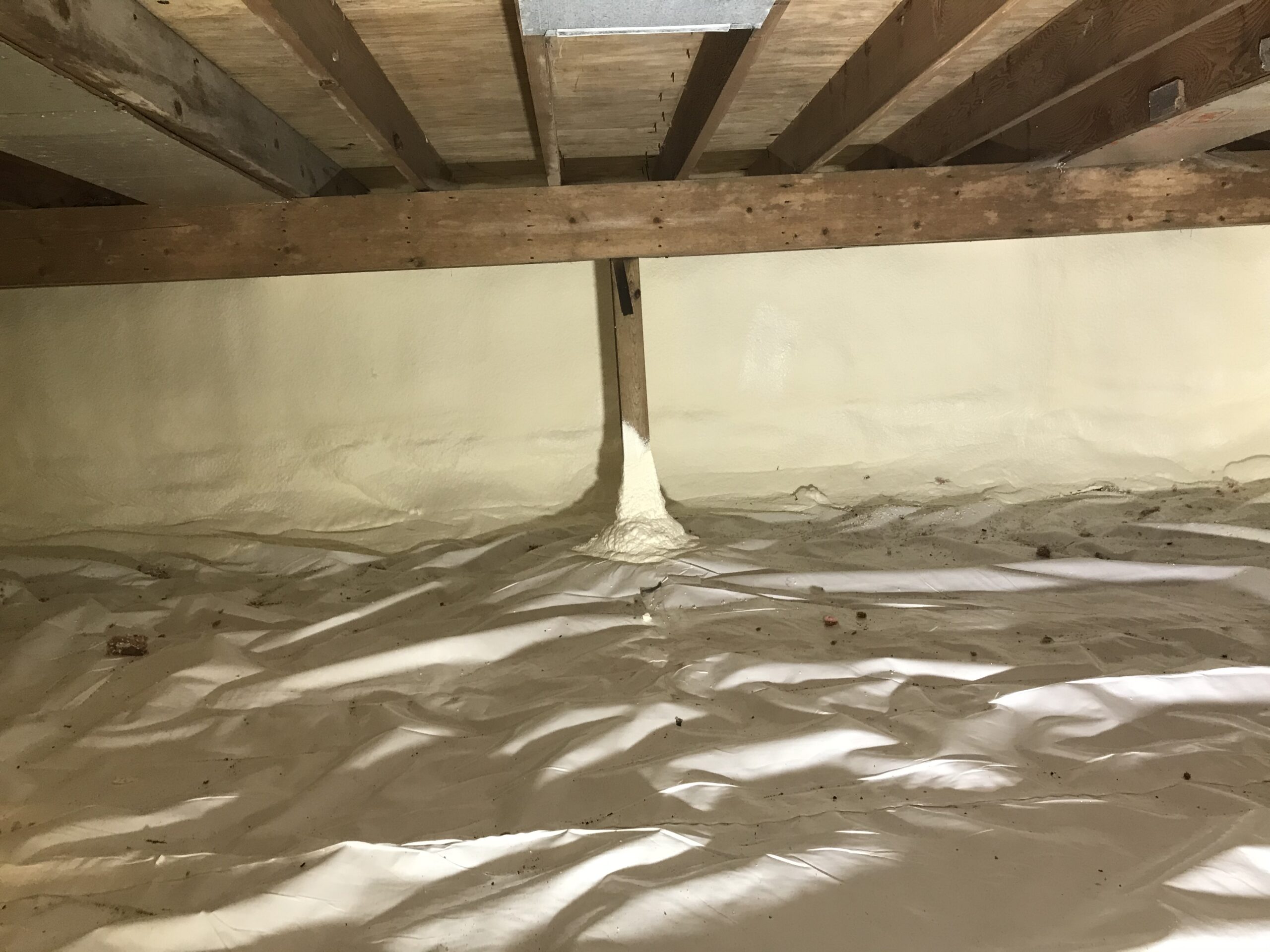
This is why closed-cell spray foam has become the preferred choice for many Central Iowa homeowners. It expands to fill every gap, forms a complete air seal, and does not sag or settle over the years.
How Spray Foam Insulation Solves the Problem
A qualified spray foam contractor in Iowa approaches attic problems differently than a basic insulation swap. Spray foam is sprayed directly into the space, where it expands and hardens into a solid, airtight layer. This creates a barrier that blocks air movement completely, rather than just slowing it down.
Homeowners who upgrade to spray foam commonly report noticeably lower energy bills, often in the range of 30 to 40 percent, along with steadier indoor temperatures across every room, not just the ones closest to the thermostat.
Closed-cell spray foam also acts as a moisture barrier. This matters greatly in Iowa, where humidity and temperature swings can lead to condensation problems inside attics, crawl spaces, and metal buildings.
Attic Insulation Des Moines Iowa: What a Proper Job Looks Like
If you are researching attic insulation in Des Moines, Iowa, it helps to know what a thorough job actually involves. A proper attic insulation project should include:
- A full inspection of the current insulation and any problem areas
- Air sealing around penetrations, such as pipes, wiring, and light fixtures
- Removal of old, damaged, or contaminated insulation, when needed
- Installation of spray foam or another suitable insulation material
- A final walkthrough to confirm the work meets code and performance standards
Skipping any of these steps often means the underlying problem is only partly fixed, and homeowners end up calling a contractor again within a few years.
Not Just Attics: Home and Commercial Insulation in Central Iowa
Attics are not the only trouble spot. A proper home insulation contractor in Iowa will also look at crawl spaces, walls, garages, and pole barns, since air leaks in one part of a home often connect to problems elsewhere.
Businesses face similar issues. Commercial insulation in Des Moines matters just as much as residential work, especially for warehouses, shops, and agricultural buildings. Metal buildings are especially prone to condensation, since metal conducts heat and cold quickly. Without the right insulation, this can lead to dripping ceilings, rust, and even mold on stored equipment.
Choosing the Right Insulation Company in Des Moines, Iowa
Not every insulation company brings the same level of care to a project. When you are comparing an insulation company in Des Moines, Iowa, here are a few things worth checking:
- Verified reviews from real local customers
- Applicators trained and certified in spray foam application
- A contractor willing to inspect your property in person before quoting a price
- Clear, written estimates with no hidden surprises
- A team that explains what they found and why they recommend a specific fix
Precision Insulation & Coatings has served Des Moines and Central Iowa since 2009, completing more than 1,500 residential, commercial, and agricultural projects. Every free on-site inspection is handled personally, with no subcontractors passed off to do the work.
The team offers open-cell and closed-cell spray foam, along with roof coatings and waterproofing for commercial properties, all backed by trained and certified applicators, even though certification is not required by the state of Iowa. Schedule an appointment today to get a no-obligation estimate from our experts!
FAQs
Q1. How can I tell when to replace my attic insulation?
Ans. Symptoms include uneven temperatures, higher energy bills, frequent HVL use, drafts near the attic, having ice dams in the winter, or seeing compressed, damaged or wet insulation. The only way to know if it is needed is to have it professionally inspected.
Q2. What is the advantage of spray foam over conventional insulation?
Ans. A professional spray foam insulation contractor installs insulation that expands to fill gaps and cracks, which can help reduce air leaks, energy costs, moisture build-up, and offer long-lasting insulation qualities that are better than many traditional insulation materials.
Q3. Is spray foam insulation suitable for both residential and commercial buildings in Iowa?
Ans. Yes. Spray foam insulation is a popular choice for homes, commercial buildings, warehouses, agricultural buildings, and metal buildings. It helps to reduce air leakage, enhance energy efficiency, and control moisture in all types of buildings.
Q4. How frequently does attic insulation need to be inspected?
Ans. Inspecting your attic insulation every several years or after the structure is exposed to harsh weather, leaks, or has undergone extensive renovations is a good idea. Periodic checks can detect any air leakage, water infiltration, or insulation damage before it turns into an expensive problem.