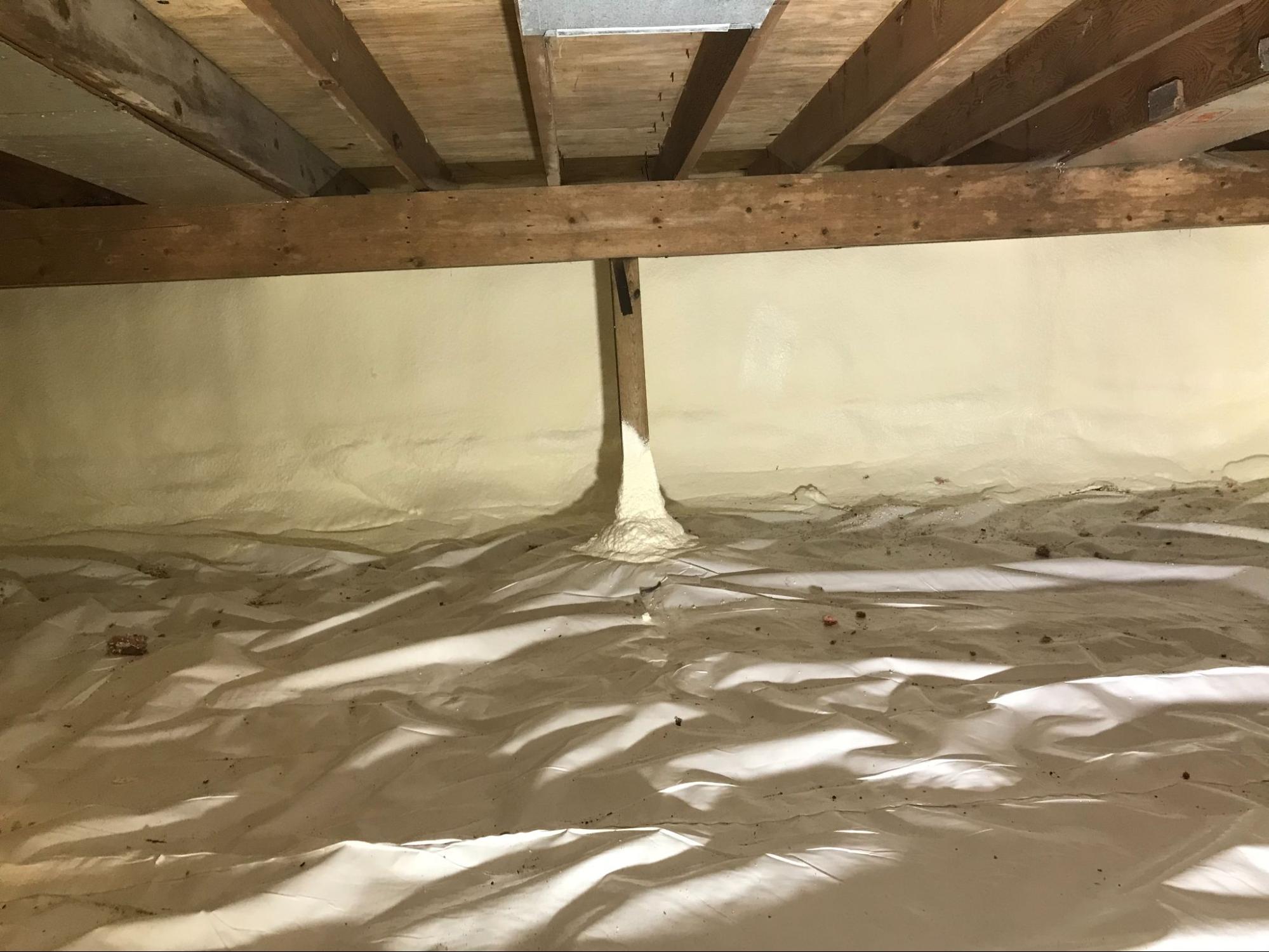
You might wonder why your energy bills stay high after adding insulation to your home. Many homeowners make common insulation mistakes that waste money and reduce comfort. This guide reveals the most frequent errors and shows you how to avoid them for better results. Keep reading to save money on your next insulation project.
Key Insulation Errors Commonly Made by Homeowners
You might think insulation installation looks simple, but homeowners make costly mistakes that can haunt them for years. These errors can turn your energy-saving investment into a money pit, leaving you with higher bills and uncomfortable rooms.
Ignoring air sealing before adding insulation
Air sealing before insulation installation creates the foundation for effective energy efficiency. Your insulation works like a warm winter coat, but air leaks act like leaving that coat unzipped.
Air movement through gaps, cracks, and holes reduces insulation effectiveness by up to 40%. Most homeowners skip this critical first step and jump straight to adding insulation materials. Air sealing should occur before insulation installation to effectively block air movement.
Common air leaks hide around electrical outlets, plumbing penetrations, and attic hatches. These invisible energy thieves allow conditioned air to escape year-round. Caulking, weatherstripping, and foam sealants stop air movement before insulation goes in.
Professional installers at Precision Insulation & Coatings always complete air sealing work first, then add the insulation layer for maximum performance.
Installing incomplete insulation coverage
You might think you’ve covered all the bases, but incomplete insulation coverage creates cold spots that drain your energy dollars quickly. Leaving gaps and voids around joists and corners contributes to incomplete insulation coverage, turning your attic into a thermal problem area.
We’ve inspected numerous Iowa attics where homeowners missed critical areas like rim joists, electrical penetrations, and those difficult spots where walls meet the ceiling. These gaps act like open windows in winter, letting conditioned air escape while cold air rushes in.
Skipping areas around pipes, ducts, and recessed lights creates thermal bridges that compromise your entire insulation system. Your home works overtime to maintain comfortable temperatures because heat finds every escape route you’ve left behind.
Professional installers recognize these trouble spots, having seen the same attic insulation mistakes repeated in home after home. Missing just 5% of your insulation coverage can reduce overall thermal performance by 25%, making your heating and cooling systems work much harder than necessary.
Compressing insulation and reducing its effectiveness
Compressing insulation creates one of the most damaging insulation installation mistakes homeowners make. Think of insulation like a fluffy down jacket. The air pockets trapped between fibers provide the thermal resistance.
Squashing batts into tight spaces crushes these air pockets and destroys the insulation’s ability to slow heat transfer. Cramming R-30 batts into spaces meant for R-19 cuts performance dramatically. The compressed material loses its R-value rating and fails to protect your home properly.
Poor installation practices like oversizing batts or stuffing too much material into cavities backfire every time. Fiberglass and cellulose insulation need space to work effectively.
Forcing oversized pieces into wall cavities or attic spaces reduces thermal performance by 50% or more. Professional installers know to cut batts to fit properly rather than compress them.
Selecting an inappropriate insulation type or R-value for the local climate
You might think all insulation works the same way, but Iowa’s harsh winters and humid summers demand specific R-values and materials. Insufficient R-value for the climate leads to reduced energy efficiency and higher energy bills that drain your wallet month after month.
Homeowners often select incorrect insulation types based on local climate conditions, creating a perfect storm of wasted money and uncomfortable living spaces. Choosing the wrong insulation for your climate is like wearing flip-flops in a snowstorm; it just doesn’t work.
Skimping on insulation material or choosing low-quality options results in inadequate performance that fails to protect your home. Over-insulating without considering ventilation can trap moisture and cause issues like mold growth and structural damage.
Your attic needs the right balance of thermal protection and airflow to handle Iowa’s temperature swings. Poor material choices create long-term costs from ineffective insulation solutions that force your heating and cooling systems to work overtime.
Obstructing ventilation, which can cause moisture problems
Blocking ventilation by covering soffit or roof vents leads to trapped moisture and mold problems. Many homeowners make this critical error during attic insulation projects. Spray foam or fiberglass gets stuffed into soffit areas, cutting off airflow completely.
This mistake turns your attic into a moisture trap. We’ve seen countless homes where blocked vents created serious humidity issues within months.
Over-insulation without adequate ventilation can trap moisture, creating humidity challenges throughout the house. Your attic needs to breathe, just like your lungs do. Proper airflow prevents condensation from building up on the roof decking and insulation materials.
Covering roof vents with insulation material stops this natural air movement. The result is often rotted wood, damaged insulation, and expensive repairs that could have been avoided with proper ventilation planning.
Strategies to Prevent Common Insulation Errors
You can avoid these costly mistakes by taking a smart approach to your insulation project. The right planning and professional help will save you money, time, and headaches down the road.
Choose the correct materials and plan effectively.
Selecting the right insulation materials for your Iowa climate makes all the difference in your home’s energy efficiency. Fiberglass batts work well in standard wall cavities, while blown-in cellulose excels in attics with irregular spaces.
Spray foam tackles those tricky areas around pipes and electrical boxes that other materials can’t reach. Your local climate demands specific R-values, so research what building codes require for your area before shopping. Planning your project means measuring every space accurately and ordering 10% extra material to avoid gaps.
Map out your installation sequence before starting any work. Air sealing comes first, insulation second, and ventilation checks last. Our team has seen countless homeowners rush into projects without proper planning, only to discover they bought the wrong R-value or insufficient quantities.
Create a detailed list of all areas needing insulation, from basement walls to attic floors. This approach prevents the frustration of multiple trips to the store and helps you stay within budget while achieving optimal energy savings.
Engage professional installers for specialized tasks
Planning materials correctly set the foundation, but execution makes the difference. Professional installers bring specialized knowledge that prevents costly mistakes. These experts effectively air seal gaps to prevent air leaks in your insulation system.
Qualified contractors know how to install insulation without compressing it, maintaining its full R-value for maximum energy efficiency.
Experienced installers prevent blocking crucial ventilation areas, which addresses moisture and mold issues before they start. They select the correct insulation type suited for Iowa’s specific climate conditions.
Hiring professional installers reduces safety hazards near heat sources like recessed lights or chimneys. Professional assessments help you avoid common mistakes while achieving optimal insulation performance for your home.
Conclusion
Avoiding these common insulation mistakes can save you thousands of dollars on energy bills over time. Air sealing before installation, proper material selection, and complete coverage make the difference between a successful project and a costly headache.
Professional installers bring expertise that prevents moisture problems and safety hazards. Contact Precision Insulation & Coatings for a free estimate and discover how proper insulation transforms your home’s comfort and efficiency.
FAQs
1. What’s the biggest insulation blunder homeowners make when tackling DIY projects?
Skipping air sealing before installing insulation is like putting a sweater on someone with holes in their shirt. You’ll still feel the draft, and your energy bills will keep climbing.
2. Do most people mess up when choosing insulation types for different areas?
Yes, they absolutely do. Homeowners often grab whatever’s cheapest at the store, but your attic needs different stuff than your basement walls.
3. Why do so many folks end up with gaps and compressed insulation?
People rush the job and stuff insulation into tight spots like they’re packing a suitcase. Compressed insulation loses its power to keep heat in, and gaps let cold air sneak through like uninvited guests.
4. What moisture mistakes send homeowners down the wrong path?
Installing insulation without vapor barriers in humid areas creates a recipe for mold and rot. Your house starts breathing wrong, and before you know it, you’ve got bigger problems than high heating bills.