Walk into your home on a freezing January morning in Central Iowa, and you might notice something feels off. The heater is running, yet certain rooms still feel cold. In summer, your air conditioner works overtime, but the house never quite feels cool enough. Your energy bills keep rising, and comfort seems harder to achieve each year. Sound familiar?
In many cases, the real problem isn’t your heating or cooling system; it’s your insulation. From aging materials to hidden air leaks and moisture damage, insulation issues are surprisingly common in Central Iowa homes. These problems don’t just affect comfort; they quietly drain your energy, increase your expenses, and put unnecessary strain on your home.
In this guide, we’ll explore the most common insulation problems homeowners in Central Iowa face, how to spot them early, and what you can do to fix them before they turn into costly repairs.
Common Insulation Problems in Central Iowa Homes
Ice Dams and Inadequate Air Sealing
Ice dams plague Central Iowa homes every winter, and inadequate air sealing sits at the heart of this costly problem. Air leaks from electrical outlets, plumbing penetrations, and attic hatches allow warm air to escape into your attic space. This warm air melts snow on your roof, creating water that refreezes at the gutters. The result? Expensive water damage that could have been prevented with proper air sealing.
- Air leaks can reduce insulation effectiveness by up to 40%, making proper sealing critical for Central Iowa homeowners.
- Poor air sealing creates a domino effect that goes far beyond ice dams. Your heating system works overtime to replace the warm air escaping through these gaps. Energy bills skyrocket while comfort levels plummet.
- Attic insulation problems in Iowa homes often stem from this fundamental issue, not just insufficient insulation material. Caulking, weatherstripping, and foam sealant must be applied before insulation installation to address these air leaks effectively.
- Central Iowa’s freeze-thaw cycles make inadequate air sealing particularly destructive. Ice dams form repeatedly throughout winter, causing progressive damage to roofing materials, gutters, and interior spaces.
Spray foam insulation, Central Iowa contractors recommend, can help address some air sealing issues simultaneously with insulation upgrades. Smart homeowners tackle air sealing first, then add proper insulation to create a complete thermal barrier that protects against our harsh winter conditions.
Poor Ventilation and Moisture Buildup
Air sealing problems often create a domino effect that leads to poor ventilation and moisture buildup in Central Iowa homes. We see this issue constantly in homes where blocked attic ventilation, such as covered soffit vents, raises humidity and mold risk.
- Many installers make the critical mistake of obstructing airflow by blocking soffit or wall vents during installation.
- High humidity causes moisture and condensation, mold, and decay if insulation is poorly installed in your home. Poor ventilation traps warm, moist air in spaces like attics and crawl spaces, creating perfect conditions for mold growth.
- We’ve discovered that Central Iowa home insulation issues often stem from inadequate airflow combined with temperature differences between indoor and outdoor spaces.
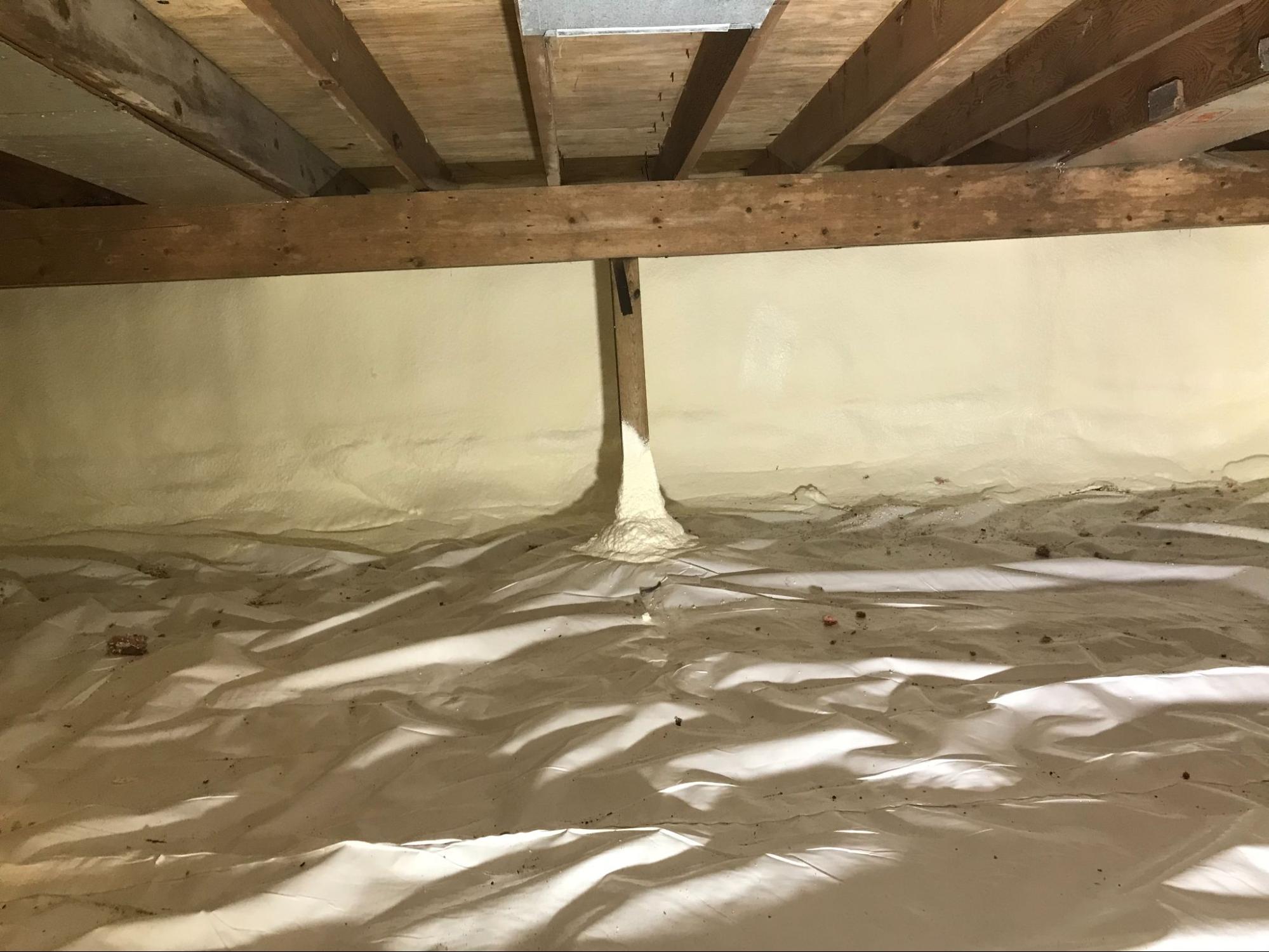
- Spray foam insulation acts as both an air seal and a vapor retarder, helping control moisture when installed correctly. Air sealing reduces moisture risks, preventing rust and mold in garages and other problem areas.
- Rigid foam board insulation is moisture-resistant and needs proper installation to avoid trapping humidity between building materials.
Not using vapor barriers in humid areas leads to mold, rot, poor air quality, and higher heating costs for homeowners throughout central Iowa.
Insufficient R-Value for Iowa’s Climate
Most Central Iowa homes lose heat so fast because they lack proper R-value ratings for our harsh winters.
- We see countless homes with R-20 or R-30 attic insulation when the Department of Energy recommends R-49 for our climate zone.
- Your heating bills skyrocket because thin insulation can’t fight Iowa’s bitter cold and scorching summers.
- Older homes built before modern energy codes often have crawl space insulation problems Iowa homeowners face daily, with basement walls sitting at R-8 instead of the recommended R-13 or higher.
- Central Iowa insulation problems stem from builders who installed minimal insulation to meet outdated standards.
- Attic insulation problems Iowa residents discover include blown-in material that has settled to half its original thickness over decades.
- Garage walls need R-13 to R-20 in climate zones 5 and 6, which includes Des Moines, yet many homes have zero wall insulation.
Air sealing Central Iowa homes becomes critical because gaps around insufficient insulation create thermal bridges that waste energy year-round.
Gaps and Voids in Insulation
Gaps and voids plague Central Iowa homes like hidden energy thieves. We see this problem daily in our work across the state.
- Missing 5% of insulation can cut performance by 25%, which explains why Central Iowa homes lose heat so fast during brutal winter months.
- Rim joists and corners create the worst trouble spots. Cold air sneaks through these openings, creating drafts and uncomfortable hot spots throughout the house.
- DIY insulation projects often result in gaps and compression from rushing or poor fitting, reducing performance significantly.
- Incomplete coverage creates cold spots and energy loss that can devastate your heating bills.
- Professional installation prevents these costly errors by providing full coverage without compression. Blown-in cellulose insulation works well for retrofits because it fills gaps effectively.
- Spray foam insulation at the rim joists stops drafts cold. Insufficient insulation application, such as leaving gaps and holes, ranks as the most common mistake we encounter.
Proper installation techniques eliminate these problems, keeping your home comfortable year-round.
Solutions to Insulation Problems
Fixing these insulation problems requires the right materials, proper installation techniques, and understanding of Iowa’s specific climate challenges, which we’ll explore in detail to help you make informed decisions for your home.
Attic Insulation
Proper attic insulation stops Central Iowa homes from losing heat fast during harsh winters. We see countless homes with insufficient attic coverage that drives up energy bills and creates comfort problems.
- Installing R-49 insulation in your attic meets Iowa’s climate requirements and prevents excessive heat loss through your ceiling.
- Adding cellulose insulation fills gaps better than traditional materials, making it perfect for attic retrofits in older homes.
- Combining air sealing with new insulation creates a thermal barrier that keeps conditioned air inside where it belongs.
- Blown-in insulation covers irregular joist spacing and reaches tight corners that batts often miss completely.
- Proper attic insulation reduces outside noise significantly while maintaining steady temperatures that prevent ice dam formation.
- Upgrading your attic insulation increases property resale value and attracts energy-conscious buyers in today’s market.
- Inspecting flooring under rooms above garages reveals common insulation gaps that cause cold spots and drafts.
- Professional installation prevents compression issues that reduce insulation performance and waste your investment.
- Quality attic insulation pays for itself through lower heating bills, especially during Central Iowa’s brutal winter months.
- Scheduling insulation work during mild weather allows proper installation without exposing your home to temperature extremes.
Spray Foam Insulation
Spray foam insulation provides the most effective solution for Central Iowa homes that lose heat so fast. We install this premium insulation material that offers superior R-values while sealing air leaks simultaneously.
- Spray foam delivers higher R-values than traditional fiberglass, ranging from $2.00 to $3.50 per square foot for materials and $3.10 to $4.90 for professional installation.
- Closed-cell spray foam acts as both an air seal and a vapor retarder, preventing moisture problems that plague many Iowa homes during harsh winters.
- Fresh, high-quality spray foam performs best, while expired or low-grade foam materials fail to provide adequate thermal protection and air sealing.
- Professional installation requires a 24-hour cure time and strict EPA re-entry safety protocols to protect your family’s health and safety.
- Rim joist insulation benefits most from closed-cell spray foam because it resists moisture infiltration and provides structural support.
- Precision Insulation & Coatings in IA brings over 15 years of spray foam experience to each project.
- Our team completes more than 200 spray foam projects annually, giving us extensive knowledge of Iowa’s specific climate challenges.
- Spray foam seals gaps and voids that allow heated air to escape, addressing the main reason Central Iowa homes lose heat rapidly.
- Installation costs more upfront than fiberglass, but spray foam reduces energy bills significantly over time through superior air sealing properties.
- Moisture resistance makes spray foam ideal for basements, crawl spaces, and other areas where humidity creates problems for traditional insulation materials.
Fiberglass Insulation
While foam insulation offers excellent air sealing, fiberglass remains the most budget-friendly option for Central Iowa homeowners. We’ve installed thousands of square feet of fiberglass in homes across the region and know exactly why Central Iowa homes lose heat so fast with poor installation.
- Fiberglass costs just $0.60 to $1.20 per square foot for materials, making it accessible for most budgets. Professional installation runs $0.70 to $1.30 per square foot.
- This insulation provides R-13 to R-21 values depending on thickness. Dense-pack fiberglass works well in walls, attics, and crawl spaces.
- Compression kills fiberglass performance completely. Stuffing batts into tight spaces reduces their R-value by up to 50 percent.
- Moisture causes fiberglass to sag and lose effectiveness over time. A proper vapor barrier prevents this common problem in Iowa’s humid climate.
- Professional installers cut batts to exact measurements without gaps. DIY installations often leave spaces that let cold air sneak through.
- We always air seal before installing fiberglass insulation. This step stops drafts that make homes lose heat quickly in winter.
- Fiberglass batts work great for standard wall cavities between studs. Dense-pack blown-in fiberglass fills irregular spaces better than batts.
- Proper protective gear is essential during installation. Fiberglass particles irritate the skin and lungs without gloves, masks, and long sleeves.
- Well-fitted fiberglass reduces noise from traffic and lawn equipment. This bonus makes homes more comfortable year-round.
- Precision Insulation & Coatings offers blown-in fiberglass upgrades for existing attics. This method fills gaps that batts often miss.
- Taping seams between batts prevents air leaks. Many DIY jobs skip this crucial step and wonder why heating bills stay high.
- Fitting insulation around utilities requires careful cutting and sealing. Gaps around pipes and wires create thermal bridges that waste energy.
Conclusion
Central Iowa homeowners face real challenges with heat loss, but solutions exist. We’ve seen countless homes transform from energy drains into comfortable, efficient spaces through proper insulation upgrades. Poor air sealing, inadequate R-values, and moisture problems don’t have to drain your wallet year after year.
Professional insulation installation by Precision Insulation & Coatings can reduce your heating bills by up to 20 percent while creating the cozy home your family deserves.
FAQs
1. Why do Central Iowa homes lose heat so fast during the winter months?
Central Iowa homes lose heat quickly because of poor insulation in attics, basements, and crawl spaces. Old insulation settles over time, creating gaps that let warm air escape like water through a leaky bucket.
2. What causes drafty rooms in Central Iowa houses?
Drafty rooms happen when the insulation around windows, doors, and electrical outlets breaks down or gets damaged. Air leaks through these spots, making some rooms feel like ice boxes while others stay warm.
3. How does moisture affect insulation in Iowa homes?
Moisture sneaks into insulation through roof leaks, basement seepage, or high humidity levels. Wet insulation loses its power to keep heat in, plus it can also grow mold that makes your family sick.
4. What insulation problems show up in older Central Iowa properties?
Older homes often have thin, outdated insulation that doesn’t meet today’s standards. Some houses still have dangerous asbestos insulation, while others have gaps where rodents made nests or insulation simply fell apart over the years.