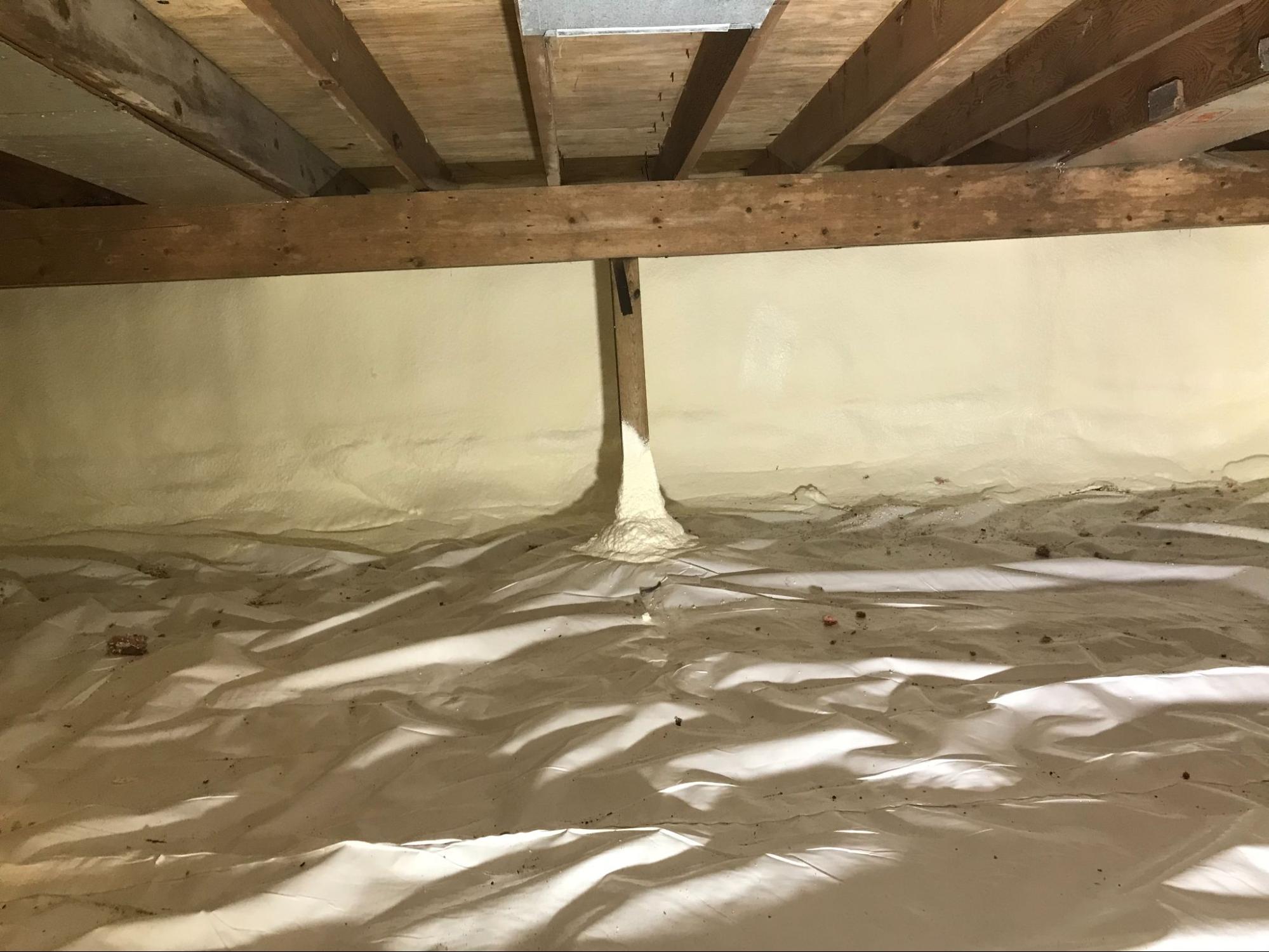
Do your heating bills keep climbing while cold spots linger in every room? We see this struggle all the time with Iowa homes. Those drafty hallways and icy bedrooms don’t have to be your reality. Spray foam insulation creates an air-tight seal that stops heat from escaping and keeps your family comfortable through every Iowa winter.
Let’s walk through everything you need to know about spray foam insulation, from how it works to whether it’s the right fit for your home.
What Is Spray Foam Insulation?
Spray foam insulation acts as a protective shield for your walls, attics, and crawl spaces. We spray a liquid mixture that expands up to 30 times its original size, filling every gap and crack in ways that traditional blown-in insulation simply can’t match. The foam bonds directly to wood, metal, and concrete surfaces. It creates a continuous layer that seals out drafts and locks in your conditioned air.
You have two main options: open-cell and closed-cell spray foam. Closed-cell foam provides superior moisture resistance, making it perfect for Iowa’s humid summers and harsh winters. Open-cell foam offers excellent soundproofing along with solid thermal protection at a lower cost.
According to the U.S. Environmental Protection Agency, homeowners can save up to 20 percent on monthly energy bills by adding proper insulation and sealing air leaks. We see these savings play out in Iowa homes every single day. When properly installed, spray foam insulation can last 80 to 100 years. That means this is truly a one-time investment for most homeowners.
We’ve watched spray foam transform century-old Iowa farmhouses into energy-efficient homes that stay cozy all winter without breaking the bank on heating costs.
Materials Used in Spray Foam Insulation
We use two distinct materials on Iowa job sites: open-cell and closed-cell spray foam. Each one serves a specific purpose based on your home’s needs.
Closed-Cell Spray Foam
Closed-cell spray foam delivers an R-value between R-6 and R-7 per inch. This high thermal resistance makes it the go-to choice for extreme climates like ours here in Iowa. The dense structure creates an effective moisture barrier. We recommend closed-cell for basements, crawl spaces, and any area facing water exposure or temperature extremes.
This material also adds structural strength to your building. The rigid foam bonds to framing members and can even help reinforce walls against Iowa’s strong winds.
Open-Cell Spray Foam
Open-cell foam provides an R-value of around R-3.5 to R-3.8 per inch. While lower than closed-cell, it still significantly outperforms traditional fiberglass batts. The softer, lighter material expands rapidly to fill cavities. This makes it ideal for large attic spaces where you need extensive coverage without the higher cost of closed-cell.
Open-cell foam excels at noise reduction. Many homeowners choose it for interior walls between rooms or in home offices where soundproofing matters as much as temperature control. By applying building science principles from years of hands-on Iowa installations, we match the right material to your specific project needs.
How Does Spray Foam Insulation Work?
Spray foam insulation relies on a chemical reaction between two liquid components. When these chemicals meet at the spray nozzle, they immediately start to expand and harden. The expanding foam fills every tiny gap, crack, and hole in your building envelope. It adheres firmly to whatever surface it touches, whether that’s wood studs, metal beams, or concrete foundations.
This creates an airtight barrier that stops conditioned air from escaping. Heat can’t sneak out during winter or slip in during Iowa’s hot, humid summers. Closed-cell spray foam achieves its superior performance through a high R-value per inch. The dense cell structure traps air inside tiny closed bubbles, providing maximum thermal resistance with minimal thickness.
Open-cell foam works differently. Its flexible structure allows slight air movement within the foam itself, but still blocks air from passing through the building envelope. This flexibility makes it perfect for areas that might shift slightly over time.
The cured foam also adds structural support to your walls and roof. According to data from the U.S. Department of Energy, buildings with spray foam can reduce energy loss by up to 50 percent in variable climates like Iowa’s.
Types of Spray Foam Insulation
Open Cell Spray Foam
Open-cell spray foam feels soft and springy to the touch. It expands quickly after application, reaching into every nook and corner that’s difficult to access with traditional insulation methods.
The material cuts drafts effectively and helps maintain steady temperatures throughout your home. This consistency can reduce energy bills substantially over time. The lower density provides excellent soundproofing. We often install open-cell foam in media rooms, bedrooms, or any space where noise control matters to your family’s comfort.
Precision Insulation & Coatings uses this foam type strategically in Iowa homes and businesses. We bring building science expertise directly to your property with free on-site estimates tailored to your unique situation. Quality insulation delivers quieter rooms, more even temperatures, and real savings on your monthly utility bills.
Closed Cell Spray Foam
Closed-cell spray foam stops both air movement and moisture penetration. The rigid, dense structure provides the highest insulation value available in spray foam products. This material blocks heat transfer more effectively than any other common insulation. Your furnace and air conditioner run less often, which translates directly to lower energy costs.
We see homeowners in Iowa notice immediate improvements after installation. Those uncomfortable temperature swings disappear, and monthly utility bills drop noticeably within the first billing cycle.
The hardened foam also reinforces your building structure. It adds rigidity to walls and ceilings, which can be particularly valuable in older homes or in areas prone to severe weather.
At Precision Insulation & Coatings, we apply building science principles to maximize performance in both new construction and retrofit projects. Our team offers free on-site estimates so you understand exactly what your project requires, with no guesswork or hidden surprises.
Key Benefits of Spray Foam Insulation
Energy Efficiency
Cutting your energy bills makes a real difference in your monthly budget. Spray foam seals gaps and blocks air leaks, keeping heated or cooled air exactly where you want it. Your HVAC system works less often because buildings maintain their temperature longer. We’ve seen Iowa homes reduce heating and cooling expenses by 30 to 50 percent after a professional installation.
According to the U.S. Environmental Protection Agency, homeowners can save an average of 15 percent on heating and cooling costs by air sealing their homes and adding insulation in attics and crawl spaces. These aren’t theoretical numbers. They represent real savings that show up in your bank account every month.
Spray foam insulation lasts 80 to 100 years when installed correctly. That longevity means you’re done worrying about replacing sagging or settling insulation for the lifetime of your home.
Moisture and Vapor Barrier
Spray foam excels at blocking moisture and water vapor. Closed-cell spray foam creates an effective barrier that stops most water vapor before it can penetrate your walls. This protection means fewer concerns about mold growing in hidden corners or behind drywall.
Open-cell foam provides some moisture control, too, though it’s more breathable than its closed-cell counterpart. Proper moisture management keeps your home healthier and your structure more durable. It prevents rot, reduces the risk of mold-related health issues, and protects your investment over the long term.
For Iowa homes facing unpredictable weather and humidity swings, these moisture control benefits deliver real peace of mind along with lower energy costs.
Improved Indoor Air Quality
An airtight seal blocks outdoor pollutants right at your building envelope. Spray foam stops dust, pollen, and even vehicle exhaust from infiltrating your living spaces. Families dealing with allergies or asthma notice the difference immediately. The air inside stays cleaner day after day, especially in older Iowa homes where drafts once allowed contaminants to flow freely.
Consistent temperatures also help regulate indoor moisture levels. This prevents mold growth from taking hold in damp corners or behind walls where you can’t see it developing.
At Precision Insulation & Coatings, we rely on proven building science to boost both energy efficiency and health benefits for everyone in your home. Better air quality isn’t just a nice bonus. It’s one of the most important improvements spray foam delivers.
Spray Foam Insulation for Different Applications
Different areas of your home need different insulation approaches. Here’s how spray foam works in the spaces that matter most.
Attic Insulation
Your attic loses heat faster than almost any other part of your home. Warm air rises naturally, escaping through thin insulation or small gaps in the building envelope.
At Precision Insulation & Coatings, we apply spray foam in Iowa attics for both new construction and existing homes. Closed-cell foam provides the tightest seal and highest R-values, making it perfect for stopping drafts and slashing energy bills.
We also offer open-cell options where breathability matters most. Our attic insulation services prevent air leaks, making every dollar you spend on heating and cooling count while boosting year-round comfort. With building science guiding each project, we provide free on-site estimates so you can see exactly how much better an insulated attic will perform.
Barndominium Spray Foam Insulation
Barndominiums present unique insulation challenges with their large, open spaces and metal construction. Spray foam addresses these challenges head-on by sealing every crack and gap in the building envelope.
We apply spray foam directly to metal walls and roofs. This creates a continuous thermal barrier that resists moisture buildup, which is crucial for structures with lots of exposed metal surfaces. Iowa barndominium owners tell us they notice fewer drafts immediately after installation. The sealed environment stops dust, pollen, and insects from entering through tiny openings in the metal building.
Heating and cooling costs often drop substantially once the work is complete. Air leaks disappear overnight, eliminating those frustrating temperature swings that make large open spaces uncomfortable. For anyone wanting year-round comfort in their barndominium without sky-high energy bills, spray foam delivers consistent results in Iowa’s challenging climate.
Is Spray Foam Insulation Safe?
Spray foam insulation is safe once it has fully cured. The liquid chemicals expand and harden within minutes, forming a solid barrier that doesn’t release harmful substances into your home.
During installation, we always wear full protective equipment. We recommend that building occupants stay away from the work area for at least 24 hours while the foam cures and any fumes dissipate completely.
Professional spray foam products meet strict safety standards set by organizations, including the Spray Polyurethane Foam Alliance. Manufacturers test their formulations extensively to ensure they comply with building codes and health regulations.
After the foam cures, it doesn’t give off odors or release gases into your living spaces. Many clients share how much fresher and cleaner their homes feel compared to older insulation types that can harbor dust and allergens.
If anyone in your household has allergies or asthma, proper ventilation during the 24-hour curing period makes a noticeable difference. We always use certified installers who follow strict safety protocols throughout every step of the process.
Installation Process of Spray Foam Insulation
Professional spray foam installation follows a clear, proven process. Here’s how we ensure quality results on every Iowa project.
- We start with a free on-site estimate, visiting your property to assess the space, take measurements, and discuss your specific needs with no surprises.
- The work area receives careful preparation. We cover furniture, protect electrical outlets, and set up proper ventilation to maintain safety throughout the job.
- All surfaces that will receive foam are cleaned thoroughly. Removing dust and debris ensures the foam adheres properly for lasting performance.
- Our licensed installers mix the two chemical components using professional-grade equipment right before application begins.
- We apply the foam in controlled layers, spraying evenly across each cavity to ensure complete coverage of every crack and gap.
- The foam expands rapidly within seconds, forming an effective seal against air leaks, moisture, and outdoor temperature extremes.
- After curing for 8 to 24 hours (depending on conditions and foam type), we trim any excess material to create flat, even surfaces ready for drywall or finishing.
- Final cleanup includes removing protective covers and vacuuming up any debris. We leave each job site clean and ready for the next construction phase.
- A final walkthrough allows us to answer your questions, review the coverage areas together, and provide guidance for maintaining your new insulation.
Our experience with both fiberglass insulation and spray foam gives us confidence in delivering results that Iowa homeowners can count on, even when Midwest weather keeps throwing curveballs.
Potential Drawbacks of Spray Foam Insulation
Spray foam insulation costs more upfront than fiberglass or cellulose. The initial investment can feel steep, but the energy savings typically pay back the difference within 3 to 7 years based on real-world data.
Professional installation matters more with spray foam than with other insulation types. Incorrect mixing ratios can create problems, from foul odors to incomplete curing. That’s why hiring experienced, certified installers makes such a big difference in your final results.
Older homes sometimes need extra preparation work before we can apply spray foam. You might need moisture remediation or updates to meet current fire safety codes, which can add to the project timeline and cost.
Once spray foam cures, it bonds permanently to your building structure. Removing it later for electrical work or plumbing changes requires more effort than pulling out fiberglass batts. Plan if you anticipate future renovations in foam-insulated areas.
During application and curing, some occupants notice chemical odors. Proper ventilation solves this issue, but it does mean you’ll need to vacate the space for 24 hours after installation completes.
If spray foam gets wet before curing or if it’s installed improperly with gaps behind it, moisture can become trapped. This creates conditions where mold might grow unseen. Professional installation prevents these problems before they start.
Conclusion
Spray foam insulation transforms how Iowa homes manage heating and cooling. The airtight seal keeps your comfort inside and waste outside, delivering lower bills and fewer drafts throughout every season.
If you want lasting results and higher energy efficiency for your Iowa property, spray foam makes perfect sense. Ready to see what better insulation can do for your home? Reach out to Precision Insulation & Coatings for a free estimate, and let’s make your space more comfortable all year long.
FAQs
1. What materials make up spray foam insulation?
It is a two-part chemical system primarily made of Methylene Diphenyl Diisocyanate (MDI) and a customized polyol resin blend. When these two liquids meet in our professional spray gun, they undergo a reaction that instantly expands and hardens into the durable barrier you see in your walls.
2. How does spray foam insulation actually work?
Once we spray the liquid mixture, it expands rapidly, up to 100 times its original volume for open-cell foam, to fill every cavity and create a seamless thermal air seal.
3. What benefits does spray foam insulation offer homeowners?
According to the EPA’s Energy Star program, sealing air leaks with this material can save you roughly 15% on heating and cooling costs. Beyond those monthly savings, closed-cell foam adds significant structural strength to your home and acts as a powerful barrier against moisture and outside noise.
4. Can I install spray foam insulation myself, or do I need a professional?
We strongly recommend hiring a pro because handling isocyanates without a fresh-air supply system can lead to permanent respiratory sensitization. Professional equipment also ensures the chemicals mix at a precise 1:1 ratio, preventing the uncured, fishy-smelling mess that often happens with DIY kits.