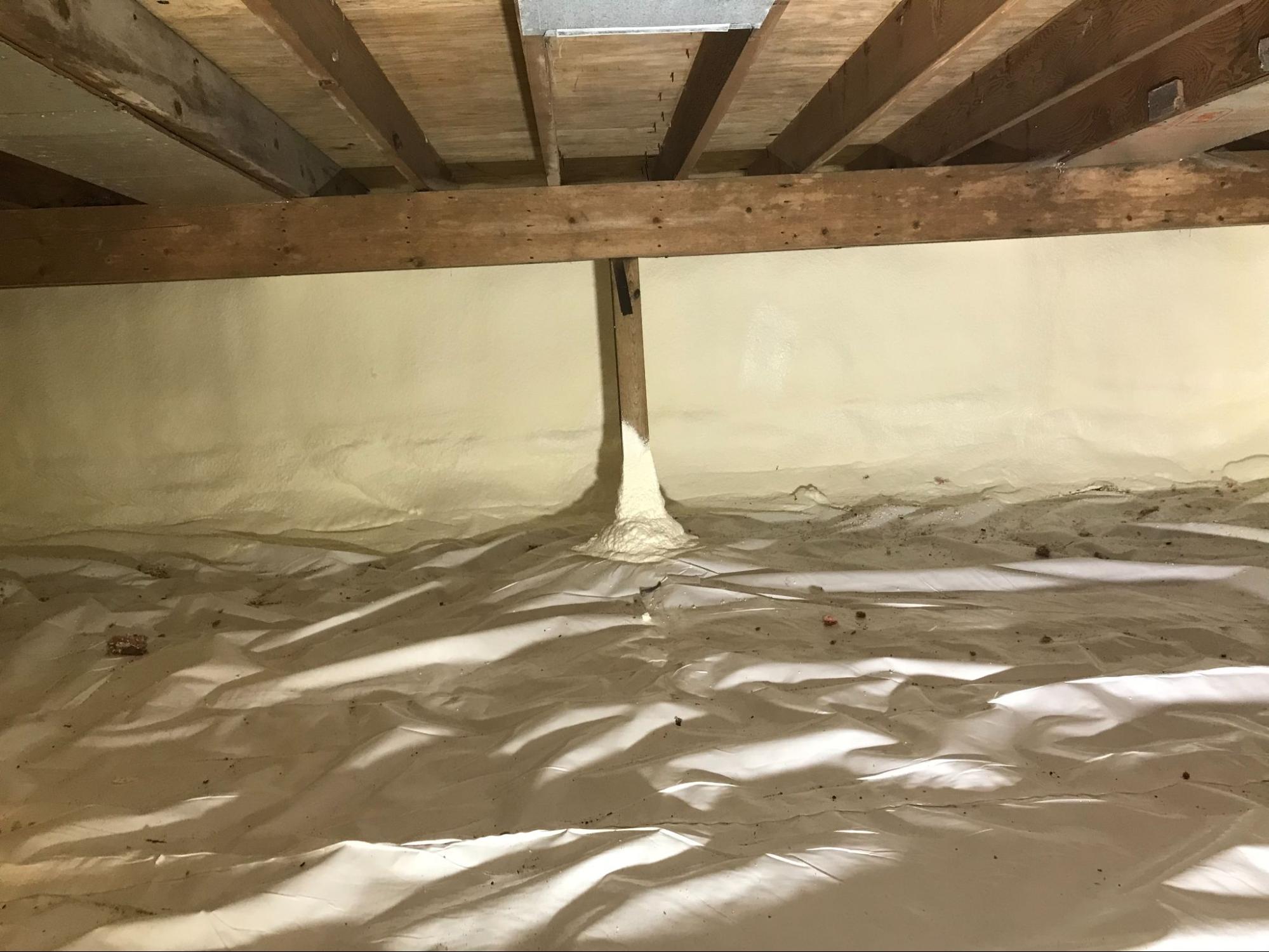
Humidity affects how comfortable you feel in your home every day. When the air is too dry, you might notice itchy skin or static shocks. When it’s too humid, rooms can feel sticky and stuffy.
Most experts recommend keeping your indoor humidity between 30% and 50% for the best comfort and health. This range helps you avoid problems like mold growth, respiratory issues, and damage to your furniture or floors. The right level can also make your home feel more comfortable without adjusting your thermostat.
Getting your humidity just right takes some understanding of how to measure it and what tools you need. Your ideal humidity level can change based on the season and where you live. This guide will help you understand why humidity matters, how to check it in your home, and what you can do to keep it in the right range all year long.
Ideal Indoor Humidity Levels
Keeping your home at the right humidity level protects your health and your house. Most experts agree on a range of 30% to 50% relative humidity, though the exact target shifts with the seasons and varies by room.
Standard Humidity Range for Homes
The ideal humidity for home environments falls between 30% and 50% relative humidity. This range keeps you comfortable while preventing problems like mold growth and dust mites. When you stay within this range, your skin won’t dry out, and your breathing stays easier.
The EPA and ASHRAE both support these numbers as the best target for indoor spaces. Going below 30% causes dry skin, static electricity, and irritated airways. Going above 50% creates conditions where mold and bacteria thrive.
You can measure your current levels with a digital hygrometer. Place one in your main living area to get a baseline reading. This shows you whether you need a humidifier or a dehumidifier to reach the ideal range.
Recommended Humidity by Season
Winter calls for lower humidity levels between 30% and 40%. Cold air holds less moisture, so indoor air naturally gets drier when you heat your home. You’ll likely need a humidifier during these months to prevent overly dry conditions.
Summer requires tighter control at 45% to 55%. Warm air carries more moisture, which can push your indoor humidity too high. Run your air conditioning and use dehumidifiers in damp areas to stay in range.
Spring and fall bring frequent changes in outdoor humidity. Check your levels weekly during these transition periods. Open windows on dry days to help balance your indoor air naturally.
Room-by-Room Humidity Targets
Different rooms need different humidity targets based on how you use them:
- Living areas and bedrooms: Keep these spaces at 40-50% for comfort and good sleep. Bedrooms do best at the lower end of this range to reduce dust mites.
- Kitchens: Target 45-55% and use exhaust fans while cooking. Dishwashing and boiling water add moisture quickly, so ventilation matters here.
- Bathrooms: Maintain 50-60% but never higher. Always run your vent fan during showers and for 20 minutes after. This prevents mold on grout and ceilings.
- Basements: Keep these at 30-50% with a dehumidifier running year-round. Basements are prone to dampness and need constant monitoring.
Place a hygrometer in each major room to track these targets accurately. What is good for humidity in the house varies by space, so room-specific monitoring helps you catch problems early.
Why Humidity Matters: Health, Comfort, and Your Home
The humidity level in your house affects more than just how the air feels. Indoor moisture impacts your physical health, damages items in your home, and changes how comfortable you feel every day.
Effects of High Humidity Levels
High moisture creates the perfect environment for mold and mildew to grow on walls, ceilings, and in hidden spaces like closets. Dust mites thrive when home humidity exceeds 50 percent. These tiny bugs can trigger allergies and asthma symptoms. You might notice more sneezing, coughing, or breathing difficulties.
High humidity makes your house feel warmer than it actually is. Your body relies on sweat evaporation to cool down, but when the air holds too much moisture, sweat stays on your skin. This forces your air conditioner to work harder and increases energy bills.
Common signs of high humidity include:
- Condensation on windows
- Musty odors in rooms
- Damp spots on walls or ceilings
- Peeling paint or wallpaper
Risks of Low Humidity
When humidity drops below 30 percent, your body loses moisture to the dry air. Your skin becomes itchy and flaky. Your cuticles crack, and your lips may bleed. Your eyes can feel dry and irritated.
Low humidity dries out the mucous membranes in your nose and throat. This makes you more vulnerable to respiratory infections and makes it harder to recover from colds. You might wake up with a stuffy nose or sore throat.
Static electricity becomes a constant annoyance when the indoor air is too dry. You’ll get shocked when touching doorknobs or other metal objects. Dry air makes your house feel colder than the actual temperature. You might turn up the heat to compensate, which wastes energy and money while making the air even drier.
Humidity and Home Maintenance
Wood items in your home respond directly to changes in moisture levels. Low humidity causes wood floors to shrink, creating gaps between boards and making them creak. Wooden furniture can split or crack. High humidity makes wood swell and warp.
Musical instruments need stable humidity between 45 and 55 percent to stay in tune and maintain their shape. Guitars, violins, and pianos can suffer permanent damage from extreme dryness or moisture.
Leather furniture and goods need moderate humidity to stay supple. When the air is too dry, leather pores shrink, and the material becomes stiff and brittle. Paint and wallpaper peel away from walls when humidity swings too high or too low. Maintaining proper home humidity protects your walls and reduces the need for repairs.
Monitoring and Measuring Humidity
A hygrometer is the primary tool you need to track home humidity levels accurately. Understanding how to read the device and recognize physical warning signs helps you maintain the recommended 40-60% range throughout your home.
How to Use a Hygrometer
A hygrometer measures the relative humidity in your home by detecting water vapor in the air. Digital hygrometers are the most accurate and easiest to use. Place the device at chest height in the center of the room you want to monitor.
Keep the hygrometer away from windows, doors, heating vents, and air conditioning units. These locations give false readings because of temperature changes and airflow. Don’t place it near bathrooms or kitchens when measuring other rooms.
For bathrooms and kitchens, position the hygrometer away from direct steam sources like showers or stovetops. Wait at least 30 minutes after cooking or bathing before taking a reading. This gives the moisture time to distribute throughout the room.
Check your hygrometer at the same time each day for consistent readings. Most digital models display results within seconds. Some smart monitors track changes over time and send alerts when humidity goes outside your target range.
Interpreting Humidity Readings
The ideal humidity level in your house should stay between 40-60% year-round. Winter readings of 30-40% are acceptable because cold air holds less moisture. Summer levels should remain at 45-55% even when outdoor humidity is high. Readings below 30% mean your air is too dry. You may need a humidifier. Readings above 60% indicate excess moisture. Use a dehumidifier or increase ventilation.
Different rooms have specific targets within the overall range:
- Living rooms: 45-55%
- Bedrooms: 40-50%
- Bathrooms: 50-60% (never higher)
- Basements: 30-50%
Check readings weekly during stable weather. Monitor daily during season changes or after weather events. If one room shows different levels than others, that room may need its own humidity control device.
Physical Signs of Imbalanced Humidity
You can spot humidity problems without a hygrometer by watching for specific signs. Condensation on windows means the humidity is too high. Water droplets on glass, especially in winter, show moisture levels above 60%.
Look for mold or mildew on bathroom grout, basement walls, or window frames. A musty smell indicates hidden mold growth from excess moisture. Peeling wallpaper or bubbling paint also signals high humidity.
Low humidity creates different warning signs. Static electricity shocks when you touch metal objects or electronics mean the air is too dry. Cracking in wood furniture, floors, or door frames happens when the humidity drops below 30%.
Dry skin, chapped lips, and irritated nasal passages are signs of low moisture. You might notice more dust in the air or increased allergy symptoms when the humidity is outside the healthy range.
How to Adjust Indoor Humidity
Solutions for High Humidity
High humidity makes your home feel sticky and creates conditions for mold growth. A dehumidifier removes excess moisture from the air by pulling it in, extracting water, and releasing drier air back into your space.
Whole-house dehumidifiers connect to your HVAC system and automatically manage moisture levels throughout your entire home. These units work continuously and adjust based on current conditions. Portable dehumidifiers offer a budget-friendly option for single rooms like basements or bathrooms where moisture accumulates.
You can also reduce humidity without equipment. Run exhaust fans when cooking or showering to vent moist air outside. Fix leaks in pipes, roofs, or windows that let water into your home. Avoid drying clothes indoors, and improve ventilation by opening windows on dry days.
Your air conditioner naturally removes some moisture as it cools, so proper AC maintenance helps control humidity during warm months.
Ways to Increase Low Humidity
Low humidity dries out your skin, irritates your throat, and can crack wood furniture or floors. A humidifier adds water vapor to your air to reach comfortable levels.
Whole-house humidifiers integrate with your heating system and distribute moisture evenly through your ductwork. These systems maintain consistent humidity automatically throughout winter when indoor air becomes driest. Portable humidifiers work well for individual rooms and cost less upfront, though you’ll need to refill their water tanks regularly.
You can add moisture without buying equipment. Place water bowls near heat sources where evaporation happens faster. Keep houseplants that release moisture through their leaves. Leave bathroom doors open after hot showers to let humid air spread.
During cold weather, your heating system dries out indoor air significantly, so you’ll likely need active humidification to maintain what is good for humidity in the house.
Humidity Control Tools and Technologies
A hygrometer measures the moisture level in the air. These devices cost between $10 and $50 and show you the current relative humidity percentage. Place your hygrometer away from bathrooms, kitchens, windows, and doors for accurate readings.
Digital hygrometers provide instant, precise measurements on a display screen. Smart monitors connect to your phone and track humidity over time, sending alerts when levels move outside your target range.
Humidity Control Equipment Comparison
| Equipment Type | Coverage | Installation | Cost Range |
| Whole-house humidifier | Entire home | Professional | $400-$1,500 |
| Whole-house dehumidifier | Entire home | Professional | $1,200-$2,800 |
| Portable humidifier | Single room | Plug-in | $30-$200 |
| Portable dehumidifier | Single room | Plug-in | $150-$300 |
Smart thermostats with humidity sensors can trigger your humidifier or dehumidifier automatically when levels drift from your target. This hands-off approach maintains ideal conditions without constant monitoring.
Seasonal Adjustments and Climate Considerations
Different seasons require different humidity targets to keep your home comfortable and protected. Winter demands lower humidity to prevent condensation, while summer often needs active moisture removal to avoid mold growth.
Managing Humidity in Winter
Cold air holds less moisture than warm air. When winter air enters your home and gets heated, its relative humidity drops fast. This is why your skin feels dry, and you get static shocks in the winter months.
Target 30-40% relative humidity during winter. This range prevents your air from becoming too dry while stopping condensation from forming on cold windows and walls. If you see water droplets or frost on your windows, your humidity is too high for winter conditions.
Set your humidifier to increase gradually as outdoor temperatures drop. At 20°F outside, aim for 35-40% humidity. When temperatures fall below 0°F, reduce your target to 30-35% to prevent ice buildup on windows.
Place humidifiers away from walls and windows. Run them consistently rather than turning them on and off. Check water levels daily and clean units weekly to prevent bacterial growth.
Controlling Humidity in Summer
Warm summer air carries more moisture into your home through open doors, windows, and normal air exchange. Your air conditioning removes some humidity as it cools, but this often isn’t enough in humid climates.
Maintain 45-50% humidity in summer for the best balance of comfort and protection. This range feels comfortable in warm weather while staying below the 60% level, where mold and dust mites thrive. If your home feels sticky or you notice musty smells, your humidity is probably above 55%.
Run your air conditioning consistently rather than turning it on and off. Longer run times remove more moisture from your air. Set the fan to “auto” instead of “on” so moisture doesn’t blow back into your rooms.
Use bathroom and kitchen exhaust fans during and after showers or cooking. These fans remove moisture at its source before it spreads through your home. Consider adding a dehumidifier in your basement, where moisture tends to collect.
Transition Tips for Spring and Fall
Spring and fall bring daily temperature swings that make humidity control tricky. Morning temperatures might need heating, while afternoons require cooling. These changes affect youhome’sme humidity in unpredictable ways.
Check your humidity levels twice daily during transition seasons. Morning and evening readings help you catch problems before they affect your comfort or home. Keep both the humidifier and dehumidifier ready to use as needed.
Open windows strategically on mild days to exchange stale indoor air. Close them when outdoor humidity climbs above 60% or drops below 30%. Monitor outdoor humidity with a weather app to make smart ventilation decisions.
Conclusion
Maintaining the right indoor humidity helps protect your health, comfort, and home all year long. By monitoring levels and using the right tools, you can prevent moisture problems before they start. Ready to improve your indoor air quality? Contact Precision Insulation & Coatings today for expert guidance and lasting comfort.
Frequently Asked Questions
What is the ideal indoor humidity level for comfort and health?
You should keep your indoor humidity between 30% and 50% for general comfort and health. Most experts recommend staying closer to 40-50% for the best balance. If you go below 30%, you might experience a dry throat and irritated sinuses. Above 60%, you create conditions where mold and dust mites thrive.
How can high humidity levels in a home affect your well-being?
High humidity above 60% encourages mold, bacteria, and dust mites in your home. These allergens can trigger asthma attacks, worsen allergies, and cause respiratory problems. Your home can also suffer damage as excess moisture warps wood floors, peels paint, and creates stains on walls and ceilings. High humidity makes your home feel warmer than it actually is. This forces your air conditioner to work harder and increases your energy bills.
What are the consequences of low humidity in living spaces?
Low humidity below 30% dries out your skin, eyes, and nasal passages. You become more vulnerable to colds and respiratory infections because dry airways can’t filter out germs as well. Wood furniture can crack and split. Hardwood floors may separate at the seams. You’ll notice more static electricity when you touch doorknobs or electronics.
Which household tools can help manage indoor humidity effectively?
A digital hygrometer is the most important tool for tracking humidity levels in your home. You should place one in each major room to get accurate readings throughout your house. Humidifiers add moisture when the air gets too dry. Dehumidifiers remove excess moisture from the air. Exhaust fans in bathrooms and kitchens remove moisture at the source. You should run them during showers and while cooking to prevent humidity spikes.
How does the presence of indoor plants impact house humidity?
Indoor plants release moisture through their leaves in a process called transpiration. This can raise humidity levels in the immediate area around the plants. You would need many plants to significantly affect the humidity of an entire room. A few houseplants won’t solve low humidity problems on their own. Plants like ferns, peace lilies, and spider plants release more moisture than others. Be careful not to overwater your plants, as this can create excess humidity and encourage mold growth in the soil.
What are efficient strategies to maintain optimal humidity year-round?
Check daily during seasonal transitions when outdoor conditions change rapidly. Use humidifiers in winter and run your air conditioner and dehumidifiers in summer. Ventilate your home properly by running exhaust fans in kitchens and bathrooms. Open windows on mild days when outdoor humidity levels are comfortable. Seal air leaks around windows and doors to prevent moisture loss in winter and excess humidity in summer. Fix any plumbing leaks immediately, as they add unwanted moisture to your home. Consider a whole-home humidity control system if you live in a climate with extreme seasonal changes. These systems automatically adjust moisture levels based on temperature and outdoor conditions.