If you’ve lived through an Iowa January and an Iowa July, you already know the problem: your house has to handle bitter cold, sticky heat, wind that never quits, and big temperature swings in the shoulder seasons.
That’s why “best insulation” in Iowa isn’t just about picking a material off a shelf, it’s about choosing the right insulation for the way Iowa homes actually lose (and gain) heat: through air leaks, under-insulated attics, rim joists, and vented crawl spaces.
For most Iowa homes, the best insulation is the one that air-seals and insulates together in the right places, then stacks enough R-value on top to meet the climate demand. More details that can save you money and keep the house comfortable are below.
Iowa’s Climate Makes Insulation Choices Less Forgiving
Iowa sits in a cold-winter region where heating season is long and expensive. That’s why the U.S. Department of Energy’s climate-zone guidance pushes higher insulation levels, especially in attics and exterior assemblies, than what you’ll see in warmer states.
But here’s what homeowners miss: air leakage is the silent thief. If the attic floor leaks air, or the rim joist leaks air, your furnace isn’t just heating your rooms, it’s heating your attic and your walls. So when we talk about “best insulation,” we’re really talking about a system:
- Air sealing first (or built-in).
- Correct R-value for Iowa’s conditions.
- Moisture management, so you don’t create condensation problems.
ENERGY STAR’s insulation guidance is useful because it ties insulation levels to climate and location in the home (attic, walls, floors).
The Insulation Types That Make The Most Sense In Iowa
1) Spray foam insulation
If your home has:
- Drafty rooms
- Bonus rooms over garages that never feel right
- Cold floors near exterior walls
- An attic that’s “technically insulated” but still uncomfortable
Spray foam is often the most effective tool because it insulates and air-seals at the same time.
Closed-cell spray foam
- Higher R-value per inch than most other insulation types
- Adds a strong air barrier and helps control moisture movement
- Great for rim joists, crawl space walls, basement band boards, metal buildings, pole barns, and areas where space is tight
Open-cell spray foam
- Excellent air sealing
- Typically used where you want expansion to fill irregular cavities
- Often a good fit for certain wall/roof assemblies, depending on design and ventilation strategy
In Iowa, the biggest win with spray foam isn’t “magic R-value.” It’s stopping the air movement that drags heat out of the house all winter.
Where spray foam shines in Iowa homes
- Rim joists/band boards (a huge leak point in older homes)
- Attic slopes/knee walls (common comfort killer)
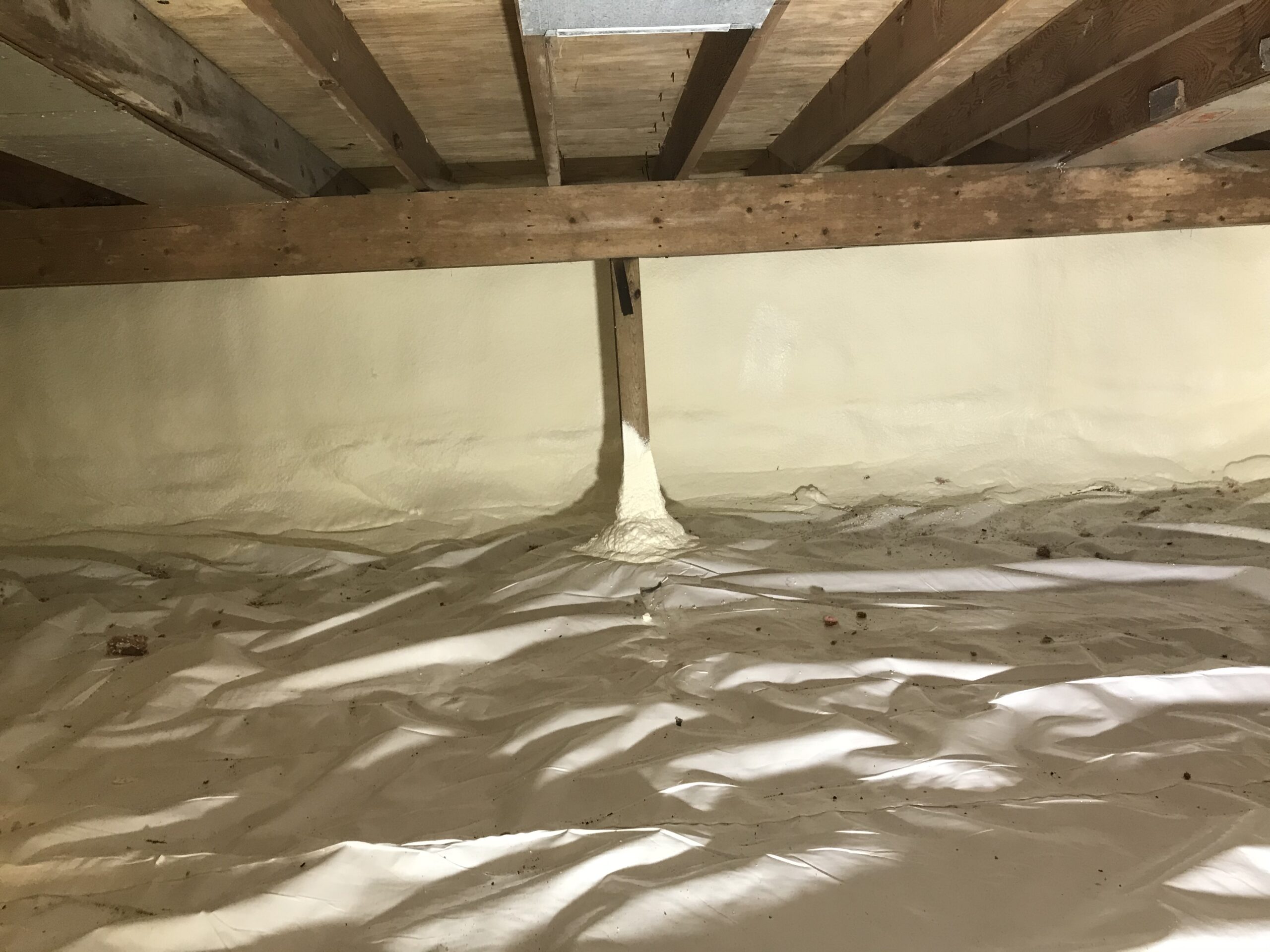
- Crawl spaces (especially when they’re damp or windy)
- Garage ceilings under the living space
If you’ve searched “spray foam insulation contractors near me,” what you’re really looking for is a crew that understands building performance, not just “spraying foam.” That’s the difference between a job that works and a job that creates moisture headaches.
At Precision Insulation & Coatings, this is a core part of what we do: spray foam insulation for Iowa homes and buildings, installed with real attention to air sealing and long-term performance.
2) Fiberglass insulation
Fiberglass batts can work well in Iowa if:
- The cavities are consistent
- The batts are cut and fitted properly (no gaps, no compression)
- Air leaks are sealed before insulation goes in
- Attic bypasses (around lights, chases, plumbing stacks) are addressed
The problem is that fiberglass doesn’t stop air flow on its own. In an Iowa winter, that matters. Fiberglass is still a smart choice for many projects, especially when budget matters and the installation quality is solid.
3) Blown-in cellulose
Cellulose is often the most practical attic upgrade for older Iowa homes because it:
- Fills gaps better than batts
- Covers uneven framing and odd attic geometry
- Improves performance when paired with proper attic air sealing
For many homes around Des Moines, Grimes, Waukee, and across Central Iowa, the most cost-effective comfort upgrade is:
- Air-seal the attic floor
- Blow in enough insulation to reach the right level for the home
ENERGY STAR’s attic guidance is a helpful benchmark when you’re deciding how much insulation is “enough.”
4) Rigid foam board
Rigid foam is useful when you need:
- Continuous insulation on exterior walls (reducing thermal bridging)
- Basement wall insulation strategy
- Targeted upgrades during remodeling (when walls are open)
It’s not usually the first choice for “whole-home insulation” retrofits, but it can be a powerful part of the right plan.
5) Mineral wool
Mineral wool can be a great choice in:
- Walls where you want better sound control
- Areas where fire resistance is a greater concern
- Remodel projects where you want a dense batt that holds shape
It still needs air sealing done right, same rule as fiberglass.
What’s “Best” Depends On Where You’re Insulating
Attics
Most Iowa heat loss starts at the top. If your attic is under-insulated or leaky, you’ll feel it. The best typical approach you can consider:
- Air seal attic penetrations (the real work)
- Add blown insulation or fiberglass to reach the recommended levels for the climate
ENERGY STAR lays out climate-based insulation levels by location in the home, which is a good reference point when planning attic upgrades.
Common Iowa attic problems
- Recessed lights are leaking air into the attic
- Open chases around plumbing stacks
- Bathroom fans venting into the attic (still happens)
- Wind washing at attic eaves
Fix those, then insulate. Do it in reverse, and you’re insulating moving air.
Walls
If your home is older with empty wall cavities, wall insulation can be a big upgrade, but it needs a plan. In Iowa’s climate, you don’t want to trap moisture in the wrong place.
Good wall options
- Dense-pack cellulose (great for older walls)
- Spray foam (excellent air sealing, best in tricky cavities)
- Fiberglass/mineral wool (best when the wall is open and details are correct)
Rim joists & basements
Rim joists are one of the leakiest areas in many Iowa homes. Insulating and sealing them can:
- Reduce cold-floor complaints
- Improve basement comfort
- Cut drafts noticeably
Spray foam is a common best-fit here because it handles air sealing and insulation together.
Crawl spaces
Crawl spaces in Iowa can be windy, damp, and downright brutal in winter. The “best” approach depends on whether the crawl is vented, how moisture is handled, and what the HVAC system is doing.
This is where having an experienced local contractor matters. Precision Insulation & Coatings handles crawl space insulation and can recommend the right approach based on how your crawl space actually behaves season to season.
If you’re in Des Moines or anywhere in Iowa and you want a straight answer on what will work best in your house, call us and ask for an insulation evaluation. You’ll get a plan that fits the home, not a one-size-fits-all quote.
Don’t Ignore Ventilation When You Tighten Up An Iowa Home
Air sealing is good. It’s also powerful. When you tighten the building envelope, you should think about indoor air quality and testing. Iowa is widely recognized for elevated radon risk, and the Iowa Department of Health notes a high percentage of homes above the EPA action level.
This doesn’t mean “don’t air seal.” It means:
- Test for radon (before/after improvements is smart)
- Make sure bath fans and kitchen ventilation are doing their job
- Use a contractor who knows how to tighten a home responsibly
“Best Insulation For Iowa Homes” By Scenario
Here’s the practical cheat sheet homeowners actually need:
- If your house is drafty, spray foam at rim joists + targeted air sealing + attic insulation upgrade.
- If your attic is under-insulated, air seal the attic floor + blow in cellulose (or add fiberglass) to a strong level for Iowa.
- If you’re remodeling and the walls are open, consider spray foam or mineral wool/fiberglass with meticulous air sealing.
- If you have cold floors over a crawl space, consider a crawl space insulation strategy + air sealing at floor penetrations.
- If you want the highest performance per inch, consider closed-cell spray foam in tight areas, rim joists, metal buildings, and pole barns.
A Quick Note On Rebates And Tax Credits
If you’re improving insulation and air sealing, it’s worth checking whether federal incentives apply. The U.S. Department of Energy has a clear overview of the Energy Efficient Home Improvement Credit and how insulation and air sealing may qualify.
The Bottom Line
Iowa homes don’t just need more insulation; they need better air control. In practice, the best results usually come from stopping air leaks, adding enough insulation where it matters most, and making sure indoor air quality is handled responsibly.
If you want this done once, done right, and sized for your home, not someone else’s, Precision Insulation & Coatings is the team to call.
Whether you’re looking for insulation contractors in Des Moines, fiberglass upgrades in the suburbs, crawl space fixes, or you’ve been searching for spray foam insulation contractors near me, you’ll get straightforward recommendations and professional installation across Iowa. Reach out to us now for more details.
FAQs
What insulation is best for Iowa winters?
For many Iowa homes, the best performance comes from air sealing plus high attic insulation levels. Spray foam is excellent in leaky areas like rim joists and tricky rooflines because it seals and insulates together.
Is spray foam worth it in Iowa?
Often, yes, especially when drafts and air leakage are the main comfort problem. Spray foam can deliver noticeable comfort gains because it reduces air movement, which is a major heat-loss driver in cold climates.
What R-value should attic insulation be in Iowa?
Targets vary by home and climate zone, but Iowa generally needs higher attic insulation levels than warm states. ENERGY STAR and the U.S. Department of Energy provide climate-based insulation recommendations you can use as a reference.
Can adding insulation increase radon levels?
Air sealing can change how a house breathes, which is why radon testing is smart, especially in Iowa. Iowa health guidance and EPA resources recommend testing and taking action if levels are high.